Source Remote Control Swivel Car Seat for Family, Taxi, and Shuttle
Find 30 listings for the Remote Control Swivel Car Seat with varying load capacities, weights, and rotation angles. Buyers can compare models like S-LIFT and S-OUT-R Pro from suppliers in Jiangsu Changzhou to find the right fit for family, taxi, or shuttle applications.
Key considerations
Products List


Programmable Turning Seat Swivel Car Seat for Car Copilot Position Loading 150kg
$3500.00 - $3700.00
MOQ: 1 Pieces


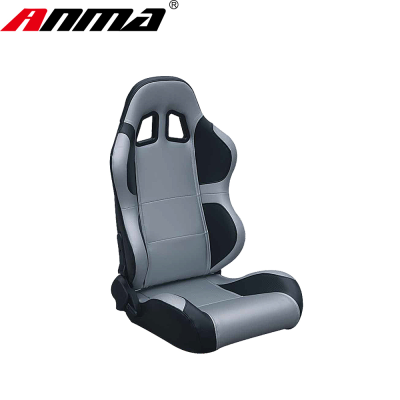


Negotiable
MOQ: 2000 Pieces

Comprehensive Sourcing Guide
Remote Control Swivel Car Seat Sourcing Guide
Sourcing remote control swivel car seats requires a careful balance between ergonomic convenience and rigorous safety compliance. These specialized seating solutions are designed to facilitate easier entry and exit for passengers, particularly those with mobility challenges, by allowing the seat to rotate outward from the vehicle’s interior. The integration of remote control functionality adds a layer of automation, enabling users to adjust the seat’s position without manual effort. Buyers must recognize that these products are not standard automotive components but rather specialized adaptations that must meet specific regulatory standards for both the seat structure and the electrical systems involved.
The procurement landscape for these seats is diverse, ranging from general-purpose models to those tailored for specific vehicle makes and conditions. Observations from current market listings indicate a wide variety of configurations, including different loading capacities, rotation angles, and power requirements. Some models are designed for back-row installation, while others are specified for front-row use. Understanding these distinctions is critical for buyers to ensure that the selected seat fits their specific vehicle architecture and user needs. The following guide provides a structured approach to evaluating these products based on observed market data and industry best practices.
Product Scope and Observed Listing Signals
The current market for remote control swivel car seats exhibits significant variation in technical specifications and intended use cases. Listings reveal products with loading capacities ranging from 80kg to 150kg, indicating that buyers must carefully match the seat’s weight limit to the intended user. For instance, some models are rated for a maximum load of 80kg, while others support up to 150kg, which may be necessary for heavier users or additional equipment. Additionally, the rotation angle is a key differentiator, with observed ranges extending from 0-113 degrees to 0-120 degrees. This variation affects the ease of entry and exit, so buyers should verify the exact rotation capability to ensure it meets the spatial constraints of their vehicle.
Material quality and construction are also prominent factors in the observed listings. Seats are described using materials such as leather and steel, with leather quality categorized into classes like A Class and B Class. These classifications suggest differences in durability, comfort, and aesthetic finish, which should be considered based on the expected usage intensity. Furthermore, the origin of manufacture is frequently cited, with many products originating from regions like Jiangsu Changzhou in China. Buyers should note that while origin can provide insight into manufacturing hubs, it does not inherently guarantee quality, and further verification of supplier capabilities is necessary. The presence of remote control operation, along with alternative methods like switches or smartphone control, adds to the functional scope, requiring attention to the power system and user interface design.
Technical Specifications to Verify
When evaluating remote control swivel car seats, buyers must prioritize the verification of electrical and mechanical specifications to ensure compatibility and reliability. The power requirements vary, with some models operating on a 12V system, which is standard for many vehicles, while others may have different voltage needs. It is essential to confirm the voltage compatibility with the target vehicle’s electrical system to prevent damage or malfunction. Additionally, the lowering height is a critical dimension, with observed specifications including options such as 395mm, 300mm, or 250mm. This measurement determines how low the seat descends, impacting the ease of transfer for users with limited mobility. Buyers should request detailed dimensional drawings to ensure the seat fits within the vehicle’s interior space.
The structural integrity and safety features of the seat are equally important to verify. Specifications such as the own weight of the seat, ranging from 29kg to 80kg, provide insight into the robustness of the construction. Heavier seats may offer greater stability but could pose challenges during installation. The turning angle, typically observed between 0-113 and 0-120 degrees, should be cross-referenced with the vehicle’s door opening width to ensure full functionality. Moreover, the presence of safety grades, such as IP67, indicates the level of protection against dust and water ingress, which is crucial for longevity in various environmental conditions. Buyers should also check for crash test certifications and other safety validations to ensure the seat meets rigorous safety standards.
Compliance and Safety Documentation
Compliance with safety standards is non-negotiable when sourcing remote control swivel car seats, as these products directly impact user safety. Buyers must verify that the seats meet recognized automotive safety standards, such as ECE R44, which is referenced in several listings. This standard ensures that the seat has undergone rigorous testing for impact resistance and structural integrity. Additionally, the condition of the seat, whether new or refurbished, should be clearly documented, as it affects both performance and warranty coverage. Buyers should request detailed compliance certificates and test reports from the supplier to confirm that the product meets the required safety benchmarks.
Beyond structural safety, the electrical components of the remote control system must also comply with relevant regulations. Certifications such as Emark and CE are often associated with electronic automotive parts, indicating adherence to electromagnetic compatibility and safety directives. Buyers should ensure that the supplier provides valid certification documents for these standards, as they are essential for legal operation in many markets. Furthermore, the presence of safety features like emergency stop mechanisms or manual override options should be verified, as they provide critical backup in case of power failure. Understanding the full scope of compliance requirements helps buyers mitigate legal and safety risks associated with the installation and use of these specialized seats.
Cost Drivers and Commercial Terms
The cost of remote control swivel car seats is influenced by several factors, including material quality, technical complexity, and order volume. Listings show a wide price range, from $4.5 to $9000, reflecting the diversity in product specifications and supplier positioning. Higher-priced models typically feature advanced materials, such as A Class leather, and more sophisticated remote control systems with multiple operation modes. Buyers should analyze the cost structure to understand what drives the price, ensuring that they are paying for genuine value rather than unnecessary features. Additionally, the minimum order quantity (MOQ) varies, with observed ranges from 1 to 2000 units, allowing for flexibility in procurement based on demand.
Commercial terms, including packaging and shipping, also impact the total cost of ownership. Products are often packed in wooden cases, carton cases, or on pallets, depending on the model and supplier. Buyers should consider the packaging requirements for safe transportation and storage, as improper packaging can lead to damage. Lead times and delivery schedules should be clarified with the supplier to ensure timely receipt of the products, especially for large orders. Negotiating favorable payment terms and warranty conditions can further enhance the value of the procurement. By carefully evaluating these commercial aspects, buyers can optimize their spending and ensure a smooth supply chain process.
Supplier Qualification and Quality Control
Selecting a reliable supplier is crucial for obtaining high-quality remote control swivel car seats. Buyers should conduct thorough due diligence to assess the supplier’s manufacturing capabilities, quality control processes, and track record. Suppliers originating from established manufacturing hubs, such as Jiangsu Changzhou, may have access to better resources and expertise, but this should be verified through site audits or third-party inspections. Requesting samples before placing large orders allows buyers to evaluate the product’s build quality, functionality, and compliance with specifications. This step is essential for identifying any potential issues early in the procurement process.
Quality control measures should be clearly defined and agreed upon with the supplier. This includes specifications for material grades, such as steel and leather, and performance tests, such as crash tests and durability assessments. Buyers should ensure that the supplier has a robust quality management system in place, with regular inspections and testing protocols. Documentation of these processes, including inspection reports and certification records, should be requested and reviewed. Additionally, establishing clear communication channels and expectations for after-sales support can help address any issues that may arise post-delivery. By prioritizing supplier qualification and quality control, buyers can minimize risks and ensure consistent product quality.
Long-Term Procurement Checks
Long-term success in sourcing remote control swivel car seats depends on continuous monitoring and evaluation of supplier performance and product reliability. Buyers should establish key performance indicators (KPIs) to track metrics such as delivery times, defect rates, and customer satisfaction. Regular reviews of these metrics help identify areas for improvement and ensure that the supplier meets contractual obligations. Additionally, staying informed about changes in safety standards and regulatory requirements is essential, as non-compliance can lead to legal issues and product recalls. Buyers should maintain open communication with suppliers to stay updated on any modifications or improvements to the product.
Investing in relationship building with suppliers can also yield long-term benefits, such as priority access to new products and favorable pricing. Collaborative partnerships can lead to co-development opportunities, where suppliers tailor products to specific buyer needs. Furthermore, buyers should consider the lifecycle of the product, including maintenance, spare parts availability, and end-of-life disposal. Ensuring that the supplier provides adequate support for these aspects can enhance the overall value of the procurement. By implementing a proactive approach to long-term procurement checks, buyers can sustain a reliable supply chain and achieve their operational goals.
FAQs
What customization options are available for remote control swivel car seats?
Customization is available for these seats to meet specific buyer requirements. The products come in various models like S-LIFT and S-OUT-R Pro with different loading capacities ranging from 68kg to 150kg. Buyers can select from options such as leather grades or specific packing types like wooden cases.
Which certifications do these remote control swivel car seats hold?
These seats hold the ECE R44 standard and some carry Emark certification. The products are tested for safety including crash tests. While CE and RoHS are noted in background data, the primary verified standards for these specific listings are ECE R44 and Emark.
How does the remote control operation function on these car seats?
The seats operate via remote control, switches, or mobile phone applications. Some models feature a turning angle of 0-120 degrees while others offer 0-113 degrees. The system is designed for versatile control allowing users to adjust the seat position easily.
What is the maximum loading capacity for these swivel car seats?
The loading capacity varies by model, with options supporting up to 150kg or 120kg. Specific models like the S-LIFT series have a stated load capacity of 120kg. Buyers should verify the specific model requirements to ensure the seat meets their weight needs.
Can I find these seats with specific leather grades and materials?
Yes, the seats are available with A Class or B Class leatheriness and steel materials. Some units are described as having leather components while others emphasize steel construction. The condition is listed as new for all observed listings.
What are the typical packaging and origin details for these products?
Products originate from Jiangsu Changzhou or general China locations and are packed in wooden cases, cartons, or on pallets. The specific packing method depends on the model ordered. These details ensure safe transport and handling of the heavy units during shipping.