Source Resealable Mylar Doypack with Valve for Food, Medical, and Coffee
Compare 30 verified options for a Resealable Mylar Doypack with Valve from Chinese manufacturers. Buyers can evaluate customization, certifications like FDA and ISO, and sealing methods to find suitable packaging for food, medical, or coffee applications.
Key considerations
Products List

Custom Resealable Stand up Plastic Liquor Wine Doypack with Butterfly Valve
$0.02 - $0.90
MOQ: 10000 Pieces


Custom Mylar Bag Food Grade Stand-up Zipper Pouch Doypack for Snack Packaging
$0.01 - $0.03
MOQ: 50000 Pieces

Custom Printed Gravure Doypack Resealable Mylar Bags Snack Moisture Proof Stand
$0.04 - $0.06
MOQ: 50000 Pieces

Food Grade Plastic Packaging Mylar Bag Stand-up Zipper Pouch Doypack for Food
$0.02 - $0.08
MOQ: 50000 Pieces


Upright Doypack Stand up Pouch Moisture Proof Food Packaging Mylar Bag
$0.01 - $0.05
MOQ: 30000 Pieces


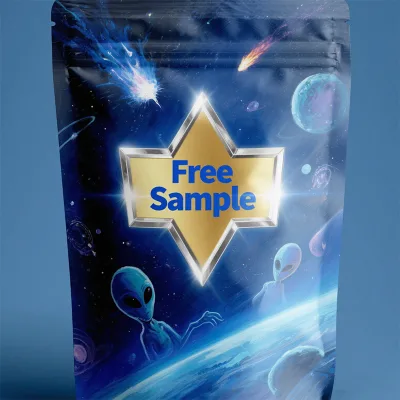


Ka Pack Plastic Food Ziplock Doypack Mylar Stand up Pouch Packaging Bag
$0.01 - $0.03
MOQ: 30000 Pieces

Plastic Coffee Packaging Doypack Doy Pack PAC Pak Pouches Mylar Bags Ziplock
$0.01 - $0.03
MOQ: 5000 Pieces

Wholesale Food Ziplock Doypack Mylar Stand up Pouch Valve Coffee Packaging Bag
$0.02 - $0.08
MOQ: 1000 Pieces

Reusable Food Grade Plastic Fruit Juice Packaging Doypack with Spout Cap
$0.04 - $0.30
MOQ: 10000 Pieces


Comprehensive Sourcing Guide
Strategic Sourcing Guide for Resealable Mylar Doypack with Valve
The global demand for high-performance flexible packaging has driven the evolution of the Resealable Mylar Doypack with Valve, a solution increasingly critical for preserving product integrity in food, medical, and specialty chemical sectors. For procurement professionals, navigating this category requires a disciplined approach that distinguishes between marketing assertions and verifiable supply chain facts. The following guide synthesizes available product attributes and industry standards to provide a robust framework for sourcing these specialized bags. Buyers must understand that while the core concept of a "mylar doypack with valve" is standard, the specific material composition, sealing mechanisms, and compliance certifications vary significantly between manufacturers.
Technical Specifications and Material Architecture
The foundational element of a high-quality doypack is its multi-layer material structure. Based on observed product data, the raw materials for these bags typically include a combination of PET (Polyethylene Terephthalate), VMPET (Vacuum Metallized Polyester), and PE (Polyethylene). This tri-layer configuration is essential for achieving the barrier properties required for long-term storage. The VMPET layer provides the "mylar" characteristic, offering superior protection against light, oxygen, and moisture, which is vital for products sensitive to degradation. The PE layer serves as the inner sealant, ensuring a hermetic closure that prevents leakage and contamination.
A critical technical specification for the resealable variant is the sealing method. While some product listings indicate "Heat-sealing" or "Hot Sealing" as standard methods for the bag body, the resealable feature often relies on a "Zipper Closure" mechanism. This allows for repeated opening and closing without compromising the package's integrity. Furthermore, the inclusion of a degassing valve is a specific functional requirement for coffee and other volatile food products, allowing carbon dioxide to escape while preventing oxygen ingress. Buyers should verify that the valve is integrated into the VMPET layer and that the surrounding seal area is robust enough to withstand the pressure of the valve installation.
The physical dimensions of the bag are rarely standardized. Product observations confirm that sizes are "Customized" and that thickness is "Customized Accepted." This flexibility allows buyers to tailor the gauge of the material to the weight and fragility of the product. For instance, a heavy coffee bag may require a thicker gauge for "Fall Resistance" and "Shock Resistance," whereas a lighter snack might prioritize cost-efficiency. The standard production models, such as the "LSH-137 Stand up Tea Bag" or "DQ STAND-UP POUCH," demonstrate that the industry offers specific form factors, but the ultimate dimensions must align with the buyer's specific product requirements.
Compliance and Certification Verification
In the realm of food and medical packaging, compliance is not optional; it is a prerequisite for market entry. The supply chain data indicates that reputable manufacturers often hold a portfolio of certifications including SGS, BRC, ISO9001, ISO14000, US FDA, and EU standards. These certifications serve as third-party validations of the manufacturer's quality management systems and the safety of the materials used.
For food packaging applications, the "Food Grade" status of the raw materials is paramount. Buyers must ensure that the PET, VMPET, and PE layers are certified as food-safe and free from harmful substances that could migrate into the product. The presence of "US FDA&EU" certification in the product attributes suggests that the supplier has met the stringent regulatory requirements of both the United States and the European Union. However, buyers should not assume that every listed product automatically satisfies these standards without verification.
Similarly, for medical packaging applications, the barrier properties must be rigorously tested to ensure sterility. The observed attributes list "Medical Packaging" alongside "Food Packaging," indicating that the same production lines may be capable of handling both sectors, provided the specific validation protocols are met. The "Bio-Degradable" and "Recyclable" features mentioned in some product descriptions represent a growing trend in sustainability. However, these claims require careful scrutiny, as they often depend on specific disposal conditions or the inclusion of particular additives that may not be present in all standard mylar doypacks.
Cost Drivers and Economic Factors
The pricing structure for resealable mylar doypacks with valves is influenced by several variable factors. The observed price range in the market spans from $0.01 to $0.90 per unit, a wide spectrum that reflects differences in material quality, printing complexity, and order volume. The primary cost driver is the material composition; bags utilizing VMPET and multiple layers are inherently more expensive than single-layer alternatives. Additionally, the inclusion of a valve adds a component cost and a processing step, which increases the unit price compared to standard doypacks.
Order volume is another significant economic factor. The Minimum Order Quantity (MOQ) typically ranges from 500 to 50,000 units, with specific MOQs often determined "According to The Bag Size." Larger orders generally benefit from economies of scale, reducing the per-unit cost. Buyers should also consider the "Customization" costs associated with unique printing requirements. The ability to print "up to 13 Colors" or "1-12 colors" using "Gravure Printing" adds to the setup and production expenses. Gravure printing is known for high quality and durability but requires higher initial tooling costs compared to digital printing methods.
The "Delivery Time" of 15 days is a standard benchmark observed in the supply data, but this can fluctuate based on the complexity of the order and the supplier's current capacity. Buyers should factor in the lead time for sample approval, which is often "Free Sample Accepted," before committing to a full production run. The trade terms, such as FOB, CIF, CFR, and EXW, also impact the final landed cost, with buyers needing to account for shipping, insurance, and customs duties depending on the chosen Incoterm.
Typical Applications and Performance Requirements
The versatility of the Resealable Mylar Doypack with Valve makes it suitable for a diverse range of applications. The primary use cases identified in the product data include "Food Packaging" and "Medical Packaging." In the food sector, these bags are ideal for coffee beans, tea, nuts, and dried fruits, where the valve is essential for degassing and the mylar layers protect against light and moisture. The "Moisture Proof" and "Fall Resistance" features are critical for maintaining product freshness during transit and storage.
For medical applications, the packaging must provide a sterile barrier and robust protection against physical damage. The "Shock Resistance" and "Moisture Proof" attributes are particularly relevant here, ensuring that medical devices or pharmaceuticals remain uncontaminated. The "Self-sealing" and "Zipper Closure" options offer convenience for end-users who may need to access the contents multiple times, such as in the case of medical powders or diagnostic kits.
The following table outlines the key performance attributes and their relevance to specific applications:
| Attribute | Relevance to Food Packaging | Relevance to Medical Packaging |
|---|---|---|
| Moisture Proof | Prevents clumping in coffee/tea; extends shelf life. | Maintains sterility of powders and devices. |
| Valve Integration | Essential for degassing roasted coffee. | Allows pressure equalization in sealed kits. |
| VMPET Layer | Blocks UV light to preserve flavor and color. | Provides light barrier for light-sensitive drugs. |
| Zipper Closure | Enables re-sealing for snack consumption. | Facilitates repeated access for medical use. |
| Food/Medical Grade | Ensures safety for human consumption. | Ensures biocompatibility and safety. |
Supplier Evaluation and Selection Criteria
Selecting the right supplier requires a thorough evaluation of their capabilities and track record. The observed data indicates that suppliers are typically "Manufacturers" rather than trading companies, which can offer better control over quality and pricing. The "Brand Name" Dq Pack is mentioned in the context of specific product models, suggesting that established brands often have dedicated production lines for doypacks. However, buyers should avoid relying solely on brand names and instead focus on the supplier's operational capabilities.
Key evaluation criteria include the supplier's ability to handle "Custom Order" requests and their flexibility in accommodating "Customized" sizes and thicknesses. The "Sample" availability is a crucial testing ground; a reputable supplier should offer "Free Sample Accepted" to allow buyers to validate the quality of the sealing, the valve function, and the print quality before mass production. The "Logo" customization options, allowing buyers to "Customize Your Own Logo," are standard but should be executed with high precision to ensure brand integrity.
Buyers should also assess the supplier's location and logistics capabilities. The product origins noted include "Qingdao China" and "Guangdong China," both of which are major manufacturing hubs. The choice of origin may impact shipping costs and lead times. Additionally, the "Packing" method, described as "Film+Carton+Pallet" or "Carton/Pallet," indicates how the supplier prepares the goods for shipment. Proper packing is essential to prevent damage during transit, especially for bags that are "Shock Resistance" dependent.
Quality Control and Long-Term Procurement Strategy
Quality control must be integrated into the procurement process from the initial sampling stage to the final delivery. The "Making Process" of "Plastic Packaging Bags" involves complex machinery and strict quality checks. Buyers should request test results for "Moisture Proof" and "Sealing" integrity, particularly for the zipper closure and valve areas. The "Sealing Method" must be consistent, whether it is "Heat-sealing" or "Hot Sealing," to ensure that the bag remains sealed under various storage conditions.
Long-term procurement strategies should focus on building a relationship with a supplier who can scale with the buyer's needs. The "MOQ" flexibility, ranging from 500 to 50,000 units, allows for a phased approach to ordering. Buyers can start with smaller orders to test the market and then increase volumes as demand grows. The "Delivery Time" of 15 days is a baseline, but consistent on-time delivery is a key indicator of a reliable supplier.
Sustainability is becoming an increasingly important factor in long-term strategy. The mention of "Bio-Degradable" and "Recyclable" features suggests that some suppliers are moving towards more eco-friendly solutions. Buyers should inquire about the specific recyclability of the materials and whether the supplier offers solutions that align with corporate sustainability goals. The "Standard" of the product, often "Customized," means that buyers have the opportunity to define their own sustainability metrics and work with the supplier to achieve them.
In conclusion, sourcing a Resealable Mylar Doypack with Valve requires a balance of technical knowledge, compliance verification, and strategic supplier management. By focusing on the specific material layers, verifying certifications, and understanding the cost drivers, buyers can secure a packaging solution that meets their product's unique needs while maintaining high standards of quality and safety. The flexibility of the market, with options for customization in size, color, and sealing methods, ensures that there is a solution available for virtually any application, provided the buyer conducts due diligence and maintains clear communication with their supplier.
FAQs
How can I customize the size and thickness of the bag?
You can request customized sizes and thicknesses to match your specific product needs. The supplier accepts custom orders with dimensions tailored to your requirements, ensuring the bag fits your product perfectly while maintaining structural integrity.
What certifications do the manufacturers hold for food safety?
Reputable manufacturers hold multiple certifications including SGS, BRC, ISO9001, ISO14000, US FDA, and EU standards. These credentials verify that the materials are food grade and meet strict international safety requirements for packaging sensitive products.
Can I get a free sample before placing a large order?
Yes, free samples are accepted and available for evaluation before committing to mass production. This allows you to verify the sealing quality, valve function, and print accuracy without financial risk prior to your full purchase.
Which sealing methods are available for these resealable bags?
The bags utilize heat sealing or hot sealing for the main body and zipper closures for resealability. This combination ensures a hermetic seal to prevent moisture ingress while allowing the user to open and close the package repeatedly.
What is the typical delivery time for a custom order?
The standard delivery time is approximately 15 days from order confirmation. This timeline applies to customized orders and may vary slightly depending on the specific complexity of the printing and the total order volume required.
How many colors can be used for gravure printing?
You can choose from up to 13 colors for gravure printing on these bags. This high-color capacity allows for detailed branding and vibrant designs while ensuring the print quality remains durable and resistant to fading.
What are the minimum order quantities for these custom bags?
Minimum order quantities typically range from 500 to 50,000 units depending on the bag size. The specific MOQ is determined by the customized dimensions you select, offering flexibility for both small and large procurement needs.