Source Resizable Invisible Setting Silver Ring for Gifts, Weddings, Decorations
Compare 30 listings for the Resizable Invisible Setting Silver Ring from verified suppliers. Options include 925 sterling silver, alloy, and stainless steel materials with customizable logos and OEM services for gifts, weddings, and decorations; compare the available evidence and request quotations based on your requirements.
Updated
Key considerations
Products List


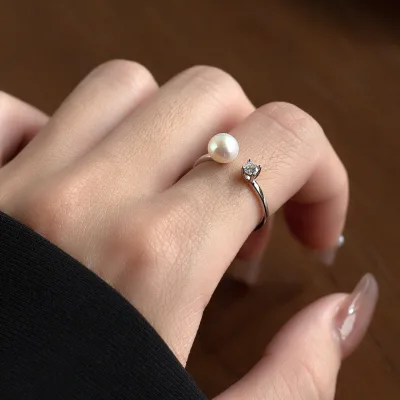
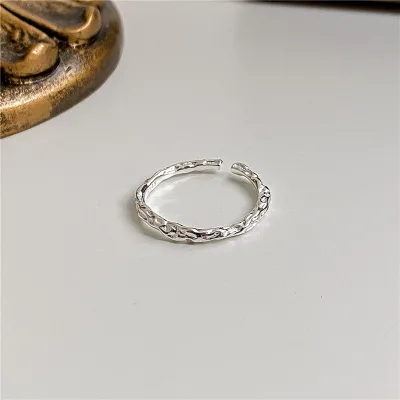


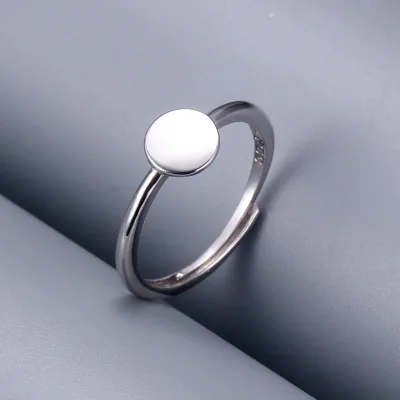

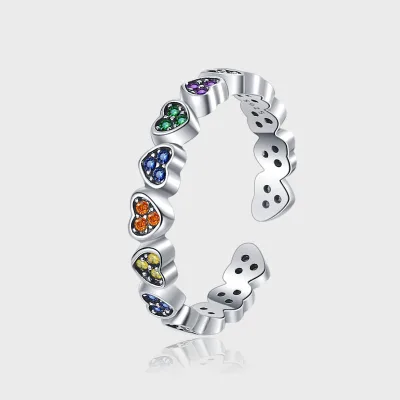
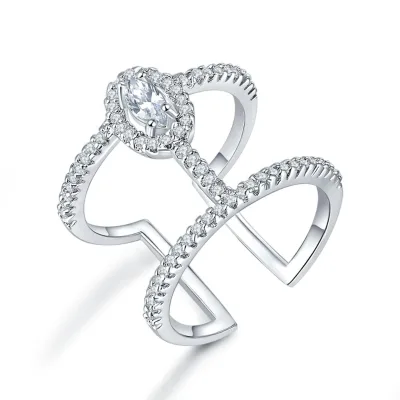


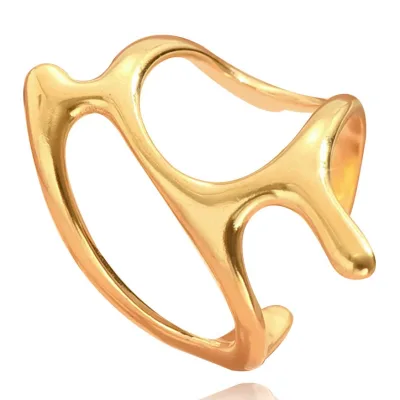
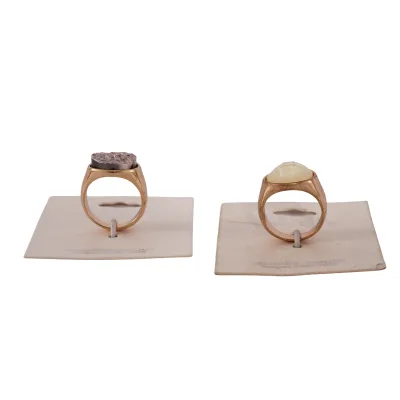


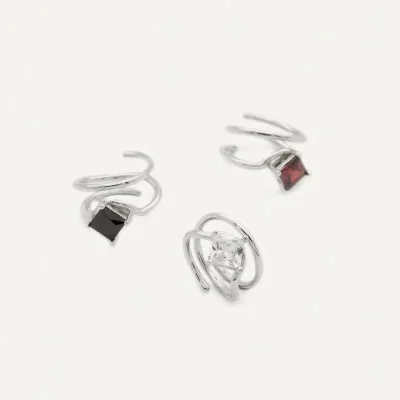
Fashion Irregular Triangle Design Jewelry Gold Plated Adjustable 925 Silver Ring
$13.69 - $15.92
MOQ: 1 Pieces

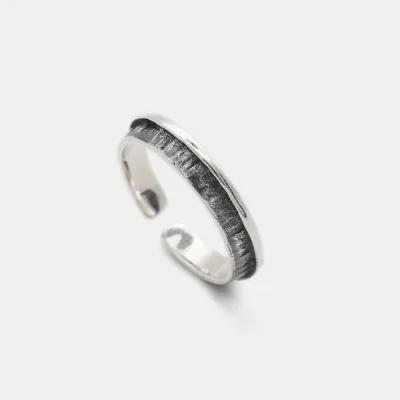


Comprehensive Sourcing Guide
Resizable Invisible Setting Silver Ring Sourcing Guide
Sourcing resilient jewelry components requires a disciplined approach to material verification and structural integrity. Buyers must distinguish between genuine sterling silver and plated alloys, as the latter may degrade under the stress of resizing. The term "invisible setting" often implies a specific gemstone mounting technique, yet many listings conflate this with simple band adjustments. Procurement teams should prioritize suppliers who explicitly define their fabrication processes, ensuring that the ring’s core structure supports the intended mechanical function without compromising aesthetic appeal or wearer comfort.
Commercial viability depends heavily on understanding the minimum order quantities and customization capabilities offered by manufacturers. Many suppliers in the observed market offer flexible OEM services, allowing for tailored branding and packaging solutions. However, high-volume orders often trigger stricter quality control protocols and longer lead times. Buyers should evaluate whether the supplier’s production capacity aligns with their distribution timeline, particularly when dealing with complex designs that require precise metalworking and finishing techniques to maintain consistency across large batches.
Product Scope and Observed Listing Signals
The current market landscape for silver rings reveals a diverse array of materials, including 925 sterling silver, alloy, and stainless steel options. Listings frequently highlight customization features such as logo engraving and OEM acceptance, catering to brands seeking unique identity markers. While some products are marketed with specific model numbers like Silver Ring-096J or Metal Ring-076U, the actual construction varies significantly. Buyers must carefully review product attributes to determine if the item is a simple fashion accessory or a durable piece suitable for frequent wear, noting that "best quality" claims require independent verification.
Price points and minimum order quantities exhibit wide variance, ranging from low-cost entry-level items to premium bespoke pieces. Observed MOQs can start as low as twenty pieces for certain customizable designs, while others demand volumes of ten thousand units, reflecting the scale of production. This disparity impacts cash flow and inventory management strategies. Procurement specialists should analyze the cost-per-unit at different volume tiers to identify the most economically efficient sourcing path, balancing the need for variety against the economies of scale provided by larger manufacturing runs.
Technical Specifications to Verify
Dimensional accuracy and material composition are critical technical parameters that must be validated before placing orders. Buyers should request detailed specifications regarding ring size adjustability, as some products are explicitly labeled as resizable while others are fixed. The presence of electroplating processes, such as silver plating over alloy bases, affects both durability and hypoallergenic properties. It is essential to confirm whether the core material is solid sterling silver or a base metal with a surface coating, as this distinction directly influences the ring’s lifespan and resistance to tarnishing under normal wear conditions.
Structural integrity also depends on the inlay technology and overall design geometry. Listings indicate that some rings feature geometric shapes or trendy styles, which may impose different stress points compared to traditional round designs. Buyers must verify if the manufacturing process includes secure stone setting or if the design is purely metallic. Additionally, single package dimensions and gross weights provide insight into the physical robustness of the item. Understanding these technical details helps prevent mismatches between supplier capabilities and end-user expectations, ensuring that the final product meets functional and aesthetic requirements.
Compliance and Safety Documentation
Regulatory compliance is non-negotiable for jewelry entering international markets, particularly concerning metal content and chemical safety. Buyers should insist on third-party appraisal certificates that verify the purity of sterling silver components, ensuring they meet established standards for precious metals. Documentation should also address restrictions on harmful substances, such as nickel or lead, which may be present in alloy bases or plating solutions. Without proper certification, products risk being rejected at customs or facing liability issues in consumer markets with strict safety regulations.
Packaging and labeling requirements also play a role in compliance and brand protection. Suppliers often offer customizable packing options, such as PP bags, which must be evaluated for their protective qualities and environmental impact. Clear labeling of material composition, country of origin, and care instructions is essential for consumer transparency. Buyers should ensure that all documentation provided by the supplier is up-to-date and legally valid in the destination country, mitigating risks associated with non-compliant imports and ensuring a smooth supply chain operation from factory to final sale.
Cost Drivers and Commercial Terms
Several factors influence the final cost of silver rings, including material selection, customization complexity, and order volume. Solid sterling silver commands a higher price point than alloy or stainless steel alternatives due to intrinsic metal value. Customization services, such as logo engraving or mold making, add significant overhead to the production process. Buyers should negotiate clear terms regarding these additional costs to avoid unexpected charges. Understanding the breakdown of costs helps in budgeting accurately and identifying areas where savings can be achieved without compromising quality.
Payment terms and logistical arrangements are equally important in managing procurement costs. Common payment methods include bank transfers, PayPal, and Western Union, each with varying fees and security levels. Buyers should assess the financial implications of each option and establish clear agreements on delivery schedules and incoterms. Efficient logistics planning reduces storage costs and improves cash flow turnover. By aligning commercial terms with operational needs, buyers can optimize their total cost of ownership and maintain healthy margins in a competitive market.
Supplier Qualification and Quality Control
Evaluating supplier reliability requires a thorough assessment of their manufacturing capabilities and quality assurance processes. Buyers should verify the supplier’s experience in producing silver jewelry and their ability to handle custom orders. Facilities located in regions like Fujian and Guangdong, China, are known for their jewelry manufacturing expertise, but individual factory standards vary widely. Requesting samples and conducting factory audits can provide valuable insights into production consistency and adherence to specifications. A robust quality control system is essential for maintaining product integrity across large orders.
Communication and responsiveness are key indicators of a supplier’s professionalism and commitment to customer satisfaction. Suppliers who offer warm welcome to OEM/ODM requests and provide detailed technical support are often more reliable partners. Buyers should establish clear channels of communication and define expectations for sample approval and production milestones. Regular updates and transparent reporting help build trust and facilitate problem-solving. By selecting suppliers with strong operational discipline, buyers can minimize risks and ensure a smooth procurement experience from initial inquiry to final delivery.
Long-Term Procurement Checks
Sustaining a successful sourcing strategy involves continuous monitoring of supplier performance and market trends. Buyers should regularly review product quality, delivery times, and customer feedback to identify areas for improvement. Building long-term relationships with reliable suppliers can lead to better pricing, priority production slots, and collaborative innovation. Staying informed about changes in material costs and regulatory requirements ensures that procurement strategies remain compliant and cost-effective. Proactive management of supplier relationships is crucial for maintaining a competitive edge in the jewelry market.
Adaptability to changing consumer preferences is another critical factor for long-term success. The fashion jewelry sector is dynamic, with trends shifting rapidly in style and design. Buyers should work with suppliers who are agile and capable of quickly adapting to new demands. Offering a diverse range of products, from trendy geometric designs to classic wedding rings, can help capture different market segments. By continuously evaluating and refining their sourcing approach, buyers can ensure that their product offerings remain relevant and appealing to their target audience, driving sustained growth and profitability.
FAQs
Can I customize the logo on these silver rings?
Yes, customized logos are available for these rings. The product supports OEM services and allows for tailored branding. You can request specific designs to match your brand identity. This customization option is suitable for businesses looking to create unique jewelry pieces for their customers or corporate gifts.
What materials are used for these rings?
These rings are crafted from various materials including 925 sterling silver, alloy, and stainless steel. The specific material depends on the model selected. Some options feature silver plating for a premium finish. Buyers can choose the material that best fits their quality standards and budget requirements for their jewelry collection.
What is the minimum order quantity for these rings?
The minimum order quantity varies by product model. Some items have an MOQ of 20 pieces, while others require 10,000 pieces. Buyers should check the specific model details for accurate MOQ requirements. This flexibility allows both small businesses and large distributors to find suitable sourcing options for their inventory needs.
Are these rings suitable for wedding occasions?
Yes, several models are explicitly designed for wedding occasions. They are categorized as wedding rings and are suitable for gifts and decoration. The fashion and trendy styles make them appropriate for various ceremonial uses. Buyers can select specific models that align with their wedding jewelry requirements and aesthetic preferences.
Do these rings come with certifications?
Yes, third-party appraisal certificates are available for these rings. This certification provides assurance of quality and material authenticity. Buyers can request these documents to verify product standards. The availability of certifications helps in building trust with end customers and ensures compliance with specific market requirements for jewelry products.
Where are these rings manufactured?
These rings are manufactured in China, specifically in Fujian and Guangdong provinces. The origin is clearly stated for transparency. Buyers can consider the manufacturing location when evaluating logistics and supply chain factors. The production in these regions is known for its jewelry manufacturing capabilities and efficiency.