Source RF Signal Detector for Cars and Hotels
Find 30 RF Signal Detector for Cars and Hotels options from verified suppliers. Compare models like M8000 and ds818 with features such as 120db alarm sound, Type-C charging, and sensitivity levels 1 to 5 for executive offices and public places.
Updated
Key considerations
Products List
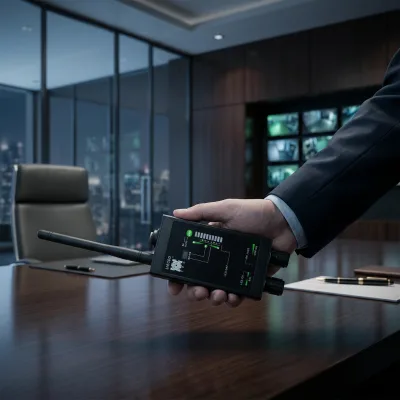
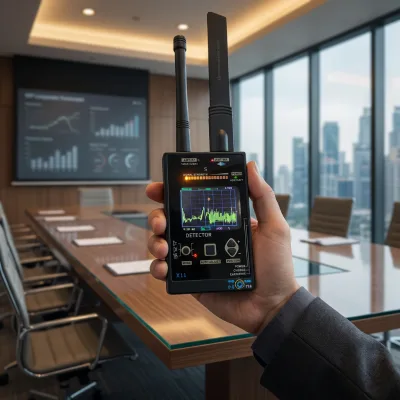
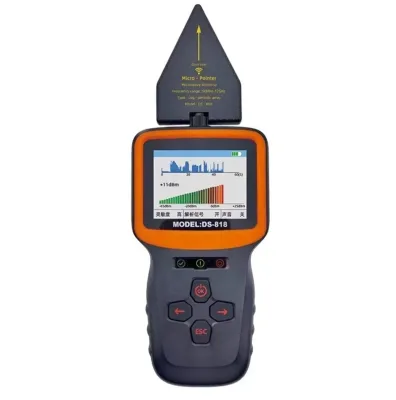
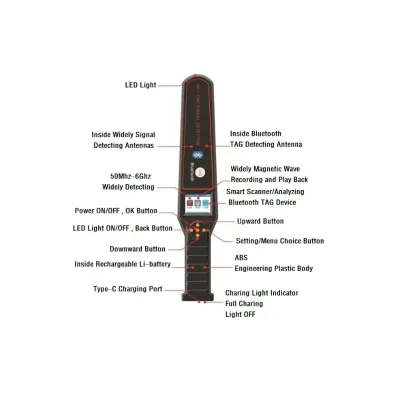
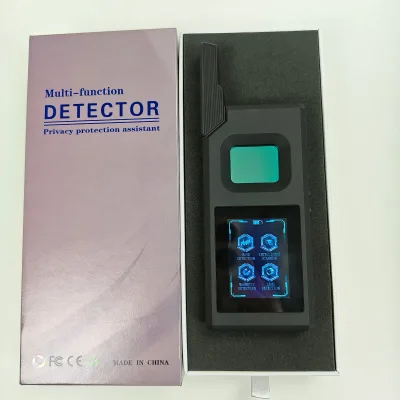
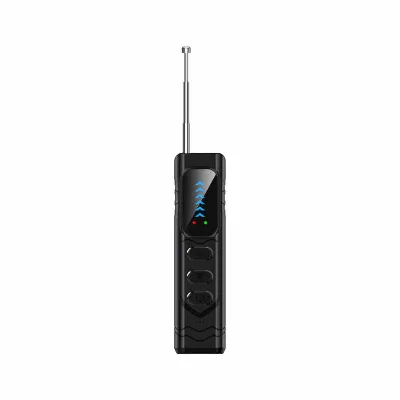
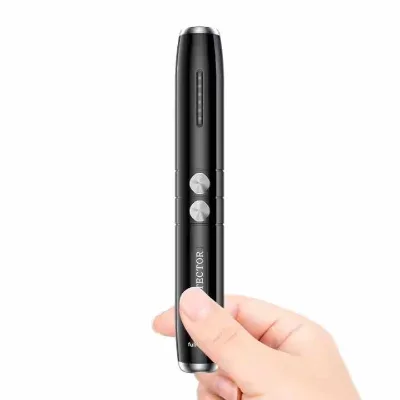
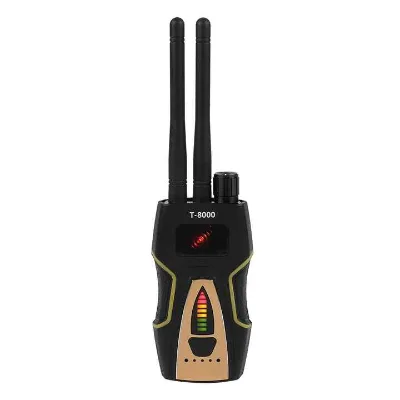
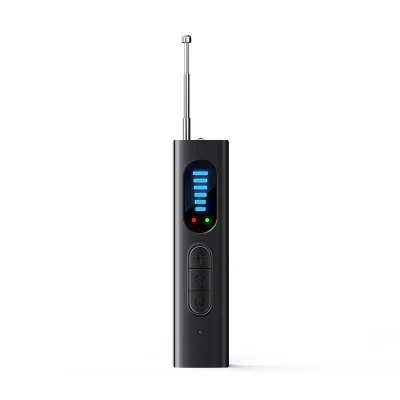


Vehicle Protection GPS Signal Finding Detector Car Tracker Detector
$5000.00 - $10628.00
MOQ: 1 Pieces


Radio Frequency Detection 1MHz-12GHz Handheld Wireless Signal Detector
$500.00 - $6000.00
MOQ: 1 Pieces


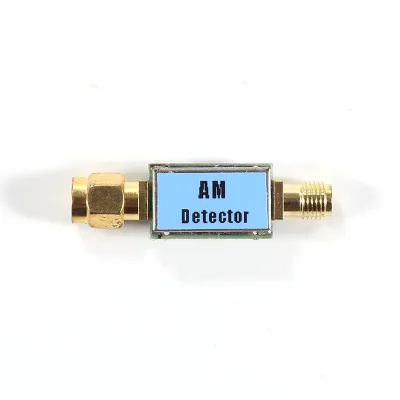


RF Signal Handheld Detector Monitor Signal Detector Wireless Camera Detector
$36.60 - $42.60
MOQ: 10 Pieces

RF Signal Handheld Detector Signal Detector Anti Wireless Camera Detector
$9.80 - $13.50
MOQ: 10 Pieces


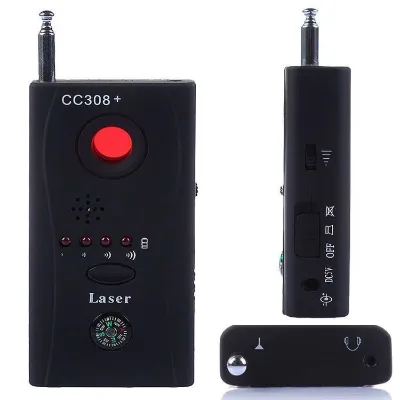
Comprehensive Sourcing Guide
RF Signal Detector for Cars and Hotels Sourcing Guide
Procuring RF signal detectors for high-security environments like hotels and executive offices requires a clear understanding of the device’s detection capabilities and physical form factor. Buyers must distinguish between general-purpose signal scanners and specialized anti-spy devices designed to identify hidden cameras or listening bugs. The market offers various models, such as the M8000 and T17, which cater to different sensitivity levels and frequency ranges. Understanding these distinctions is critical for selecting the right tool for specific security protocols.
The application scope extends beyond simple signal detection to include comprehensive safety protection for both indoor and outdoor settings. Devices are often marketed for use in hotels, public places, and executive offices where privacy is paramount. Buyers should evaluate whether the detector offers broad frequency coverage or targeted detection for specific threats. This guide outlines the key technical, commercial, and compliance factors necessary for making an informed procurement decision in this specialized niche.
Product Scope and Observed Listing Signals
The observed product listings indicate a diverse range of signal detectors with varying physical specifications and intended use cases. Common attributes include durable ABS or plastic construction, with single gross weights ranging from 0.1 kg to 1.0 kg. Models like the ds818 and ds828 are explicitly categorized as signal detectors or spy bug detectors, suitable for executive offices and hotels. The presence of features such as 120db alarm sounds and high sensitivity levels suggests these devices are designed for immediate, audible alerts in noisy environments.
Listing signals also highlight specific technical parameters that define the device’s operational effectiveness. For instance, the T17 model features a frequency range of 1MHz to 6.5GHz, covering a broad spectrum of potential RF emissions. Other models, such as the T8 and T8000, offer different package sizes and weights, indicating variations in internal components or battery capacity. Buyers should note that while some listings mention OEM branding, others specify brand names like csy, which may impact warranty and support structures.
Technical Specifications to Verify
When evaluating technical specifications, buyers must prioritize frequency range and sensitivity levels to ensure comprehensive threat detection. The T17 model, for example, covers 1MHz to 6.5GHz, which is essential for detecting modern wireless devices. Sensitivity settings, such as the five-level adjustment found in some models, allow users to fine-tune detection in complex RF environments. It is crucial to verify if the device can distinguish between legitimate signals and potential threats, minimizing false positives in busy hotel or office settings.
Physical design and power management are equally important for practical usability in the field. Features like Type-C charging ports and working hours of up to 25H enhance operational convenience for security personnel. Additionally, laser distance capabilities, ranging from 10cm to 6m in some models, aid in locating hidden devices physically. Buyers should confirm the antenna gain and signal range, such as 5cm to 8m, to ensure the detector can effectively scan typical room sizes without requiring excessive proximity to potential bugs.
Compliance and Safety Documentation
Compliance with international electromagnetic compatibility (EMC) and radio equipment directives is essential for devices operating within specific frequency bands. Buyers should request documentation proving that the RF signal detectors meet relevant standards for their target markets, such as CE or FCC certification. This ensures that the devices do not interfere with other electronic equipment in hotels or cars and operate safely under continuous use. Without proper certification, there is a risk of regulatory non-compliance and potential liability issues.
Safety documentation should also include user manuals that detail proper handling, maintenance, and disposal procedures. Given that these devices often contain lithium batteries, buyers must verify compliance with transport regulations for hazardous materials. Clear instructions on charging protocols, such as those involving Type-C ports, help prevent battery degradation or safety hazards. Ensuring that suppliers provide comprehensive safety data sheets and warranty terms is a critical step in mitigating operational risks and ensuring long-term reliability.
Cost Drivers and Commercial Terms
Cost drivers for RF signal detectors include the complexity of the detection circuitry, the breadth of the frequency range, and the build quality of the housing. Models with higher sensitivity and broader frequency coverage, such as those covering up to 6.5GHz, typically command higher prices. Additionally, features like high-decibel alarms, laser distance finders, and extended battery life contribute to the overall cost. Buyers should analyze the price-to-performance ratio, considering that lower-cost models may lack the precision needed for high-security applications.
Commercial terms such as minimum order quantity (MOQ) and lead times significantly impact procurement planning. Observed MOQs range from 1 to 10 units, offering flexibility for small-scale purchases or trial orders. However, bulk purchases may offer better pricing but require careful inventory management. Buyers should negotiate clear terms regarding shipping, returns, and after-sales support. Understanding the total cost of ownership, including potential maintenance or calibration needs, is vital for budgeting accurate procurement costs.
Supplier Qualification and Quality Control
Supplier qualification begins with verifying the manufacturer’s location and production capabilities. Many suppliers are based in Guangdong, China, a hub for electronics manufacturing. Buyers should assess the supplier’s experience in producing security equipment and their ability to provide consistent quality. Requesting samples for testing is a crucial step to verify performance claims, such as detection range and sensitivity levels. This hands-on evaluation helps ensure that the devices meet the specific security requirements of hotels or corporate offices.
Quality control processes should include rigorous testing of each unit for functionality and durability. Buyers should inquire about the supplier’s quality assurance protocols, including incoming material inspections and final product testing. Certifications related to manufacturing quality, such as ISO standards, can provide additional confidence in the supplier’s reliability. Establishing a clear communication channel for addressing defects or performance issues is essential for maintaining a successful long-term procurement relationship.
Long-Term Procurement Checks
Long-term procurement success depends on the supplier’s ability to provide ongoing support and product updates. As technology evolves, RF signal detectors may need firmware updates or hardware improvements to detect new types of threats. Buyers should verify if the supplier offers technical support, training, or replacement parts to extend the device’s lifecycle. Regular performance audits of the deployed detectors can help identify any degradation in sensitivity or functionality over time.
Building a diversified supplier base can mitigate risks associated with single-source dependencies. Buyers should periodically review market offerings to ensure they are getting the best value and technology. Establishing clear performance metrics and service level agreements with suppliers helps maintain accountability. By focusing on these long-term checks, organizations can ensure their security infrastructure remains effective and compliant with evolving privacy and safety standards.
FAQs
What is the primary application of these signal detectors?
These devices are designed for use in hotels, executive offices, and public places to ensure safety protection. They function as bug detectors and spy bug detectors suitable for both indoor and outdoor environments to detect unauthorized surveillance equipment effectively.
Which model numbers are available for these signal detectors?
Available model numbers include M8000, ds818, ds828, ds628, T17, T8, and T8000. Each model offers specific features like varying package sizes and sensitivity levels to meet different security requirements for various professional applications.
How does the alarm sound feature work on these units?
The alarm sound feature operates at a volume of 120db to alert users immediately upon detecting signals. This high-decibel output ensures that security personnel or users are notified effectively even in noisy environments where subtle sounds might be missed.
Can these detectors be used in outdoor environments?
Yes, these signal detectors are suitable for both indoor and outdoor applications. They are built with durable ABS or plastic materials to withstand various conditions while providing reliable security protection for hotels and executive offices in diverse settings.
What is the frequency range covered by these detectors?
The frequency range covered spans from 1MHz to 6.5GHz. This broad spectrum allows the device to detect a wide variety of wireless signals, making it effective for identifying hidden transmitters in executive offices and public places.
How long can the device operate on a single charge?
The device can operate for up to 25 hours on a single charge. It features a Type-C charging port for convenient power replenishment, ensuring long-lasting performance during extended security monitoring sessions in hotels or offices.
What is the signal detection range of these units?
The signal detection range extends from 5cm to 8m depending on the specific model and conditions. This range allows users to identify potential threats effectively within a reasonable distance while maintaining accuracy in various indoor and outdoor scenarios.