Source RF Home Use Facial Massager for Salon, Home, and Spa
Explore 30 RF Home Use Facial Massager options featuring E-Light and RF technologies for skin tightening and wrinkle removal. Compare models like MLY-D206 and RF-AK-SC921 with varying weights and certifications for salon or home applications; compare the available evidence and request quotations based on your requirements.
Updated
Key considerations
Products List


Home Use Wrinkle Removal Face RF Skin Lifting Facial Vibration Massage Machine
$21.76 - $27.66
MOQ: 100 Pieces


Skin Tightening Face Massager Facial Lifting Portable Beauty Device for Home Use
$16.25 - $19.72
MOQ: 20 Pieces

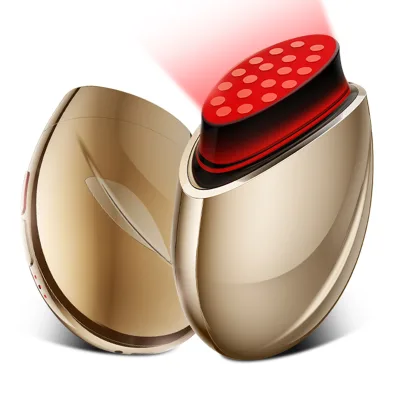
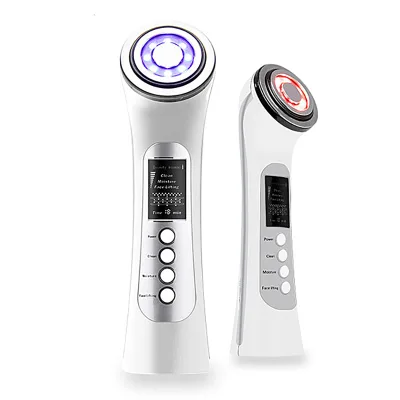


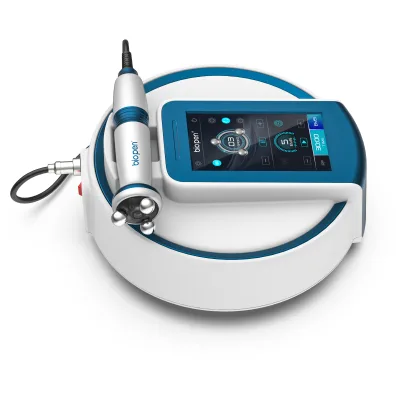
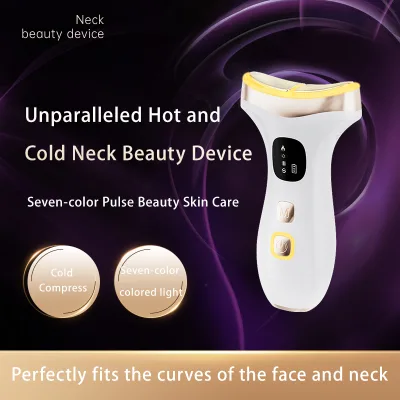
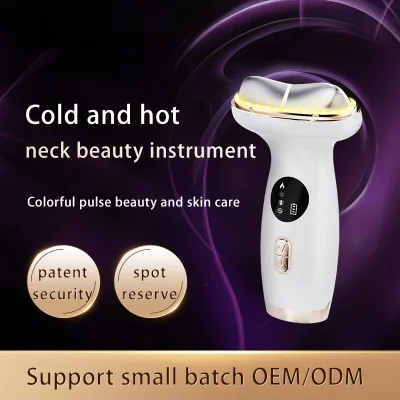
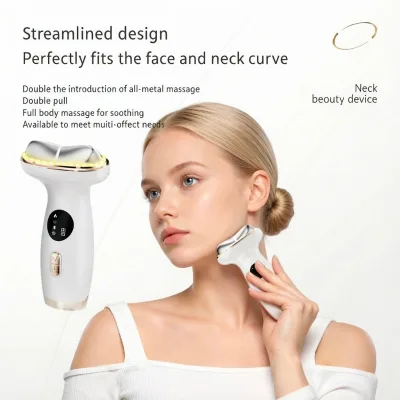
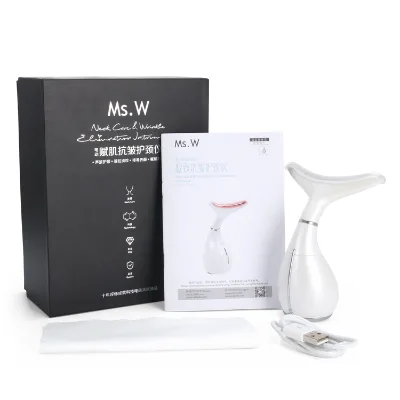
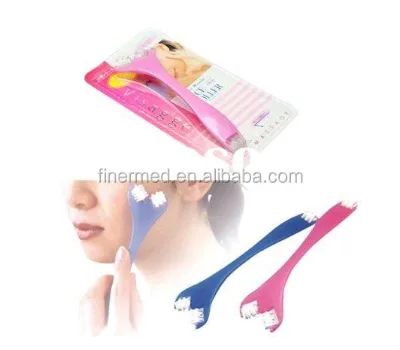
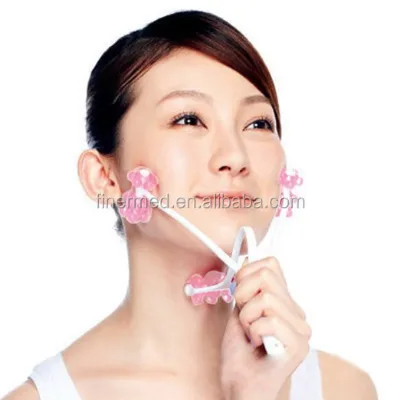

Hot Sell RF & EMS Beauty Instrument Facial Massager for Women Home Use
$55.00 - $65.00
MOQ: 300 Pieces


Portable Skin Tightening Face Lifting RF Machine Facial Beauty Massager
$1.00 - $35.00
MOQ: 100 Pieces


Comprehensive Sourcing Guide
RF Home Use Facial Massager Sourcing Guide
Sourcing an RF Home Use Facial Massager requires a careful balance between aesthetic appeal and technical reliability, as these devices bridge the gap between consumer electronics and personal care appliances. Buyers must recognize that the market is saturated with multi-functional units that combine Radio Frequency (RF) with other technologies like EMS or E-Light to claim enhanced efficacy. The observed product landscape indicates a strong preference for portable, handheld designs that operate on USB charging, catering to the modern consumer’s desire for convenience and ease of use in both salon and home environments.
Procurement teams should focus on verifying the core material composition and structural integrity, as these factors directly influence durability and user safety. Most observed listings utilize ABS, PC, and metal alloys to ensure the device can withstand repeated handling while maintaining a sleek, professional appearance. It is critical to distinguish between marketing claims and actual technical specifications, ensuring that the selected supplier provides transparent data regarding power output, voltage stability, and thermal management to prevent overheating during extended use sessions.
Product Scope and Observed Listing Signals
The current market for RF home use facial massagers is characterized by a diverse range of models, with observed product counts indicating a robust supply chain capable of meeting varied order volumes. Listings frequently highlight customization options, including custom graphics and logos on gift boxes, which are essential for private label branding strategies. The typical packaging formats observed include push-pull type boxes, flip type boxes, and standard carton boxes, reflecting a need for protective yet visually appealing presentation that enhances unboxing experiences for end-users.
Color variations and stylistic elements play a significant role in consumer selection, with black, red, white, and pink being common aesthetic choices. The devices are generally marketed as multi-functional beauty equipment, often featuring specific applications such as face lifting, skin tightening, and wrinkle removal. Buyers should note that while many products claim portability and lightweight designs, actual weights can vary, with some units weighing around 120-138 grams, which impacts ergonomic comfort during prolonged facial treatments.
Technical Specifications to Verify
When evaluating technical specifications, buyers must prioritize the verification of power ratings and electrical safety parameters. Observed data suggests that rated power for these devices typically hovers around 8 watts, with an output voltage of 5V DC, which aligns with standard USB charging protocols. It is imperative to confirm that the internal circuitry is designed to maintain stable energy delivery, as fluctuations can affect the efficacy of RF treatments and potentially compromise user safety. Suppliers should provide detailed schematics or test reports that validate these electrical characteristics under normal operating conditions.
Physical dimensions and material composition are equally critical for ensuring product quality and user satisfaction. Standard dimensions observed in the market range from approximately 175mm to 202mm in length, with widths and heights varying to accommodate ergonomic handholds. The use of materials such as ABS, PC, and zinc alloy is common, offering a balance of durability and lightweight portability. Buyers should request samples to assess the tactile quality of these materials and verify that the device’s size and weight are consistent with the stated specifications to avoid discrepancies in bulk orders.
Compliance and Safety Documentation
Compliance with international safety standards is non-negotiable for RF home use facial massagers, particularly when targeting markets in Europe and North America. Certifications such as CE and FCC are frequently cited in product listings, indicating adherence to electromagnetic compatibility and electrical safety regulations. Buyers must insist on valid, up-to-date certification documents from accredited laboratories, ensuring that the specific model numbers and batch codes match the products being procured. This verification process helps mitigate legal risks and ensures that the devices meet the stringent safety requirements of the destination markets.
In addition to regulatory certifications, buyers should request comprehensive test reports that cover thermal performance, leakage current, and material safety. These documents provide evidence that the device operates within safe temperature limits and does not emit harmful radiation levels beyond approved thresholds. It is also advisable to verify that the supplier holds any relevant design patents or intellectual property rights, which can protect against counterfeiting and ensure the uniqueness of the product in the competitive beauty device market.
Cost Drivers and Commercial Terms
Cost structures for RF home use facial massagers are influenced by several key factors, including the complexity of the electronic components, the quality of materials used, and the level of customization required. The observed price range in the market is broad, reflecting variations in feature sets and build quality. Buyers should analyze the cost breakdown to understand how much is attributed to the RF generator, EMS module, and housing materials, ensuring that they are not overpaying for superficial features that do not contribute to the device’s core functionality.
Minimum Order Quantities (MOQs) and lead times are critical commercial terms that impact inventory management and cash flow. Observed MOQs can range from small trial orders to larger bulk purchases, allowing flexibility for different business models. Buyers should negotiate clear terms regarding production lead times, payment schedules, and shipping arrangements to avoid delays. It is also important to clarify any additional costs associated with custom packaging, logo printing, or specific certification requirements, as these can significantly affect the final landed cost of the product.
Supplier Qualification and Quality Control
Selecting a reliable supplier involves rigorous due diligence to ensure consistent product quality and ethical manufacturing practices. Buyers should verify the supplier’s production capabilities, including their factory size, equipment, and quality control processes. Suppliers located in regions like Guangdong, China, often have established supply chains for electronic components, but it is essential to conduct on-site audits or third-party inspections to confirm that they adhere to strict quality standards. This step helps identify potential risks related to production consistency and supply chain resilience.
Quality control measures should be integrated into the procurement process from the initial sampling stage through to final shipment. Buyers should define clear acceptance criteria for visual defects, functional performance, and packaging integrity. Implementing a pre-shipment inspection protocol can help catch any deviations from the agreed-upon specifications before the goods leave the factory. Additionally, establishing a clear communication channel with the supplier for addressing any quality issues or returns is crucial for maintaining long-term business relationships and customer satisfaction.
Long-Term Procurement Checks
Long-term success in sourcing RF home use facial massagers depends on continuous monitoring of product performance and market trends. Buyers should establish a feedback loop with end-users to gather insights on device durability, user experience, and any reported issues. This data can inform future product iterations and help suppliers make necessary improvements to design and functionality. Regularly reviewing warranty claims and return rates can also provide valuable metrics for assessing the overall quality and reliability of the sourced products.
Furthermore, staying informed about evolving regulatory requirements and technological advancements is essential for maintaining compliance and competitiveness. Buyers should periodically re-verify certifications and ensure that the supplier remains up-to-date with the latest safety standards. Building a diversified supplier base can also mitigate risks associated with single-source dependencies, ensuring business continuity in the face of potential supply chain disruptions. By maintaining a proactive approach to procurement, buyers can secure a steady supply of high-quality RF home use facial massagers that meet the demands of the dynamic beauty device market.
FAQs
What certifications do these beauty devices have?
These devices typically hold CE and FCC certifications along with test reports and design patents. Buyers should verify specific documentation for each model, such as the RF-AK-SC921 or MLY-D206, to ensure compliance with regional safety standards before placing bulk orders for salon or home use applications.
Can I customize the logo and packaging?
Yes, customization is available for both graphics and logos on the gift box. Packaging options include push-pull type boxes, flip type boxes, color boxes, and carton boxes. This allows buyers to tailor the presentation for retail distribution or corporate gifting while maintaining the professional appearance of the beauty instrument.
What are the typical product specifications and weights?
Products vary by model, with weights ranging from 120g to 138g. Standard dimensions include sizes like 185*50*45mm or 202*85*70mm. Materials commonly used are ABS, PC, and metal alloys. These specifications ensure the devices are portable and suitable for handheld use in both salon environments and home skincare routines.
How is the device powered and charged?
The devices are powered via USB charging with an output voltage of DC 5V. The rated power is typically around 8W. This charging method ensures convenient recharging for portable use, making the beauty instruments suitable for travel and daily home application without requiring complex power adapters or battery replacements.
What features do these facial massagers offer?
Features include face lift, skin tightening, skin rejuvenation, wrinkle removal, and pore shrinking. Some models also address dark circles and anti-puffiness. These functions utilize technologies like E-Light and RF EMS to provide multi-functional beauty treatments, targeting various skin concerns for effective at-home or professional salon skincare regimens.
Where are these products manufactured and shipped from?
Products originate from Guangdong, China, with dispatch ports typically located in Shenzhen. Manufacturers offer various models like MLY-201 and D818. Buyers should confirm specific lead times and shipping logistics with suppliers, as production locations and export points may vary slightly depending on the specific factory and order volume requirements.