Source Saltwater Slow Pitch Jig for Ocean Beach Boat Rock Fishing
Compare 30 metal artificial bait options designed as Saltwater Slow Pitch Jig for ocean beach, boat, and rock fishing. Buyers can review weights from 12g to 800g, customization availability, and lead times ranging from 50 to 60 days for bulk orders.
Key considerations
Products List


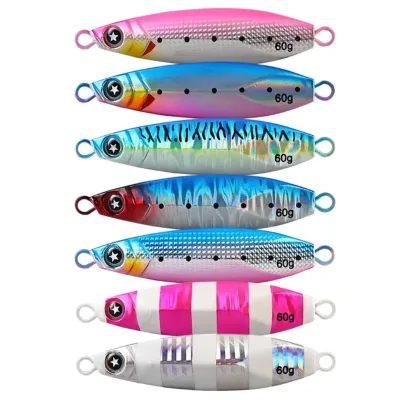
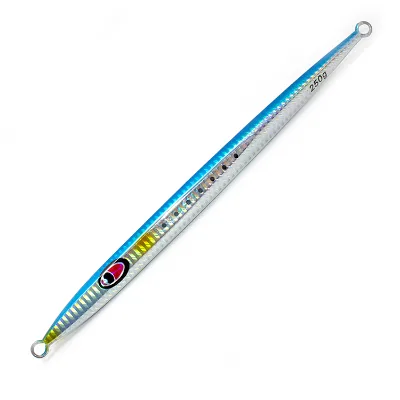
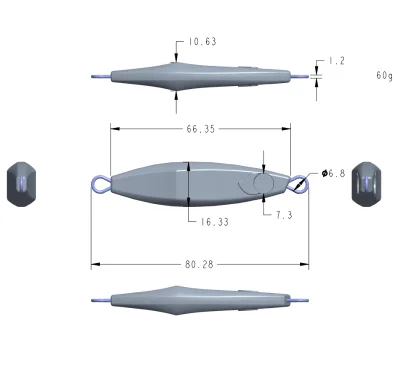
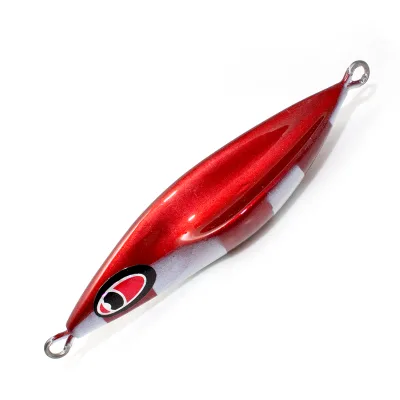


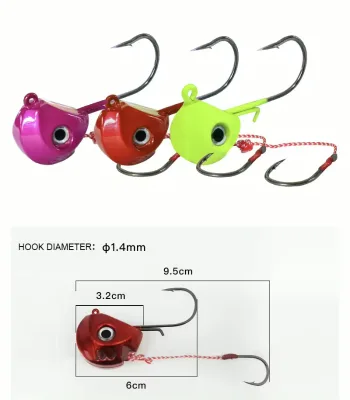
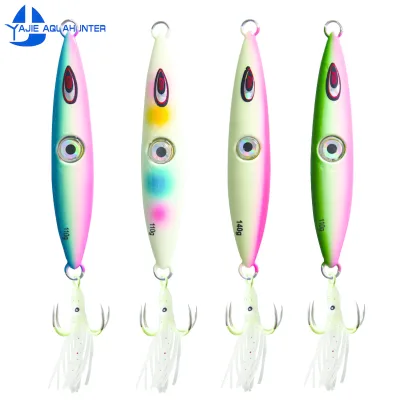
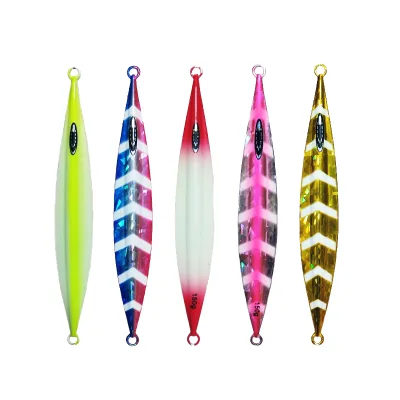
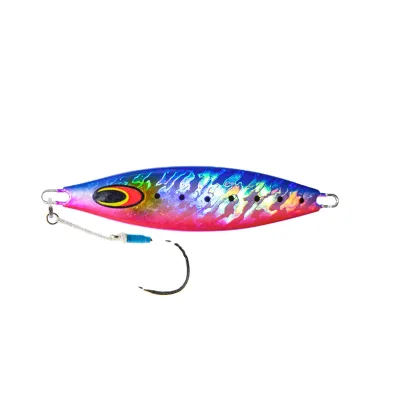
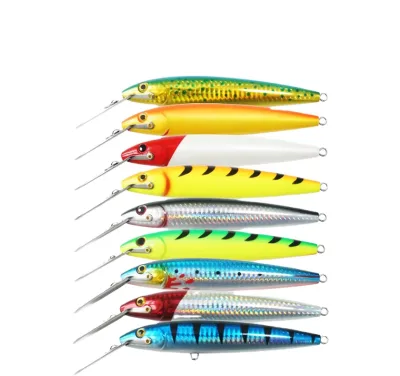

Fishing Jigs Lure Hard Bait Saltwater Slow Pitch Metal Jig Lead Jigging Lure
$1.66 - $1.89
MOQ: 1500 Pieces

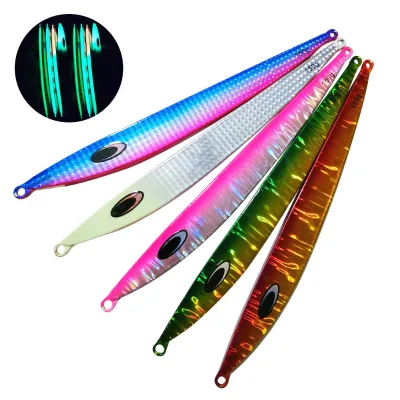
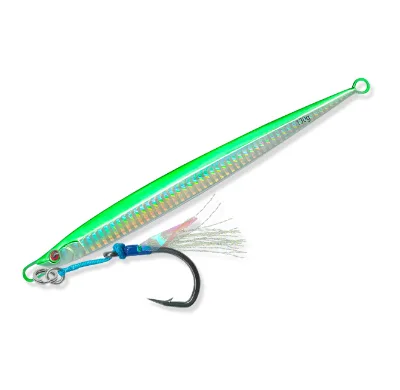
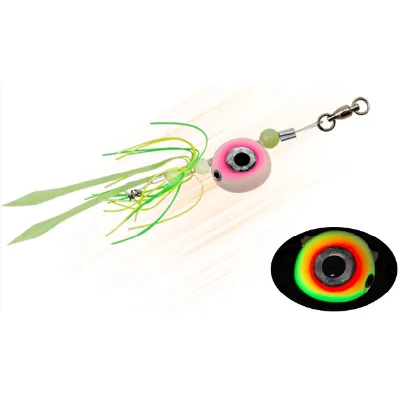

Comprehensive Sourcing Guide
Strategic Sourcing Guide for Saltwater Slow Pitch Jig Procurement
Technical Specifications and Model Variations
When sourcing saltwater slow pitch jigs, buyers must navigate a diverse landscape of technical specifications that directly influence casting distance, sink rate, and action in the water column. The product data indicates a primary material composition of metal, which is the industry standard for this category due to the need for high density and durability in deep-water environments. The core product type is identified as an artificial bait, specifically categorized under jigging lures designed for ocean beach, boat, and rock fishing.
A critical aspect of technical evaluation is the weight range, which varies significantly across different model numbers. The available data highlights specific model configurations with distinct weight profiles. For instance, the TN-A114 and TN-A099 models offer a broad spectrum ranging from 40g up to 300g, suitable for medium to heavy jigging applications. The TN-A110 model extends this further, offering weights from 12g to 250g, providing versatility for lighter presentations. Conversely, the TN-A066 and TN-A114 variants include heavier options up to 300g, while the TN-A051 is tailored for lighter scenarios with weights of 20g, 30g, 50g, and 70g.
For deep-sea operations requiring substantial mass, the YJ series demonstrates a different weight architecture. The YJ-T-173 and YJ-T-096 models support a wide range from 40g to 720g, indicating their suitability for deep-water vertical jigging where heavy weights are necessary to maintain contact with the bottom. The YJ-T-130 model pushes the boundary further, offering weights from 250g to 800g. Meanwhile, the YJ-T-147 and YJ-T-035 models focus on a mid-to-heavy range of 120g to 350g.
| Model Series | Weight Range (g) | Primary Application Context |
|---|---|---|
| TN-A051 | 20, 30, 50, 70 | Light jigging, coastal |
| TN-A110 | 12-250 | Versatile, medium depth |
| TN-A114 / TN-A099 | 40-300 | General saltwater jigging |
| TN-A066 | 180-300 | Heavy jigging |
| YJ-T-096 / YJ-T-173 | 40-720 | Deep water, heavy loads |
| YJ-T-130 | 250-800 | Extreme deep water |
| YJ-T-147 / YJ-T-035 | 120-350 | Mid-range heavy jigging |
Beyond weight, the physical dimensions and color options are vital for matching specific fish species and water clarity. The data notes that color customization is supported, with specific models offering 4 or 5 standard color options. Some models feature a "Glow" attribute, which is a significant technical feature for low-light conditions or deep-water fishing where natural light penetration is minimal. The packing specifications vary, with some models utilizing cartons and others carbon boxes, which may influence the internal protection and shipping weight calculations.
Compliance, Certification, and Origin Verification
In the global procurement of fishing tackle, verifying the origin and adherence to trade standards is essential for risk management. The supplied facts confirm that the products originate from China, with specific mentions of the Shandong region, a known hub for manufacturing. While the data does not list specific third-party certifications (such as ISO or REACH compliance), buyers must treat the "Standard" attribute as a baseline for weight accuracy rather than a safety certification.
Buyers should verify that the metal composition meets international safety standards for lead-free or non-toxic materials, particularly if the products are intended for markets with strict environmental regulations regarding fishing gear. The "Customization" and "OEM" attributes indicate that suppliers are willing to adapt the product to meet specific buyer requirements, which often includes adjusting the weight distribution or hook configuration to align with local fishing regulations.
The "Condition" attribute lists "printed," suggesting that branding or instructional graphics may be applied directly to the product or packaging. Buyers must ensure that any printed materials comply with the labeling laws of the destination country, including language requirements and hazard warnings. Since the data does not provide specific test results or certification documents, the procurement strategy must include a request for proof of material safety and manufacturing quality control protocols from the supplier before finalizing the order.
Cost Drivers and Pricing Dynamics
Understanding the cost structure of saltwater slow pitch jigs requires analyzing the interplay between material costs, customization levels, and order volume. The observed price range in the market data spans from $0.48 to $32.82 USD. This wide variance is not arbitrary but is driven by several key factors. The primary cost driver is the weight of the metal used; a 800g jig inherently costs more in raw material than a 20g lure. Additionally, the complexity of the mold and the precision required for the "slow pitch" action influence the manufacturing cost.
Customization is a significant variable in pricing. The data explicitly states that customization is available for both color and size. OEM services are acceptable, meaning buyers can request specific branding, packaging, or design modifications. These customizations typically incur higher unit costs and may affect the minimum order quantity (MOQ). The standard MOQ observed is 200 pieces per color and size, which serves as a baseline for cost efficiency. Orders below this threshold may result in higher per-unit costs due to setup and machine changeover expenses.
The "Price: Negotiation" attribute indicates that the listed prices are not fixed. Buyers should anticipate a negotiation process based on volume, payment terms, and logistics arrangements. The lead time of 50-60 days is another cost factor; longer lead times may allow for better pricing due to production scheduling efficiency, but they also increase the risk of inventory holding costs for the buyer. Shipping methods, described as "by Freight or Sea," will also impact the final landed cost, with sea freight being the most economical for large volumes but requiring longer transit times.
Typical Applications and Performance Expectations
Saltwater slow pitch jigs are engineered for specific fishing environments, and understanding these applications is crucial for selecting the right product. The data identifies three primary use cases: ocean beach fishing, ocean boat fishing, and ocean rock fishing. Each environment presents unique challenges regarding water depth, current strength, and target species.
For ocean beach and rock fishing, the lighter to medium-weight jigs (e.g., TN-A051, TN-A110) are often preferred. These models, ranging from 12g to 150g, allow for accurate casting from shore while maintaining a natural, fluttering action that mimics injured prey. The "Glow" feature is particularly valuable in these scenarios where light conditions can change rapidly or during dawn and dusk periods.
In contrast, ocean boat fishing, especially for deep-water jigging, demands heavier jigs. The YJ series, with weights extending up to 800g, is designed for vertical jigging from a boat. The heavy metal construction ensures a rapid sink rate, which is necessary to reach the bottom quickly and maintain contact with the lure during the retrieve. The specific weight ranges provided (e.g., 250g-800g for YJ-T-130) align with the requirements for targeting large pelagic species in deep currents.
The "Position" attribute confirms the versatility of these lures across different saltwater habitats. However, buyers should note that the "Condition: printed" suggests that the product may have specific visual cues or markings intended for certain species. The performance of the jig is heavily dependent on the weight-to-diameter ratio and the center of gravity, which are determined by the specific model number and weight configuration.
Supplier Evaluation and Manufacturing Capabilities
Evaluating a supplier for saltwater slow pitch jigs requires a focus on their ability to handle customization and maintain consistent quality. The data confirms that OEM and customization are acceptable, indicating that the supplier has the flexibility to produce bespoke orders. However, the standard lead time of 50-60 days suggests a production cycle that is not immediate. Buyers must assess whether this timeline aligns with their inventory planning and seasonal demand.
The location of the production, specifically in China (Shandong), is a known manufacturing center for fishing tackle. This geographic concentration often implies a mature supply chain for raw materials and specialized tooling. However, buyers should verify the supplier's capacity to handle the specific MOQ of 200 pieces per color and size. For smaller orders, the supplier may be less flexible, while larger orders could benefit from economies of scale.
The "prod_packing" attribute, which varies between "Caton Box" and "Carbon Box," offers insight into the supplier's attention to detail. Carbon boxes generally provide superior protection against moisture and impact, which is critical for metal products that may corrode if not properly stored. Buyers should inquire about the specific packaging standards for their order to ensure the products arrive in pristine condition.
Furthermore, the "Customization: Available" and "Colour: Support Customization" attributes suggest that the supplier has the capability to modify molds and paint lines. Buyers should request samples of previous custom work to verify the quality of the finish and the accuracy of the weight specifications. The ability to produce different weight ranges, from 12g to 800g, indicates a versatile manufacturing facility, but buyers must ensure that the supplier maintains strict quality control across all weight classes to prevent inconsistencies in the "slow pitch" action.
Quality Control and Long-Term Procurement Strategy
Implementing a robust quality control (QC) strategy is essential for long-term success in sourcing saltwater slow pitch jigs. Given the variation in weight specifications across models, buyers must establish clear tolerance limits for weight accuracy. A jig that is 10% heavier or lighter than its specified weight will alter its sink rate and action, potentially rendering it ineffective for the intended fishing technique.
The "Standard" attribute lists specific weight increments (e.g., 40/60/80g), but buyers should verify that the actual production matches these standards within an acceptable margin of error. Regular third-party inspections during the production process, particularly before the 50-60 day lead time concludes, can help identify defects early. The "Glow" attribute also requires verification; the luminescent material must be durable and retain its brightness over time, especially in saltwater environments.
For long-term procurement, building a relationship with a supplier that offers OEM services is advantageous. This allows for the development of a unique product line that can differentiate the buyer in the market. However, the negotiation of price and MOQ should be approached with a clear understanding of the volume requirements. The observed MOQ of 200 PCS/Color/Size is a significant commitment for a single SKU, so buyers should consider consolidating orders across multiple colors or sizes to maximize efficiency.
The "Price: Negotiation" aspect suggests that buyers should not rely on a single price point. Instead, they should develop a tiered pricing strategy based on volume. As order quantities increase, the per-unit cost should decrease, offsetting the initial setup costs for customization. Additionally, the shipping method ("by Freight or Sea") should be optimized to reduce logistics costs, especially for heavy items like the 800g jigs.
Finally, buyers must remain vigilant regarding the "Condition: printed" attribute. Over time, printing quality may degrade if the ink or process is not suitable for the marine environment. Ensuring that the printing is fade-resistant and durable is a key component of a long-term quality assurance plan. By focusing on these technical and operational details, buyers can secure a reliable supply of high-performance saltwater slow pitch jigs that meet the demands of the global fishing market.
FAQs
What weight ranges are available for saltwater slow pitch jigs?
Available weights range from 12g to 800g depending on the specific model. Lighter models like TN-A051 start at 20g, while heavy-duty YJ-T-130 models extend up to 800g for deep-water applications.
Can I customize the color and size of these metal jigs?
Yes, customization is available for both color and size to meet specific buyer requirements. The standard offering includes 4 to 5 color options, with support for custom color requests and size adjustments.
What is the minimum order quantity for these artificial bait jigs?
The standard minimum order quantity is 200 pieces per color and size configuration. This baseline ensures cost efficiency, though specific negotiation may be possible for larger volume orders.
How long does it take to manufacture and ship these jigs?
The typical lead time for production is between 50 to 60 days. Shipping is arranged via freight or sea transport, with the final transit time depending on the destination port.
Which fishing environments are these jigs designed for?
These jigs are designed for ocean beach, ocean boat, and ocean rock fishing. The heavy metal construction supports vertical jigging in deep currents and accurate casting from shore locations.
Do these jigs feature glow capabilities for low-light fishing?
Yes, certain models feature a glow attribute to enhance visibility in low-light conditions. This feature is particularly useful for deep-water fishing or during dawn and dusk periods when natural light is minimal.
Where are these metal jigs manufactured and what is the origin?
These products originate from China, with specific manufacturing hubs located in the Shandong region. This location is a known center for fishing tackle production and metal component fabrication.