Source Security Protection Plastic Traffic Barrier for roads, events, and sites
Find 30 verified options for Security Protection Plastic Traffic Barrier solutions designed for road safety, event crowd control, and construction site separation. Compare rigid and semi-rigid models with customizable colors and bases to match your specific infrastructure needs; compare the available evidence and request quotations based on your requirements.
Updated
Key considerations
Products List
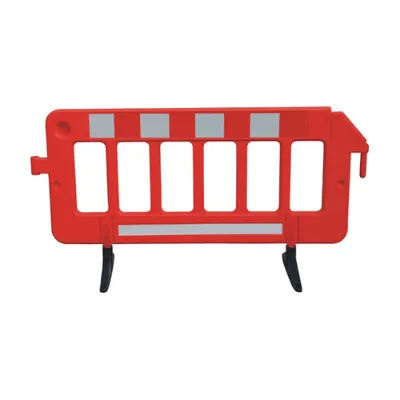


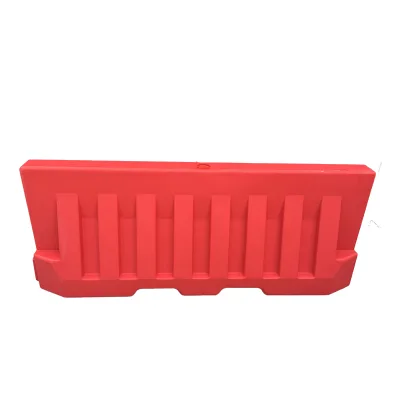
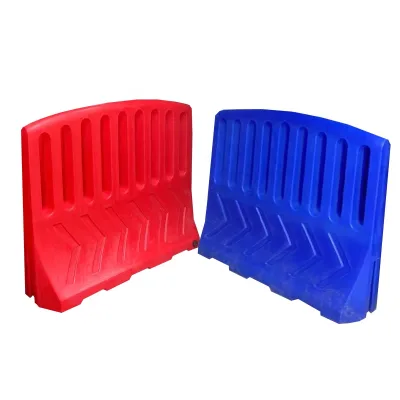
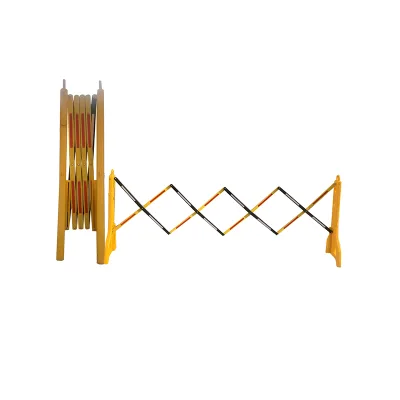
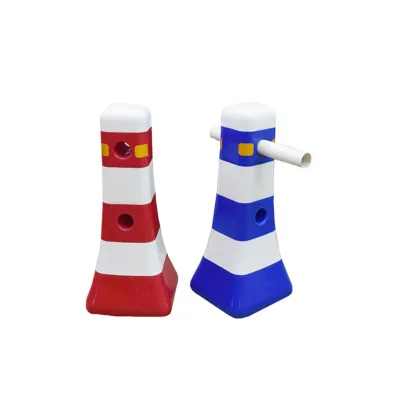
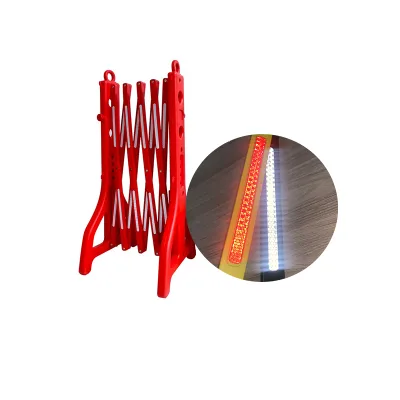
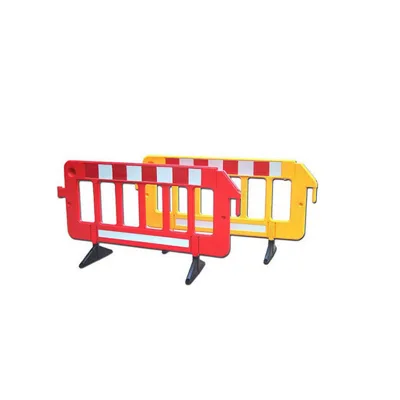

Customized Plastic Water Barrier Road Safety Plastic Traffic Barriers
$38.00 - $1000.00
MOQ: 500 Pieces


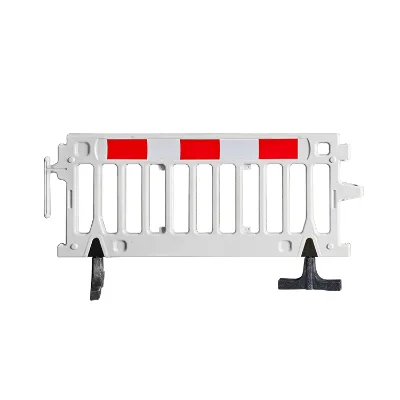
Security Fence Temporary Barrier Crowd Control Barrier Plastic Barrier Fence
$23.00 - $25.00
MOQ: 200 Pieces
Comprehensive Sourcing Guide
Security Protection Plastic Traffic Barrier Sourcing Guide
Procurement professionals must first distinguish between rigid and semi-rigid barrier types based on specific site requirements. The available market data indicates a clear split between products designed for high-impact separation and those intended for flexible obstruction. Buyers should verify whether the selected unit offers a rigid barrier classification for permanent lane division or a semi-rigid design suitable for temporary pedestrian control. This distinction dictates the structural integrity required for the intended deployment environment.
Secondary selection criteria involve the base configuration and mobility features of the unit. Some listings specify a 360-degree rubber base for stability, while others include wheel assemblies for rapid repositioning. Sourcing teams must confirm if the product includes a polymer base or an embedded type fixation method to ensure the barrier remains secure under expected traffic loads. Understanding these mechanical differences prevents the procurement of units that fail to meet the physical demands of the installation site.
Product Scope and Observed Listing Signals
The observed product range includes specific dimensions such as 1950100050mm and 20040100cm, which define the physical footprint of the barriers. Buyers must cross-reference these measurements against their site constraints to ensure proper fitment. The data also highlights a weight variance, with some units listed at 3kg, which influences handling logistics and installation labor costs. Accurate dimension verification is essential before finalizing any purchase order to avoid spatial conflicts on the ground.
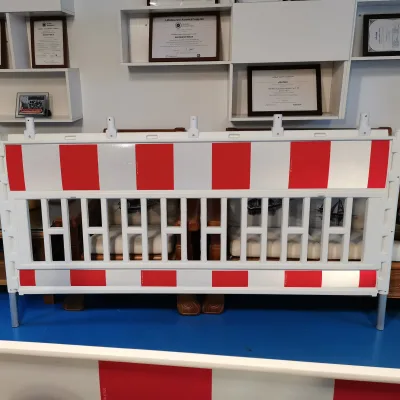
Color and branding options appear to be customizable, with observed listings featuring red, yellow, orange, and blue finishes. The presence of reflective tape in white is a critical visual signal for night-time visibility and safety compliance. Procurement teams should verify if the supplier can accommodate custom logo requests, as this adds value for corporate or municipal branding. Ensuring the color palette matches local traffic regulations is a primary step in the selection process.
Technical Specifications to Verify
Dimensional accuracy is paramount, particularly regarding the height and width of the upright posts and the barrier itself. Specifications such as an 800mm upright post height or a 560mm top width must be confirmed against the actual product samples. Buyers should request detailed engineering drawings that explicitly state the bottom width and top width to ensure the barrier provides the necessary separation or obstruction. Inconsistent dimensions can lead to gaps in traffic control or structural instability during use.
The material composition and distortion degree are equally critical technical factors that determine longevity and performance. The supply data identifies plastic as the primary material, with classifications ranging from rigid to semi-rigid distortion degrees. Procurement officers must verify the specific plastic grade used to ensure resistance to UV degradation and impact. Confirming the exact model number, such as RX-WL-15 or AC7707, helps in tracing the specific technical attributes of the unit being sourced.
Compliance and Safety Documentation
Safety compliance relies heavily on the visibility features and structural stability of the barrier units. The inclusion of reflective tape is a standard safety feature that must be verified for brightness and durability under various weather conditions. Buyers should request test reports or certification documents that confirm the barrier meets local traffic safety standards for pedestrian fences and central isolation barriers. Without documented compliance, the procurement of these units may expose the organization to liability in the event of an accident.
Documentation regarding the fixation method is also essential for ensuring the barrier remains in place during high-wind events or heavy traffic. The data mentions polymer bases and embedded types, which require specific installation protocols to function correctly. Procurement teams must ensure the supplier provides installation guides that detail the anchoring process for the chosen fixation type. Proper documentation ensures that the installed barriers perform as intended without unexpected displacement or failure.
Cost Drivers and Commercial Terms
Pricing in this sector is influenced by the complexity of the customization and the specific material composition of the barrier. The observed price range spans from 2.8 to 1000 USD, reflecting the variance between simple single-item units and complex, customized systems. Buyers should analyze the cost per unit against the total order volume to determine the most economical procurement strategy. Understanding the price drivers helps in negotiating better terms and avoiding hidden costs associated with specialized features.
Minimum Order Quantities (MOQ) and supply capabilities are significant commercial factors that affect inventory planning. The data indicates an MOQ range of 2 to 500 pieces, with a supply ability of up to 500,000 pieces per month. Procurement teams must align their order quantities with these thresholds to avoid penalties or delays. Verifying the lead time and packaging details, such as pallets or cartons, is also necessary to ensure the logistics chain can accommodate the shipment efficiently.
Supplier Qualification and Quality Control
Supplier qualification requires a thorough review of their production capacity and geographic location. The supply data points to origins in Fujian and Sichuan, China, which may impact shipping times and logistics costs. Buyers should verify the supplier's ability to maintain consistent quality across large production runs, given the high monthly supply capacity. Establishing a relationship with a supplier who has a proven track record in manufacturing plastic traffic barriers is crucial for long-term reliability.
Quality control processes must be rigorously defined to ensure every unit meets the specified technical standards. Buyers should request samples to test the weight, color consistency, and structural rigidity before committing to a large order. The presence of customization options like logo printing requires a robust quality assurance process to maintain brand integrity. Implementing a pre-shipment inspection protocol ensures that the delivered products match the agreed-upon specifications and performance expectations.
Long-Term Procurement Checks
Sustainability and durability are key considerations for long-term procurement strategies in the traffic barrier sector. Buyers should evaluate the expected lifespan of the plastic material and its resistance to environmental factors like UV exposure and temperature fluctuations. Regular inspections of the installed barriers are necessary to identify wear and tear that may compromise safety. Planning for periodic replacements ensures that the traffic control infrastructure remains effective and compliant with safety standards over time.
Supply chain resilience is another critical factor for maintaining a steady flow of traffic barriers. Procurement teams should assess the supplier's ability to handle demand spikes and potential disruptions in the manufacturing process. Diversifying the supplier base or securing backup inventory can mitigate risks associated with single-source dependency. Continuous monitoring of market trends and technological advancements in barrier design will help organizations stay ahead of evolving safety requirements.
FAQs
What are the standard dimensions for the plastic traffic barrier?
The standard size is 1950 by 1000 by 50 millimeters. The height measures 560 millimeters with a bottom width of 400 millimeters. The top width is 130 millimeters. This rigid barrier provides effective separation for traffic control applications.
Can the plastic traffic barrier be customized for specific needs?
Yes, customization is available for these plastic barriers. Buyers can request specific logos or modifications to the standard design. The product supports OEM services to meet unique project requirements. This flexibility ensures the barrier fits specific operational or branding needs.
What is the monthly supply capacity for these barriers?
The supply ability is 500,000 pieces per month. This high capacity supports large-scale procurement orders efficiently. Buyers can rely on consistent availability for major infrastructure or event projects. The manufacturer ensures steady production to meet global demand without delays.
How is the plastic traffic barrier packaged for shipping?
The barriers are packaged using normal packing methods. Some variants use pallets for secure transport, while others utilize carton packaging. This approach protects the product during transit. The packaging ensures the barriers arrive in good condition for immediate deployment at the destination site.
What colors are available for the plastic traffic barrier?
The barriers are available in red, yellow, and orange colors. Some models also feature blue options. Reflective white tape is included for enhanced visibility. These color choices help meet various safety standards and improve visibility in different lighting conditions.
Where are these plastic traffic barriers manufactured?
The products originate from Fujian and Sichuan in China. The port of dispatch is Ningbo. This location facilitates efficient export logistics for international buyers. The manufacturing base ensures quality control and reliable production schedules for global distribution channels.