Portable Manual Lifting Bollard Suppliers and Manufacturers
Compare 15 verified Portable Manual Lifting Bollard suppliers in China by location, response time, and lead time. Review product specifications like collision levels and materials before contacting factories for quotes; review the available evidence before requesting comparable quotations from suitable candidates.
Suppliers List

Chengdu Ruisijie Intelligent Technology Co., Ltd.
- Verified by BV
- Combined
- China Sichuan
- Lead time23 days
- Avg. response≤ 3h
Main productsBollard
Main marketsSoutheast Asia/ Mideast,Europe,Australia,North America


Traffic Manual Parking Bollard Flexible Bollard Removable Steel Bollard
$40.00 - $70.00
MOQ: 10 pieces

Removable Manual Lifting Bollard Portable Security Road Bollard for Temporary Access Control
$280.00 - $400.00
MOQ: 1 pieces

Manual Rising Bollard Stainless Steel Retractable Bollard with Manual Release Key
$110.00 - $150.00
MOQ: 20 pieces

High Security Bollards Lift Assisted Telescopic Bollard Manual Retractable Bollard
$100.00 - $150.00
MOQ: 20 pieces


Safeway Inspection System Limited
- Verified by SGS
- Trading Company
- China Guangdong
- Lead time15 days
- Avg. response≤ 17h
Main productsX-ray Baggage Scanner, X-ray Security Scanner, X-ray Airport Scanner, Explosive and Narcotics Trace Detector, Dangerous Liquid Detector, Passenger Car and Vehicle Scanner, Walk Through Metal Detector, Handheld Metal Detector, Security X-ray Inspection Machine
Main marketsAfrica,Others(foreignTradeCapacity.exportBusinessCapacityMarketOther),Southeast Asia/ Mideast

- Verified by BV
- Combined
- China Guangdong
- Lead time15 days
- Avg. response≤ 2h
Main productsBarrier Gate, Turnstiles Barrier, Swing Barrier/Flap Barrier, Parking Security Equipment, Face Recognition System, Advertising Barrier Gate, Road Blocker, Tire Killer, Parking Bollard, Parking Lock
Main marketsSouth America,Africa,Southeast Asia/ Mideast,East Asia(Japan/ South Korea),Europe,Australia,North America

Shenzhen Heping Century Technology Co., Ltd.
- Verified by BV
- Trading Company
- China Guangdong
- Lead time15 days
- Avg. response≤ 3h
Main productsWalk Through Metal Detector, X-ray Baggage Scanner, Hand Held Metal Detector, Under Vehicle Inspection System(Uvss), Hydraulic Rising Bollard, Hydraulic Road Blocker, Tire Killer, Gold Detector, Barrier Gate
Main marketsSoutheast Asia/ Mideast,Europe

Lift Assisted Rising Bollard Special Key Control Manual Bollard Outdoor Retractable Bollard Light
$530.00 - $580.00
MOQ: 1 Pieces


- Manufacturer/Factory
- China Guangdong
- Lead time15 days
- Avg. response≤ 17h
Main productsFull Height Turnstile, Flap Barrier Gate, Optical Swing Turnstile Gate, Parking Barrier, Speed Gate, Turnstile, Waist Height Tripod Turnstile, Access Control Turnstile, Ticketing System Turnstile, Rising Bollard
Main marketsSouth America,Eastern Europe,Mid East,North America,Southeast Asia,Eastern Asia,Oceania,Western Europe,Africa

Auto Lifting Hydraulic Rising Lift Bollard Parking Bollard Retractable Rising Bollards
$570.00 - $680.00
MOQ: 1 Pieces

Automatic Rising Parking Bollards Electrical Hydraulic Rising Bollard Retractable Bollard
$570.00 - $680.00
MOQ: 1 Pieces

$570.00 - $680.00
MOQ: 1 Pieces

Security Grade Bollard Remote Control Bollard up and Down Warehouse Anti-Theft Metal Bollards
$300.00 - $600.00
MOQ: 1 Pieces

Security Electric Hydraulic Rising Bollard, Automatic Hydraulic Rising Bollard Customized
$570.00 - $680.00
MOQ: 1 Pieces

$500.00 - $680.00
MOQ: 1 Pieces

Jinhua Dason Engine & Electrical Co., Ltd.
- Manufacturer/Factory
- China Zhejiang
- Lead time30 days
- Avg. response≤ 10h
Main productsBollard, Parki Lot, Speed Bump, Expandable Barrier, Bike Rack, Icf Brace, Automatic Bollards, Automatic Parking Lock, Stair Tread, Road Stud
Main marketsSouth America,Eastern Europe,Mid East,North America,Southeast Asia,Eastern Asia,Oceania,Western Europe,Africa

- Verified by BV
- Trading Company,Manufacturer/Factory
- China Jiangsu
- Lead time23 days
- Avg. response≤ 9h
Main productsTraffic Convex Mirrors, Car Wheel Locks, Pile Driver Machine, LED Strip Light, Traffic Cone, Warning Post, Road Marking Machine, LED Neon Light, LED Module Light, Traffic Warning Signal Light
Main marketsSouth America,Eastern Europe,Mid East,North America,Southeast Asia,Eastern Asia,Africa


Stainless Steel Hydraulic Automatic Control Bollard with Lifting Column
$485.00 - $685.00
MOQ: 10 Pieces

Hebei And Metals & Minerals Co., Ltd.
- Trading Company,Manufacturer/Factory,Group Corporation
- China Hebei
- Lead time30 days
- Avg. response≤ 17h
Main productsBuilding Materials, Decoration Materials, Aluminum Die Castings, Rubber Sheetings, Plastic Products, Cast Ironb Manhole Covers, Iron Catings, Polyurethane Sheet, Cast Iron Surface Box, Stampings
Main marketsSouth America,Eastern Europe,Mid East,North America,Southeast Asia,Eastern Asia,Oceania,Western Europe,Africa

- Combined
- China Shanxi
- Lead time30 days
- Avg. response≤ 7h
Main productsCasting, Forging, Ductile Iron Pipes, Ductile Iron Pipe Fittings, Manhole Covers, Street Furniture, Gate Valves, Flanges, Aluminum Castings, Aluminum Die Castings
Main marketsSouth America,Africa,Southeast Asia/ Mideast,Europe,Australia,North America

Syi Common Type Semi-Automatic Manual Lifting Carbon Steel Embedded Drum Bollards
$320.00 - $330.00
MOQ: 3 Pieces

Wholesale Semi-Automatic Hydraulic Rising Security Bollards Manual Retractable Steel Bollard
$320.00 - $330.00
MOQ: 3 Pieces

Syi Upgraded Type Semi-Automatic Manual Lifting SS304 Stainless Steel Bollards
$420.00 - $430.00
MOQ: 3 Pieces

Keygon Industrial Group Co., Ltd.
- Verified by TUVRHEINLAND
- Combined
- China Guangdong
- Lead time30 days
- Avg. response≤ 1h
Main productsLicense Plate Recognition System, RFID Card Parking System, Turnstile, Car Parking System, Bollard, Ticket System, Cantilever Sliding Gate, Parking Payment Machine, Sliding Gate, Retractable Gate
Main marketsSoutheast Asia/ Mideast,Domestic,North America

Foshan Jinjianye Electric Door Co., Ltd.
- Verified by CTI
- Combined
- China Guangdong
- Lead time15 days
- Avg. response≤ 1h
Main productsRolling Shutter, Retractable Sliding Gate, Turnstile, Sliding Gate, Barrier Gate, Pedestrian Gate, Cantilever Sliding Gate, Segment Sliding Gate, Bollard
Main marketsDomestic


Premium Steel Bollard with Automatic Lifting Column for Custom Solutions
$300.00 - $500.00
MOQ: 1 Pieces

- Verified by TUVRHEINLAND
- Combined
- China Guangdong
- Lead time30 days
- Avg. response≤ 3h
Main productsSwing Gate, Barrier Gate, Parking System, Swing Gate Motor, Swing Gate Turnstile, Swing Barrier Gate, Swing Gate Controller, Automatic Swing Gate, Tripod Turnstile
Main marketsSouth America,Southeast Asia/ Mideast,Domestic,Europe,Australia,North America
Xiamen Jietian Technology Co., Ltd.
- Verified by TüVRheinland
- Manufacturer, Trading Company
- Lead time15 days
- Avg. response≤ 1h
Main productsBollard, Road Blocker, Tyre Killer
Main marketsDomestic Market(96%), Southeast Asia(2%), North America(1%)
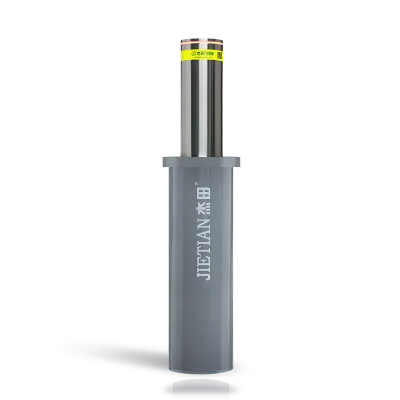
Heavy Duty Semi Automatic Bollard Manual Lifting Column Semi-automatic Lifting Columns
$338.00 - $498.00
MOQ: 1 units
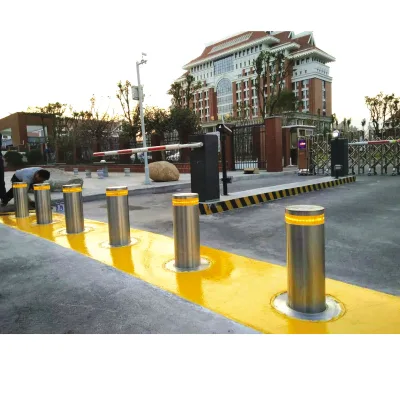
$389.00 - $459.00
MOQ: 10 units
Shenzhen Elefine Technology Co., Ltd.
- Verified by SGS Group
- Manufacturer, Trading Company
- Lead time3 days
- Avg. response≤ 6h
Main productsBoom Barrier and Mechanism/, Turnstile and Mechanism/, Camera/Security Locks/, Transportation Facility/, EAS System
Main marketsWestern Europe(22%), South Asia(20%), North America(18%)

Hangzhou Safedoor Automation & Hardware Co., Ltd.
- Verified by TUVRHEINLAND
- Trading Company
- China Zhejiang
- Lead time15 days
- Avg. response≤ 14h
Main productsAutomatic Door, Door Opener, Automatic Door Operator, Sliding Door Operator, Swing Door Operator, Microwave Sensor and Photocell, Access Control Reader, Electric Locks, Automatic Door Battery, Glass Door
Main marketsOthers(foreignTradeCapacity.exportBusinessCapacityMarketOther),Southeast Asia/ Mideast




Comprehensive Sourcing Guide
Portable Manual Lifting Bollard Supplier Concentration and Factory Types
Current data indicates a concentration of manufacturers in Sichuan, China, where combined companies produce specific models like the LB-104 and RICJ-LB101-E. These suppliers often list main products as safety bollards and traffic barriers, with some offering ODM and OEM capabilities alongside their own brands. The presence of these combined entities suggests a manufacturing ecosystem capable of handling both rigid and flexible barrier designs, such as the manual lifting bollards found in the product evidence. Buyers should note that while Sichuan is a verified location for these specific items, the broader market may include other regions not explicitly detailed in the current results.
In contrast, suppliers located in Guangdong, China, appear to operate primarily as trading companies rather than direct manufacturers. These entities often list a broader range of security equipment, including X-ray scanners and metal detectors, alongside manual rising bollards like the AT8200 model. The distinction between a combined factory and a trading company is critical, as trading companies may source from various factories, potentially affecting lead times and customization flexibility. Buyers evaluating the Portable Manual Lifting Bollard category must distinguish between these company types to understand the supply chain depth and the potential for direct factory communication versus intermediary management.
How to Verify Portable Manual Lifting Bollard Suppliers
Verification status is a primary indicator of supplier reliability, with current results showing specific suppliers holding BV or SGS verification badges. A BV verification suggests that the company has undergone a specific business verification process, while SGS verification indicates third-party inspection capabilities. Buyers should prioritize suppliers displaying these credentials, as they provide a layer of assurance regarding the company's legal existence and operational capacity. However, verification alone does not guarantee product quality, so it must be combined with other due diligence steps to ensure the supplier can meet specific project requirements for portable manual lifting bollards.
System certifications such as ISO9001:2015 are also available in the current data, serving as evidence of a supplier's commitment to quality management systems. Some product listings further indicate compliance with specific standards like CE and EMC, which are essential for safety-critical infrastructure products. Buyers must request copies of these certificates to confirm they are current and applicable to the specific bollard models being sourced. Additionally, checking the response time, which varies from 2.58 to 17.00 hours in the data, can help assess the supplier's operational efficiency and readiness to address technical queries regarding the manual lifting mechanisms and installation requirements.
What to Compare Across Portable Manual Lifting Bollard Suppliers
When comparing suppliers, lead time is a critical metric, with observed ranges spanning from 15 to 23 days depending on the manufacturer and order volume. A shorter lead time, such as 15 days, may indicate a more agile production line or existing inventory, whereas a 23-day window suggests a longer manufacturing cycle. Buyers should align these timelines with their project schedules, ensuring that the production capacity can accommodate urgent delivery needs without compromising the quality of the manual lifting bollards. It is essential to verify if these lead times include packaging and shipping or if they represent factory gate-to-gate duration only.
Minimum Order Quantity (MOQ) and pricing structures also vary significantly across the supplier pool, influencing the total cost of ownership. Some suppliers offer an MOQ of just one piece for high-security models, while others require a minimum of 10 or 20 units for standard steel bollards. Price ranges observed in the data extend from approximately $20 to $5,000 per unit, reflecting differences in material, such as carbon steel versus stainless steel, and functional complexity like manual release keys versus hydraulic systems. Buyers must calculate the unit cost based on their specific volume requirements to determine the most economical option without sacrificing the necessary durability or security features for their intended application.
Common Portable Manual Lifting Bollard Sourcing Risks
One significant risk involves the discrepancy between product descriptions and actual manufacturing capabilities, particularly regarding customization. While many listings state that customization is available for color, design, and function, the actual implementation depends on the supplier's ODM capacity. Buyers face the risk of receiving standard products that do not meet specific site requirements if the supplier lacks the necessary tooling or engineering expertise. It is vital to confirm the extent of customization before placing an order, ensuring that the supplier can deliver the exact specifications for the Portable Manual Lifting Bollard, such as specific heights or locking mechanisms.
Another risk pertains to the material quality and structural integrity, especially for bollards intended for high-security applications. The data mentions materials ranging from carbon steel to 304 or 316 stainless steel, with varying thicknesses and collision levels like K4, K8, or K12. Without independent testing or clear certification of these material grades, buyers risk purchasing bollards that may fail under impact or corrosion. The distinction between rigid and flexible barriers is also crucial; a supplier claiming a flexible barrier might deliver a product that behaves differently under stress than a rigid one. Buyers must verify these technical attributes through sample testing or third-party inspection reports to mitigate the risk of performance failure.
Portable Manual Lifting Bollard Regional Sourcing and Logistics
Sourcing from Sichuan, China, offers access to specialized manufacturers of steel bollards, but buyers must account for inland logistics costs and transit times. Products originating from this region may require different shipping routes compared to those from coastal hubs like Guangdong, potentially affecting the overall delivery schedule. The location of the factory influences the choice of freight forwarders and the complexity of customs clearance, especially for heavy items like steel bollards. Buyers should request detailed shipping terms to understand who bears the cost and risk during transit, ensuring that the logistics plan aligns with the project timeline and budget constraints.
For suppliers in Guangdong, the proximity to major ports often facilitates faster and more cost-effective international shipping. These trading companies may offer consolidated shipping options, which can be beneficial for buyers sourcing multiple security products alongside the portable manual lifting bollards. However, the trading company model might introduce additional layers of communication and potential delays in resolving logistical issues. Buyers should clarify the Incoterms and verify the packing standards, such as wooden crates mentioned in the data, to ensure the bollards arrive without damage. Understanding the regional logistics landscape helps in selecting a supplier that can deliver the products efficiently to the final destination.
Portable Manual Lifting Bollard Commercial Terms and Order Planning
Commercial terms regarding payment and escrow are essential for securing the transaction, especially when dealing with international suppliers. While the current data does not specify exact payment percentages, the presence of escrow services is a standard safety measure for B2B transactions. Buyers should insist on using secure payment platforms that hold funds until the goods are verified, protecting against non-delivery or quality disputes. The response time of the supplier, ranging from under 3 hours to over 17 hours, can also impact the speed of negotiating these terms and finalizing the order details.
Order planning must account for the specific product attributes and model numbers to avoid confusion during the procurement process. With models like LB-104, RICJ-LB101-E, and AT8200, each having distinct features such as weight, dimensions, and operating mechanisms, precise specification is necessary. Buyers should create a detailed purchase order that references the exact product model, material grade, and any custom requirements to ensure the supplier delivers the correct item. Additionally, planning for the lead time and potential delays is crucial, as the production cycle can vary based on the complexity of the manual lifting mechanism and the current order volume at the factory.
FAQs
What is the price range for manual lifting bollards?
Manual lifting bollards typically range from $20 to $400 per unit depending on material and features. Basic steel models start around $20, while stainless steel options cost between $110 and $150. High-security telescopic versions can reach up to $400. Prices vary based on customization and order volume.
What is the minimum order quantity for these bollards?
Minimum order quantities vary by product type. Standard removable bollards often require a minimum of 10 units. Some specific models like rising bollards have an MOQ of just 1 piece. Stainless steel retractable bollards may require a minimum of 20 pieces. Buyers should check specific product listings for exact requirements.
How long does delivery take for manual bollards?
Lead times for manual bollards generally range from 15 to 23 days. Suppliers in China report production times within this window. Response times for inquiries can vary, with some suppliers responding within 2.58 hours and others taking up to 17 hours. Buyers should confirm specific delivery schedules with suppliers before ordering.
Are these bollards customizable for specific projects?
Yes, most manual lifting bollards offer customization options. Suppliers provide OEM and ODM services for dimensions, colors, and designs. Materials can include carbon steel or 304/316 stainless steel. Heights and thicknesses are often supportable for customization. Buyers can request tailored services for color, design, and function to meet specific project needs.
What certifications do these bollard suppliers hold?
Suppliers often hold ISO9001:2015 system certifications for quality management. Some products carry CE and EMC certificates, particularly for electronic or stainless steel models. Verification services like BV and SGS are also common among suppliers. Buyers should verify specific certifications for their required standards and product types when sourcing.
Where are these bollard manufacturers located?
Manufacturers are primarily located in China, specifically in Sichuan and Guangdong provinces. Sichuan suppliers focus on steel bollards, while Guangdong suppliers may offer a broader range of security equipment. Buyers can filter suppliers by these locations to find manufacturers closest to their logistics preferences or specific regional requirements.