Source Shoe Light Accessories for Sneakers, Running, and Canvas
Compare 30 verified listings for Shoe Light accessories suitable for sneakers, running shoes, and canvas footwear. Buyers can evaluate features like USB connectivity, eco-friendly materials, and reflective designs across multiple suppliers; compare the available evidence and request quotations based on your requirements.
Updated
Key considerations
Products List


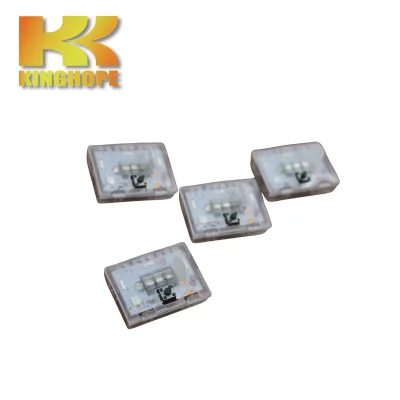
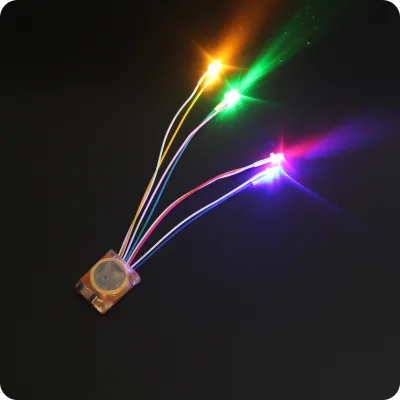
Battery Operated LED Lights for Shoe Accessories 3 Colors Flashing LED Shoe Light
$0.0933 - $0.1348
MOQ: 1000 pairs
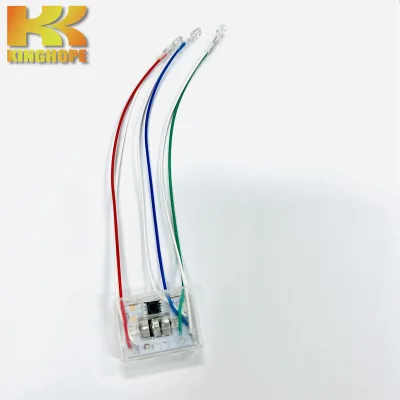
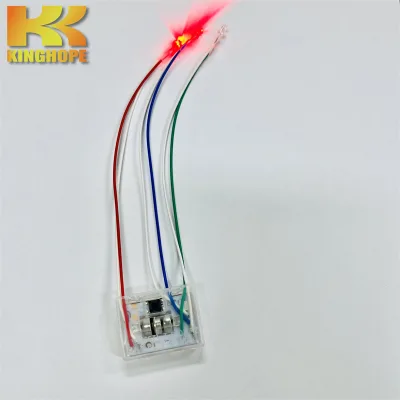
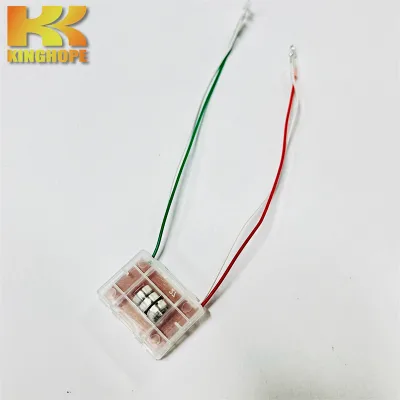
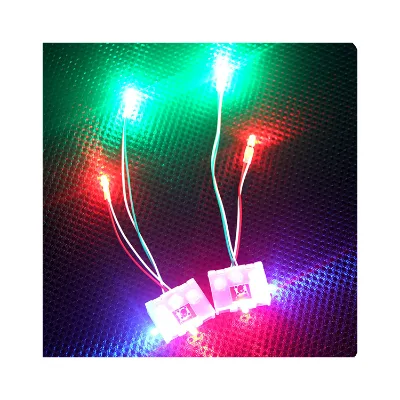
LED Shoe Lights | Rechargeable Shoe Clip Lights | Night Running Safety Accessories
$0.10 - $0.14
MOQ: 10000 pairs
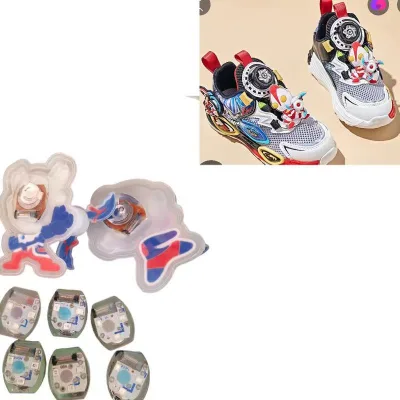
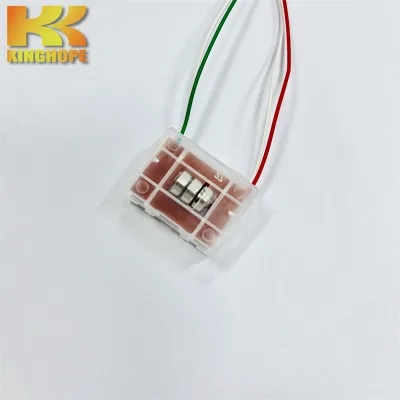
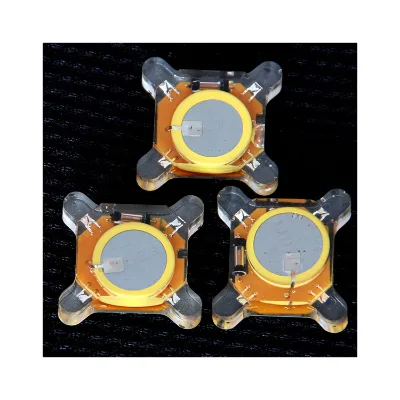
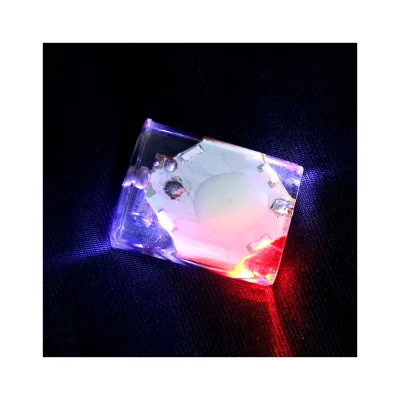
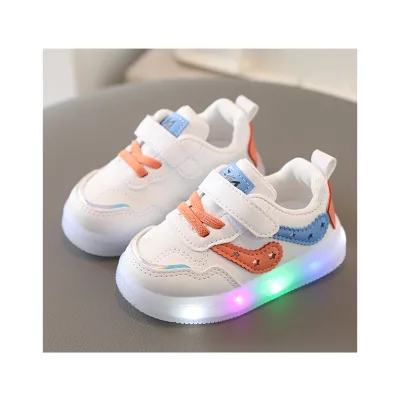


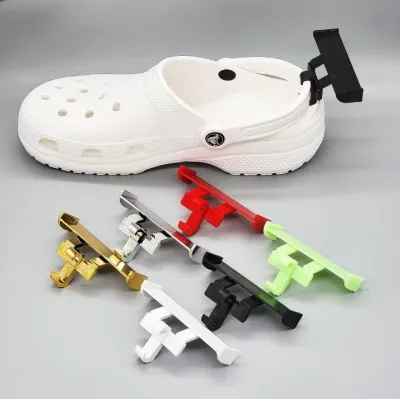


Shoe Accessories Nylon Light-up Shoelaces USB Charging Creative Gift LED Light Shoelace
$3.58 - $4.06
MOQ: 100 Pieces
Comprehensive Sourcing Guide
Shoe Light Sourcing Guide
Sourcing illuminated footwear components requires a disciplined approach to balancing aesthetic appeal with functional reliability. Buyers must navigate a market where "Shoe Light" often refers to LED accessories, reflective trims, or integrated lighting systems for sports and casual wear. The primary challenge lies in distinguishing between simple reflective decorations and active electronic lighting modules, as their supply chains, quality controls, and regulatory requirements differ significantly. Understanding these distinctions is the first step in defining a precise procurement specification that aligns with your brand’s safety and style goals.
This guide focuses on verifying the technical integrity and commercial viability of shoe lighting products based on observed market data. We examine the specific attributes found in current listings, such as material composition, customization options, and packaging standards. By adhering to these evidence-based insights, procurement teams can mitigate risks associated with inconsistent product performance and ensure that selected suppliers meet the rigorous demands of global footwear manufacturing. The following sections provide a structured framework for evaluating potential suppliers and products.
Product Scope and Observed Listing Signals
Current market listings reveal a diverse range of products categorized under shoe lighting and related accessories. Observed items include plastic-based decorations with USB charging capabilities, fabric trims, and rubber-based safety features. These products vary widely in their intended application, ranging from universal sneaker decorations to specific running shoe enhancements. The presence of features like "Eco-Friendly" and "Reflective" materials suggests a market trend toward safety-conscious and sustainable design, while the "Sport" style indicates a focus on active wear segments. Buyers should note that these attributes are observed in specific listings and may not apply to all potential suppliers.
The observed product models, such as BT-C-091711 and BT-Y-1018-03, highlight the importance of verifying specific model numbers against supplier catalogs. Packaging details, including export box weights of 10kg to 11kg and packing methods like 0PP bags or cartons, provide critical logistical data for freight planning. Additionally, the availability of customization options and silkscreen logo types indicates that many suppliers offer OEM services. However, buyers must confirm whether these customization capabilities extend to electronic components or are limited to decorative elements, as this distinction impacts tooling costs and minimum order quantities.
Technical Specifications to Verify
Technical verification begins with confirming the physical dimensions and material composition of the Shoe Light components. Listings indicate standard sizes such as 48289mm for plastic items and 1001cm for fabric trims, while rubber-based products may have dimensions like 9060*33MM. Buyers must ensure that these specifications match their footwear designs, particularly for insole boards or upper ornaments where precise fit is crucial. The material types observed, including plastic, fabric, and rubber, each present different durability and aesthetic challenges that must be evaluated against the end-use environment of the shoes.
Electrical and functional specifications are equally critical for products featuring USB or reflective properties. For items like the Rhinestone Rope Trimming or LED decorations, buyers should verify power source requirements, battery life, and water resistance ratings. The observed model BT-Y-1108-02 with a diameter of 2.88mm suggests small-scale components that may require specialized installation techniques. Additionally, the "Single Color" and "Pure" color options indicate limited aesthetic variability in some listings, so buyers should request samples to confirm color consistency and brightness levels before committing to large orders.
Compliance and Safety Documentation
Safety compliance is paramount for shoe lighting products, especially those intended for children or sports use. Buyers must verify that suppliers provide documentation confirming adherence to relevant safety standards for electrical components and materials. For products marketed as "Sports Safety" features, such as reflective trims, compliance with visibility standards is essential to ensure they meet regulatory requirements in target markets. The absence of specific certification names in observed listings underscores the need for buyers to actively request and validate these documents from suppliers.
Environmental and material safety regulations also play a significant role in procurement decisions. Products labeled as "Eco-Friendly" require verification of the specific environmental claims, such as the use of recycled materials or non-toxic dyes. Buyers should ensure that suppliers can provide material safety data sheets (MSDS) and compliance certificates for plastics, rubbers, and fabrics used in the products. This due diligence helps mitigate risks associated with chemical restrictions and ensures that the final footwear products meet global environmental standards, protecting the brand from potential regulatory penalties.
Cost Drivers and Commercial Terms
Cost structures for shoe lighting products are influenced by material choices, customization levels, and order volumes. The observed price range of 0.03-4.06 USD suggests a wide variance based on product complexity, with simple reflective trims likely at the lower end and USB-enabled electronic components at the higher end. Buyers should analyze how factors like logo printing, packaging customization, and material quality impact the unit price. Understanding these cost drivers allows for more accurate budgeting and negotiation strategies when engaging with multiple suppliers.
Minimum order quantities (MOQs) observed in the market range from 100 to 10,000 units, reflecting the flexibility of different suppliers. Lower MOQs may be suitable for testing new designs or small batch productions, while higher MOQs often offer better unit pricing for established product lines. Buyers should also consider the impact of export packing weights, which range from 10kg to 11kg per box, on shipping costs. Negotiating clear commercial terms, including payment methods and delivery schedules, is essential to manage cash flow and ensure timely receipt of goods.
Supplier Qualification and Quality Control
Supplier qualification requires a thorough assessment of manufacturing capabilities and quality control processes. Buyers should verify the supplier’s experience in producing and exporting shoe accessories, as indicated by observed data showing up to 35 years of production experience and 12 years of export experience. This historical data can be a strong indicator of reliability and expertise, but it must be complemented by on-site audits or third-party inspections to confirm current operational standards. Evaluating the supplier’s ability to handle customization requests, such as silkscreen logos and specific packing requirements, is also crucial.
Quality control measures should be explicitly defined in the purchase agreement to ensure consistent product performance. Buyers must establish clear acceptance criteria for defects, such as broken LEDs, uneven coloring, or material imperfections. Implementing pre-shipment inspections is recommended to verify that the products meet the agreed-upon specifications before they leave the factory. Additionally, suppliers should provide a warranty or replacement policy for defective items, ensuring that any quality issues are addressed promptly without disrupting the supply chain.
Long-Term Procurement Checks
Long-term procurement success depends on continuous monitoring of supplier performance and market trends. Buyers should regularly review supplier delivery times, product quality consistency, and responsiveness to issues. Establishing a scorecard system to track these metrics can help identify underperforming suppliers and facilitate data-driven decisions regarding contract renewals or supplier changes. Additionally, staying informed about emerging technologies in shoe lighting, such as more efficient LED systems or sustainable materials, can provide a competitive advantage.
Building strong relationships with suppliers through clear communication and fair negotiation practices is essential for long-term collaboration. Buyers should engage in regular business reviews to discuss future needs, potential product improvements, and market feedback. This proactive approach fosters trust and encourages suppliers to prioritize your orders and offer better terms. By maintaining a flexible and informed procurement strategy, buyers can adapt to market changes and ensure a steady supply of high-quality shoe lighting products.
FAQs
What materials are used for Shoe Light decorations?
The product page lists Plastic, Fabric, and Rubber as the primary materials for these shoe decorations. These materials are selected for durability and flexibility, ensuring the accessories remain secure on various footwear types while providing the necessary structural integrity for embedded light components or reflective features.
Can these shoe lights be customized with a logo?
Yes, customization is available for these shoe decorations. The listed logo type is Silkscreen, allowing buyers to apply their branding directly to the product. This feature supports brand visibility for corporate gifts or promotional events, ensuring the final product aligns with specific marketing requirements and design preferences.
What is the minimum order quantity for these items?
The observed minimum order quantity ranges from 100 to 10,000 units depending on the specific model. Buyers should check the individual product specifications for exact MOQ requirements. This flexibility allows both small-scale testers and large-volume purchasers to find suitable options that match their inventory needs and budget constraints.
Which shoe types are suitable for these decorations?
These decorations are suitable for Sneakers, Canvas Shoes, Running Shoes, and Cloth Shoes. The universal design ensures compatibility with various footwear styles. This versatility makes them ideal for general-purpose use, allowing buyers to target a broad audience including babies, children, and adults who wear these specific shoe categories.
What are the standard dimensions for these shoe accessories?
Standard dimensions vary by model, with observed sizes including 48*28*9mm, 100*1cm, and 90*60*33mm. Some items have a diameter of 2.88mm or a length of 80cm. Buyers must verify the specific model number to ensure the physical dimensions match their intended application and aesthetic requirements for the footwear.
Where are these Shoe Light products manufactured?
The products originate from China, with specific mentions of Fujian as a place of origin. This location indicates the manufacturing hub for these items. Buyers sourcing from this region should consider logistics and lead times associated with exports from China when planning their supply chain and delivery schedules for bulk orders.