Shoe Light Suppliers and Manufacturers in China
Source 20 verified Shoe Light suppliers from Guangdong, China. Compare key dimensions including lead times, MOQs, and response rates to identify suitable partners. Review product specifications and pricing to streamline your procurement process; review the available evidence before requesting comparable quotations from suitable candidates.
Updated
Suppliers List

- Combined
- China Guangdong
- Lead time23 days
- Avg. response≤ 4h
Main productsPromotion Gift, Toy, Flashing Item, Free Gift, Business Gift, Novelty
Main marketsAfrica,Europe,North America

- Manufacturer
- Guangdong, China
- Lead time15 days
- Avg. response≤ 2h
Main productsLED Furniture,Led Bracelet,Led PVC Ball,Stick Light,Led Cube
Main marketsWestern Europe(35.00%), North America(20.00%), Domestic Market(10.00%), Eastern Asia(5.00%), Mid East(5.00%), South Asia(5.00%), Southern Europe(5.00%), South America(5.00%), Africa(3.00%), Southeast Asia(3.00%), Eastern Europe(1.00%), Oceania(1.00%), Central America(1.00%), Northern Europe(1.00%)

Kinghope Imp.&Exp. Trade Co., Ltd.
- Manufacturer, Trading Company
- Fujian, China
- Lead time10 days
- Avg. response≤ 6h
Main productsShoes Material,Apparel Accessories,PU Leather,Shoes,Chemical
Main marketsSouth America(22.00%), Domestic Market(20.00%), Africa(16.00%), Central America(15.00%), Mid East(10.00%), Southeast Asia(8.00%), Eastern Asia(2.00%), North America(2.00%), Southern Europe(1.00%), Eastern Europe(1.00%), South Asia(1.00%), Western Europe(1.00%), Northern Europe(0.50%), Oceania(0.50%)
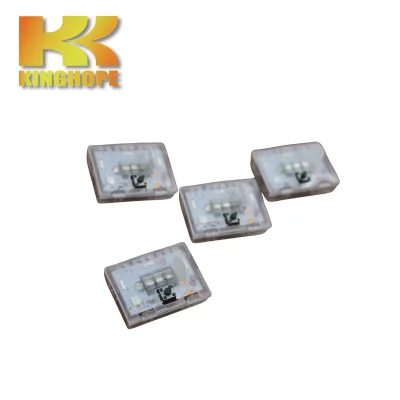
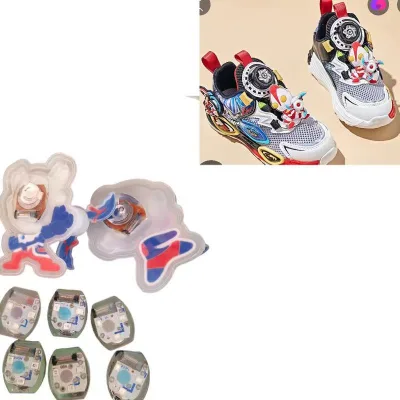
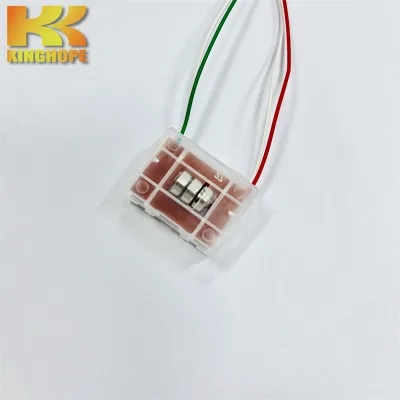
Battery Operated LED Lights for Shoe Accessories 3 Colors Flashing LED Shoe Light
$0.0933 - $0.1348
MOQ: 1000 pairs
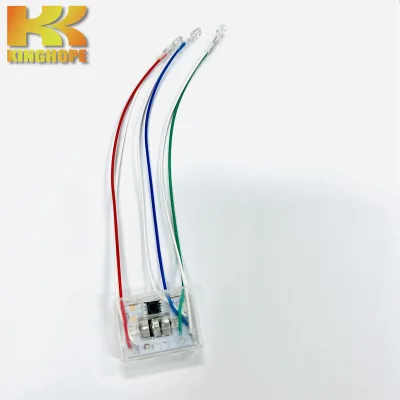
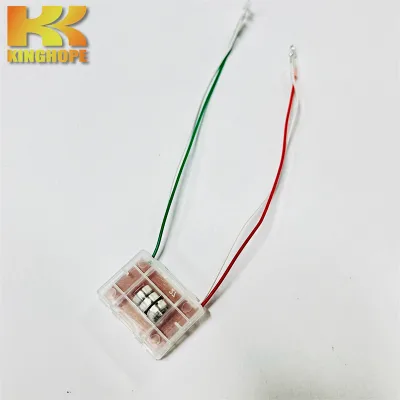
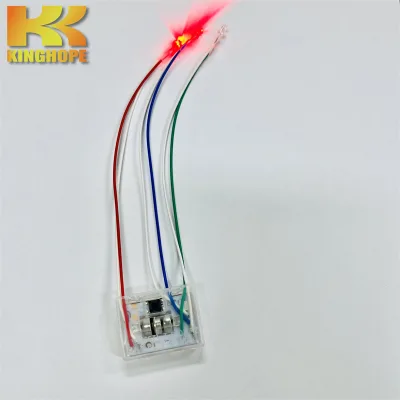
LED Shoe Lights | Rechargeable Shoe Clip Lights | Night Running Safety Accessories
$0.10 - $0.14
MOQ: 10000 pairs

Quanzhou Hengde Electronic Co., Ltd.
- Manufacturer
- Fujian, China
- Lead time15 days
- Avg. response≤ 14h
Main productsshoe light,clothes light,bag lights,toy lights,cups light
Main marketsSouth America(30.00%), Southeast Asia(20.00%), Western Europe(15.00%), North America(10.00%), Domestic Market(10.00%), Eastern Asia(10.00%), Southern Europe(5.00%)
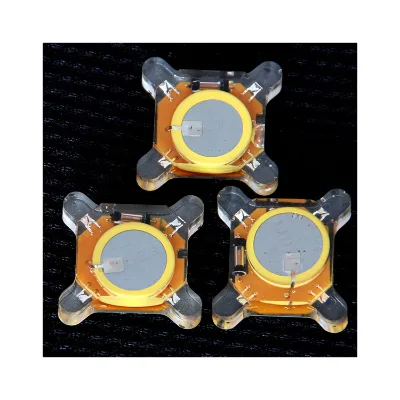
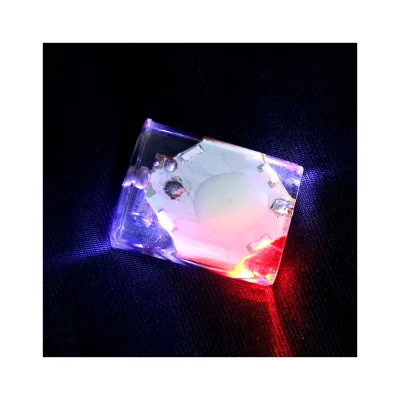
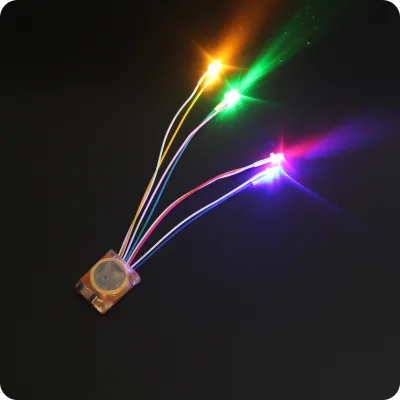
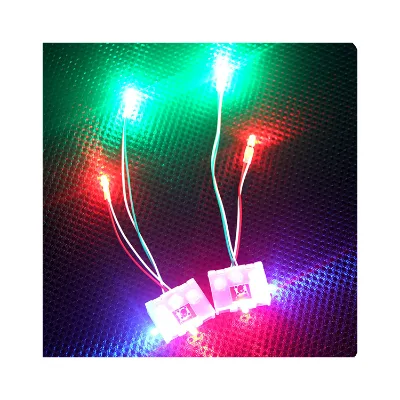
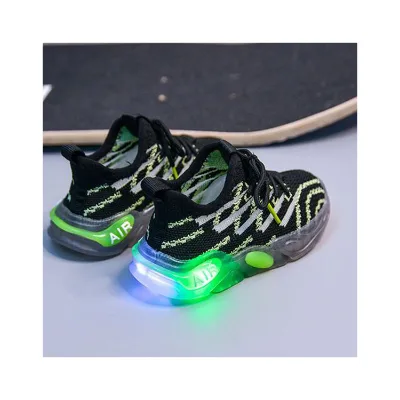
Oem New Product Diverse Colors Lights Adults Shoe Clip Cool Running Shoes Light
$0.23 - $0.24
MOQ: 500

Shanghai Lanyou Lighting Co., Ltd.
- Verified by CTI
- Trading Company
- China Anhui
- Lead time15 days
- Avg. response≤ 6h
Main productsLED Channel Letters, Acrylic Signs, Metal Sign Letters, Wayfinding Signs, Outdoor Signage
Main marketsSouth America,Africa,Southeast Asia/ Mideast,East Asia(Japan/ South Korea),Europe,Australia,North America


Luminous Safety LED Shoe Clip Light Waterproof Warning Sports Running Light Flashing LED Light Night
$0.55 - $0.85
MOQ: 500 Pieces


$0.55 - $0.85
MOQ: 500 Pieces

Green Lantern Optoelectronic Light Factory
- Trading Company
- Lead time旺季: "1000 - 5000000":7,"> 5000000":"To be negotiated", 淡季: "1000 - 5000000":7,"> 5000000":"To be negotiated"
- Avg. response≤ 7h
Main productsLED strip light,LED Neon Flex,LED Controller,holiday light,led grow light
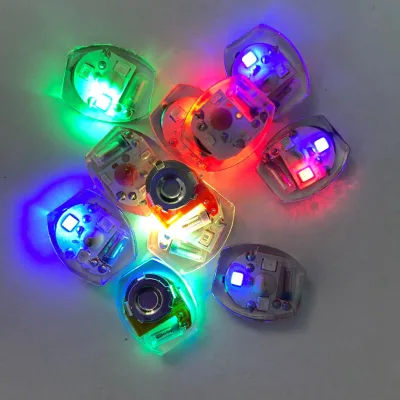
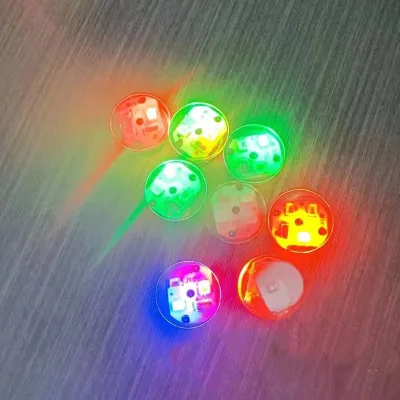
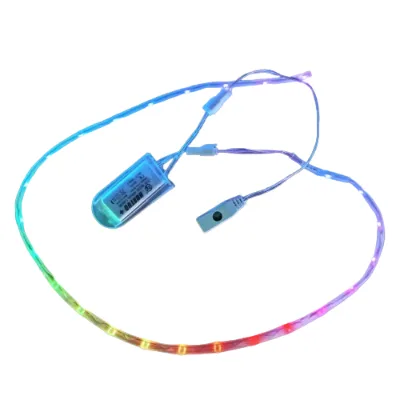
Digital Addressable USB Rechargeable Battery Powered RGB Magic Color LED Shoe Light Shoes LED Strip
$3.50 - $6.00
MOQ: 10 pairs
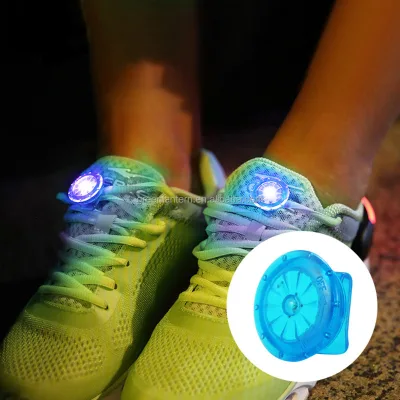
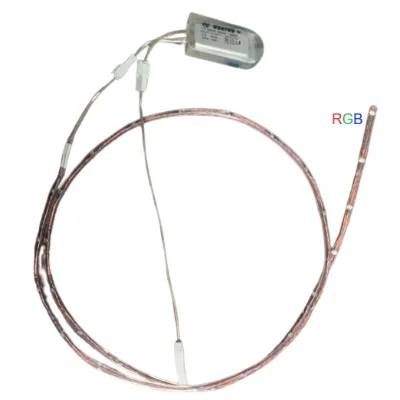

- Verified by SGS
- Trading Company
- China Zhejiang
- Lead time15 days
- Avg. response≤ 14h
Main productsTents, BBQ Grill, Folding Table and Chair, Cooler Bag, Outdoor Lamp, Beach Mat, Picnic Blanket, Sleeping Bag, Water Bottle, Hammock
Main marketsEurope,Australia

Shoe Accessories Nylon Light-up Shoelaces USB Charging Creative Gift LED Light Shoelace
$3.58 - $4.06
MOQ: 100 Pieces

Wholesale Novelty Multicolor Shoe Accessories Decorative Gift Lace LED Light Nylon Shoelaces
$1.72 - $1.96
MOQ: 100 Pieces

Anhui Xianwei E-Commerce Co., Ltd
- Verified by TUVRHEINLAND
- Manufacturer/Factory
- China Anhui
- Lead time0 days
- Avg. response≤ 6h
Main productsLamp, Cup, Tent
Main marketsSouth America,Eastern Europe,Mid East,North America,Southeast Asia,Eastern Asia,Oceania,Western Europe,Africa

$0.29 - $0.65
MOQ: 100 Pieces

$0.29 - $0.69
MOQ: 100 Pieces

$0.29 - $0.75
MOQ: 100 Pieces

$0.29 - $0.78
MOQ: 100 Pieces


- Verified by BV
- Manufacturer/Factory
- China Fujian
- Lead time15 days
- Avg. response≤ 25h
Main productsWater Bottle, Kitchen Ware, Shoes, Plastic Product, Bag, Toy
Main marketsSouth America,Eastern Europe,Mid East,North America,Southeast Asia,Eastern Asia,Oceania,Western Europe,Africa

- Verified by BV
- Manufacturer/Factory
- China Guangdong
- Lead time15 days
- Avg. response≤ 6h
Main productsOutdoor and Indoor Lighting, Bar Lights, Festival Lights, Pet Products, Kid Toys
Main marketsSouth America,Eastern Europe,Mid East,North America,Southeast Asia,Eastern Asia,Oceania,Western Europe,Africa


2025 LED Sport Shoe Laces Luminous Shoelaces Glow Flash Light LED Shoelace
$0.60 - $1.80
MOQ: 100 Pieces

Shenzhen Xingdelong Technology Limited
- Manufacturer, Distributor/Wholesaler
- Guangdong, China
- Lead time15 days
- Avg. response≤ 3h
Main productsLED gift,LED pharmacy cross Display,LED car sign,LED sign,led license frame
Main marketsNorth America(50.00%), Western Europe(20.00%), South America(10.00%), Mid East(5.00%), Oceania(5.00%), Africa(5.00%), Eastern Asia(4.00%), Eastern Europe(1.00%)
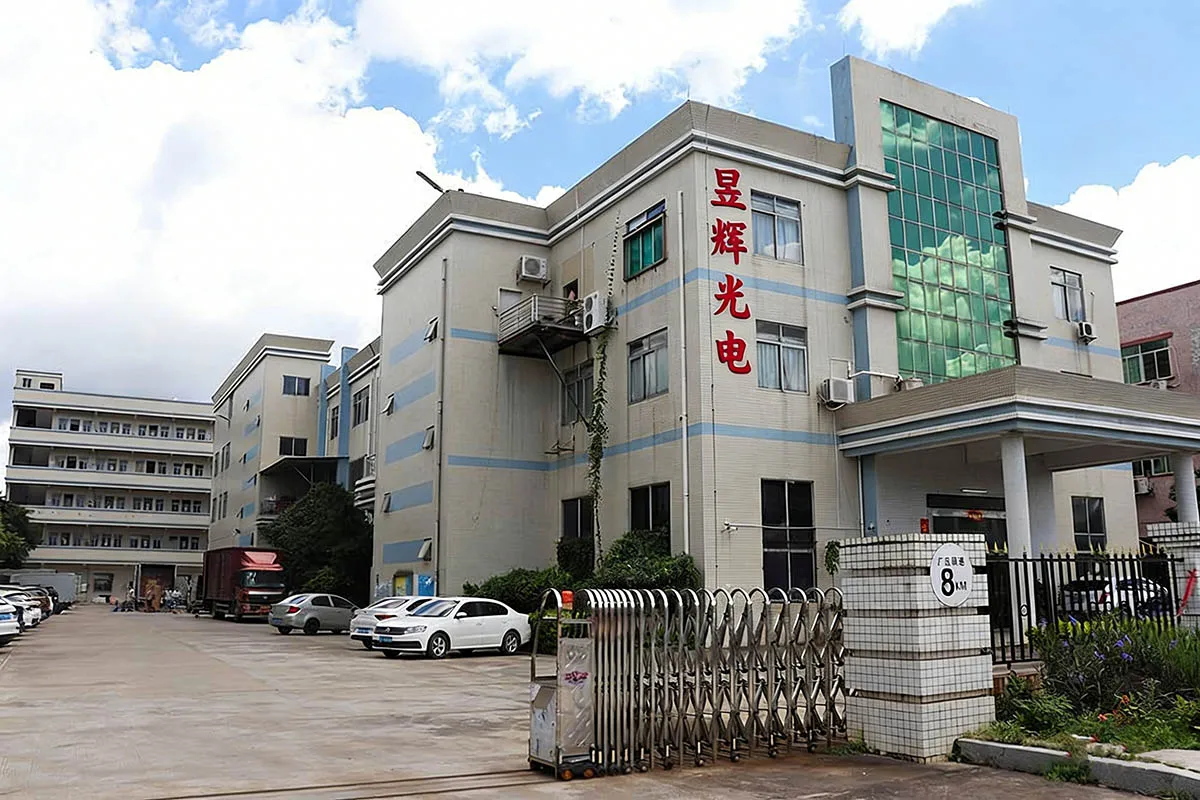
Wuyishan Yhint Photoelectric Technology Co., Ltd.
- Manufacturer, Trading Company
- Fujian, China
- Lead time30 days
- Avg. response≤ 6h
Main productsHoliday Lighting,Landscape Lighting,Solar lighting,Outdoor Lighting,ighting Accessories
Main marketsDomestic Market(15.00%), South America(15.00%), North America(15.00%), Southern Europe(10.00%), Western Europe(10.00%), Northern Europe(8.00%), Central America(8.00%), Eastern Europe(7.00%), Southeast Asia(3.00%), South Asia(2.00%), Eastern Asia(2.00%), Mid East(2.00%), Oceania(2.00%), Africa(1.00%)
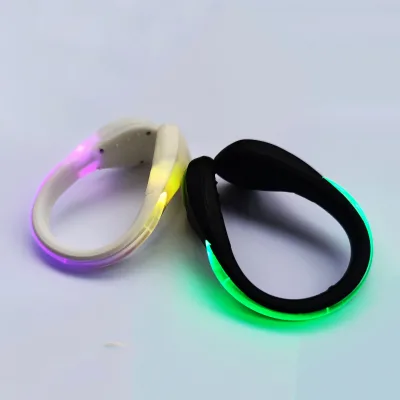
$0.5183 - $0.5707
MOQ: 1000 pieces
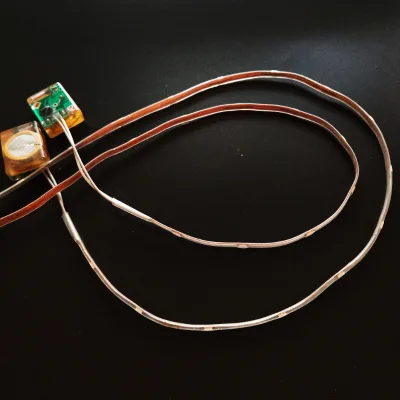
$0.27 - $0.29
MOQ: 10000 Minimum
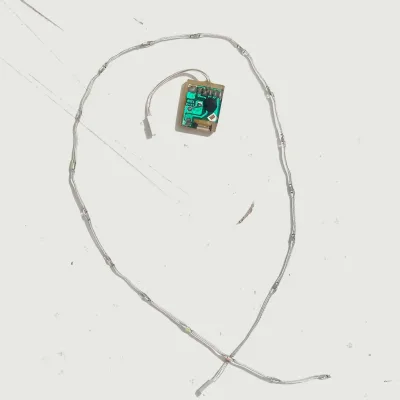

Ningbo Brilliant Dragon Electronic Technology Co., Ltd.
- Verified by TUVRHEINLAND
- Manufacturer/Factory
- China Zhejiang
- Lead time105 days
- Avg. response≤ 14h
Main productsLED Light for Indoor, LED Light for Ourside, Auto / Bicycle Accessories, Security Items, Work Light, Electric Appliance, Personal Items
Main marketsSouth America,Eastern Europe,Mid East,North America,Southeast Asia,Eastern Asia,Oceania,Western Europe,Africa
Quanzhou Longkun Arts And Crafts Co., Ltd.
- Verified by TüVRheinland
- Manufacturer, Trading Company
- Lead time5 days
- Avg. response≤ 5h
Main productsPVC Croc Shoes Charms, Focal Bead, Watch Charms, Keychian, Straw Topper
Main marketsNorth America(85%), Western Europe(10%), Oceania(3%)

Guangzhou Weifang Optoelectronic Technology Co., Ltd.
- Verified by BV
- Combined
- China Guangdong
- Lead time30 days
- Avg. response≤ 2h
Main productsEL Backlight, LED Backlight, EL Glow, EL Luminous Shoes, EL Luminous Hat, EL Scooter Stickers, EL Luminous Mask
Main marketsDomestic

Ningbo Haishu Forcar Imp. & Exp. Co., Ltd.
- Verified by BV
- Trading Company,Manufacturer/Factory
- China Zhejiang
- Lead time45 days
- Avg. response≤ 9h
Main productsCar Wheel Rims, Custom Forged Wheel, Alloy Wheel, Forged Wheel, Offroad Wheel, Beadlock Wheel
Main marketsSouth America,Eastern Europe,Mid East,North America,Southeast Asia,Eastern Asia,Oceania,Western Europe,Africa


Safety Night Running LED Shoes Clip Light Outdoor Sports Safety LED Lamp
$1.65 - $2.35
MOQ: 500 Pieces


LED Running Signal Shoes Lamp Safety Flashlight Night Jogging Warning Light
$0.99 - $1.09
MOQ: 500 Pieces


Quanzhou Ascending Sports Co., Ltd.
- Manufacturer/Factory
- China Fujian
- Lead time105 days
- Avg. response≤ 25h
Main productsSports Shoes, Shoes, Running Shoe, Sneaker, Soccer Shoes, Children Shoes, Custom Outsole Mould, Outsole, Footwear, Outsole Mold Custom
Main marketsSouth America,Eastern Europe,Mid East,North America,Southeast Asia,Eastern Asia,Oceania,Western Europe,Africa

QUANZHOU JINJIANG NEW BLT SHOES CO.,LTD
- Verified by BV
- Trading Company,Manufacturer/Factory
- China Fujian
- Lead time0 days
- Avg. response≤ 22h
Main productsSport Shoes, Casual Shoes, Hiking Shoes, School Shoes, Canvas Shoes, Water Shoes, Outdoor Shoes, Skateboard Shoes, PVC Injection Shoes, Running Shoes

Quan Zhou Jin Jiang Cenki Imp&Exp Co., Ltd.
- Verified by SGS
- Trading Company
- China Fujian
- Lead time30 days
- Avg. response≤ 2h
Main productsSport Shoes, Casual Shoes, Slippers, Sandals, Boots, Flip Flops, Football Shoes, Clog Shoes, Safety Shoes, Children Shoes
Main marketsAfrica

Interactive LED Shoes Creative Lighting Design Children Gift Market OEM Light Shoes
$4.50 - $6.00
MOQ: 100 Pairs

New Arrival Kids LED Shoes Luminous Walking Party Wholesale Manufacturer Light Shoes
$4.50 - $6.00
MOQ: 100 Pairs

Wholesale LED Shoes Colorful Flashing Festival Outdoor Supplier OEM Production Light Shoes
$4.50 - $6.00
MOQ: 100 Pairs

Quanzhou Bestway Import and Export Co., Ltd.
- Verified by CTI
- Trading Company,Manufacturer/Factory
- China Fujian
- Lead time45 days
- Avg. response≤ 14h
Main productsSports Shoe, Shoe, Casual Shoes, Soccer Shoes, Hiking Shoes, Moulds, Machinery, Leisure Shoes, Children Shoes, Sneaker
Main marketsSouth America,Eastern Europe,Mid East,North America,Southeast Asia,Western Europe,Africa


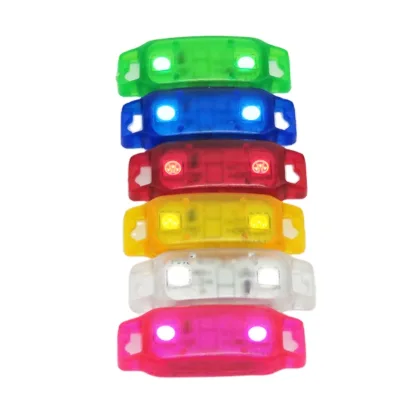


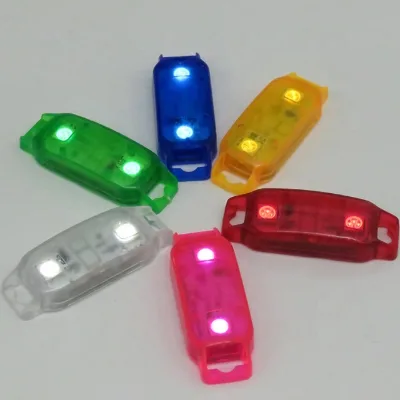
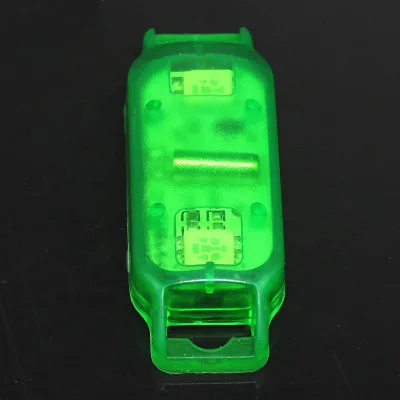


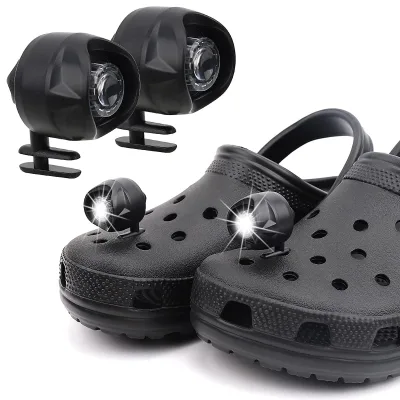


Comprehensive Sourcing Guide
Shoe Light Supplier Concentration and Factory Types
The available data indicates a concentration of suppliers in Guangdong, China, specifically within the Guangdong province region. This area is a known manufacturing hub for electronic accessories and promotional items, including various Shoe Light products. When evaluating potential partners, buyers should look for suppliers explicitly stating this location in their profile to ensure alignment with the observed supply cluster. The supplier types observed in the current results include both combined entities and manufacturers. A combined company type suggests a business that may handle both trading and manufacturing functions, whereas a manufacturer type indicates a direct production facility. Understanding this distinction is critical for determining the level of control a buyer has over the production process and the potential for cost negotiation.
Buyers must verify the specific company type listed in the supplier profile before proceeding with inquiries. The presence of ODM and OEM capabilities in the observed data suggests that many suppliers in this region offer customization services for product design and branding. However, not every supplier will possess these capabilities, and the absence of such a label does not confirm a lack of ability, but rather a lack of displayed evidence. It is essential to check the main products listed to confirm they specialize in shoe lights rather than general promotional gifts. Some profiles list items like LED furniture or PVC balls alongside shoe lights, which may indicate a broader product range. Focusing on suppliers whose primary product lines align closely with shoe lights can help ensure specialized expertise and better quality control for the specific items required.
How to Verify Shoe Light Suppliers
Verification begins with checking the response time metrics provided in the supplier profiles, as these indicate operational efficiency. The observed data shows response times ranging from 2 to 3.04 hours, which serves as a baseline for expected communication speed. A supplier with a significantly slower response time may indicate operational bottlenecks or a lack of dedicated sales support. Buyers should request a direct quote or inquiry to test the actual response speed before committing to a larger order. Additionally, the absence of system certifications in the current data means buyers cannot rely on displayed badges for quality assurance. Instead, they must explicitly request copies of relevant quality management certificates or product test reports to validate the supplier's claims.
Another critical verification step involves confirming the product specifications against the supplier's actual capabilities. The data shows specific product models like BT-C-091711 and KA-0435 with detailed attributes such as material, color, and dimensions. Buyers should ask the supplier to provide samples that match these exact specifications to ensure consistency. It is also important to verify the origin of the products, as the data confirms a "China" or "Guangdong, China" origin for the listed items. Buyers should ensure that the supplier's stated origin matches the actual manufacturing location to avoid discrepancies in shipping or compliance. Finally, checking the customization options listed, such as logo types and packing methods, helps confirm that the supplier can meet specific branding requirements without relying on generic assumptions.
What to Compare Across Shoe Light Suppliers
When comparing suppliers, lead time is a primary factor that directly impacts inventory planning and delivery schedules. The observed lead times in the data range from 15 to 23 days, representing a significant variance that buyers must account for. A shorter lead time of 15 days may be preferable for urgent orders, while a longer lead time of 23 days might require earlier planning. Buyers should compare these figures against their own project timelines to determine which suppliers can meet their deadlines. In addition to lead time, the Minimum Order Quantity (MOQ) is a crucial comparison point. The data shows MOQs varying from 500 to 5000 units, which can significantly affect the total cost and feasibility for small or large orders.
Price is another essential dimension for comparison, with observed ranges varying from $0.58 to $3.25 per unit depending on the product model and features. Buyers should not focus solely on the lowest price but must consider the value provided, including material quality and customization options. The data indicates that products with features like USB charging or specific colors may command higher prices. Furthermore, the main products listed by each supplier should be compared to ensure they align with the buyer's specific needs. Some suppliers focus on shoelaces, while others offer clips or pins. Evaluating the breadth of the product catalog alongside the specific price and MOQ helps buyers identify the most suitable partner for their specific requirements without making assumptions about unlisted attributes.
Common Shoe Light Sourcing Risks
One significant risk involves the lack of displayed system certifications in the current supplier data. Without visible certifications, buyers face uncertainty regarding the quality standards and safety compliance of the products. This absence necessitates a proactive approach where buyers must explicitly request proof of compliance with relevant safety standards before placing an order. Relying on the assumption that all suppliers meet international standards can lead to product failures or regulatory issues in the destination market. Buyers should also be cautious about the variability in product attributes, such as material and color options, which may differ from the initial description if not carefully verified. Ensuring that the physical sample matches the digital listing is essential to mitigate this risk.
Another risk is the potential mismatch between the supplier's claimed capabilities and their actual production capacity. While some profiles list ODM and OEM capabilities, others may not explicitly state these services. This discrepancy can lead to delays or quality issues if the supplier is not equipped to handle custom orders. Additionally, the variation in export packing weights, ranging from 10kg to 11kg per box, can impact shipping costs and logistics planning. Buyers must verify these details to avoid unexpected expenses. The absence of a standardized response time across all suppliers also poses a risk, as slower communication can delay critical decision-making. Buyers should establish clear communication protocols and set expectations for response times to ensure smooth project management throughout the sourcing process.
Shoe Light Regional Sourcing and Logistics
The concentration of suppliers in Guangdong, China, offers logistical advantages for sourcing shoe lights, but buyers must verify the specific shipping details for each order. The data confirms that the origin of the products is China, which implies that international shipping will be required for most buyers. Buyers should inquire about the specific port of loading and the estimated transit time to their destination. The export packing box weights observed, such as 10kg and 11kg, are critical for calculating shipping costs and determining the most efficient shipping method. Understanding these weight factors helps buyers optimize their logistics strategy and avoid unexpected freight charges. Additionally, the location of the factory within Guangdong can influence the time required for inland transportation to the port.
Buyers should also consider the impact of regional sourcing on lead times and supply chain resilience. Suppliers in the same region may face similar logistical challenges, such as port congestion or weather-related delays. It is advisable to ask suppliers about their contingency plans for such disruptions. The data shows that some suppliers offer customized packing, which can be beneficial for reducing shipping volume or protecting fragile items. However, buyers must confirm that the customized packing meets the requirements of their destination country's regulations. Verifying the specific location of the supplier within the region can also help in assessing the proximity to major logistics hubs. This information is vital for planning the most efficient and cost-effective shipping route for the Shoe Light products.
Shoe Light Commercial Terms and Order Planning
Commercial terms regarding payment and order planning are critical for managing cash flow and ensuring timely delivery. The observed MOQs, ranging from 500 to 5000 units, dictate the minimum financial commitment required to initiate an order. Buyers must plan their inventory levels carefully to meet these thresholds without overstocking. The price ranges, from $0.58 to $3.25, suggest that bulk purchasing can significantly reduce the unit cost, making it essential to negotiate based on the total order volume. Buyers should also clarify the payment terms, such as deposit percentages and balance due dates, to align with their financial planning. Understanding these terms helps in avoiding cash flow issues and ensures a smooth transaction process.
Lead time is another key commercial term that affects order planning. With lead times varying from 15 to 23 days, buyers must factor this into their production schedules and delivery timelines. A supplier with a 15-day lead time allows for more flexibility in responding to market demands, while a 23-day lead time requires earlier planning. Buyers should also consider the customization options available, such as logo printing and color selection, as these may extend the lead time. It is important to confirm the production schedule with the supplier to ensure that customization does not cause delays. Additionally, buyers should verify the packing details, such as the use of cartons or 0PP bags, to ensure they meet their storage and distribution needs. Clear communication on these commercial terms is essential for successful order execution.
FAQs
What is the price range for LED shoe lights?
LED shoe lights typically range from $0.58 to $3.25 per unit depending on the specific model and features. Basic shoelace lights start around $0.63, while rechargeable clip lights can cost up to $3.25. Buyers should check the exact product specifications to determine the final price for their order quantity.
What is the minimum order quantity for these products?
Minimum order quantities vary by product type, generally ranging from 500 to 5000 pieces. For example, rechargeable clip lights have an MOQ of 500, while standard shoelace lights may require 1000 or 5000 units. Buyers should verify the specific MOQ for the model they intend to purchase before placing an order.
Where are these shoe lights manufactured?
These LED shoe lights are manufactured in Guangdong, China. Suppliers in this region specialize in promotional gifts and novelty items, offering both OEM and ODM customization services. Buyers can expect products to originate from this specific Chinese province, ensuring consistent supply chain logistics for international orders.
How long does production take for these items?
Production lead times for these LED shoe lights typically range from 15 to 23 days. Some manufacturers offer faster turnaround times of 15 days, while others may require up to 23 days for completion. Buyers should confirm the exact lead time with the supplier based on their order volume and customization requirements.
Can I customize the logo on these shoe lights?
Yes, customization is available for most LED Shoe Light models. Suppliers offer options such as silkscreen printing for logos on plastic components. Buyers can request custom packaging or specific logo placements to brand their products. It is advisable to discuss design files and proofing processes directly with the supplier to ensure accuracy.
What materials are used to make these lights?
LED shoe lights are primarily made from plastic, fabric, or rubber materials depending on the design. Shoelace styles often use fabric or plastic for the cord, while clip-on lights may use rubber or plastic housings. Buyers should review the product attributes to select the material that best suits their durability and aesthetic needs.