Source Silent Soft Frame Wiper Blades for Cars, Buses, and Trucks
Compare 30 Silent Soft Frame Wiper Blades from verified suppliers. These products feature natural rubber or silicone materials, various sizes from 12 to 28 inches, and are suitable for cars, city buses, coaches, and trucks; compare the available evidence and request quotations based on your requirements.
Updated
Key considerations
Products List


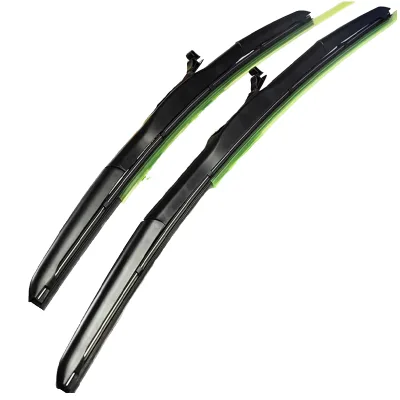


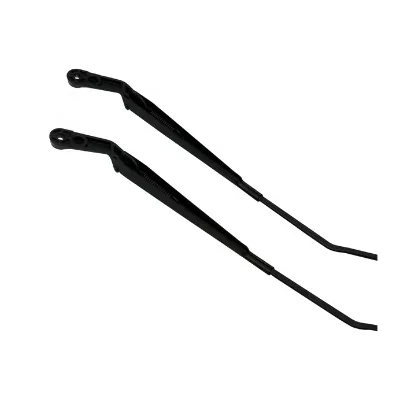
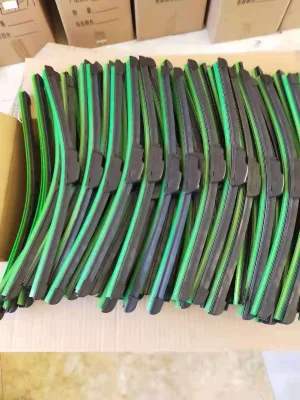
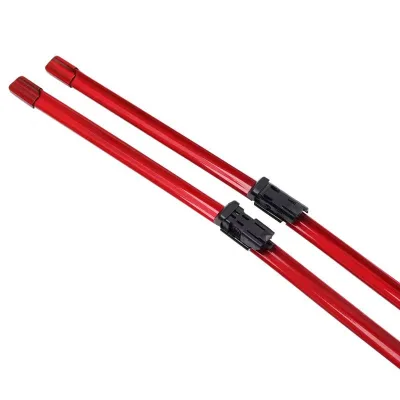
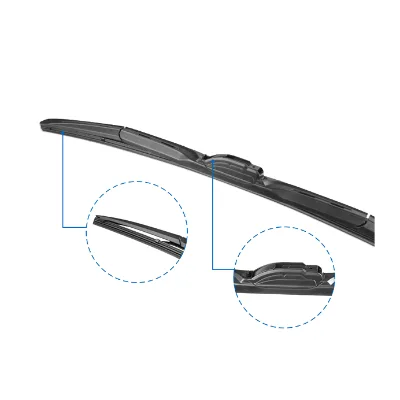
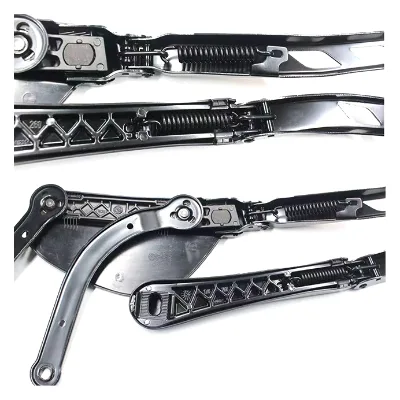
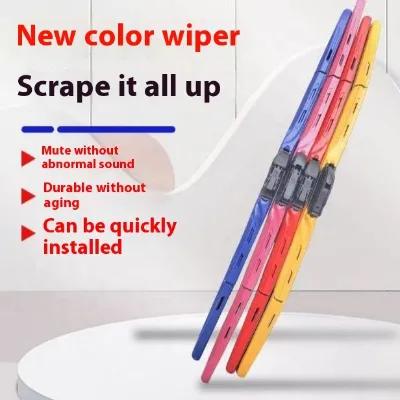
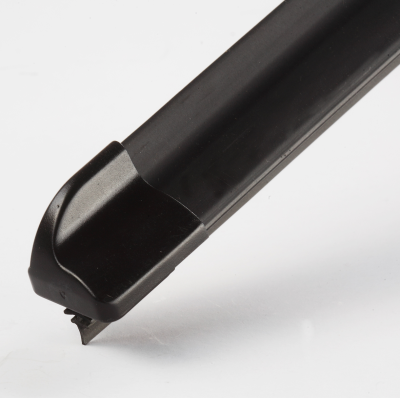
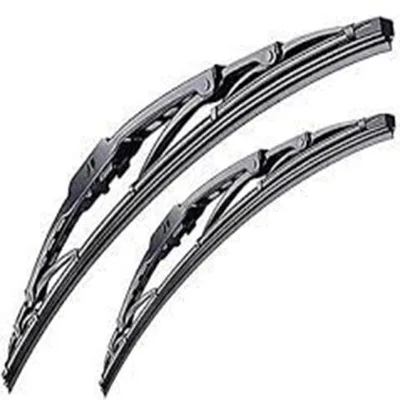
Frame Wiper Blades for Universal Car Wiper Windshield Silicone Refill Wiper Blades
$0.2069 - $0.4122
MOQ: 10 pieces
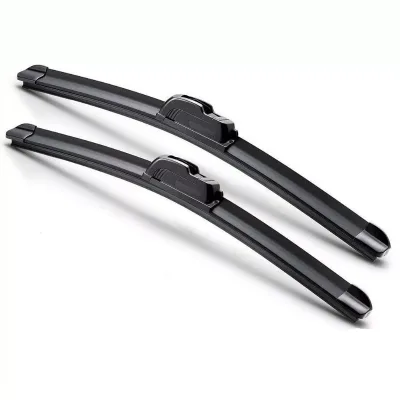


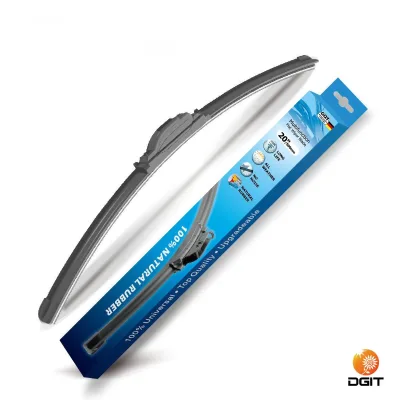
Auto Parts Multi-Function Boneless Wiper Blade Soft Clear View Wiper Blade
$0.42 - $0.46
MOQ: 1000 Pieces



Comprehensive Sourcing Guide
Silent Soft Frame Wiper Blades Sourcing Guide
Procuring Silent Soft Frame Wiper Blades requires a nuanced understanding of material science and mechanical design, as these components directly influence driver visibility and vehicle safety. The market offers a diverse array of options, ranging from traditional batch-type frames to more advanced hydraulic or electrical driving mechanisms. Buyers must carefully evaluate the specific application environment, whether for standard passenger cars, city buses, coaches, or heavy-duty engineering vehicles, as the operational demands vary significantly across these sectors.
The term "silent" often refers to the reduction of noise during operation, which is influenced by the blade's flexibility and the frame's structural integrity. Soft frame designs typically utilize materials like natural rubber or silicone for the blade edge, ensuring a smooth seal against the windshield. However, sourcing decisions should not rely solely on marketing terminology; instead, buyers should verify the actual construction details, such as the presence or absence of a metal bone, and the specific sweep angle capabilities, which can range from 80° to 135° depending on the model.
Product Scope and Observed Listing Signals
The current market landscape for wiper blades exhibits a wide variance in specifications, with observed price points ranging from $0.20 to $3.95 USD and minimum order quantities (MOQs) spanning from 3 to 2,000 units. This broad range indicates that buyers can find options suitable for both small-scale retail replenishment and large-scale OEM contracts. It is crucial to note that while some listings highlight high-level quality and universal compatibility with 98% of car types, others may specify narrower applications or require higher MOQs, such as 5,000 pieces for customized logo orders.
Observed product attributes reveal a mix of traditional and modern designs, including boneless and bone-with frames, as well as various driving types like electrical and hydraulic systems. Materials observed include full rubber, plastic, and carbon metal frames, with adaptors made from POM and joints constructed from metal, plastic, or Kirsite. Buyers should be aware that "soft frame" is not a universal standard; some products are explicitly described as traditional batch types, while others offer customization for specific car makes and models, requiring careful verification of fitment before placing orders.
Technical Specifications to Verify
When evaluating technical specifications, the sweep angle is a critical parameter that determines the coverage area of the wiper blade. Listings indicate sweep angles of 80°, 105°, and 135°, which must be matched to the specific windshield geometry of the target vehicle. Additionally, the size range is extensive, with standard lengths available from 12 inches to 28 inches, including specific sizes like 14, 16, 18, 19, 20, 21, 22, 24, 26, and 28 inches. Buyers must ensure that the selected size aligns with the vehicle's wiper arm length and the desired cleaning path.
Material composition plays a vital role in performance and durability. The blade material is often specified as natural rubber or silicone, while the frame may be constructed from ABS plastic, carbon metal, or full rubber. The adaptor material is typically POM, and the joint can be metal, plastic, or Kirsite. Furthermore, the applicable temperature range is a key technical factor, with some products rated for -50°C to +80°C, ensuring functionality in extreme climates. Buyers should verify these material specifications to ensure compatibility with their vehicle's operating conditions.
Compliance and Safety Documentation
Safety and compliance are paramount in the automotive aftermarket, particularly for visibility-critical components like wiper blades. While specific certification standards are not universally listed in the provided data, buyers should request documentation that verifies the product meets relevant regional safety regulations. This includes ensuring that the materials used, such as the ABS frame and PVC spoiler, are free from harmful substances and comply with environmental standards. Verification of the product's origin, whether from Ningbo or Xiamen, can also provide insights into the manufacturing quality and regulatory adherence of the supplier.
Documentation should also cover the product's performance under various conditions, including the specified temperature range and sweep angle accuracy. Buyers should inquire about any third-party testing results that validate the blade's durability and noise reduction claims. Although "silent" is a common descriptor, objective data on decibel levels or vibration tests would provide a more reliable basis for comparison. Ensuring that the product packaging, whether paper box, blister box, or color boxes, includes clear labeling and safety warnings is also essential for retail compliance.
Cost Drivers and Commercial Terms
Cost structures for wiper blades are influenced by several factors, including material quality, customization options, and order volume. The observed price range of $0.20 to $3.95 USD reflects the diversity in product complexity and material costs. Customization, such as adding a specific logo or altering the packaging, often incurs additional costs and may require higher MOQs, such as 1,000 pieces for no-logo orders or 5,000 pieces for customized branding. Buyers should negotiate terms that balance cost efficiency with the flexibility needed for their specific market demands.
Commercial terms also include transportation methods, with options for sea or air freight, which impact lead times and overall logistics costs. The single weight of products, such as 0.25kg for certain models, affects shipping calculations, especially for bulk orders. Package sizes, like 55x7x2.5cm, further influence storage and handling requirements. Buyers should consider the total landed cost, including freight, duties, and handling, rather than just the unit price, to make informed procurement decisions that align with their budget and timeline.
Supplier Qualification and Quality Control
Supplier qualification is a critical step in ensuring the reliability of wiper blade supplies. Buyers should assess the supplier's production capabilities, including their ability to handle various driving types, such as electrical and hydraulic systems, and their proficiency in manufacturing different frame materials. The availability of OEM/ODM services indicates a supplier's flexibility in meeting custom requirements, which is valuable for brands seeking unique product offerings. Verifying the supplier's quality control processes, including inspections for material defects and assembly accuracy, is essential to maintain product consistency.
Quality control should also extend to the packaging and labeling processes, ensuring that products are protected during transit and clearly identified for end-users. Buyers should request samples to evaluate the physical attributes of the wiper blades, such as the sweep angle accuracy, material flexibility, and overall build quality. Establishing a clear communication channel with the supplier for addressing any quality issues or discrepancies is crucial for maintaining a successful long-term partnership. Regular audits or third-party inspections may also be warranted for high-volume orders to ensure ongoing compliance with quality standards.
Long-Term Procurement Checks
Long-term procurement success depends on continuous monitoring of supplier performance and market trends. Buyers should regularly review product specifications to ensure they remain aligned with evolving vehicle designs and regulatory requirements. This includes staying informed about new materials, such as advanced silicone compounds, or design improvements that enhance durability and noise reduction. Maintaining a diverse supplier base can mitigate risks associated with supply chain disruptions and provide flexibility in sourcing different product types, from traditional batch frames to more specialized hydraulic systems.
Additionally, buyers should establish key performance indicators (KPIs) to track supplier reliability, including on-time delivery rates, defect rates, and responsiveness to issues. Regular feedback loops with suppliers can drive continuous improvement and foster a collaborative relationship. As the market for wiper blades evolves, staying attuned to innovations in silent operation and soft frame technology will help buyers remain competitive. By proactively managing these aspects, buyers can ensure a steady supply of high-quality wiper blades that meet the needs of their customers and maintain brand reputation.
FAQs
What materials are used in Silent Soft Frame Wiper Blades?
The blades utilize full rubber or natural rubber and silicone for the blade itself, ensuring quiet operation. The frame is constructed from ABS plastic, while the spoiler uses PVC. Adaptors are made of POM, and joints combine metal, plastic, or Kirsite materials for durability.
Which car makes are compatible with these wiper blades?
These wiper blades are designed for universal application, covering 98% of car types. They are suitable for cars, city buses, coaches, trucks, and engineering vehicles. The product model BY-118C and S689A support various sizes from 12 to 28 inches for broad compatibility.
Can I customize the logo and packaging for these wiper blades?
Yes, customization is available for both logo and packaging. Buyers can choose between paper boxes, blister boxes, or color boxes with corrugated cartons. OEM and ODM services are allowed, allowing for tailored branding and packaging solutions to meet specific market requirements and brand identity needs.
What is the minimum order quantity for these wiper blades?
The minimum order quantity varies by product model and customization level. For some models, the MOQ is 500 pieces, while others require 5000 pieces. Orders without a custom logo may have a lower MOQ of 1000 pieces, providing flexibility for different buyer volume requirements.
What is the operating temperature range for these wiper blades?
The wiper blades are designed to function effectively in extreme conditions. They support an applicable temperature range from -50°C to +80°C. This wide range ensures reliable performance in both freezing winter environments and hot summer climates, maintaining the silent and soft frame characteristics.
Where are these Silent Soft Frame Wiper Blades manufactured?
These wiper blades are manufactured in Ningbo and Xiamen, China. The production facilities ensure high-quality standards for the ABS frames and rubber blades. Buyers can expect consistent quality and reliable supply chain management from these established manufacturing locations in the automotive parts industry.