Source Silicon Rubber Mecanum Wheel for Industrial Automation
Find 22 listings for Silicon Rubber Mecanum Wheel options from Hebei, China. Compare polyurethane and steel variants with hardness ratings from 70A to 90 Shore A. Review OEM services, ISO9001 certifications, and lead times under 20 days for custom industrial applications.
Updated
Key considerations
Products List
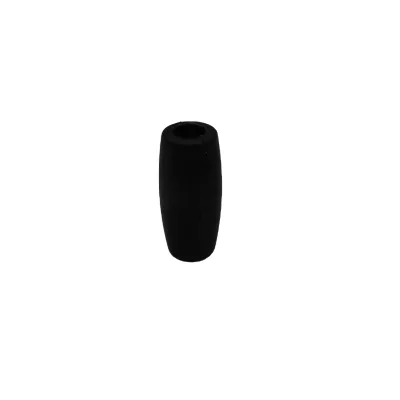

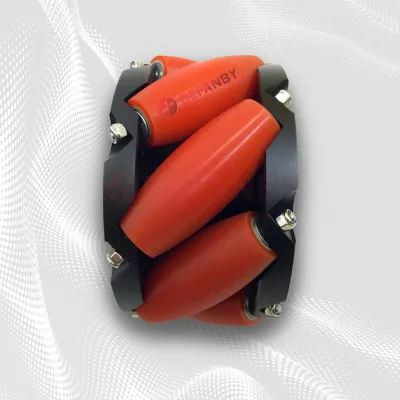
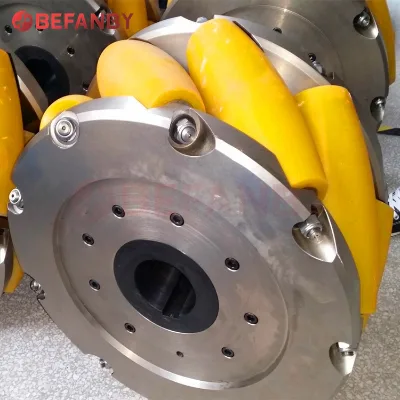
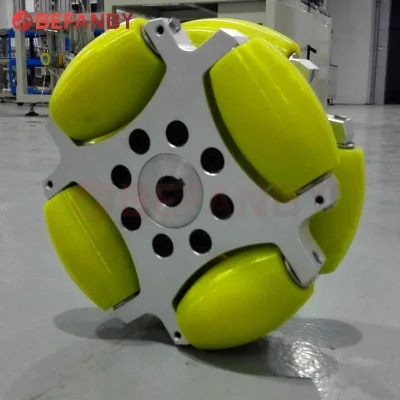
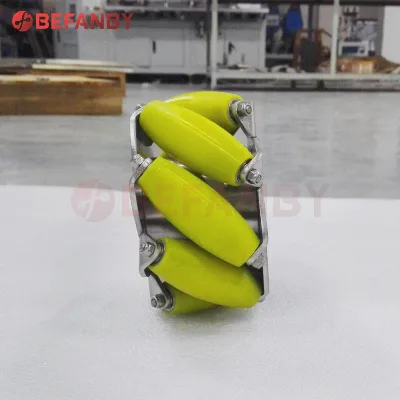
Customized Silicon Rubber Wheel Mecanum Safe Wheel for Toys and Robots
$0.0512 - $0.5131
MOQ: 10 Minimum


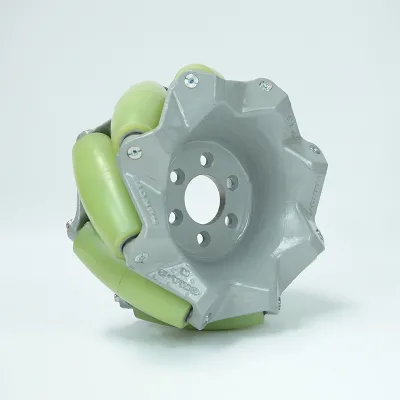

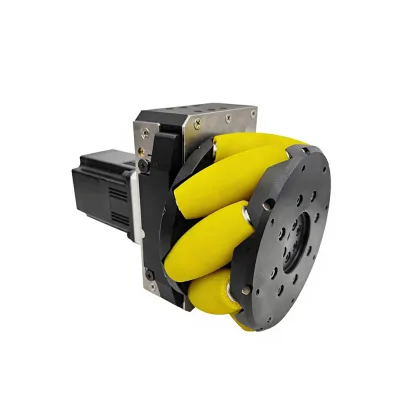
Comprehensive Sourcing Guide
Silicon Rubber Mecanum Wheel Sourcing Guide
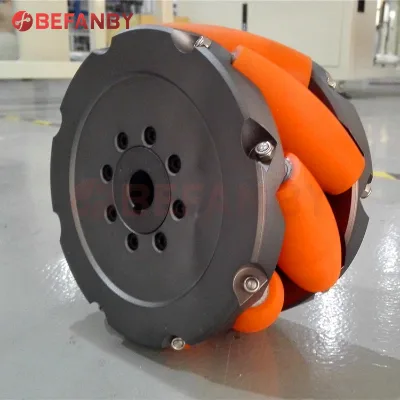
Procuring silicon rubber mecanum wheels requires careful alignment of material properties with mechanical load requirements. These omnidirectional wheels enable precise lateral and diagonal movement in industrial automation, making them critical for complex material handling systems. Buyers must distinguish between pure silicone variants and polyurethane alternatives, as the supplied data indicates a mix of materials including polyurethane and steel/PU composites. Understanding this distinction is vital for selecting the correct component for specific friction and durability needs.
The sourcing landscape features suppliers primarily located in Hebei, China, offering customized models such as MZ012 and M157. These manufacturers often provide OEM and ODM services, allowing for tailored hardness levels ranging from 70A to 90 Shore A. Buyers should verify whether the product name implies a specific material composition or if it serves as a general category label. Clarifying the exact material formulation early in the inquiry process prevents mismatches between expected elasticity and actual performance under heavy loads.
Product Scope and Observed Listing Signals
Market listings reveal a diverse range of specifications, with thicknesses spanning from 1mm to 60mm and single package sizes standardized at 10x10x10 cm. The observed price range extends from $0.05 to $3,086, reflecting significant variation in size, material density, and customization complexity. Minimum order quantities typically start at 10 pieces, though some suppliers list MOQs up to 1,000 units. This wide variance suggests that buyers should expect tiered pricing based on volume commitments and specific geometric requirements.
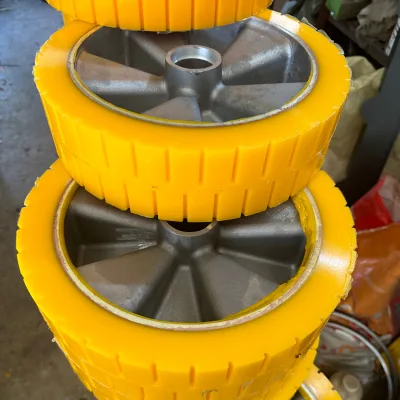
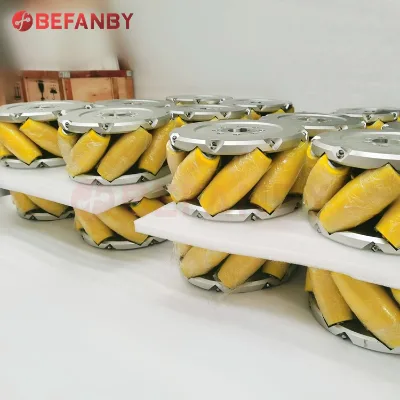
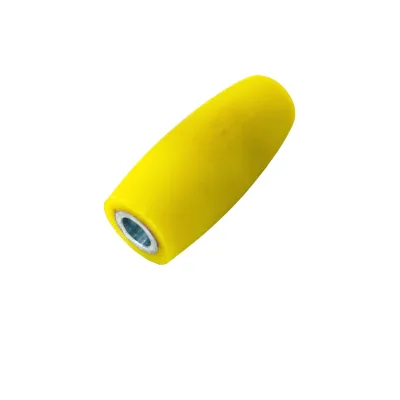
Product attributes indicate a focus on wear resistance and durability, with densities recorded at 1.25g/cm³ for certain polyurethane variants. Colors are often customizable, including options like yellow, while shapes are described as flat panels or rotating wheels. The supply ability is noted as 1,000 pieces per day, suggesting robust manufacturing capacity for standard configurations. Buyers should treat these observed signals as baseline indicators rather than universal guarantees, verifying each parameter against their specific engineering drawings and operational constraints.
Technical Specifications to Verify
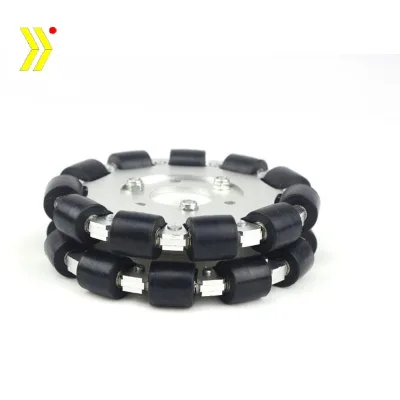
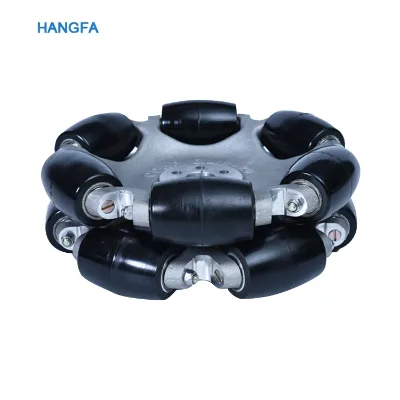
Dimensional accuracy is paramount, with tolerances specified at +/-0.2mm for many listed items. Buyers must confirm whether this tolerance applies to the wheel diameter, thickness, or the intricate roller arrangement characteristic of mecanum designs. The processing services include molding and cutting, which influence the final surface finish and structural integrity. It is essential to request detailed technical drawings that specify the roller angle and axis alignment, as these factors directly impact the wheel’s omnidirectional capabilities and load-bearing efficiency.
Material hardness is a critical variable, with options including 70A, 80A, and 90 Shore A. Softer compounds offer better shock absorption and floor protection, while harder variants provide greater load capacity and wear resistance. The supplied data mentions both silicon rubber and polyurethane materials, requiring buyers to clarify which polymer best suits their environment. Additionally, verify the port of dispatch, often listed as Tianjin, to accurately calculate logistics costs and delivery timelines for international shipments.
Compliance and Safety Documentation
Certification status varies among suppliers, with ISO9001 and CE/SASO marks appearing in the available data. Buyers should request valid certificates to ensure the manufacturer adheres to recognized quality management systems. These certifications provide assurance regarding production consistency and traceability, which are crucial for industrial applications where component failure can lead to significant downtime. Verify the scope of these certifications to confirm they cover the specific manufacturing processes used for mecanum wheels.
Safety standards such as SASO may be relevant for specific regional markets, particularly in the Middle East. Buyers must ensure that the documentation provided matches the destination country’s regulatory requirements. It is advisable to ask for material safety data sheets (MSDS) to understand the chemical composition and handling precautions. This documentation helps in assessing environmental impact and worker safety during installation and maintenance, ensuring full compliance with occupational health regulations.
Cost Drivers and Commercial Terms
Lead times are generally listed as less than 20 days, facilitating rapid prototyping and short production runs. However, complex customizations may extend these timelines, so buyers should negotiate clear delivery schedules in their purchase orders. The availability of samples allows for physical verification of material quality and dimensional accuracy before committing to large orders. Utilizing sample orders can mitigate risk by confirming that the product meets the specified hardness and tolerance requirements.
Packaging details typically include wooden boxes or pallets, designed to protect the wheels during transit. Buyers should confirm if standard packing is sufficient or if specialized crating is needed for fragile components. The selling unit is often listed as a single item, which simplifies inventory management but may affect bulk pricing strategies. Understanding the total landed cost, including packaging and shipping, is essential for accurate budgeting and comparing supplier quotes effectively.
Supplier Qualification and Quality Control
Supplier capabilities include OEM and ODM services, indicating flexibility in meeting unique design requirements. Buyers should assess the supplier’s ability to handle custom requests, such as specific model numbers like FR175 or FR152. Verifying the production process, such as casting polyurethane products, helps in understanding the manufacturing quality. Suppliers with established supply chains and consistent output, like the noted 1,000 pieces per day capacity, are generally more reliable for ongoing procurement needs.
Quality control measures should be explicitly discussed, including inspection protocols for hardness and dimensional accuracy. Buyers may request third-party inspection reports or conduct their own incoming quality control checks. Establishing a clear communication channel for addressing defects or deviations is crucial for maintaining supply chain integrity. Regular audits or performance reviews can help ensure that the supplier continues to meet the required standards over time.
Long-Term Procurement Checks
Monitoring supplier performance over time is essential for maintaining consistent quality and delivery reliability. Buyers should track metrics such as defect rates, lead time adherence, and responsiveness to technical queries. Establishing a long-term partnership with a qualified supplier can lead to better pricing and priority treatment during peak demand periods. Regularly reviewing the supplier’s certification status ensures continued compliance with evolving industry standards and regulations.
As technology and material science advance, buyers should stay informed about new developments in silicon rubber and polyurethane formulations. Periodically re-evaluating the suitability of current components against emerging operational demands can prevent obsolescence. Building a diversified supplier base can also mitigate risks associated with single-source dependencies. Continuous engagement with suppliers fosters innovation and ensures that the procurement strategy remains aligned with the company’s long-term operational goals.
FAQs
What materials are used for silicon rubber mecanum wheels?
The wheels are manufactured from polyurethane, silicon rubber, or steel. These materials provide wear resistance and durability for industrial applications. Custom colors and hardness levels, such as 70a or 90 shore a, are available to meet specific operational requirements and load conditions.
Can I customize the hardness of the mecanum wheels?
Yes, customization is available for hardness levels including 70a, 80 shore a, and 90 shore a. The product name indicates customized model options. Buyers can specify their preferred hardness to ensure optimal performance for their specific industrial machinery and surface conditions.
What is the minimum order quantity for these wheels?
The minimum order quantity is 10 pieces. This low MOQ allows buyers to test samples before placing larger orders. Samples are available for evaluation. The supply ability supports up to 1000 pieces per day, ensuring timely delivery for bulk industrial procurement needs.
Where are these mecanum wheels manufactured and shipped from?
These wheels originate from Hebei, China, and are dispatched from the Tianjin port. The manufacturing process involves casting polyurethane products and molding. Standard packing includes wooden boxes, ensuring safe transit. Lead times are typically under 20 days for production and preparation.
What certifications do the silicon rubber mecanum wheels hold?
The products hold ISO9001 certification for quality management. Additional certifications like CE and SASO are also listed for specific models. These certifications verify compliance with international standards. Buyers can request documentation to ensure the wheels meet regulatory requirements for their target markets and industrial applications.
What processing services are offered for these mecanum wheels?
Processing services include molding and cutting to create customized shapes. The wheels can be produced as flat panels or rotating wheels. OEM and ODM services are available to tailor specifications. This flexibility allows manufacturers to adapt the wheels to unique mechanical designs and functional requirements.