Source Skin Care Kojic Acid Powder for Cosmetic Raw Materials
Find 30 verified suppliers of skin care kojic acid powder for cosmetic raw materials and skin whitening products. Compare 99% purity options, ISO and HACCP certifications, and packaging details to identify the right inorganic acid ingredient for your formulation needs.
Key considerations
Products List










Comprehensive Sourcing Guide
Skin Care Kojic Acid Powder Sourcing Guide
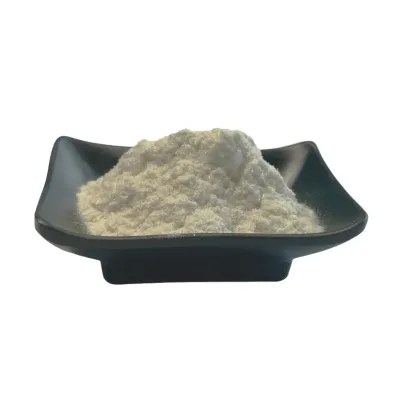
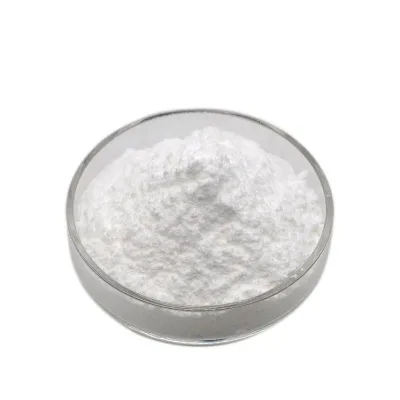
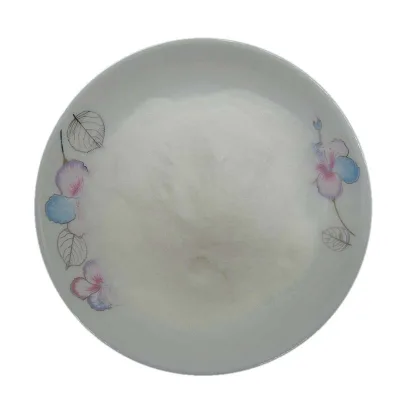
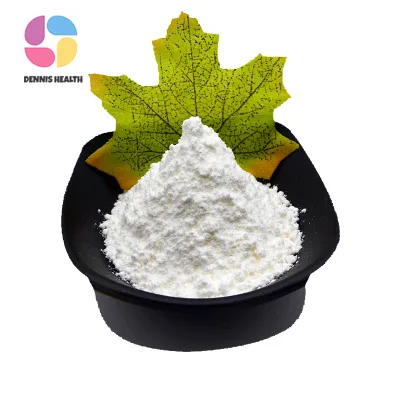
Procurement professionals must first distinguish between the various physical forms and purity grades available in the current market. The observed listings indicate a primary focus on ivory white to white fine powders with purity levels ranging from 99% to 99.9%, which directly impacts the efficacy of final cosmetic formulations. Buyers should verify that the specific batch matches the required appearance and solubility characteristics, as the material is noted to be easily water-soluble, a critical factor for uniform dispersion in liquid-based skincare products.
Commercial availability often presents a wide variance in minimum order quantities, ranging from small sample sizes of 10-20 grams up to bulk orders of 14,000 units. This flexibility allows new entrants to test product quality before committing to large-scale production runs. However, the significant spread in pricing, observed between 0.85 and 100 USD, suggests that buyers must carefully correlate cost with the specific grade and certification level required for their intended application, ensuring that lower prices do not compromise the essential cosmetic or food-grade status of the raw material.
Product Scope and Observed Listing Signals
The core product scope centers on inorganic acid derivatives specifically identified as Kojic Acid, primarily utilized for skin whitening and beauty product applications. Listings consistently highlight the material's function as a cosmetic raw material, with specific targeting toward adult demographics while explicitly excluding pregnant women, newborns, and children. This demographic restriction is a vital signal for procurement teams to ensure that the final product formulation complies with safety regulations regarding the intended user base and avoids liability issues associated with inappropriate usage.
Packaging variations observed in the market include paper bags, aluminum foil bags, and drum configurations, with specific models like WG-kojic acid powder and IHF-Kojic Acid indicating distinct product lines. The standard packaging often involves 1kg aluminum foil bags or 25kg drums, designed to maintain stability and prevent degradation during storage and transit. Buyers should confirm that the packaging method aligns with their storage capabilities, as the product requires a cool, dry place to maintain its two-year shelf life and prevent the loss of potency in the final cosmetic end-products.
Technical Specifications to Verify
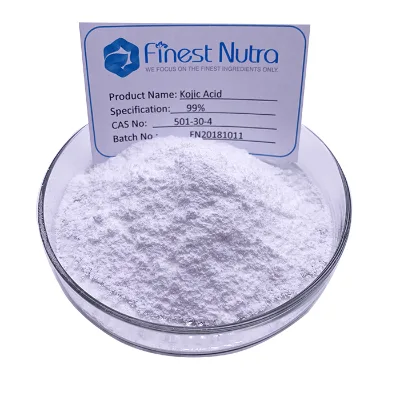
Technical verification must begin with the molecular formula C6H6O4 and the CAS number 501-30-4, which serve as the definitive identifiers for authentic Kojic Acid. The observed listings frequently cite a purity standard of 99%, with some high-grade variants reaching 99.9%, necessitating that buyers request batch-specific certificates of analysis to confirm these figures. Relying solely on the general product description is insufficient; the specific purity percentage must be validated against the test method, typically High-Performance Liquid Chromatography (HPLC), to ensure the material meets the rigorous standards required for cosmetic manufacturing.
Stability and acid strength are critical technical parameters that influence the formulation process and the final product's shelf stability. The product is characterized as a stabilized weak acid, which requires careful handling during the mixing phase to ensure it does not react adversely with other ingredients in the cosmetic base. Buyers should verify the specific storage method requirements, such as keeping the powder in a cool, dry environment, to prevent any potential degradation that could alter the chemical structure or reduce the skin-whitening efficacy of the active ingredient over time.
Compliance and Safety Documentation
Compliance documentation is paramount when sourcing raw materials for cosmetic applications, as the market listings indicate a wide array of certifications including ISO9001, ISO22000, HACCP, Organic, Halal, and Kosher. Procurement teams must verify that the supplier holds the specific certifications relevant to their target market, as the presence of multiple certifications does not guarantee that every batch meets every standard. It is essential to request current, valid certificates for the specific model number being purchased to ensure that the material is legally compliant for sale in the intended regions and meets the safety expectations of the end consumer.
Safety data regarding the applicable and non-applicable user groups must be clearly documented and communicated to the formulation team. The product is explicitly marked as not applicable for pregnant women, newborns, children, and teenagers, a restriction that must be reflected in the product labeling and safety data sheets. Buyers should ensure that the supplier provides comprehensive safety documentation that clearly outlines these contraindications, as failure to adhere to these usage restrictions could lead to regulatory non-compliance and potential health risks for vulnerable populations using the final skincare products.
Cost Drivers and Commercial Terms
The cost of Kojic Acid powder is influenced by several factors, including the purity level, the specific packaging format, and the volume of the order. The observed price range of 0.85 to 100 USD reflects the difference between small sample quantities and bulk industrial orders, as well as variations in the grade of the material. Buyers should analyze the cost per unit weight rather than the total price to understand the true economic value, ensuring that the selected supplier offers a competitive rate that aligns with the required purity and certification standards without inflating the cost of goods sold.
Commercial terms regarding minimum order quantities and lead times are significant variables that affect supply chain planning and inventory management. With MOQs ranging from 1 to 14,000 units, buyers must balance the need for flexibility with the economies of scale offered by larger orders. It is crucial to negotiate clear terms regarding sample availability, which is often offered in 10-20 gram quantities, and to establish realistic lead times that account for the production and shipping of the specific packaging type, such as the 15x20x30 cm single package size or bulk drum shipments.
Supplier Qualification and Quality Control
Supplier qualification requires a thorough review of the manufacturer's origin and their adherence to international quality management systems. The observed listings indicate that products originate from Shaanxi, China, and many suppliers claim certifications such as ISO, FDA, and Halal. Buyers should verify the authenticity of these claims by requesting direct contact information and audit reports, ensuring that the supplier has a robust quality control infrastructure capable of maintaining the 99% purity standard and the specific appearance of ivory white fine powder consistently across all production batches.
Quality control protocols must include rigorous testing methods to verify the chemical composition and physical properties of the delivered material. The use of HPLC and UV testing methods is standard for verifying the purity and identity of Kojic Acid, and buyers should insist on receiving test reports for every shipment. Additionally, the supplier should demonstrate a clear process for managing the shelf life, ensuring that the product remains stable for the stated 24 months when stored correctly, and that any deviations in appearance or solubility are immediately addressed before the material enters the production line.
Long-Term Procurement Checks
Long-term procurement success depends on establishing a reliable supply chain that can consistently meet the evolving demands of the cosmetic industry. Buyers should implement a system for regular re-verification of supplier certifications and product specifications, as market standards and regulatory requirements can change over time. Maintaining a relationship with a supplier who can provide consistent samples and bulk orders with the same high purity and packaging standards is essential for ensuring the stability and quality of the final skin-whitening products.
Continuous monitoring of the product's performance in the final formulation is necessary to validate the initial specifications and supplier claims. Buyers should track the solubility, stability, and efficacy of the Kojic Acid powder in their specific cosmetic applications to ensure it continues to meet the required performance benchmarks. Regular communication with the supplier regarding any changes in production processes or raw material sources will help mitigate risks and ensure that the long-term supply of this critical cosmetic raw material remains uninterrupted and compliant with all safety and quality standards.
FAQs
What is the purity level of this kojic acid powder?
The product offers a purity level of 99% or 99.9% depending on the specific model selected. This high-grade inorganic acid is stabilized and suitable for cosmetic raw materials. It appears as an ivory white or white fine powder with a shelf life of two years when stored in a cool dry place.
Can I get samples of the skin whitening kojic acid powder?
Yes, samples are available for evaluation purposes. The standard sample size ranges from 10 to 20 grams to allow potential buyers to verify quality before placing larger orders. This ensures that the cosmetic grade material meets your specific formulation requirements for skin whitening applications.
Which certifications does the manufacturer hold for this product?
The product comes with multiple certifications including ISO9001, ISO22000, HACCP, Organic, Halal, and Kosher. Some listings also mention FDA and ISO certifications. These documents verify that the manufacturing process adheres to strict quality and safety standards required for cosmetic and food-grade applications.
How is the kojic acid powder packaged for shipping?
Packaging options include aluminum foil bags, paper bags, and drums to ensure product stability. Specific configurations range from 1kg aluminum foil bags to 25kg drums containing multiple bags. This robust packaging protects the water-soluble powder during transit and maintains its quality for up to 24 months.
What is the minimum order quantity for this cosmetic raw material?
The minimum order quantity varies significantly, ranging from 1 unit up to 14,000 units depending on the supplier and specific product model. Buyers should check individual listings for exact MOQ values as they differ based on packaging types like 1kg bags or 25kg drums and the supplier's capacity.
Is this kojic acid powder suitable for all age groups?
No, this product is not suitable for pregnant women, newborns, children, or teenagers. It is intended for adult, middle-aged, and elderly men and women. Users should strictly follow the recommended dosage and application guidelines to ensure safety when using this skin whitening agent in cosmetic formulations.
Where is the origin of this skin care kojic acid powder?
The product originates from Shaanxi, China. This location is a known hub for chemical manufacturing and supplies high-purity inorganic acids. Buyers can expect consistent quality from this region, with the product meeting international standards for cosmetic raw materials and skin whitening applications.