Source Sleep Mosquito Repellent Nasal Inhaler for headache fever heat stroke
Compare 30 listings for Sleep Mosquito Repellent Nasal Inhaler featuring natural ingredients like menthol and eucalyptus. Buyers can evaluate customization options, packaging types, and certifications including GMP and ISO standards for external use applications.
Key considerations
Products List


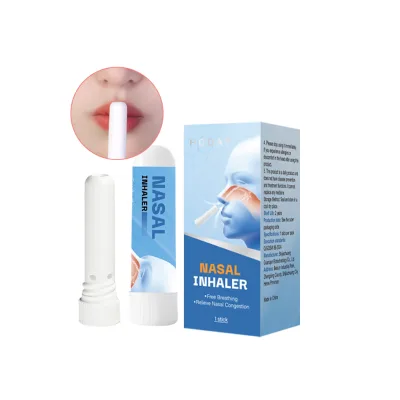
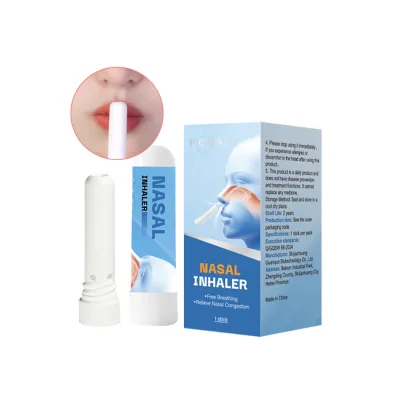
China High Quality Nasal Inhaler for Congestion Refreshing Anti Fatigue Nasal Inhaler
$0.08 - $0.16
MOQ: 50000 Pieces

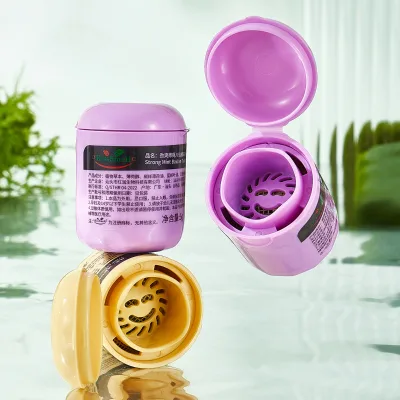
China Factory Menthol Nasal Vapor Inhaler with Cotton Wicks Refreshing for Mosquito Bite
$0.28 - $0.30
MOQ: 50000 Pieces






Comprehensive Sourcing Guide
Strategic Sourcing Guide for Sleep and Mosquito Repellent Nasal Inhalers
Understanding Product Categories and Functional Scope
The market for sleep and mosquito repellent nasal inhalers encompasses a diverse range of products that blend personal care, aromatherapy, and pest control functionalities. Buyers must first distinguish between devices designed for respiratory relief and those intended for environmental pest management. The core keyword suggests a dual interest: products that aid sleep through inhalation and those that repel mosquitoes, potentially through the same delivery mechanism or as a bundled solution.
Based on observed market data, nasal inhalers often feature specific ingredients such as Menthol, Eucalyptus, and natural oils. These components are frequently marketed for their ability to provide long-lasting refreshing effects, alleviate headaches, and assist with sleep. Some products are explicitly labeled for external use only, targeting symptoms like fever, heat stroke, and mosquito bites. In contrast, other categories within the broader "mosquito repellent" sector include solid forms, such as coils or sticks, which may utilize insect growth regulators or natural essential oils. These solid forms often have specific burning times, ranging from 8 to 12 hours, and are designed for indoor use.
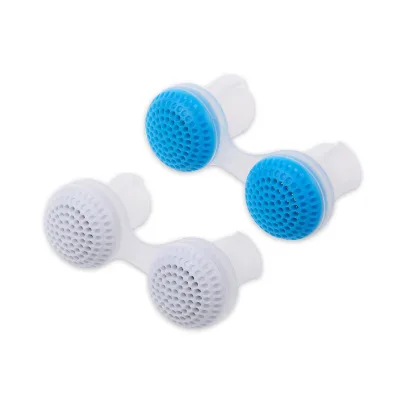
It is critical for buyers to recognize that a single product listing may not satisfy all functional claims simultaneously. While some inhalers are formulated with herbal, paraben-free ingredients to promote natural relief, others may be categorized strictly as pesticides if they contain active ingredients targeting insect populations. The distinction between a "nasal inhaler" and a "pesticide" is significant for regulatory compliance and safety labeling. Buyers should verify whether the product is a personal care item for direct human inhalation or an environmental treatment device. The observed product names, such as "Vaporal Inhalador" or "Anti Snoring Nasal Dilator," indicate a focus on respiratory comfort, whereas terms like "Pesticides" or "Target Pests: Insects" point toward a different regulatory pathway.
Technical Specifications and Material Composition
When evaluating technical specifications, buyers must scrutinize the physical form, dimensions, and material composition of the inhalers. The market offers various models with specific weights, such as 1g, 2g, and 4g units, which influence the dosage and duration of the active ingredients. The physical form can vary from liquid-filled inhalers to solid coils or sticks. For solid forms, the diameter is a critical dimension, with observed specifications ranging from 125mm to 140mm. This variation affects the surface area available for evaporation or burning, directly impacting the efficacy of the repellent or soothing agent.
Material selection is equally vital for safety and performance. Nasal inhalers intended for direct use often contain natural ingredients like rhizomes, roots, dried leaves, flowers, and berries. These botanical materials are processed to extract essential oils such as menthol and eucalyptus. The packaging materials also play a role in preservation; common options include cartons, blister packs, and boxes. Some listings indicate that the packaging may be shipped via courier services like FedEx, DHL, or UPS, suggesting a need for robust logistics planning.
For mosquito repellent products, the material composition might include synthetic polymers like PP (Polypropylene) for the casing of the device or the coil holder. The presence of "Natural" and "Low Carb" attributes in some listings suggests a trend toward eco-friendly formulations, but buyers must verify the actual active ingredients. If the product claims to be "Pet-Friendly," this requires specific validation to ensure the active ingredients do not pose a risk to household animals. The "Active Ingredients" field often lists specific chemical compounds, such as insect growth regulators, which must be handled with care during procurement to ensure they meet local safety standards.
Compliance, Certification, and Regulatory Verification
Navigating the regulatory landscape is perhaps the most critical aspect of sourcing sleep and mosquito repellent nasal inhalers. The market displays a wide array of certifications, ranging from Good Manufacturing Practice (GMP) to international safety standards. Buyers must verify that the supplier holds valid certificates for the specific product category. Common certifications observed include CE, MSDS (Material Safety Data Sheet), ISO 9001, FDA, and COA (Certificate of Analysis).
The presence of an MSDS is particularly important for products containing volatile organic compounds or essential oils, as it details the handling, storage, and emergency measures required. For products marketed as pesticides or insect repellents, regulatory bodies often require specific registration numbers that are not always listed in general product descriptions. The "Certificate" field in supplier data may list multiple standards, but buyers should not assume that every listed product possesses every certification. Instead, the procurement strategy should involve requesting specific documentation for the exact model being purchased.
Furthermore, the origin of the product significantly impacts regulatory acceptance. Many products originate from China, with specific manufacturing hubs in Linyi, Guangdong, and Fujian. While these regions have established supply chains, the local regulations in the destination market must be met. For instance, products claiming to be "Herbal" or "Paraben-Free" must adhere to strict labeling laws in regions like the European Union or North America. Buyers should verify that the "Nature" attribute aligns with the actual ingredient list and that the "Usage Mode" (e.g., For External Use) is clearly defined on the packaging to prevent misuse.
Cost Drivers and Pricing Dynamics
The pricing of nasal inhalers and mosquito repellents is influenced by several factors, including material costs, certification fees, and packaging complexity. The observed price range in the market spans from $0.05 to $20.00 USD, a wide variance that reflects differences in product quality, brand positioning, and functional claims. Lower-priced items, often around $0.05, typically represent basic, single-unit inhalers or small packaging quantities. Higher-priced items, approaching $20, may include premium branding, complex packaging, or multi-unit sets with enhanced features.
Minimum Order Quantity (MOQ) is another significant cost driver. The market shows an MOQ range from 1 unit to 100,000 units. Small buyers may find suppliers willing to accept low MOQs, but this often comes with a higher per-unit cost. Conversely, bulk buyers can negotiate better rates but must commit to larger volumes, such as a 1*20gp container. The "Selling Units" attribute, often listed as "Single item," suggests that some suppliers offer flexible ordering options, which can be beneficial for testing the market before committing to large orders.
Packaging costs also contribute to the final price. Options like cartons, blisters, and boxes vary in cost depending on the material and customization level. Customization is a key feature in this market, allowing buyers to tailor packaging, branding, and even ingredient blends. However, customization often requires a higher MOQ and longer lead times. Buyers should calculate the total landed cost, including shipping and potential duties, rather than focusing solely on the unit price. The "Delivery Time" of 3-5 days mentioned in some listings may apply to sample orders or specific regions, but bulk orders typically require longer lead times for production and logistics.
Supplier Evaluation and Operational Reliability
Selecting the right supplier requires a rigorous evaluation process that goes beyond the product listing. Buyers should assess the supplier's ability to meet specific customization needs, as the market data indicates that customization is widely available. This includes the ability to modify the "Products Name," adjust the "Ingredients," or change the "prod_packing" to suit brand requirements. Suppliers with a history of providing "Customized" products are generally more flexible and better equipped to handle unique procurement requests.
Reliability is often indicated by the supplier's location and logistical capabilities. Suppliers based in Linyi, Guangdong, and Fujian have established infrastructure for exporting to global markets. However, buyers should verify the actual "Lead Time" for production, as the observed "3-5 days" may not apply to all scenarios. For large orders, the production cycle can extend significantly. The "MOQ" of 1*20gp suggests that some suppliers specialize in container-load orders, which may not be suitable for smaller buyers.
Quality control is another critical factor. Suppliers should demonstrate a commitment to maintaining high standards, evidenced by their certifications and the consistency of their product specifications. Buyers should request samples to verify the "Feature" claims, such as the effectiveness against mosquitoes or the relief of headaches. The "Physical Form" and "Burning Time" (for solid products) should be tested to ensure they match the supplier's claims. Additionally, the "Eco-Friendly" and "Pet Safety" attributes should be validated through third-party testing if these claims are central to the buyer's value proposition.
Quality Control Protocols and Long-Term Procurement
Implementing a robust quality control protocol is essential for maintaining product integrity and brand reputation. Buyers should establish clear acceptance criteria based on the observed specifications, such as the "prod_model" (e.g., 1g, 2g, Inhalador) and the "prod_standard" (e.g., 432pcs/ctn, 600pcs/ctn). These standards define the packaging density and should be strictly adhered to during production and shipping. Any deviation from these standards could lead to logistical issues or customer dissatisfaction.
Long-term procurement considerations involve building a sustainable supply chain that can adapt to market changes. Buyers should prioritize suppliers who offer consistent quality and reliable delivery times. The "Delivery Time" of 3-5 days is an attractive feature, but buyers must ensure that this timeline is maintained during peak seasons. Building a relationship with a supplier who can provide "Customization" and "Natural" ingredients allows for product differentiation and market expansion.
Furthermore, buyers should monitor the regulatory landscape for changes in certification requirements. As regulations evolve, suppliers must be able to update their documentation and product formulations accordingly. The presence of multiple certifications, such as GMP, ISO, and FDA, indicates a supplier's commitment to compliance, but buyers should verify that these certifications are current and applicable to the specific product line. Regular audits and quality checks should be part of the procurement strategy to ensure that the "Active Ingredients" and "Ingredients" remain consistent and safe for the intended use.
Comparative Analysis of Product Attributes
To facilitate decision-making, buyers can compare key attributes across different product categories. The following table summarizes the observed variations in specifications, certifications, and usage modes.
| Attribute Category | Nasal Inhaler (Sleep/Relief) | Mosquito Repellent (Solid/Environmental) |
|---|---|---|
| Primary Ingredients | Menthol, Eucalyptus, Natural Oils | Insect Growth Regulators, Herbal Extracts |
| Physical Form | Liquid/Gel in Inhaler | Solid Coil/Stick |
| Usage Mode | For External Use (Inhalation) | Indoor Use (Environmental) |
| Key Features | Headache, Sleepy, Fever Relief | Mosquito, Insect Repellent, 8-12h Burn |
| Certifications | GMP, ISO, CE, MSDS, FDA | CE, MSDS, ISO 9001, Pesticide Reg. |
| Packaging | Carton, Blister, Box | Carton, Box |
| Origin | China (Linyi, Guangdong, Fujian) | China (Fujian, Guangdong) |
| MOQ Range | 1 - 100,000 | 1*20gp (Container) |
| Safety Claims | Pet-Friendly, Paraben-Free | Pet-Friendly, Eco-Friendly |
This comparison highlights the distinct nature of the two product types. While both may share origins and some packaging standards, their functional requirements and regulatory paths differ significantly. Buyers must ensure that the product selected aligns with their specific business needs, whether that is providing personal relief or environmental pest control. By carefully analyzing these attributes, buyers can make informed decisions that balance cost, quality, and compliance.
FAQs
What ingredients are typically found in these inhalers?
These inhalers commonly contain menthol, eucalyptus, and natural oils. Some products also list herbal ingredients like rhizomes, roots, and dried leaves, ensuring a paraben-free formulation for external use.
Which certifications do suppliers usually provide for these products?
Suppliers often provide certificates such as GMP, ISO, CE, MSDS, and FDA. Buyers should verify specific documentation for the exact model, as not every listed product satisfies all certification claims simultaneously.
How are these products typically packaged for shipment?
Packaging options include cartons, blister packs, and boxes. Standard packing densities vary, such as 432 or 600 pieces per carton, depending on the specific product model and customization requirements.
Can I customize the product specifications and branding?
Yes, customization is available for product names, ingredients, and packaging. Buyers can request specific models like 1g or 2g units, though customization often requires meeting a minimum order quantity.
What is the typical delivery time for these orders?
Delivery times can range from 3 to 5 days for specific scenarios, though bulk orders may require longer production cycles. Lead times depend on the supplier's location and the complexity of the customization requested.
Where are these products primarily manufactured?
Products originate from China, with manufacturing hubs in Linyi, Guangdong, and Fujian. Buyers should verify the specific place of origin to ensure compliance with local and international regulatory standards.
What is the price range for these nasal inhalers?
The observed price range spans from 0.05 to 20 USD per unit. Lower prices typically reflect basic single-item units, while higher prices may include premium branding or complex packaging configurations.