Source Smart Pet Camera Robot for Monitoring, Training, and Interaction
Compare 30 Smart Pet Camera Robot listings featuring night vision, two-way audio, and mobile connectivity. Buyers can evaluate battery life, resolution, and customization options from verified Chinese manufacturers.
Key considerations
Products List


Smart Pet Companion Robot with HD Camera and Night Vision Pet Products
$66.20 - $72.90
MOQ: 500 Pieces


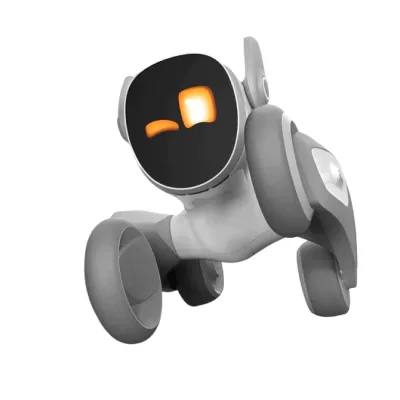
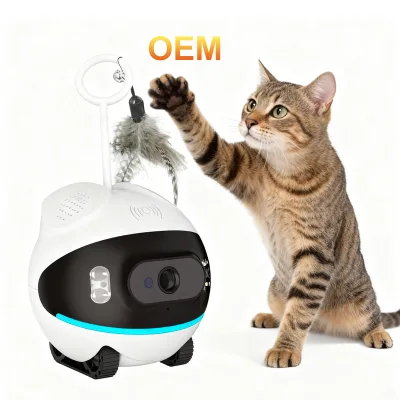
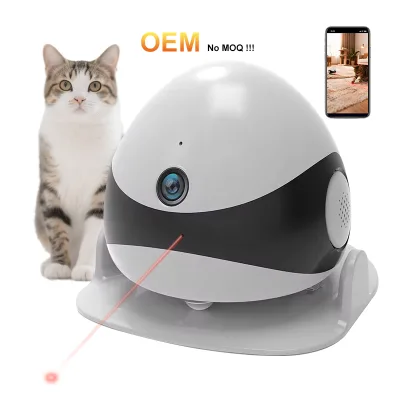
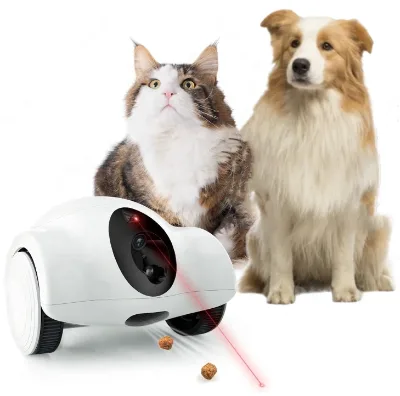


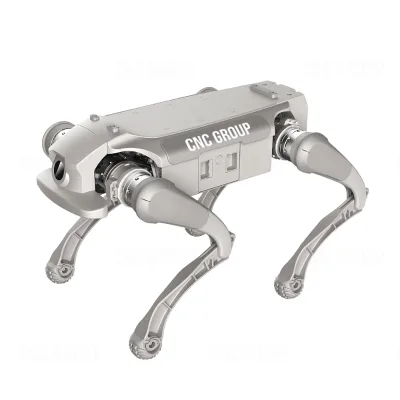
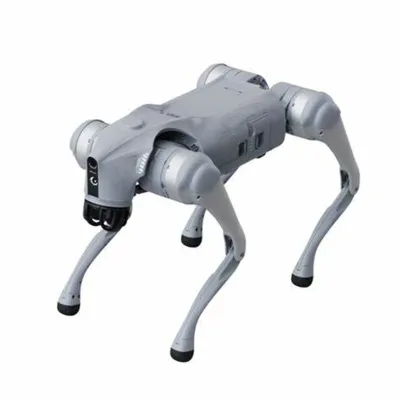
Smart Interactive Pet Robot, Cute and Interactive, Always by Your Side
$278.00 - $368.00
MOQ: 1 Pieces


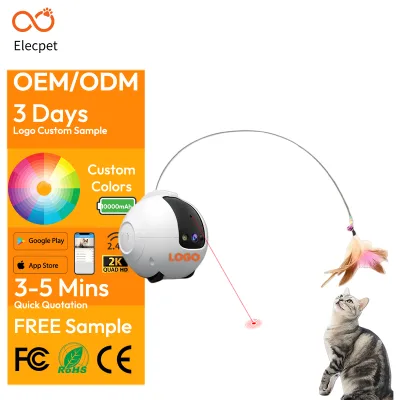
Factory Direct Sale Pet Camera Robot for Cat Interactive Automatic Teasing Toy
$50.00 - $99.00
MOQ: 30 Pieces

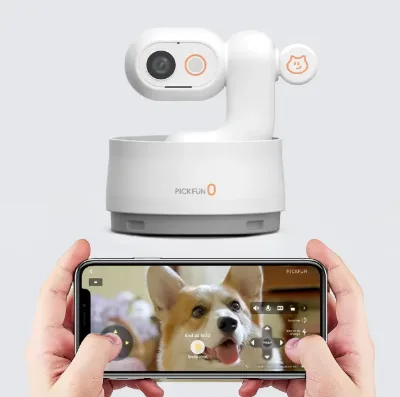
Intelligent Wireless IP Camera Smart Interactive Pet Security Robot with Night Vision
$35.00 - $69.00
MOQ: 10 Pieces


Interactive Electri Pet Camera Robot with Treat Dispenser and Two Way Voice
$50.00 - $99.00
MOQ: 30 Pieces


Comprehensive Sourcing Guide
Strategic Sourcing Guide for Smart Pet Camera Robots
Navigating the B2B procurement landscape for smart pet camera robots requires a disciplined approach that separates observed product attributes from generalized market claims. Buyers entering this sector must understand that the term "Smart Pet Camera Robot" encompasses a diverse range of hardware configurations, from battery-powered units with specific resolution capabilities to larger educational robotics with different power sources. The following guide synthesizes available product data to establish a framework for evaluating suppliers, verifying technical specifications, and ensuring compliance without relying on unverified assertions.
Technical Specifications and Hardware Verification
When sourcing smart pet camera robots, the first priority is validating the core hardware specifications against the intended application. The market data indicates a significant variance in power systems and imaging capabilities. Some units are designed as battery-powered devices requiring three No. 7 batteries, while others feature substantial built-in 10,000mAh rechargeable Li-ion batteries. This distinction is critical for procurement, as it dictates the operational lifespan and charging infrastructure requirements for the end-user.
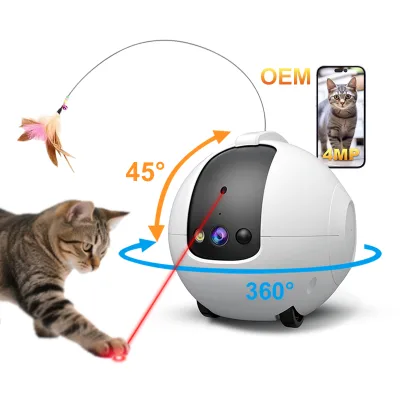
Resolution is another primary differentiator. Observed listings include devices with 4MP (2560*1440) resolution, offering 1440p clarity, which is suitable for detailed monitoring. However, buyers must verify if this resolution is standard across all models or specific to high-end variants. The field of view is equally important; certain models offer horizontal 360° and vertical 45° pan/tilt capabilities, ensuring comprehensive coverage of a room. Connectivity standards typically include 2.4G WiFi and Type C DC 5V charging ports, though the specific voltage and current requirements must be confirmed for each batch.
Storage solutions vary significantly, with some units supporting up to 128GB TF cards while others are limited to 64GB. This impacts the duration of video retention and the need for cloud storage subscriptions. Additionally, the operating temperature range is a vital specification for outdoor or unheated indoor deployments. Verified data suggests an operating range of -10°C to 50°C, but buyers should request thermal testing reports to ensure reliability in extreme conditions. The physical dimensions also vary, with some models measuring approximately 10.5x16.5x18cm, while others are larger, such as those with a standard of 143143146mm. Weight is another variable, ranging from lightweight 700g units to heavier 800g or 460g configurations, which affects portability and mounting options.
Compliance and Certification Standards
In the B2B electronics sector, compliance is not merely a formality but a prerequisite for market access and liability protection. The observed product data lists several certifications, including CCC, CE, and RoHS. These are standard requirements for electronics sold in China (CCC) and the European Union (CE, RoHS). However, the presence of these certifications on a product listing does not guarantee that every unit in a bulk order is certified. Buyers must treat these as observations of specific models rather than universal attributes of the entire category.
The CCC certification is mandatory for products sold within the Chinese market, while CE indicates conformity with health, safety, and environmental protection standards for the European Economic Area. RoHS compliance ensures that the product does not contain hazardous substances like lead or mercury. When evaluating suppliers, procurement teams should request valid, up-to-date certification documents that match the specific model number, such as JS-RT09 or FK-SPC025. Relying on generic certification claims without verifying the document against the specific batch can lead to customs seizures or legal liabilities.
Furthermore, the material composition must be verified. Listings indicate the use of ABS plastic and general plastic materials. While ABS is a durable and common choice for electronic housings, buyers should confirm that the specific grade of plastic meets fire safety and impact resistance standards relevant to their target market. For products intended for children or educational use, additional safety standards regarding small parts and battery safety may apply, even if the primary listing focuses on pet camera functionality.
Cost Drivers and Pricing Dynamics
The pricing for smart pet camera robots in the observed data spans a wide range, from $9.58 to $4,000. This disparity is driven by several factors, including the complexity of the internal electronics, the capacity of the battery, the resolution of the camera sensor, and the inclusion of advanced features like full-color night vision. Units with 4MP resolution and 10,000mAh batteries naturally command a higher price point compared to basic models requiring standard No. 7 batteries.
The Minimum Order Quantity (MOQ) is another significant cost driver. The observed MOQ range is 1 to 500 units. Suppliers with lower MOQs often charge a premium per unit to cover setup and production line costs for smaller batches. Conversely, larger orders may benefit from economies of scale, but the buyer must consider the total cost of ownership, including shipping, duties, and inventory holding costs. The "Small Orders: Accepted" attribute suggests flexibility, but buyers should negotiate based on the specific volume to optimize the unit price.
Customization is a key variable affecting cost. The data indicates that customization and logo printing are available. Custom molds, private mold usage, and specific branding requirements will increase the initial tooling costs and potentially the per-unit price. Buyers should clearly define their customization needs early in the negotiation process to avoid unexpected surcharges. Additionally, the packaging type, such as color boxes or PP and box combinations, influences the final cost. Premium packaging may be necessary for retail-ready products, while bulk shipping might utilize simpler packaging to reduce expenses.
Typical Applications and Use Cases
The versatility of smart pet camera robots allows them to serve multiple applications beyond simple pet monitoring. The observed data highlights specific attributes such as "Recording dialogue walking" and "Educational Robots," indicating that these devices can be adapted for interactive play and learning environments. For pet owners, the primary use case is remote monitoring, allowing users to check on their pets via smartphone apps with features like two-way audio and night vision.
The "Kids" and "Educational" attributes suggest a secondary market segment where these robots function as interactive learning tools. In this context, the device may be used to teach children about technology, robotics, or animal care. The "Chronograph" function and "Android 9" operating system on some models further expand their utility, potentially allowing for the installation of third-party applications or integration with smart home ecosystems.
The operating temperature range of -10°C to 50°C makes these devices suitable for a variety of indoor and semi-outdoor environments. However, buyers must ensure that the specific application environment matches the device's capabilities. For instance, using a device with a standard battery in a cold environment might result in reduced performance, whereas a unit with a robust Li-ion battery might perform better. The storage capacity also plays a role in determining the suitability for continuous recording versus event-based recording.
Supplier Evaluation and Verification
Evaluating suppliers for smart pet camera robots requires a rigorous due diligence process. The origin of the products is consistently listed as China, with specific mentions of Guangdong as a place of origin. This region is a major hub for electronics manufacturing, but it also hosts a wide range of suppliers with varying levels of quality and reliability. Buyers should verify the supplier's business license, production capacity, and history of exporting to their target market.
The "OEM" brand name and "Customized" attributes indicate that many suppliers operate as Original Equipment Manufacturers. This means they produce generic designs that can be rebranded. Buyers should assess the supplier's ability to maintain quality control during the customization process. The availability of "Private Mold" services is a strong indicator of a supplier's capability to produce unique designs, but it also requires a higher level of trust and investment.
When communicating with suppliers, buyers should request detailed product datasheets that match the specific model numbers observed, such as FK-SPQ008 or FK-SPC026. It is essential to confirm that the specifications listed in the datasheet match the physical samples provided. Discrepancies between the listing and the actual product can lead to significant issues in the supply chain. Additionally, buyers should inquire about the supplier's quality control procedures, including incoming material inspection, in-process testing, and final product testing.
Quality Control and Long-Term Procurement
Quality control is paramount when sourcing electronic devices like smart pet camera robots. The observed data includes various specifications, but the consistency of these specifications across a production batch is not guaranteed. Buyers should implement a robust quality control plan that includes pre-production sample approval, during-production inspections, and pre-shipment inspections. Key areas to focus on include the functionality of the camera, the reliability of the battery, the durability of the casing, and the accuracy of the connectivity features.
Long-term procurement considerations involve building a sustainable relationship with suppliers. This includes establishing clear communication channels, agreeing on service level agreements, and planning for future product iterations. The "Small Orders: Accepted" attribute suggests that suppliers are flexible, but buyers should aim to scale their orders to secure better pricing and priority support. Additionally, buyers should consider the lifecycle of the product, including the availability of spare parts, firmware updates, and technical support.
The storage capacity and battery life are critical factors for long-term satisfaction. Buyers should verify that the devices can handle the expected usage patterns without frequent failures. For example, a device with a 10,000mAh battery should be tested to ensure it meets the advertised runtime under typical usage conditions. Similarly, the storage capacity should be tested to ensure it can handle the expected volume of video data without corruption or loss.
Comparison of Key Product Attributes
To assist in the decision-making process, the following table summarizes the key attributes observed in the product data. This comparison highlights the diversity of the market and the importance of selecting the right product for specific needs.
| Attribute | Observation 1 | Observation 2 | Observation 3 |
|---|---|---|---|
| Power Source | 3 No. 7 Batteries | Built-in 10,000mAh Li-ion | Electric (General) |
| Resolution | 4MP (2560*1440) | 1440p | Not Specified |
| Night Vision | IR & Full-Color | Not Specified | Not Specified |
| Storage | Max 128GB TF Card | 64 GB | Not Specified |
| Weight | 700g | 460g | 80g |
| Dimensions | 10.5x16.5x18cm | 143143146mm | 136117147mm |
| Certification | CCC, CE, RoHS | Not Specified | Not Specified |
| Material | ABS, Plastic | Plastic | Not Specified |
| Function | Recording Dialogue | Educational | Chronograph |
| OS | Android 9 | Not Specified | Not Specified |
This table illustrates that no single product satisfies all attributes. Buyers must prioritize their requirements and select the model that best aligns with their specific use case. Whether the priority is battery life, resolution, or educational functionality, the data supports a targeted approach to sourcing.
In conclusion, sourcing smart pet camera robots requires a meticulous evaluation of technical specifications, compliance, and supplier capabilities. By adhering to the observed data and avoiding unverified claims, buyers can make informed decisions that ensure product quality and market success. The diversity of the market offers opportunities for customization and innovation, but it also demands a disciplined procurement strategy to navigate the complexities of global electronics supply chains.
FAQs
What battery options are available for smart pet camera robots?
Some models require three No. 7 batteries while others feature a built-in 10,000mAh rechargeable Li-ion battery. Buyers must verify the specific power system for each unit to ensure operational lifespan matches their needs.
Which certifications are standard for these electronic devices?
Observed listings include CCC, CE, and RoHS certifications for specific models like JS-RT09. These indicate compliance for Chinese and European markets, but buyers should request valid documents matching the exact batch.
How does the camera resolution vary across different models?
Certain units offer 4MP resolution providing 1440p clarity for detailed monitoring. However, this specification is not universal, so buyers must confirm the sensor capabilities for each specific product variant before ordering.
Can suppliers accept small order quantities for these robots?
Yes, small orders are accepted with minimum quantities ranging from 1 to 500 units. This flexibility allows buyers to test the market, though larger volumes may secure better per-unit pricing through economies of scale.
What customization services are available for branding these products?
Customization is available including logo printing and private mold usage for unique designs. Buyers should define these needs early as custom molds and specific branding requirements will increase initial tooling and per-unit costs.
Where are these smart pet camera robots typically manufactured?
Products originate from China, with specific mentions of Guangdong as a manufacturing hub. Buyers should verify supplier business licenses and production capacity in this region to ensure reliability and quality control standards.
What is the typical operating temperature range for these devices?
Verified data suggests an operating range of -10°C to 50°C for reliable performance. Buyers should request thermal testing reports to ensure the device functions correctly in extreme conditions before deployment.