Source Square Flange Linear Guideway for CNC, Automation, and Robotics
Explore 30 listings for Square Flange Linear Guideway options featuring ISO 9001 certification and custom sizes. Buyers can compare models like SBR and SER-GD, check carrying capacities, and review OEM services for automatic systems; compare the available evidence and request quotations based on your requirements.
Updated
Key considerations
Products List


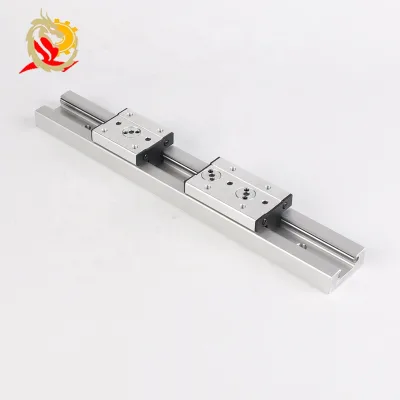
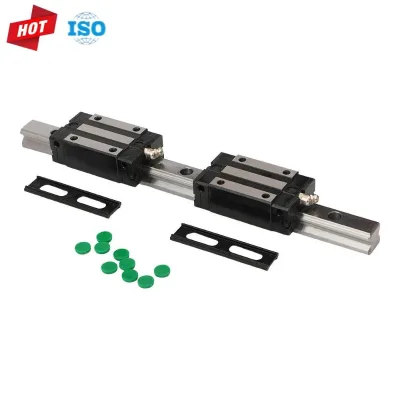
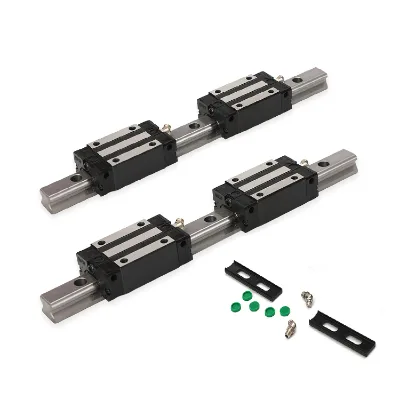
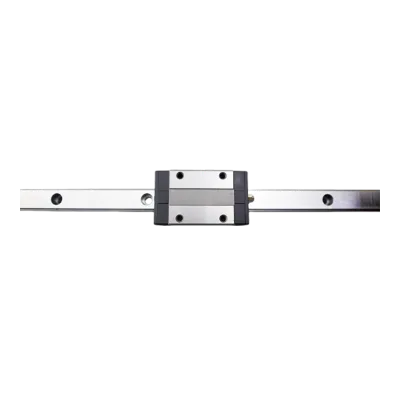
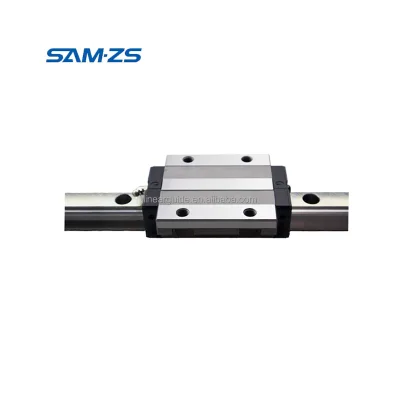
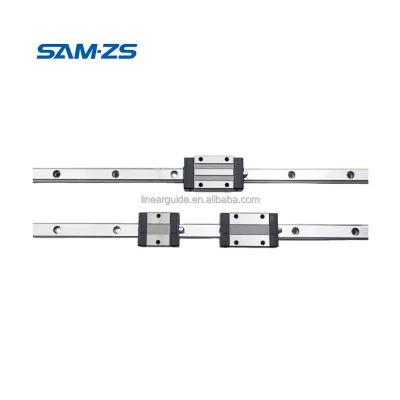
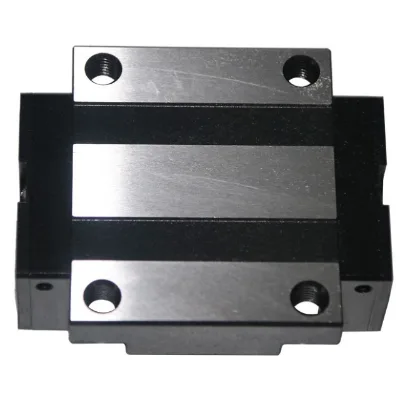
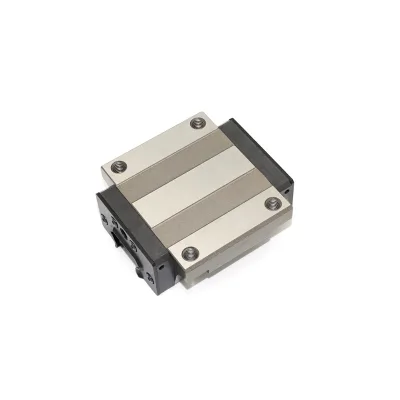
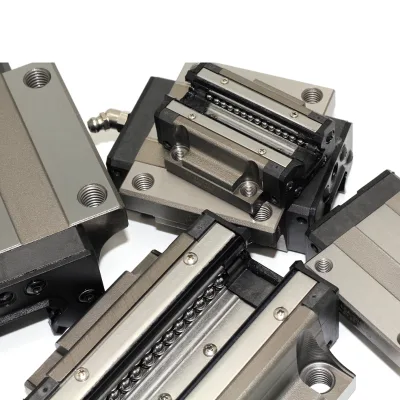
High Precision Linear Guideway Heavy Load Linear Guide with Square Type
$10.00 - $40.00
MOQ: 10 Pieces
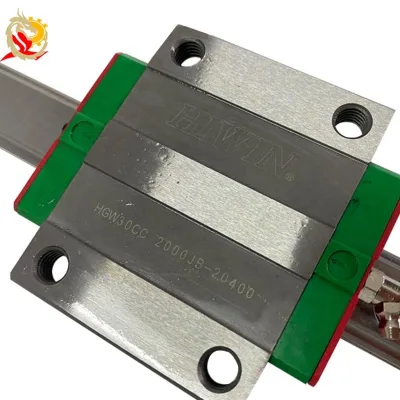
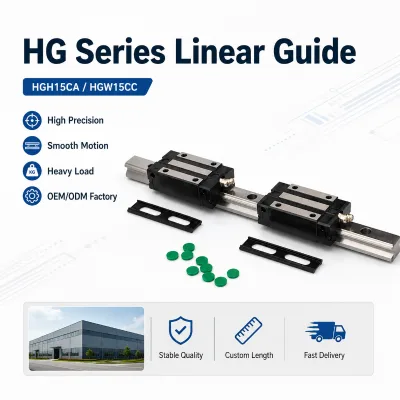
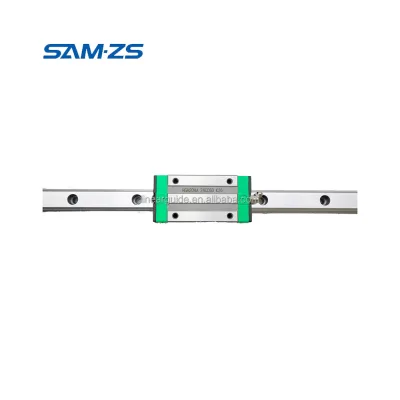
High Load Flange Linear Guide Bearing Linear Guide HGW30 Rail Block HG Series Linear Guideway
$60.00 - $80.00
MOQ: 100 pieces
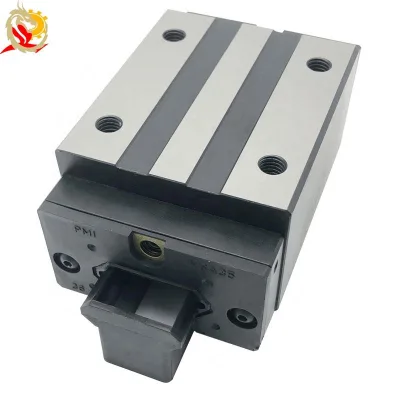
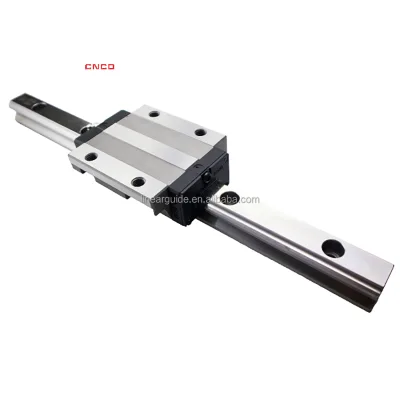
EGW25SA Flange Linear Motion Guide Block EGW25CA Slider 25mm Linear Rail
$80.00 - $120.00
MOQ: 100 pieces


Comprehensive Sourcing Guide
Square Flange Linear Guideway Sourcing Guide
Procuring square flange linear guideways requires a disciplined approach to verifying mechanical compatibility and supply chain reliability. Buyers must first confirm that the selected block type aligns with their machine’s spatial constraints, as square and flange configurations offer distinct mounting footprints. The observed market data indicates a strong presence of square type and flange type options, allowing engineers to choose based on load distribution needs and installation geometry. Understanding these structural differences is critical before initiating any procurement cycle, as mismatched block types can lead to significant integration delays and increased engineering costs.
Beyond physical dimensions, the sourcing strategy must account for the specific running mode and driven type required by the application. The available inventory highlights products designed for moving applications, often driven by step motors or bearings, which dictates the precision and speed capabilities of the final assembly. Buyers should evaluate whether the linear guide rail and block structure supports their specific automation needs, ensuring that the chosen components integrate seamlessly with existing CNC machines or automatic systems. This foundational verification prevents costly redesigns and ensures that the mechanical transmission system performs as intended under operational loads.
Product Scope and Observed Listing Signals
The current market landscape for square flange linear guideways presents a diverse array of models, with observed listings featuring specific designations such as SBR and SER-GD series variants. These models often correspond to standard sizes ranging from 15mm to 45mm, providing flexibility for various industrial applications. Buyers should note that the product scope includes both rectangular and flange slider types, each offering unique advantages in terms of rigidity and ease of installation. The presence of customized color options, such as red and green sliders, alongside standard black variants, suggests that suppliers are catering to specific visual identification needs within complex machinery assemblies.
Inventory signals indicate that many suppliers maintain rich stocks of these components, which can significantly reduce lead times for urgent procurement needs. The observed minimum order quantities (MOQ) range from 1 to 100 pieces, offering scalability for both prototyping and mass production phases. Additionally, the availability of OEM and ODM services implies that buyers can request tailored solutions, including specific packaging requirements like wooden cases or cartons. This flexibility in commercial terms allows procurement teams to align purchasing volumes with their production schedules, minimizing inventory holding costs while ensuring a steady supply of critical linear motion components.
Technical Specifications to Verify
When evaluating technical specifications, buyers must prioritize the precision level and hardness of the slider to ensure long-term performance. The market offers precision levels ranging from N to up, with high-hardness sliders rated at 60-62HRC, which are essential for maintaining accuracy under heavy loads. It is crucial to verify that the linear guideway type matches the application’s speed and load requirements, with ball type linear guides being a common choice for smooth and quick running performance. Confirming these mechanical properties helps prevent premature wear and ensures that the linear motion system operates efficiently throughout its service life.
The maximum length of the rail and the guide length are also critical parameters that must align with the machine’s travel requirements. Observed specifications indicate guide lengths ranging from 100mm to 4000mm, with some rails supporting up to 4000mm in maximum length. Buyers should verify the carrying capacity, which is often categorized as middle-level, to ensure the component can handle the intended payload without deformation. Additionally, the surface treatment, typically polished, contributes to reduced friction and improved durability. Ensuring that these technical details are accurately documented in the purchase order prevents mismatches between the ordered components and the machine’s design specifications.
Compliance and Safety Documentation
Compliance with international quality standards is a non-negotiable aspect of sourcing linear guideways, particularly for applications in automated systems and CNC machines. Buyers should verify that suppliers hold valid ISO 9001 certifications, which may include versions such as 2000 or 2015, indicating a robust quality management system. The presence of CE certification is also a key indicator of compliance with European safety and environmental standards, which is essential for exports to regulated markets. Ensuring that the supplier’s documentation includes these certifications provides assurance that the manufacturing processes adhere to recognized quality benchmarks, reducing the risk of receiving non-compliant products.
In addition to quality certifications, buyers must confirm the warranty terms for core components, which are typically offered for one year. This warranty coverage is a critical factor in mitigating the financial risk associated with early component failure. Suppliers should also provide evidence of material quality, such as the use of high-quality steel materials, which directly impacts the corrosion resistance and overall durability of the linear guideway. Verifying these compliance and safety documents before placing an order ensures that the procurement process meets all regulatory requirements and protects the buyer from potential liabilities related to product performance and safety.
Cost Drivers and Commercial Terms
Several factors influence the final cost of square flange linear guideways, with customization and packaging being significant drivers. Buyers should anticipate variations in pricing based on the level of customization required, such as specific slider colors or modified block types. The choice of packaging, whether wooden packing, wooden boxes, or cartons, also affects the total cost due to material and labor expenses. Understanding these cost drivers allows procurement teams to negotiate more effectively and allocate budgets accurately, ensuring that the total cost of ownership remains within acceptable limits without compromising on quality or performance.
Commercial terms, including MOQ and lead times, play a crucial role in the overall procurement strategy. While observed MOQs are relatively low, ranging from 1 to 100 pieces, buyers should confirm these terms with the supplier to avoid unexpected minimum order requirements. The availability of OEM services may also impact pricing, as custom manufacturing often incurs additional setup costs. Additionally, the origin of the product, typically China, can influence shipping costs and import duties. Buyers should factor in these logistical considerations when evaluating quotes, ensuring that the total landed cost aligns with their financial objectives and supply chain constraints.
Supplier Qualification and Quality Control
Supplier qualification is a critical step in ensuring the reliability of Square Flange Linear Guideway purchases. Buyers should verify that the supplier has a proven track record in manufacturing linear motion components, with a focus on quality control processes. The observed data indicates that many suppliers perform 100% inspection before shipment, which is a vital step in catching defects before they reach the customer. This rigorous quality control measure helps ensure that every component meets the specified precision and hardness requirements, reducing the risk of receiving defective products that could disrupt production lines.
In addition to inspection processes, buyers should assess the supplier’s ability to provide consistent product quality across multiple orders. The availability of rich stocks suggests that the supplier has robust inventory management systems, which can help maintain consistent supply even during peak demand periods. Buyers should also inquire about the supplier’s response to quality issues, including their return and replacement policies. Establishing a clear communication channel for quality concerns ensures that any discrepancies are addressed promptly, maintaining the integrity of the supply chain and protecting the buyer’s operational continuity.
Long-Term Procurement Checks
Long-term procurement success depends on establishing a sustainable relationship with suppliers who can consistently meet evolving needs. Buyers should regularly review supplier performance metrics, including delivery times, product quality, and responsiveness to issues. The availability of OEM and ODM services indicates that suppliers are capable of adapting to changing design requirements, which is essential for long-term projects. By maintaining open communication and providing feedback, buyers can help suppliers improve their offerings and ensure that the linear guideways continue to meet the specific needs of their applications.
Additionally, buyers should monitor market trends and technological advancements in linear motion technology to stay ahead of potential obsolescence. The observed range of models and specifications suggests a dynamic market with continuous innovation. By staying informed about new developments, buyers can make proactive decisions about upgrading their components or switching suppliers if necessary. Regularly auditing the supply chain and evaluating alternative sources ensures that the procurement strategy remains resilient and adaptable, securing a reliable supply of high-quality square flange linear guideways for future projects.
FAQs
What certifications do the square flange linear guideways have?
The products hold ISO 9001 and CE certifications to ensure quality compliance. Some listings also reference ISO 9001:2000 and ISO 14001 standards. These certifications verify that the manufacturing processes meet international quality management requirements for industrial components.
Which specifications are available for the linear guide rails?
Available sizes include 15mm, 20mm, 25mm, 30mm, 35mm, and 45mm widths. The maximum rail length can reach 4000mm, with guide lengths ranging from 100mm to 4000mm. These dimensions support various automatic system and CNC machine applications effectively.
Can I customize the color of the slider blocks?
Yes, customization is available for the slider color, including options like red, green, and black. Some listings explicitly state that the color of the slider can be customized to meet specific buyer requirements for identification or aesthetic purposes in industrial settings.
What is the minimum order quantity for these guideways?
The minimum order quantity is typically 10 pieces, though some sources indicate a range from 1 to 100 units. Buyers can often negotiate based on stock availability, as rich stocks are maintained for standard models like SBR and SER-GD series.
How is the hardness of the slider determined?
The hardness of the slider is rated between 60 and 62 HRC for durability. This high hardness ensures long service life and resistance to wear during operation. The material used is high-quality steel, treated to achieve these precise mechanical properties.
What packing methods are used for shipping these products?
Products are shipped using wooden packing, wooden boxes, or cartons and wooden cases. This robust packaging protects the linear guides during transit. The choice of packing depends on the specific order size and shipping requirements to ensure safe delivery.
Which driven types are used in these linear guide systems?
The systems utilize step motors or bearings as the driven type for movement. These components enable the running mode to be moving, ensuring smooth and quick performance. The structure combines rail and slider elements for efficient operation in automatic systems.