Parallel Type Air Gripper Suppliers and Manufacturers
Compare 26 verified suppliers offering Parallel Type Air Gripper components from Zhejiang, China. Evaluate response times, lead times, and product specifications like stroke and material before requesting quotes to ensure your automation needs are met efficiently; review the available evidence before requesting comparable quotations from suitable candidates.
Updated
Suppliers List
Ningbo Airtop Pneumatic Hydraulic Co., Ltd.
- Manufacturer, Trading Company
- Zhejiang, China
- Lead time10 days
- Avg. response≤ 3h
Main productsPneumatic components,Hydraulic componets
Main marketsNorth America(60.00%), Western Europe(20.00%), South America(10.00%), Mid East(10.00%)

Ningbo Vpc Pneumatic Co., Ltd.
- Verified by SGS
- Combined
- China Zhejiang
- Lead time15 days
- Avg. response≤ 2h
Main marketsSouth America,Africa,Southeast Asia/ Mideast,Europe,Australia,North America

Ningbo Xinchao Automatization Component Co., Ltd.
- Verified by BV
- Combined
- China Zhejiang
- Lead time30 days
- Avg. response≤ 11h
Main productsPneumatics, Pneumatic Cylinder, Solenoid Valve, Frl, Pneumatic Fitting, Cylinder Accessories, Air Cylinder, Air Units, Pneumatic Actuator, Metal Fitting
Main marketsSouth America,Africa,Southeast Asia/ Mideast,East Asia(Japan/ South Korea),Domestic,Europe,Australia,North America


Ce Pneumatic Factory Wholesale Most Popular Xhz Series Style Air Gripper
$22.44 - $44.90
MOQ: 10 Pieces


Wenzhou HOEN Pneumatic Hydraulic Co.,Ltd
- Manufacturer, Trading Company
- Zhejiang, China
- Lead time0 days
- Avg. response≤ 6h
Main productsAir cylinder,Pneumatic valve,Air source treatment filter,Connector,Air tube
Main marketsDomestic Market(70.00%), Oceania(10.00%), Eastern Europe(5.00%), Western Europe(5.00%), North America(5.00%), Southeast Asia(5.00%)
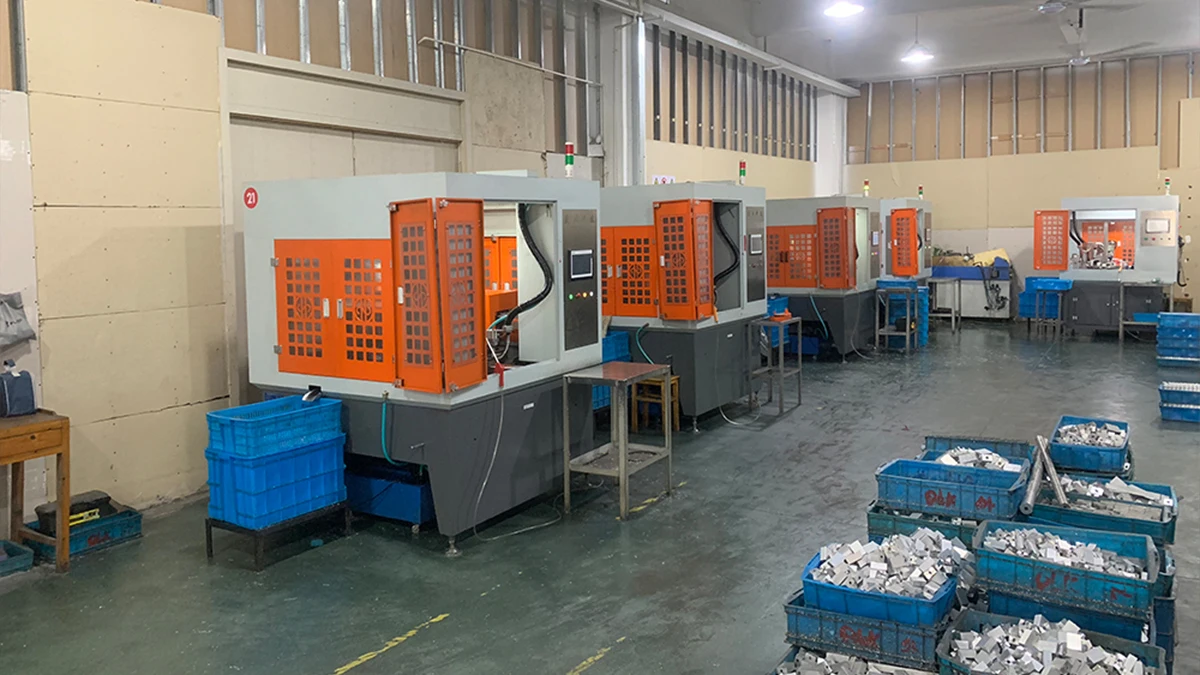
ZJHD Automation Technology Co., Ltd.
- Manufacturer, Trading Company
- Zhejiang, China
- Lead time15 days
- Avg. response≤ 2h
Main productsPneumatic Cylinder,Solenoid Valve,Air Treatment Units,Pneumatic Fitting,Pneumatic Accessories
Main marketsNorth America(20.00%), Northern Europe(15.00%), Southeast Asia(15.00%), Mid East(15.00%), South America(10.00%), Southern Europe(5.00%), Eastern Europe(5.00%), Western Europe(5.00%), Eastern Asia(5.00%), Africa(5.00%)
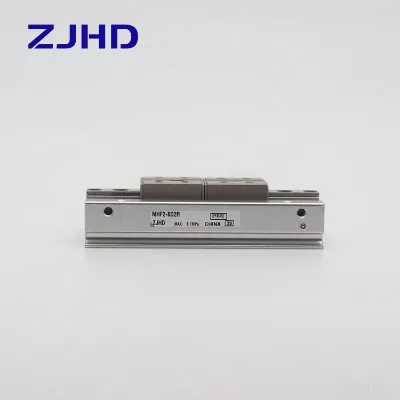
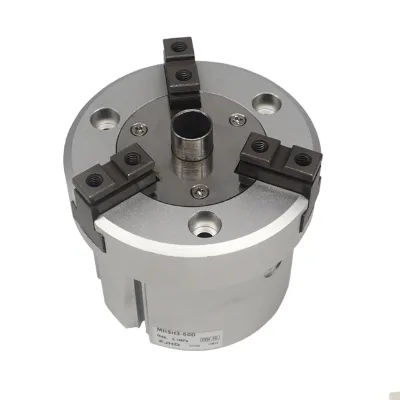
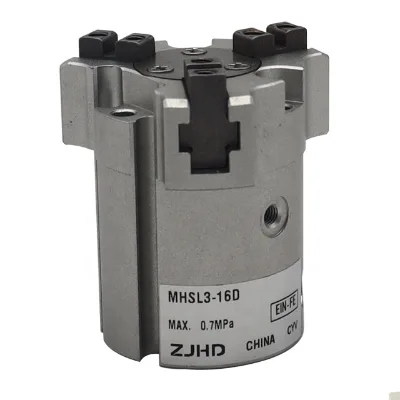
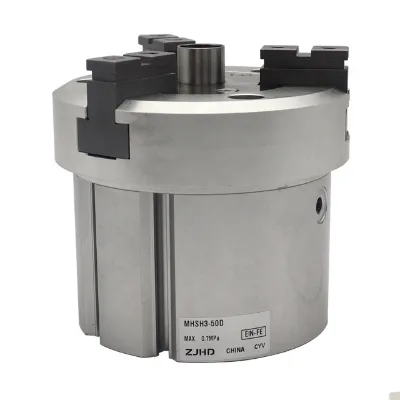
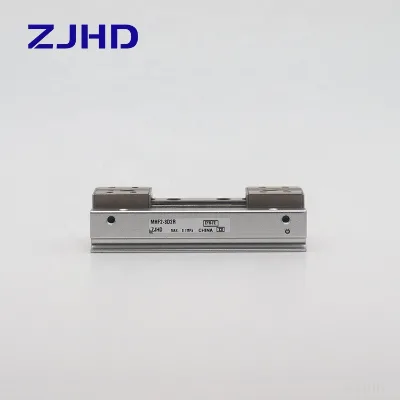
Itches Parallel Type Air Gripper 3-Finger Type Through-hole Type MHSH3-50D
$126.9855 - $129.0497
MOQ: 1 pieces
Ningbo Alita Pneumatic Co., Ltd.
- Verified by SGS Group
- Manufacturer, Trading Company
- Lead time10 days
- Avg. response≤ 5h
Main productsAir compressor, Solenoid Valve, Pneumatic Fitting, Air Preparation Unit, Pneumatic Cylinder
Main marketsNorth America(30%), South America(30%), Eastern Europe(10%)
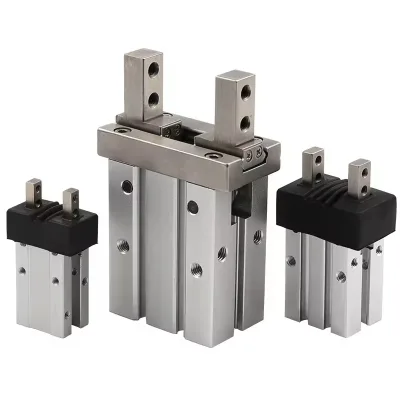
MHz Series High Quality Compact Type Parallel Style Air Gripper Finger Air Cylinder
$9.99 - $12.99
MOQ: 2 pieces
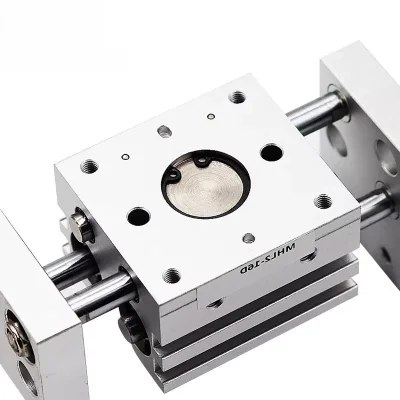
MHL Pneumatic Parallel Air Gripper Parallel Type 2 Finger Airtac Type Cylinder With Magnet
$12.99 - $15.99
MOQ: 10 pieces

Yueqing Right Pneumatic Co., Ltd.
- Verified by CTI
- Combined
- China Zhejiang
- Lead time15 days
- Avg. response≤ 2h
Main productsSolenoid Valve, Pneumatic Air Cylinder, Silencer, Air Operated Valves, Pneumatic Component, PU Tube/Pipe, Joint Pipe Fittings, Foot/Hand Valves, Air Filter Regulator, F. R. L
Main marketsSouth America,Africa,Southeast Asia/ Mideast,East Asia(Japan/ South Korea),Domestic,Europe,Australia,North America

Series Pneumatic Aluminium Air Parallel Finger Clamp Cylinder Air Gripper
$56.80 - $100.00
MOQ: 1 Pieces

MHz2 Air Pneumatic Parallel Grip Double Acting Air Robot Grippers Finger
$17.80 - $72.00
MOQ: 1 Pieces
Ningbo New Jiaxing Automatic Industry Co., Ltd.
- Verified by Intertek
- Manufacturer, Trading Company
- Lead time15 days
- Avg. response≤ 3h
Main productsAir Source Treatment, Solenoid Valve, Pneumatic Cylinder, Pneumatic Fitting, Pneumatic Accessories
Main marketsNorth America(30%), Domestic Market(20%), Eastern Europe(10%)
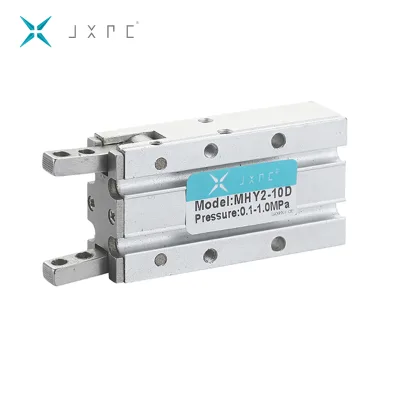
JHY Pneumatic Parts Air Gripper
$15.00 - $20.00
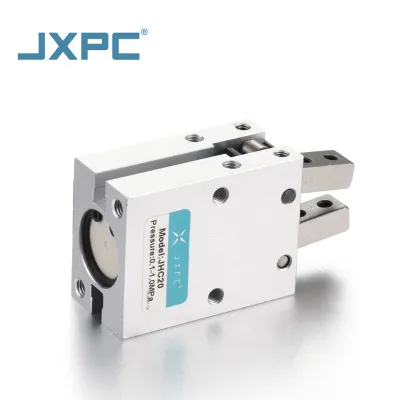
MHC2 Angular Type Air Gripper Double Piston Air Cylinder Air Gripper for Machinery Application
$10.2823 - $13.3667
MOQ: 50 Minimum
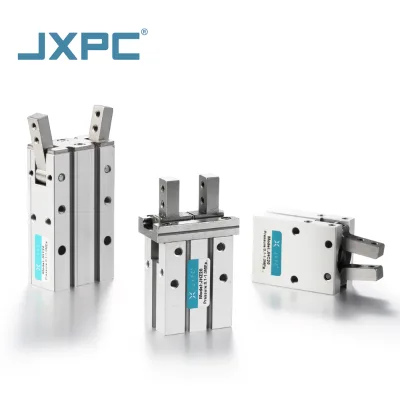
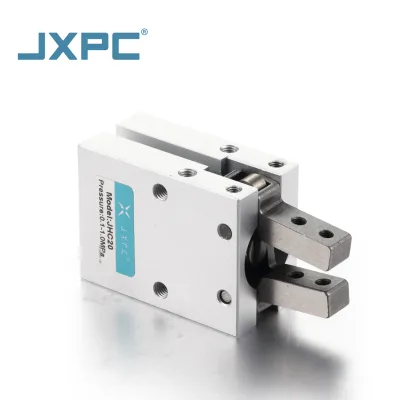
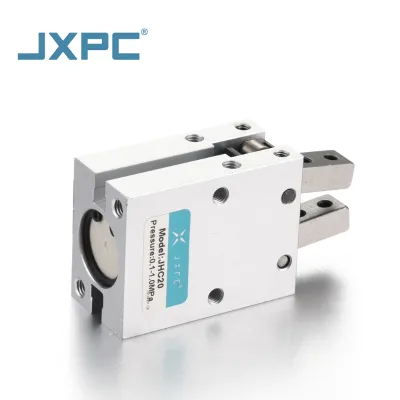
JHC Pneumatic Parts Two-Finger Double-Acting/Single-Acting Air Grippers
$10.3886 - $13.506
MOQ: 50 Minimum

SHANGHAI CHELIC PNEUMATIC CORP.
- Verified by SGS
- Combined
- China Shanghai
- Lead time15 days
- Avg. response≤ 1h
Main productsCylinder, Solenoid Valve, Pneumatic Cylinder, Pneumatic Valve, Pneumatic Component, Vacuum Components, Pneumatic Fitting, Gripper, Pneumatic Accessories, Frl Filter
Main marketsSoutheast Asia/ Mideast,Europe


$99.88 - $100.88
MOQ: 1 Pieces

CHELIC Wide Type Air Gripper, Parallel Shift Clamp, Double-Acting for Large Workpiece Handling
$70.68 - $70.88
MOQ: 1 Pieces

CHELIC Wide Type Air Gripper with Parallel Shift Clamp, Lubrication-Free Cylinder
$70.68 - $70.88
MOQ: 1 Pieces

CHELIC Precision 3-Finger Air gripper, Anodized Aluminum Body, Max Operating Frequency
$197.68 - $198.68
MOQ: 1 Pieces

Ningbo VPC Pneumatic Co., Ltd.
- Verified by CTI
- Combined
- China Zhejiang
- Lead time15 days
- Avg. response≤ 2h
Main productsPneumatic Cylinder, Solenoid Valves, Filter Lubrication and Regulator, Pneumatic Fitting, Air Hose, PU Tube, Metal Fitting, Pneumatic Components, Pneumatic, Air Cylinder
Main marketsSouth America,Africa,Southeast Asia/ Mideast,East Asia(Japan/ South Korea),Domestic,Europe,Australia,North America
Suzhou Linsan Intelligent Equipment Co., Ltd.
- Trading Company
- Jiangsu, China
- Lead time0 days
- Avg. response≤ 1h
Main productsSensors, Pneumatic Components, Modules, Collaborative Robots
Main marketsDomestic Market(30.00%), North America(10.00%), Southern Europe(10.00%), Northern Europe(10.00%), Western Europe(10.00%), Mid East(10.00%), Eastern Europe(10.00%), South America(10.00%)

Suzhou Buswille Intelligent Technology Co., Ltd.
- Verified by TUVRHEINLAND
- Combined
- China Shanghai
- Lead time15 days
- Avg. response≤ 1h
Main productsWelding Robot, Electric Screwdriver, Collaborative Robot Arm, Industrial Robot Arm, Industrial Camera
Main marketsDomestic

Xingyu Electron (Ningbo) Co., Ltd.
- Verified by TUVRHEINLAND
- Combined
- China Zhejiang
- Lead time23 days
- Avg. response≤ 8h
Main productsValve, Solenoid Valve, Pneumatic Valve, Pneumatic Parts, Pneumatic Actuator, Solenoid Coils, Steam Valve, Control Valve, Angle Seat Valve, Drain Valve
Main marketsSouth America,Africa,Southeast Asia/ Mideast,East Asia(Japan/ South Korea),Domestic,Europe,Australia,North America
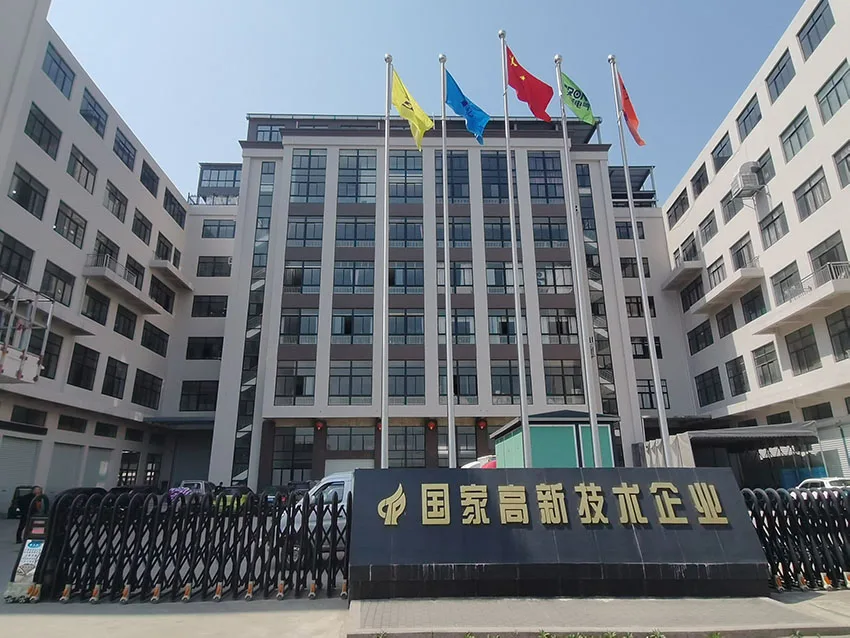
Hangzhou Changtuo Automation Equipment Co., Ltd.
- Manufacturer, Trading Company
- ZHEJIAN, China
- Lead time14 days
- Avg. response≤ 1h
Main productsair cylinder,Pneumatic finger,Slide table cylinder,Electric Cylinder,Module
Main marketsNorth America(40.00%), South Asia(30.00%), Mid East(10.00%), Africa(10.00%), Southeast Asia(10.00%)
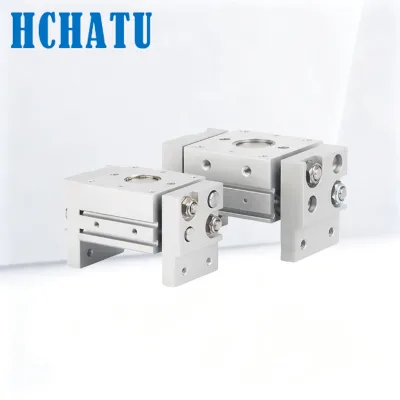
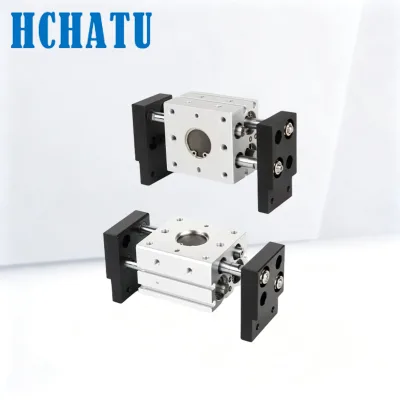
$11.6035 - $144.0402
MOQ: 1 Minimum
- Trading Company
- Hong Kong S.A.R.
- Lead time30 days
- Avg. response≤ 24h
Main productssoftware,robot,industiral solution
Main marketsEastern Asia(60.00%), Western Europe(40.00%)
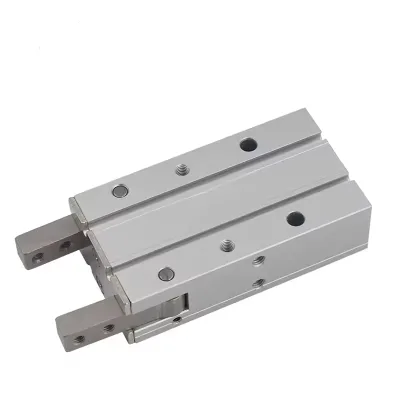
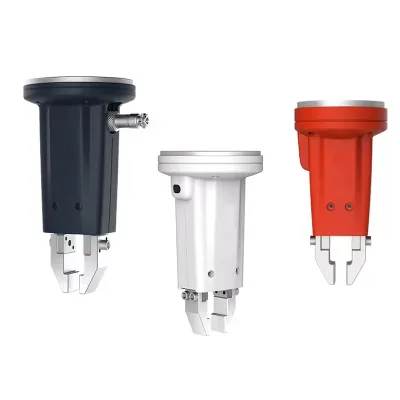
Cheap Collaborative Telescopic Mechanical Robot Arm Clamp Parallel Gripper Arm
$490.00 - $520.00
MOQ: 1
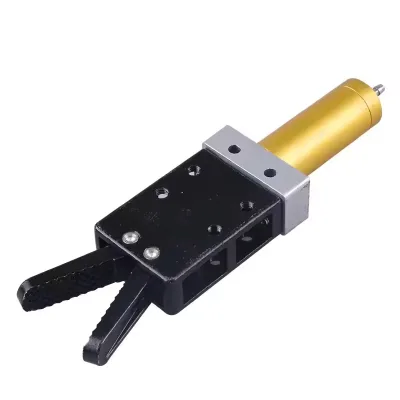
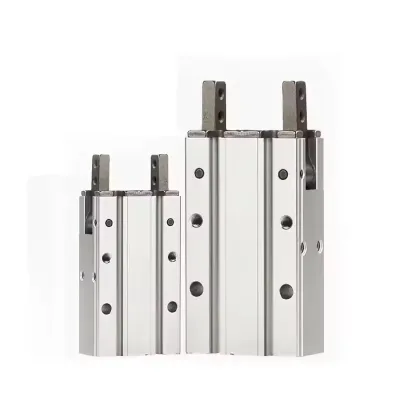
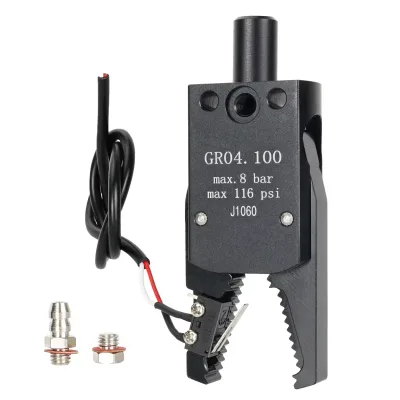
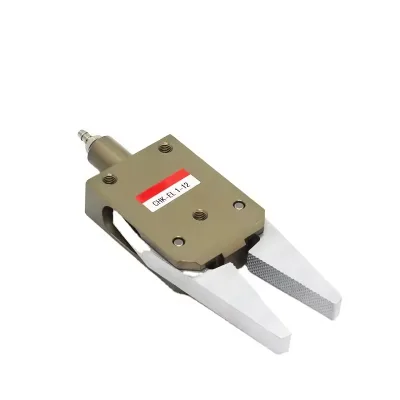
Type Automatic Manipulator Accessories Pneumatic Fixture Small Robot Cylinder Holder
$42.00 - $49.00
MOQ: 1

Suzhou Crg Robotics Technology Co., Ltd.
- Manufacturer
- Jiangsu, China
- Lead time15 days
- Avg. response≤ 5h
Main productsPneumatic Gripper , Robot Quick Changer, Aluminium Profiles, Air Nipper, Vacuum Cup
Main marketsDomestic Market(70.00%), Domestic Market(70.00%), Central America(6.00%), Central America(6.00%), Eastern Europe(4.00%), Eastern Europe(4.00%), Western Europe(3.00%), Southern Europe(3.00%), Western Europe(3.00%), Southern Europe(3.00%), Eastern Asia(2.00%), Northern Europe(2.00%), Mid East(2.00%), Southeast Asia(2.00%), South Asia(2.00%), Eastern Asia(2.00%), Northern Europe(2.00%), Mid East(2.00%), Southeast Asia(2.00%), North America(1.00%), South America(1.00%), Oceania(1.00%), Africa(1.00%), North America(1.00%), South America(1.00%), Oceania(1.00%), Africa(1.00%)
Yueqing Right Pneumatic Co., Ltd.
- Verified by SGS Group
- Manufacturer, Trading Company
- Lead time5 days
- Avg. response≤ 1h
Main productsPneumatic Cylinder, Air Source Treatment, Solenoid Valve
Main marketsDomestic Market(25%), Mid East(19%), North America(10%)
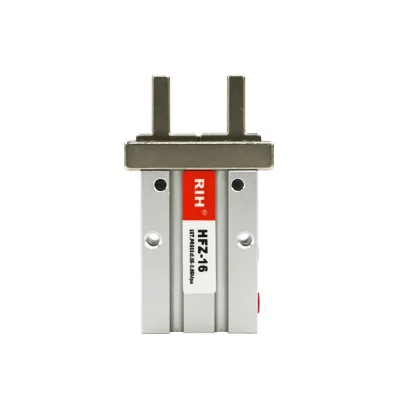
HFZ Double Acting Air Gripper HFY/HFR/HFZ Air Claw Pneumatic Parallel Finger Cylinder
$41.0137 - $46.1399
MOQ: 10 pieces
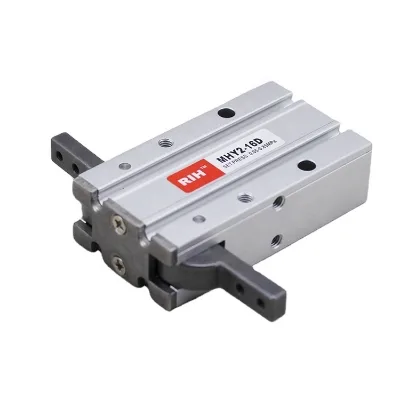
180 Degree Finger air Cylinder,double Acting MHY2 Series Pneumatic Finger Cylinder Gripper
$17.0038 - $31.6168
MOQ: 1 Minimum
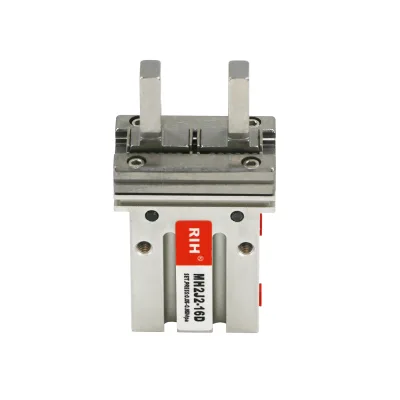
MH2J2-16D Series Pneumatic Aluminium Air Parallel Finger Clamp Cylinder Air Gripper
$251.00
MOQ: 1 Minimum
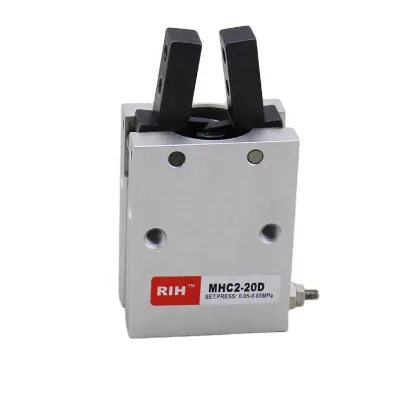
$7.3372 - $21.0754
MOQ: 1 Minimum

Zhejiang Ruituo Automation Co., Ltd.
- Verified by TUVRHEINLAND
- Combined
- China Zhejiang
- Lead time15 days
- Avg. response≤ 14h
Main productsPneumatic Fitting, Pneumatic Components, Brass Fitting, One-Touch Fitting, High-Pressure Fitting, Plastic Fitting, Regulating Valve, Mini Fitting
Main marketsOthers(foreignTradeCapacity.exportBusinessCapacityMarketOther)


Reliable Gripper Cylinder with Precision Finger Gripper Mechanism for Automation
$2.00 - $20.00
MOQ: 1 Pieces


High Performance Mini Air Cylinder with Durable Pneumatic Gripper Solutions
$2.00 - $20.00
MOQ: 1 Pieces

Shenzhen Seg Technology Co., Ltd
- Trading Company
- China Fujian
- Lead time90 days
- Avg. response≤ 1h
Main productsVariable Frequency Drive, Servo Motor, Servo Drive, Relay, Contactor, Sensor, Drive, Soft Starter, Circuit Breaker, Isolator Switch
Main marketsSouth America,Eastern Europe,Mid East,North America,Southeast Asia,Eastern Asia,Oceania,Western Europe,Africa
Zhejiang Jinzhi Pneumatic Technology Co., Ltd.
- Verified by Intertek
- Trading Company
- Lead time5 days
- Avg. response≤ 1h
Main productsAir Cylinder, Solenoid Valve, Pneumatic Fitting, Air Source Treatment, Air Tube
Main marketsEastern Europe(18%), Western Europe(18%), Southeast Asia(13%)
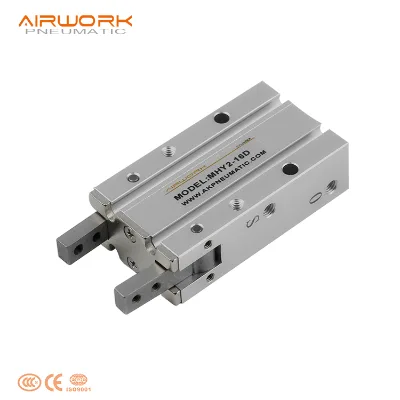
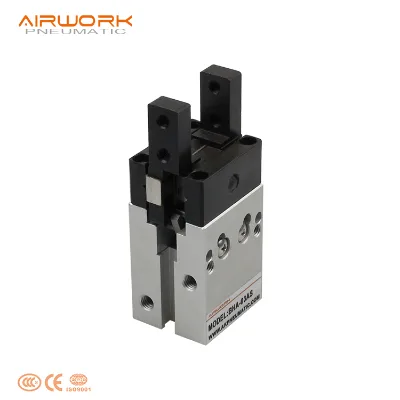
MHY2 HFR SMC Pneumatic 180 Degree Angular Type air Gripper Finger Cylinder
$16.40 - $45.24
MOQ: 1 Minimum
Yueqing Di Yi Pneumatic Technology Co., Ltd.
- Manufacturer, Trading Company
- Zhejiang, China
- Lead time0 days
- Avg. response≤ 4h
Main productsPneumatic vibrator,air cylinder,absorber,pneumatic fittin
Main marketsNorthern Europe(20.00%), Eastern Asia(15.00%), Southeast Asia(12.00%), South Asia(10.00%), North America(8.00%), Central America(8.00%), Africa(6.00%), Southern Europe(5.00%), Mid East(5.00%), Eastern Europe(3.00%), South America(3.00%), Oceania(2.00%), Domestic Market(2.00%), Western Europe(1.00%)

Beijing Zhongping Technology Co., Ltd.
- Verified by SGS
- Trading Company
- China Beijing
- Lead time15 days
- Avg. response≤ 2h
Main productsPLC, VFD, Breaker, Inverter, Switch, Pump, Hydraulic
Main marketsOthers(foreignTradeCapacity.exportBusinessCapacityMarketOther),Southeast Asia/ Mideast,Domestic,Europe

Air-Powered Soft Robotic Gripper for Rigid-Jaw Handling with Adjustable Grip Force Grippers
$1.00 - $9999.00
MOQ: 1 Pieces

Single Air Feed Gripper for Double Transfer with Rapid Feed Speed and Accuracy Grippers
$1.00 - $9999.00
MOQ: 1 Pieces

Air Gripper Pneumatic Cylinder for Electric Sorting with Grip Force Adjustment Cylinders
$1.00 - $9999.00
MOQ: 1 Pieces

Low-Profile Air Gripper for High-Profile Positioning with Compact Design Grippers
$1.00 - $9999.00
MOQ: 1 Pieces
Zhongshan Junling E-Commerce Co., Ltd.
- Trading Company
- Guangdong, China
- Lead time30 days
- Avg. response≤ 3h
Main productscylinder,solenoid valve,actuator,motor,valve
Main marketsAfrica(20.00%), Southeast Asia(20.00%), Eastern Europe(20.00%), South America(20.00%), North America(20.00%)

Ningbo Brando Hardware Co., Ltd.
- Manufacturer/Factory
- China Zhejiang
- Lead time23 days
- Avg. response≤ 5h
Main productsSolenoid Valve, Solenoid Coil, Solenoid Armature, Pneumatic Valve, Pneumatic Cylinder, Pneumatic Fitting, Pulse Valve, Refrigeration Valve, Ball Valve, Butterfly Valve
Main marketsSouth America,Eastern Europe,Mid East,North America,Southeast Asia,Eastern Asia,Oceania,Western Europe,Africa

BC-MH16D 2 Finger Parallel Double Acting Aluminum Pneumatic Air Gripper Cylinder
$26.00 - $40.00
MOQ: 200 Pieces

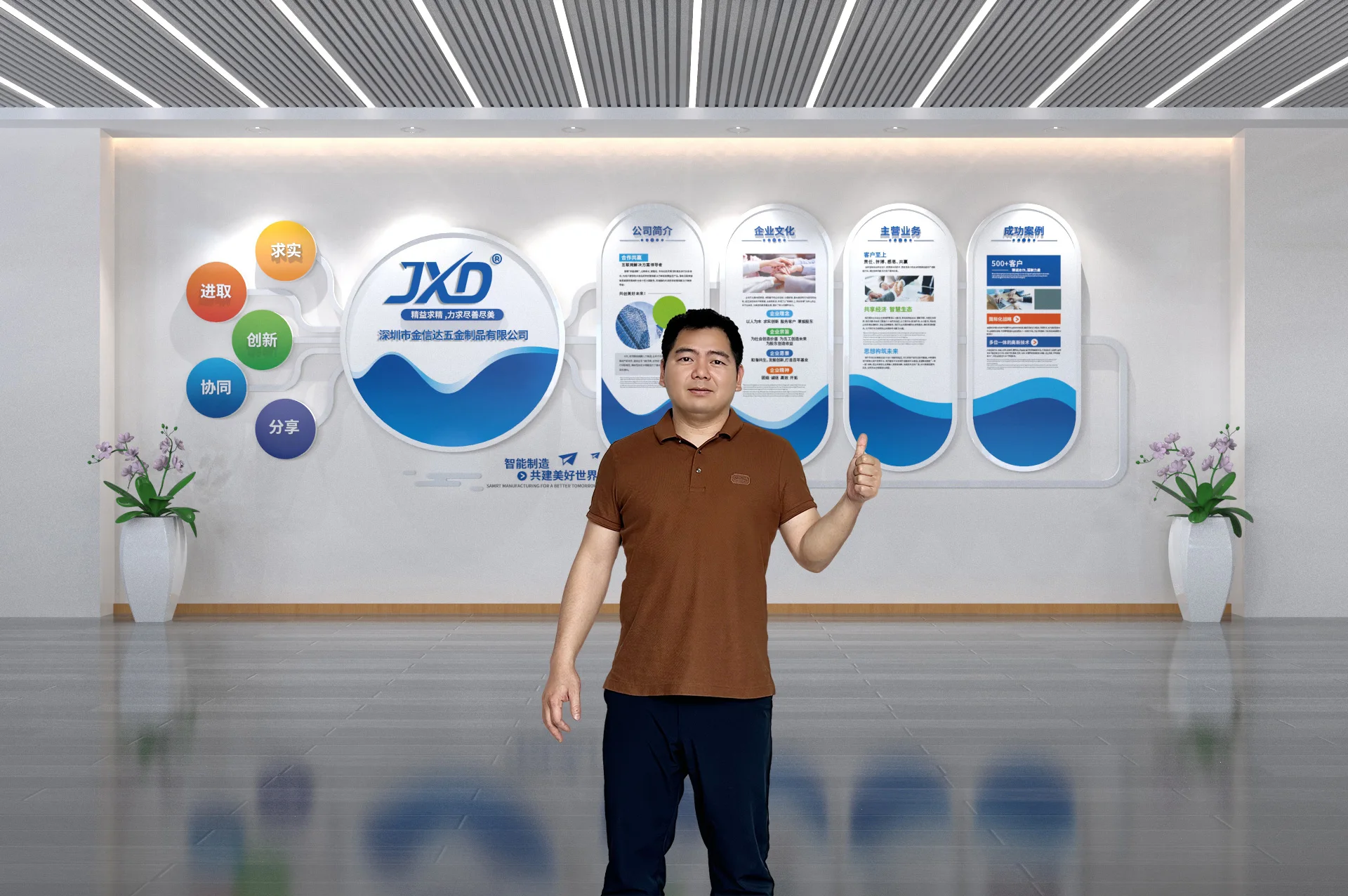
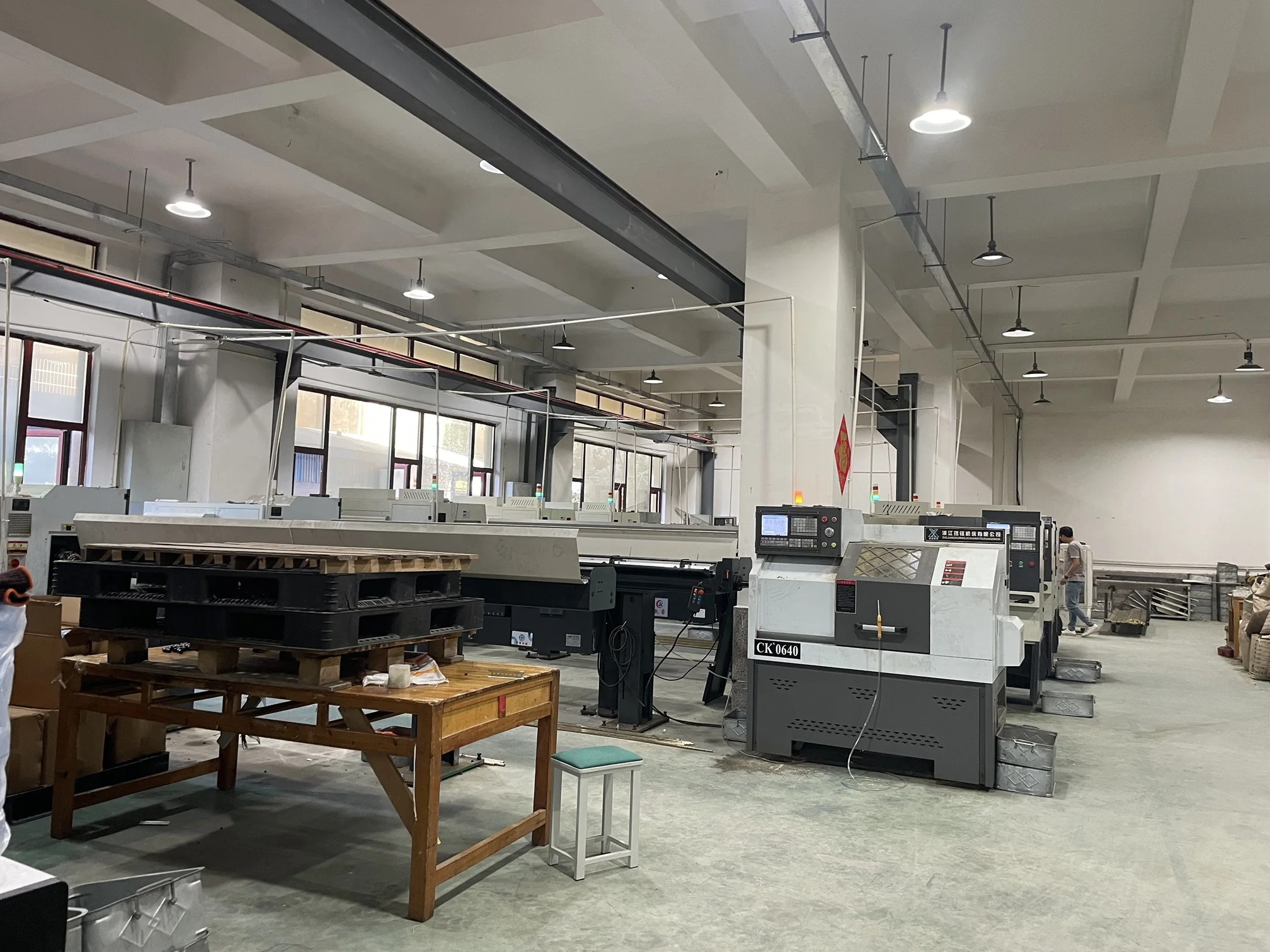
Shenzhen Jinxinda Hardware Products Co., Ltd.
- Manufacturer, Trading Company
- Guangdong, China
- Lead time7 days
- Avg. response≤ 5h
Main productsCNC Machining Parts, Pneumatic Components, Stainless Steel Water Pipe Joint, Vacuum Chuck, Silicone Rubber Products
Main marketsEastern Europe(30.00%), Southeast Asia(20.00%), North America(10.00%), South America(10.00%), Southern Europe(10.00%), Domestic Market(10.00%), Western Europe(5.00%), Northern Europe(5.00%)
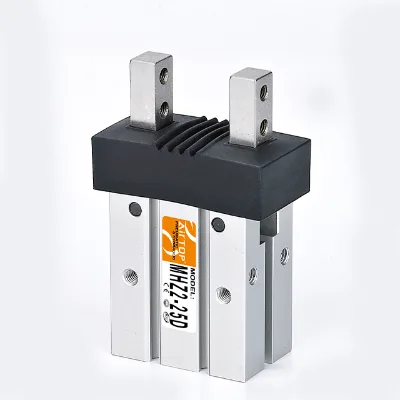
Zhejiang Jiatai Pneumatic Components Co., Ltd.
- Manufacturer, Trading Company
- Zhejiang, China
- Lead time15 days
- Avg. response≤ 2h
Main productspneumatic Connector,Air Source Treatment,Control component,Excuting Component,Auxiliary components
Main marketsDomestic Market(65.00%), North America(5.00%), South Asia(5.00%), Western Europe(5.00%), Mid East(5.00%), Africa(5.00%), Southeast Asia(5.00%), South America(5.00%)






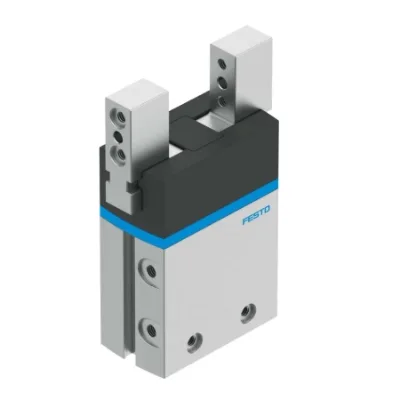
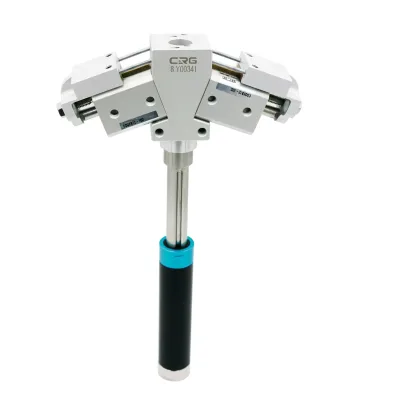
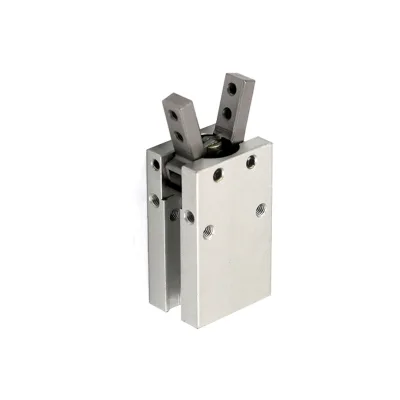


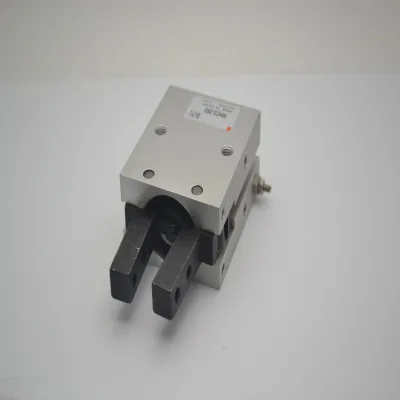
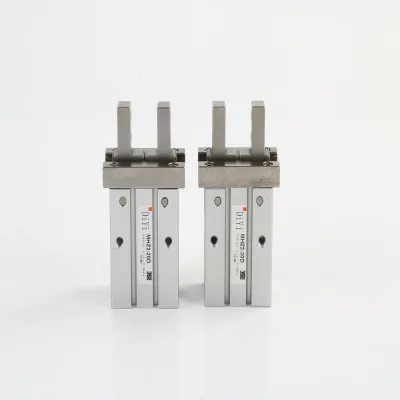
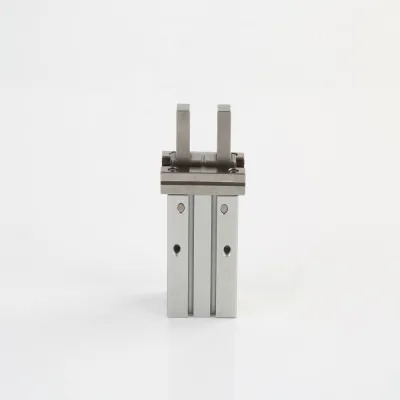
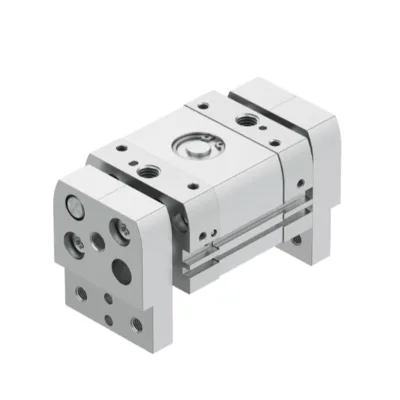
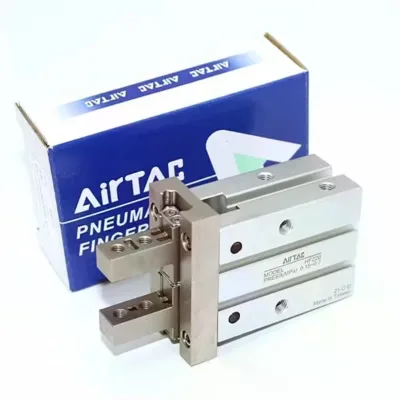
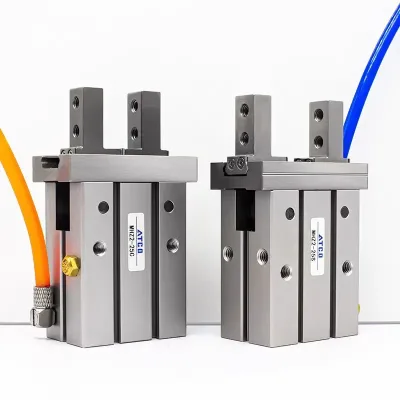
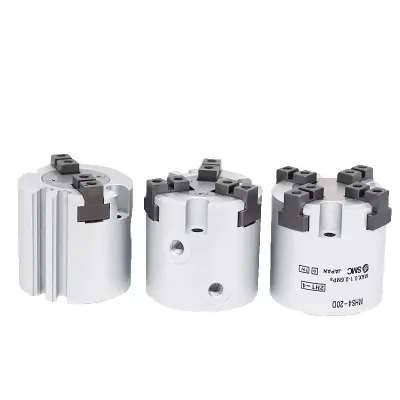
Comprehensive Sourcing Guide
Parallel Type Air Gripper Supplier Concentration and Factory Types
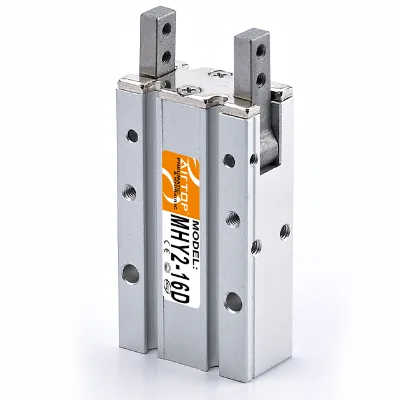
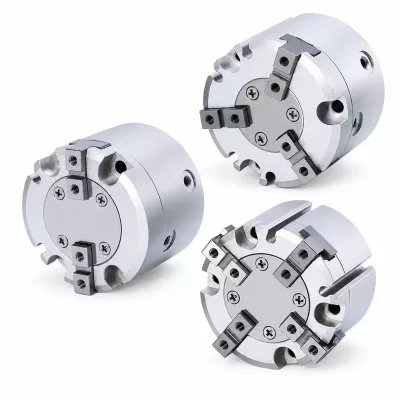
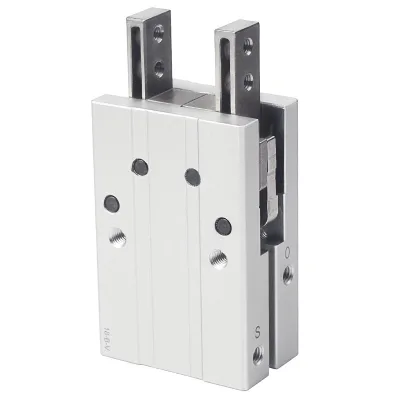
The current supplier landscape for parallel type air grippers reveals a distinct concentration of manufacturing and trading entities within Zhejiang, China. This geographic clustering is significant because it indicates a mature industrial ecosystem where specialized components are produced in close proximity to raw material suppliers and logistics hubs. Buyers evaluating these results will observe that the primary location cited is Zhejiang, which serves as a central hub for pneumatic and hydraulic component production. This concentration allows for efficient supply chain management, as factories can source aluminum, stainless steel, and pneumatic cores locally. The presence of multiple suppliers in this region suggests that buyers have access to a competitive market with varying capabilities. It is crucial to understand that while the location is consistent, the operational models differ. Some entities operate strictly as manufacturers, controlling the entire production process from casting to assembly. Others function as trading companies, aggregating products from various factories to offer a broader catalog. A third category includes combined entities that may blend manufacturing capabilities with trading services. This diversity in company types means that buyers must look beyond the geographic location to understand the actual value proposition. A manufacturer might offer better customization and direct technical support, while a trading company might provide more flexible order quantities and a wider range of compatible accessories. The fact that Zhejiang is the dominant location implies that buyers should prioritize suppliers with a verifiable physical presence in this region to ensure authenticity. However, the presence of a location does not automatically guarantee quality or reliability. Buyers must cross-reference the stated location with other verification metrics. The concentration in Zhejiang also suggests that shipping logistics are likely optimized for this region, potentially reducing transit times for international orders. Understanding this geographic reality helps buyers set realistic expectations regarding production capacity and lead times. It also highlights the importance of due diligence, as the high density of suppliers can lead to confusion if buyers do not carefully distinguish between direct factories and intermediaries. The focus on this specific region provides a baseline for comparison, allowing buyers to assess whether a supplier’s claims align with the known industrial characteristics of Zhejiang’s manufacturing sector.
How to Verify Parallel Type Air Gripper Suppliers
Verification is the critical step in ensuring that the Parallel Type Air Gripper suppliers you engage with are legitimate and capable of meeting your quality standards. The current data indicates that some suppliers hold SGS verification, which serves as a third-party confirmation of their business credentials. This verification status is a strong positive signal, suggesting that the supplier has undergone external audits regarding their business operations. However, verification alone is not a comprehensive guarantee of product quality or manufacturing capability. Buyers must look beyond the basic verification badge to assess the depth of the supplier’s expertise. One key indicator is the supplier’s response time, which reflects their operational efficiency and customer service commitment. In the observed results, response times vary, with some suppliers demonstrating rapid engagement capabilities. A faster response time often correlates with a more organized internal process, which is essential for handling custom orders or technical inquiries. Additionally, buyers should examine the supplier’s stated main products to ensure they specialize in pneumatic and hydraulic components rather than offering a generic, unfocused catalog. Specialization suggests a deeper understanding of the technical nuances of air grippers, such as stroke length, shaft diameter, and actuation modes. Another vital aspect of verification is the ability to confirm the supplier’s type, whether they are a manufacturer, trading company, or a combined entity. This distinction affects pricing, customization options, and direct communication with engineering teams. Buyers should request detailed company profiles that outline their production facilities, quality control processes, and R&D capabilities. For suppliers claiming OEM or ODM services, verifying their actual manufacturing infrastructure is essential to ensure they can deliver on customization promises. It is also important to check for any displayed certifications, although the current data shows some suppliers have no listed system certifications. In such cases, buyers must proactively request evidence of quality management systems or product testing reports. The absence of visible certifications does not necessarily mean the supplier is unqualified, but it does require additional diligence. Buyers should ask for references or case studies from previous clients in similar industries, such as semiconductor or automation sectors. This step helps validate the supplier’s experience and reliability. By combining verification of business credentials with an assessment of technical expertise and operational responsiveness, buyers can build a more accurate picture of each supplier’s true capabilities. This multi-layered verification process reduces the risk of partnering with unreliable entities and ensures that the selected supplier can meet the specific demands of your procurement project.
What to Compare Across Parallel Type Air Gripper Suppliers
When evaluating multiple suppliers for parallel type air grippers, buyers must systematically compare key operational and commercial metrics to identify the best fit for their needs. One of the most critical factors is the lead time, which directly impacts production scheduling and inventory management. The observed data shows lead times ranging from 10 to 15 days, indicating variability in production capacity and efficiency. Buyers should prioritize suppliers with shorter, more consistent lead times, especially if they have tight delivery deadlines. Another essential comparison point is the Minimum Order Quantity (MOQ), which affects cost efficiency and risk exposure. Some suppliers may have an MOQ of just two units, offering flexibility for small-scale testing or prototyping, while others might require larger volumes. Understanding these MOQ differences helps buyers align their orders with their budget and storage constraints. Pricing is also a significant variable, with observed prices ranging from approximately 45 to 76 units of currency per item. However, price should not be the sole determinant; buyers must consider the value proposition, including product quality, warranty terms, and after-sales support. The current data includes warranty information, with some suppliers offering a one-year warranty, which provides a layer of protection against defects. Buyers should compare warranty terms alongside price to assess the total cost of ownership. Additionally, the supplier’s response time is a crucial metric for evaluating communication efficiency. Faster response times, such as those under two hours, suggest a more responsive and attentive service team, which is vital for resolving technical issues or negotiating custom specifications. Buyers should also compare the specific product attributes, such as material composition, stroke length, and shaft diameter, to ensure compatibility with their existing machinery. The observed products feature materials like aluminum and stainless steel, with varying stroke lengths and actuation modes. Comparing these technical specifications ensures that the selected gripper meets the precise mechanical requirements of the application. Furthermore, buyers should assess the supplier’s customization capabilities, as some offer ODM and OEM services. This flexibility can be crucial for unique applications that require non-standard dimensions or features. By systematically comparing lead times, MOQs, prices, warranties, response speeds, and technical specifications, buyers can make a data-driven decision that balances cost, quality, and operational efficiency. This structured comparison approach minimizes the risk of selecting a supplier that appears attractive on one metric but falls short in others.
Common Parallel Type Air Gripper Sourcing Risks
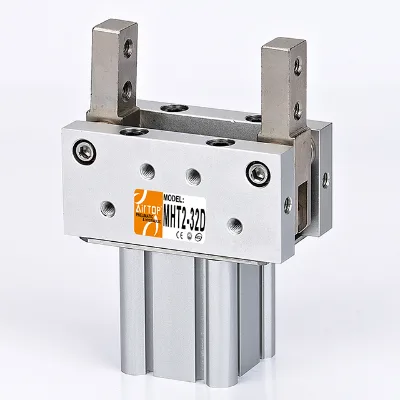
Sourcing parallel type air grippers from international suppliers introduces several risks that buyers must actively manage to ensure a successful procurement outcome. One significant risk is the potential mismatch between advertised specifications and actual product performance. The current data shows a variety of product models, such as the MHZ, MHY2, and MHT2 series, each with distinct attributes like maximum stroke and shaft diameter. Buyers must verify that the specific model they order matches their technical requirements precisely. Misinterpretation of specifications, such as confusing single-acting with double-acting modes, can lead to functional failures in automated systems. Another risk is the variability in quality control standards among suppliers. While some suppliers display verification badges, others may lack visible certifications or quality management system documentation. This inconsistency means that buyers cannot assume all suppliers adhere to the same rigorous quality standards. Without proper verification, there is a risk of receiving products with defects, such as air leaks or inconsistent gripping force, which can disrupt production lines. Additionally, the reliance on third-party logistics and international shipping introduces risks related to transit damage and delays. The observed lead times of 10 to 15 days do not include shipping time, which can vary significantly depending on the destination and carrier. Buyers must account for potential customs clearance delays and ensure that packaging is robust enough to protect the grippers during transit. Another risk is the potential for miscommunication regarding customization requests. Suppliers offering ODM and OEM services may have different interpretations of design specifications, leading to non-conforming products. Clear and detailed technical drawings, along with regular communication, are essential to mitigate this risk. Furthermore, buyers should be cautious of suppliers with inconsistent response times, as slow communication can hinder problem resolution and delay order processing. The observed response times vary, and a slow responder may indicate underlying operational inefficiencies. Buyers must also consider the risk of currency fluctuations and payment security. While some platforms offer escrow services, buyers should verify the payment terms and ensure that funds are protected until the goods are received and inspected. Finally, the risk of intellectual property infringement exists if buyers share proprietary designs with unverified suppliers. It is crucial to use non-disclosure agreements and source from reputable entities with a track record of respecting intellectual property rights. By identifying and proactively addressing these risks, buyers can safeguard their procurement process and ensure the reliable delivery of high-quality parallel type air grippers.
Parallel Type Air Gripper Regional Sourcing and Logistics
The regional concentration of Parallel Type Air Gripper suppliers in Zhejiang, China, offers distinct logistical advantages and challenges for international buyers. This geographic clustering facilitates efficient production and shipping, as suppliers benefit from established infrastructure and proximity to major ports. Buyers sourcing from this region can expect streamlined logistics processes, with many suppliers experienced in handling international shipments. However, the distance between Zhejiang and global markets introduces transit time variables that must be carefully planned. The observed lead times of 10 to 15 days represent production duration only, excluding shipping and customs clearance. Buyers must add estimated shipping times to their overall delivery calculations to avoid production delays. Sea freight is a common option for bulk orders, offering cost-effective solutions but requiring longer transit times. Air freight may be necessary for urgent orders, though it incurs higher costs. Buyers should discuss shipping options with their suppliers to determine the most suitable method based on their timeline and budget. Additionally, the concentration of suppliers in Zhejiang means that buyers can potentially consolidate orders from multiple vendors, reducing shipping costs and simplifying logistics management. This consolidation strategy is particularly useful for buyers requiring a variety of pneumatic components. However, it requires careful coordination to ensure that all items are ready for shipment simultaneously. Buyers must also consider the impact of regional trade policies and tariffs on their total landed cost. Understanding the import regulations of their destination country is essential to avoid unexpected duties or restrictions. The use of Incoterms, such as FOB or CIF, clarifies the responsibilities of both buyer and seller regarding shipping and insurance. Buyers should negotiate clear Incoterms to define who bears the risk and cost during transit. Furthermore, the reliability of local logistics providers in Zhejiang can affect delivery performance. Buyers should inquire about the suppliers’ preferred shipping partners and their track record for on-time delivery. Packaging is another critical logistical factor, as the observed single package sizes vary, affecting container utilization and protection. Ensuring that products are properly packaged to withstand transit conditions is vital to prevent damage. Buyers may also benefit from using third-party inspection services in Zhejiang to verify product quality before shipment. This step adds an extra layer of security, ensuring that the goods meet specifications before they leave the factory. By understanding the logistical implications of sourcing from Zhejiang, buyers can optimize their supply chain, reduce costs, and ensure timely delivery of parallel type air grippers.
Parallel Type Air Gripper Commercial Terms and Order Planning
Effective order planning for parallel type air grippers requires a thorough understanding of commercial terms, pricing structures, and payment security measures. The observed price range of 45 to 76 units
FAQs
What is the typical lead time for parallel type air grippers?
Manufacturers typically require 10 to 15 days to produce and ship parallel type air grippers. This timeframe allows for quality checks and packaging preparation. Buyers should confirm specific delivery schedules with suppliers before placing orders to ensure alignment with production timelines.
What is the minimum order quantity for these pneumatic components?
The minimum order quantity is often set at two units for parallel type air grippers. This low threshold allows buyers to test product performance before committing to larger volumes. Always verify the specific MOQ with the supplier to avoid order processing delays.
What materials are used in the construction of these grippers?
Parallel type air grippers are commonly constructed from aluminum or stainless steel bodies. These materials provide durability and resistance to corrosion in industrial environments. Some models also feature pneumatic core components to ensure reliable operation under varying pressure conditions.
What is the warranty period for these pneumatic grippers?
Suppliers typically offer a one-year warranty for parallel type air grippers. This coverage protects against manufacturing defects and ensures product reliability. Buyers should review the specific warranty terms provided by the manufacturer to understand the scope of support and claim procedures.
What is the operating temperature range for these components?
These pneumatic components generally operate within a temperature range of negative ten to sixty degrees Celsius. Some models support wider ranges down to negative twenty degrees Celsius. Ensuring the environment stays within these limits is crucial for maintaining optimal performance and longevity.
What is the response time for supplier inquiries?
Suppliers typically respond to inquiries within one to three hours. Fast response times indicate efficient customer service and operational readiness. Buyers can expect prompt communication regarding product specifications, pricing, and shipping details when contacting verified manufacturers directly.