Source Stainless Steel Foot Rest for Kitchen, Bathroom, and Office
Find 30 listings for Stainless Steel Foot Rest options suitable for commercial kitchens, bathroom facilities, and office setups. Buyers can compare models made from stainless steel, plastic, or metal with varying thicknesses and surface treatments like sanding or electroplating.
Key considerations
Products List


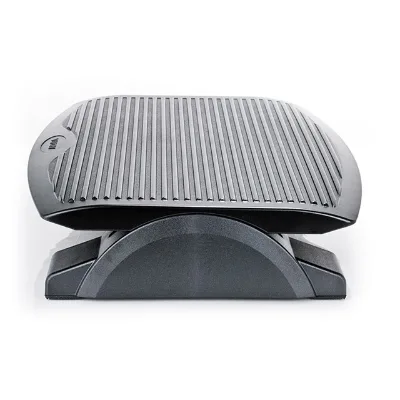


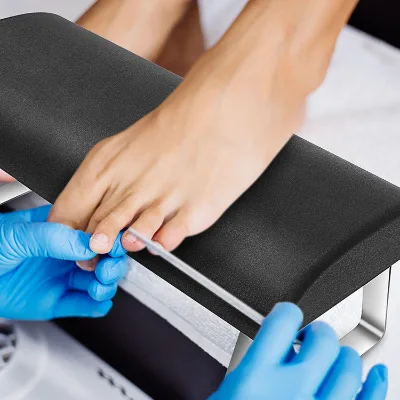
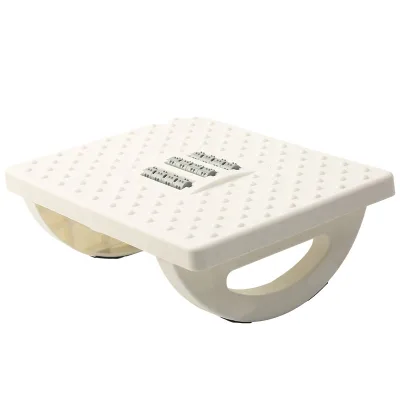


Factory Direct Supply Reclining Foot Rest Ergonomic High Back for Offic Chair
$65.00 - $66.00
MOQ: 50 Pieces
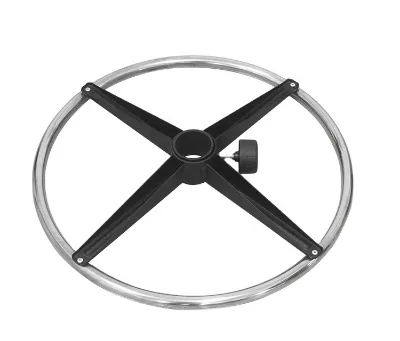
Comprehensive Sourcing Guide
Strategic Sourcing Guide for Stainless Steel Foot Rests
Understanding Material Composition and Structural Integrity
When sourcing stainless steel foot rests, the primary focus must be on the material composition and the resulting structural integrity of the product. The market offers a diverse range of options, but the core requirement for a durable foot rest often centers on the use of stainless steel. Based on available product data, stainless steel is a confirmed material attribute for specific models, such as those designated with model numbers like Jg01. However, buyers must remain vigilant, as the same product category frequently includes variants constructed from plastic or general metal alloys. For instance, product listings sometimes indicate "Stainless Steel/Plastic Adjustable Leg" or simply "Metal" as the material, which necessitates a rigorous verification process before finalizing a purchase order.
The thickness of the material is a critical specification that directly influences the load-bearing capacity and longevity of the foot rest. Observed data indicates a specific thickness of 1.0mm for certain stainless steel units. This dimension serves as a benchmark for buyers to evaluate whether a supplier's offering meets the necessary durability standards for commercial or heavy-duty residential use. Thinner gauges may be suitable for light household applications, such as a stepping stool for a patient, but may fail under the weight of a commercial workbench or kitchen equipment. Therefore, procurement teams should explicitly request the exact millimeter thickness in their technical inquiries. If the supplier provides a range or a different specification, the buyer must assess if this deviation aligns with the intended application load.
Surface treatment is another vital aspect of material quality. The data highlights processes such as "Light, Sanding" and "Electroplating" as common treatments for these products. Sanding provides a smooth finish that can prevent snagging on clothing or skin, while electroplating often enhances corrosion resistance, a key advantage for stainless steel in humid environments like bathrooms or commercial kitchens. Buyers should verify that the surface treatment is consistent across the batch and matches the visual and tactile expectations of the final product. The presence of an "Anti-Slipping" feature is also frequently associated with these units, particularly for bathroom applications, ensuring safety during use.
Compliance, Certification, and Regulatory Standards
Navigating the regulatory landscape is essential for B2B procurement, particularly when importing stainless steel components from international markets. The supply chain for these products often originates from manufacturing hubs in China, specifically locations like Zhongshan in Guangdong and Hengshui. While the origin is a logistical detail, it is also a proxy for the regulatory environment the supplier operates within. Buyers should verify that the products carry recognized certifications to ensure they meet safety and quality benchmarks.
Certification data from the market shows the presence of CE marks and ISO certifications, such as ISOCE, on certain listings. The CE mark indicates conformity with health, safety, and environmental protection standards for products sold within the European Economic Area. For buyers targeting European markets, this is a non-negotiable requirement. Similarly, ISO certifications suggest that the manufacturer adheres to international management standards, though the specific ISO standard (e.g., ISO 9001 for quality management) should be confirmed rather than assumed from general background knowledge. The provided data mentions "International" as a standard, which implies a general adherence to global norms, but specific standard numbers should be requested from the supplier to ensure compliance with local regulations.
It is crucial to distinguish between marketing claims and verified certifications. While some listings may mention certifications, buyers must obtain physical copies of the certificates or valid digital verification links. The absence of a specific certification number or the use of vague terms like "International Standard" without a specific code should trigger a deeper audit of the supplier's documentation. Furthermore, the condition of the product is typically listed as "New," but this should be verified through inspection reports or third-party quality assurance checks to ensure no defects or prior usage have compromised the item's integrity.
Cost Drivers and Pricing Dynamics
The pricing of stainless steel foot rests is influenced by a complex interplay of factors, including material costs, manufacturing complexity, and order volume. The observed price range in the market spans from $0.25 to $1,500 USD. This wide variance indicates that the product category encompasses everything from simple, lightweight plastic or thin-metal components to heavy-duty, custom-engineered units for industrial applications. A price at the lower end of this spectrum likely corresponds to basic models with minimal customization, such as fixed-color units with standard dimensions. Conversely, prices approaching the upper limit suggest significant customization, such as specific model numbers like BT. 400202 or KHL8616, which may involve complex engineering, specialized surface treatments, or large-scale production runs.
Minimum Order Quantity (MOQ) is a significant cost driver in this sector. The observed MOQ range is between 1 and 500 units. For buyers seeking to test the market or fulfill small-scale needs, an MOQ of 1 allows for low-risk sampling. However, the "Sample" attribute is noted as available, which suggests that buyers can procure samples before committing to larger orders. For bulk procurement, the MOQ of 500 units may be required to achieve the most favorable unit pricing. Buyers should negotiate based on their volume requirements, understanding that higher volumes typically yield lower per-unit costs due to economies of scale in material procurement and production line efficiency.
Customization is another major factor affecting cost. The data confirms that customization is available, with options for "Customized Size" and specific model numbers. Custom orders often incur higher costs due to the need for specialized tooling, unique production setups, and potentially longer lead times. The "European Style Gravity Pin" design mentioned in some listings represents a specific engineering feature that may command a premium over standard designs. Buyers must balance the desire for customization with budget constraints, clearly defining which features are essential and which are optional to optimize the total cost of ownership.
Typical Applications and Functional Requirements
Stainless steel foot rests serve a variety of applications, ranging from residential to commercial and industrial settings. The data highlights specific use cases, including "Cooker, Freezer, Workbench, West Kitchen Equipment," indicating a strong presence in the commercial food service and hospitality sectors. In these environments, the foot rest must withstand frequent use, exposure to moisture, and potential chemical cleaners, making the corrosion resistance of stainless steel a critical attribute. The "Long Service Life" advantage cited in product descriptions is particularly relevant for these high-traffic areas, where equipment failure can disrupt operations.
In residential and healthcare settings, the application shifts towards comfort and accessibility. Listings mention "Foot Rest in Bathroom" and suitability for "Patient" use, often in the form of a "Stepping Stool." These applications prioritize safety features such as "Anti-Slipping" surfaces and stable construction. The "Modern" style and "Nature Color" options suggest that aesthetic integration into home decor is also a consideration. Additionally, the usage for "Table, Chair, Cabinet" indicates that these components are often integral parts of larger furniture assemblies, requiring precise dimensions and compatibility with existing designs.
The installation method is another functional consideration. Most products are designed for "Wall Mounted" or "Fixed on: Wall" installation, secured "by Screws." This mounting style requires specific structural support in the installation environment. Buyers must ensure that the wall or surface where the foot rest will be installed can support the weight and stress of the unit. The "Weight Per Piece" of 0.25 Kgs for some models suggests that many units are lightweight, but this must be verified against the specific model, as heavier industrial units may have significantly different weight profiles.
Supplier Evaluation and Sourcing Strategy
Evaluating suppliers for stainless steel foot rests requires a multi-faceted approach that goes beyond price comparison. The geographic origin of the products, such as Zhongshan, Guangdong, and Hengshui, provides insight into the manufacturing capabilities and supply chain maturity of the region. These areas are known for their industrial clusters, but buyers should still conduct due diligence to ensure the supplier has a proven track record in producing stainless steel components.
Key evaluation criteria should include the supplier's ability to provide detailed product specifications, such as the exact model number (e.g., sp206, sp83, KHL8616) and dimensions (e.g., 34.829.9**282mm, 34025mm). The availability of samples is a strong indicator of a supplier's confidence in their product quality. Buyers should request samples to physically inspect the material thickness, surface finish, and overall build quality. The "Customized" and "Customized Size" attributes suggest that suppliers are willing to adapt their products to specific buyer needs, which is a positive sign of flexibility and customer service orientation.
Packaging is another critical aspect of supplier evaluation. The data indicates that products are typically packed in "Carton" packaging. Buyers should assess the quality of this packaging to ensure it protects the product during transit, especially for international shipments. Poor packaging can lead to damage, resulting in additional costs and delays. Additionally, the supplier's responsiveness to inquiries and their ability to provide clear documentation regarding certifications and standards are essential indicators of reliability.
Quality Control and Long-Term Procurement Considerations
Implementing a robust quality control (QC) process is vital for ensuring that the stainless steel foot rests meet the required standards. Buyers should establish clear acceptance criteria based on the observed specifications, such as material thickness of 1.0mm, specific model numbers, and surface treatments like sanding or electroplating. Regular inspections, either through third-party agencies or internal teams, can help identify defects early in the production process. The "Condition: New" attribute should be verified to ensure that the products are not refurbished or damaged goods.
Long-term procurement considerations involve building a sustainable relationship with suppliers who can consistently deliver high-quality products. The "Long Service Life" advantage is a key selling point, but it must be backed by consistent quality over time. Buyers should consider the total cost of ownership, including maintenance, replacement costs, and the potential impact of product failure on their operations. For applications in commercial kitchens or healthcare facilities, the reliability of the foot rest is paramount, and investing in higher-quality suppliers may yield significant long-term savings.
Furthermore, buyers should monitor the supply chain for any potential disruptions, such as changes in raw material costs or regulatory updates. The "International" standard mentioned in the data suggests a broad market reach, but buyers should stay informed about any changes in trade policies or safety regulations that could affect their sourcing strategy. By maintaining open communication with suppliers and staying proactive in quality management, buyers can ensure a steady supply of reliable stainless steel foot rests that meet their operational needs.
Comparative Analysis of Product Specifications
To facilitate informed decision-making, buyers should compare the specifications of different product models. The following table summarizes key attributes observed in the market, highlighting the diversity in materials, dimensions, and applications.
| Attribute | Model Jg01 | Model BT. 400202 | Model sp206 | Model KHL8616 |
|---|---|---|---|---|
| Material | Stainless Steel | Stainless Steel/Plastic | Metal | Metal |
| Thickness | 1.0mm | Not Specified | Not Specified | Not Specified |
| Dimensions | 34.8*29.9**282mm | 50, 60, 80, 100, 125" | Customized Size | 222 |
| Installation | Wall Mounted | Not Specified | Not Specified | Not Specified |
| Application | Kitchen Equipment | Adjustable Leg | Table/Chair | Household/Commercial |
| Origin | Zhongshan, China | China, Hengshui | China | Zhongshan, China |
| Certification | CE | Not Specified | Not Specified | Not Specified |
This comparison underscores the importance of verifying specific details for each model. While some models offer standardized dimensions, others provide customization options. Buyers must align their specific requirements with the capabilities of the supplier to ensure a successful procurement outcome. By carefully analyzing these specifications, buyers can make data-driven decisions that optimize performance, cost, and reliability.
FAQs
What materials are used for stainless steel foot rests?
Stainless steel is a confirmed material for specific models like Jg01, though some listings also include plastic or general metal variants. Buyers must verify the exact material composition before purchase as the category frequently mixes these options.
Can I find custom sizes for these foot rests?
Yes, customization is available with options for customized sizes and specific model numbers like BT. 400202. Suppliers can adapt products to specific needs, but this may involve specialized tooling and potentially higher costs compared to standard fixed sizes.
Which certifications are available for these products?
Some listings display CE marks and ISOCE certifications to indicate conformity with safety standards. Buyers should request physical copies or valid verification links for these certificates rather than relying on vague terms like International Standard without specific codes.
How thick are the stainless steel components?
Observed data indicates a specific thickness of 1.0mm for certain stainless steel units. This dimension serves as a benchmark for durability, though thinner gauges may be suitable for light household applications while heavier units require verification of exact millimeter thickness.
What is the typical price range for these items?
The market price range spans from 0.25 to 1500 USD depending on complexity and customization. Lower prices likely correspond to basic fixed-color units, while higher prices suggest significant customization or specialized engineering features like the European Style Gravity Pin design.
Where are these products typically manufactured?
Products often originate from manufacturing hubs in China, specifically Zhongshan, Guangdong, and Hengshui. These locations serve as proxies for the regulatory environment, but buyers must verify supplier documentation and certifications regardless of the stated geographic origin.
What surface treatments are applied to the metal?
Common surface treatments include Light Sanding and Electroplating to enhance corrosion resistance and provide a smooth finish. Buyers should verify that the treatment matches visual expectations and ensures safety features like anti-slipping surfaces are present for bathroom applications.