Source Stainless Steel Green Crystal Necklace for Gifts
Source Stainless Steel Green Crystal Necklace options from 30 verified listings. Compare gold and silver plating, heart and cross shapes, and models like NL502 and NK1201. Find suitable pieces for female, male, and unisex fashion decoration; compare the available evidence and request quotations based on your requirements.
Updated
Key considerations
Products List


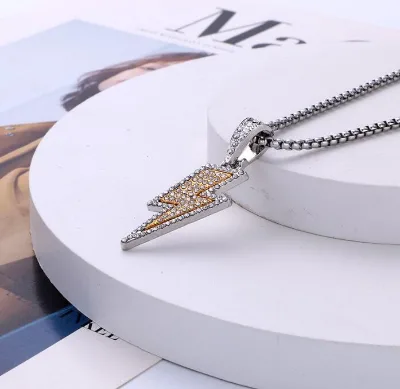


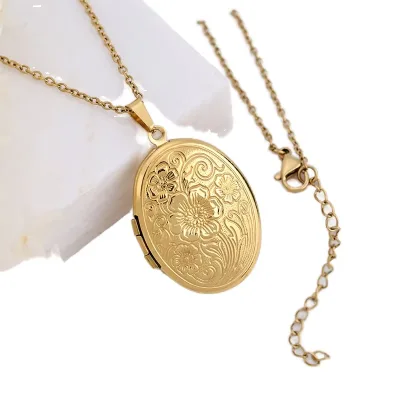
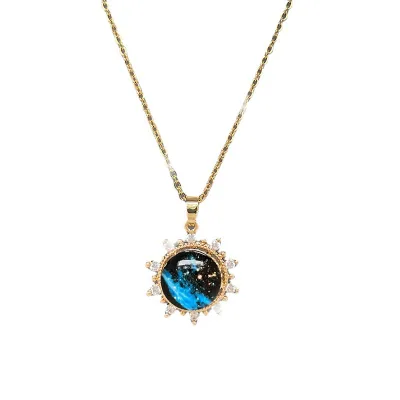
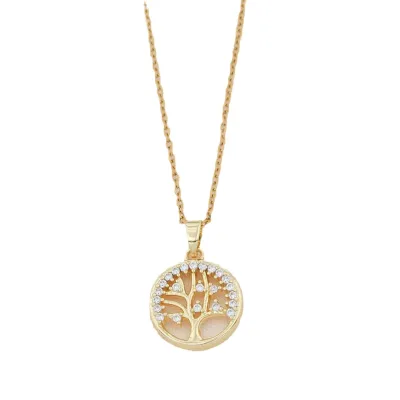
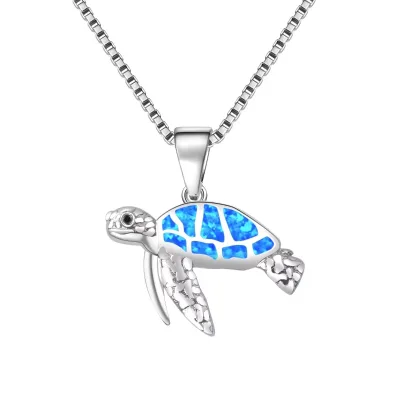


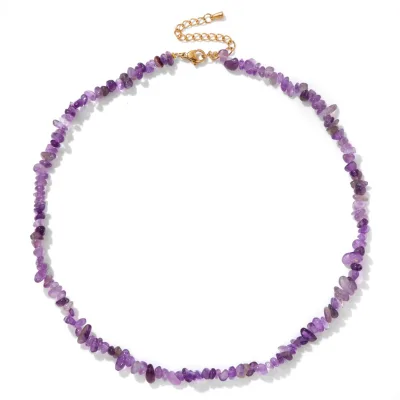
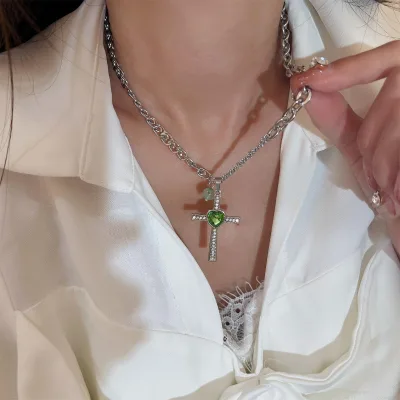
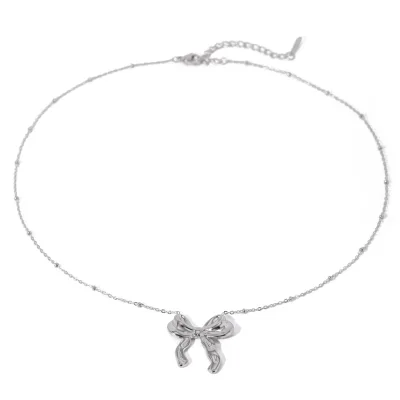
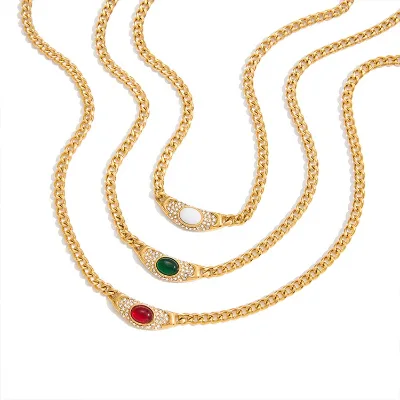
Comprehensive Sourcing Guide
Stainless Steel Green Crystal Necklace Sourcing Guide
Sourcing stainless steel green crystal necklaces requires a disciplined approach to material verification and aesthetic alignment. Buyers must distinguish between genuine stainless steel alloys and plated base metals, as the latter degrade quickly and fail to meet durability expectations. The observed market data indicates a wide range of product models, from NL502 to NK1201, suggesting diverse manufacturing capabilities among suppliers. Procurement teams should prioritize suppliers who explicitly state their material composition rather than relying on generic descriptions. This verification step is critical for ensuring the longevity of the jewelry, especially for items intended for daily wear or promotional distribution where brand reputation is at stake.
The inclusion of green crystals introduces additional complexity regarding stone sourcing and setting quality. While some listings mention natural stone creation methods, others may use synthetic alternatives that differ in refractive index and durability. Buyers need to clarify whether the green elements are genuine gemstones, cubic zirconia, or glass imitations, as this significantly impacts the perceived value and retail pricing strategy. Furthermore, the plating process, whether gold or silver, must be evaluated for thickness and adherence to ensure it does not flake off during normal use. Understanding these material nuances allows buyers to negotiate more effectively and set accurate quality benchmarks for incoming shipments.
Product Scope and Observed Listing Signals
The current market landscape for stainless steel necklaces reveals a broad spectrum of styles, shapes, and target demographics. Observed listings highlight pendant shapes such as hearts, flowers, and crosses, catering to varied consumer preferences and cultural significances. For instance, cross-shaped necklaces are noted with specific model numbers like AM-E078, indicating a niche demand for religious or symbolic jewelry. Additionally, the suitability for females, males, children, and the elderly suggests that manufacturers are producing unisex or family-oriented collections. Buyers should analyze these product signals to identify trends that align with their specific market segments, ensuring that the selected inventory resonates with their customer base’s aesthetic and functional needs.
Packing and branding details also provide insight into the supplier’s operational maturity. Products are frequently packaged in OPP or PP bags, which are standard for cost-effective shipping but may require secondary packaging for retail presentation. The presence of OEM branding options indicates that many suppliers are equipped for private label manufacturing, allowing buyers to customize products with their own logos or designs. This customization availability is a key factor for businesses looking to establish a unique brand identity. Buyers should assess the extent of customization offered, including inlay technology and color options, to determine if the supplier can meet their specific design requirements without compromising on quality or lead times.
Technical Specifications to Verify
Verifying technical specifications is paramount to avoiding discrepancies between ordered and delivered goods. Key parameters include the material thickness, with observed standards ranging from 0.8mm to 1mm, which directly influences the necklace’s durability and feel. Buyers must confirm the exact model numbers, such as TN0500 or NS901, to ensure precise matching with samples. Additionally, the length of the necklace, often specified as 45cm, should be validated to meet ergonomic and stylistic expectations. These dimensional tolerances are critical for maintaining consistency across large orders, especially when dealing with multiple suppliers or production batches.
The jewelry type and stone creation method are also essential technical details to document. Listings indicate pendant necklaces with natural stone creation methods, but buyers must verify if this applies to all green crystal components or just specific variants. The single gross weight, observed at 0.050 kg, provides a baseline for shipping cost calculations and inventory management. Furthermore, the single package size of 1X1.0X1.0 cm suggests compact packaging, which is efficient for logistics but requires careful handling to prevent damage. Buyers should request detailed specification sheets that include these metrics to ensure that all technical aspects are clearly defined and agreed upon before production begins.
Compliance and Safety Documentation
Compliance with international safety standards is non-negotiable for jewelry imports, particularly those involving metals and stones. Buyers must ensure that suppliers provide documentation confirming adherence to regulations such as REACH in Europe or CPSIA in the United States, which restrict harmful substances like lead, cadmium, and nickel. Although specific certification statuses are not listed in the observed data, buyers should actively request test reports from accredited laboratories to verify the absence of toxic materials. This is especially important for necklaces suitable for children, as they are subject to stricter safety requirements regarding small parts and chemical composition.
Additionally, buyers should verify the origin of the materials and the manufacturing process to ensure ethical sourcing practices. The observed origin of China indicates a major manufacturing hub, but buyers must conduct due diligence to confirm that labor standards and environmental regulations are met. Documentation should also include information on the plating process, ensuring that it does not involve hazardous chemicals that could pose health risks to consumers. By prioritizing compliance and safety documentation, buyers can mitigate legal risks and protect their brand reputation, ensuring that their products are safe for end-users and compliant with global trade regulations.
Cost Drivers and Commercial Terms
Understanding the cost drivers behind stainless steel green crystal necklaces helps buyers negotiate better commercial terms. The primary cost factors include the type of stainless steel used, the quality and source of the green crystals, and the complexity of the plating process. Gold or silver plating adds significant value but also increases production costs, so buyers should clarify the plating thickness and durability expectations. Additionally, customization options, such as custom inlay technology or specific pendant shapes, may incur additional setup fees or higher unit prices. Buyers should request detailed cost breakdowns to identify areas where they can optimize expenses without compromising quality.
Commercial terms, including minimum order quantities (MOQ) and lead times, also impact the overall procurement strategy. Observed MOQ ranges from 1 to 200 units, offering flexibility for small businesses and larger enterprises alike. Buyers should align their order quantities with their sales forecasts to avoid excess inventory or stockouts. Lead times can vary based on the complexity of the design and the supplier’s production capacity, so it is essential to establish clear timelines and communication protocols. By understanding these cost and commercial dynamics, buyers can develop a more efficient and cost-effective sourcing strategy that supports their business goals.
Supplier Qualification and Quality Control
Supplier qualification is a critical step in ensuring a reliable supply chain for stainless steel green crystal necklaces. Buyers should conduct thorough due diligence, including verifying business licenses, production capabilities, and past performance records. Site visits or virtual audits can provide valuable insights into the supplier’s manufacturing processes, quality control measures, and overall operational efficiency. Additionally, buyers should assess the supplier’s ability to handle customization requests and their responsiveness to communication. A qualified supplier should demonstrate a commitment to quality and transparency, providing clear documentation and support throughout the procurement process.
Quality control measures must be established to ensure that the final products meet the agreed-upon specifications. Buyers should implement incoming inspection protocols to verify material composition, dimensions, and aesthetic quality. Random sampling and statistical process control can help identify defects early in the production cycle, reducing the risk of receiving substandard goods. Furthermore, buyers should establish clear criteria for acceptable quality levels (AQL) and communicate these expectations to the supplier. By prioritizing supplier qualification and rigorous quality control, buyers can minimize risks and ensure that their products consistently meet customer expectations.
Long-Term Procurement Checks
Long-term procurement checks are essential for maintaining a sustainable and efficient supply chain. Buyers should regularly review supplier performance metrics, including on-time delivery rates, product quality, and responsiveness to issues. Continuous monitoring allows buyers to identify potential problems early and take corrective actions before they escalate. Additionally, buyers should stay informed about market trends and technological advancements in jewelry manufacturing, which can impact product design and cost structures. By maintaining a proactive approach to supplier management, buyers can adapt to changing market conditions and ensure that their sourcing strategy remains competitive.
Building strong relationships with suppliers is also key to long-term success. Open communication, mutual respect, and collaborative problem-solving can foster trust and loyalty, leading to better terms and priority treatment. Buyers should consider developing strategic partnerships with key suppliers, focusing on shared goals and continuous improvement initiatives. Regular feedback sessions and joint planning can help align expectations and drive innovation. By investing in long-term supplier relationships and implementing robust procurement checks, buyers can secure a stable supply of high-quality stainless steel green crystal necklaces that support their business growth and customer satisfaction.
FAQs
What materials are used for stainless steel green crystal necklaces?
The primary material is stainless steel, often plated with gold or silver for enhanced aesthetics. Some listings specify a material type of other, indicating varied alloy compositions. The green crystal component is typically created using natural stone methods, ensuring durability and a premium finish suitable for daily wear and decoration purposes.
Can these necklaces be customized for specific branding needs?
Yes, customization is available for many Stainless Steel Green Crystal Necklace models. Buyers can request specific plating options, such as gold or silver, and choose from various pendant shapes like hearts, flowers, or crosses. The inlay technology can also be customized to meet unique design requirements, allowing for tailored branding solutions.
Which models are suitable for both male and female buyers?
Several models, including NL502, NK1201, and TN0500, are explicitly listed as suitable for both female and male customers. These unisex designs often feature versatile styles such as fashion or trendy aesthetics. Some products are also suitable for children and the elderly, making them ideal for broad demographic targeting in retail or promotional contexts.
What is the typical packaging for these stainless steel necklaces?
Standard packaging options include OPP bags and PP bags, which protect the jewelry during shipping and handling. These methods are commonly used for models like NL502 and TN0500. The packaging is designed to be simple yet effective, ensuring the product remains clean and undamaged until it reaches the end consumer or retailer.
How does the plating affect the durability of the necklace?
Plating options like gold or silver enhance the visual appeal and provide a protective layer over the stainless steel base. This process helps resist tarnishing and corrosion, extending the lifespan of the jewelry. The choice of plating can also influence the overall style, allowing for either a classic silver look or a luxurious gold finish.
What are the common pendant shapes available for these necklaces?
Common pendant shapes include hearts, flowers, and crosses, catering to diverse aesthetic preferences. For instance, model NL502 features a heart shape, while others may offer flower or cross designs. These shapes are often combined with green crystals to create visually striking pieces that appeal to fashion-conscious buyers seeking decorative accessories.
Are there specific standards for the thickness of the chain?
Yes, specific standards exist for chain thickness, such as 1mm for model NL502 and 0.8mm for model NK1201. These specifications ensure consistency in quality and appearance across different product lines. Buyers can select the appropriate thickness based on their design requirements, balancing durability with a delicate or bold aesthetic.