Source Stamping Automotive Mounting Plate for Car, Transformer, Heater
Find 30 verified options for Stamping Automotive Mounting Plate designed for car thermostats, transformers, and electric heating systems. Compare specifications from Shenzhen suppliers offering OEM services with certifications like IATF16949 and ISO9001; compare the available evidence and request quotations based on your requirements.
Updated
Key considerations
Products List
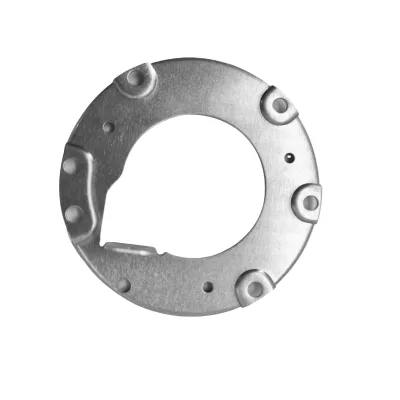
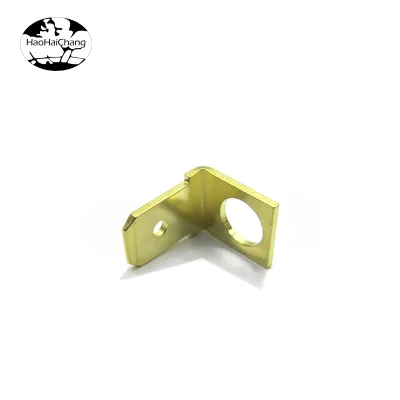
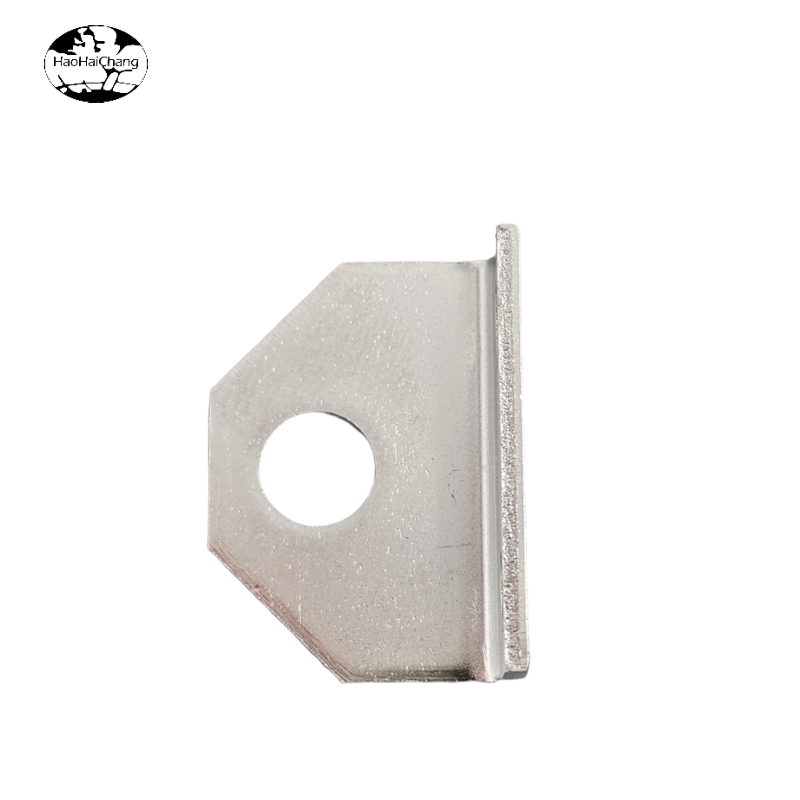
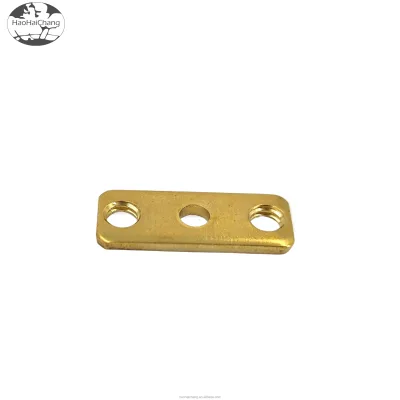
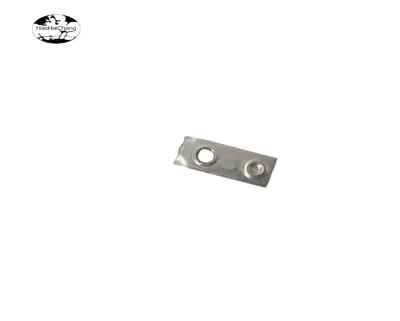
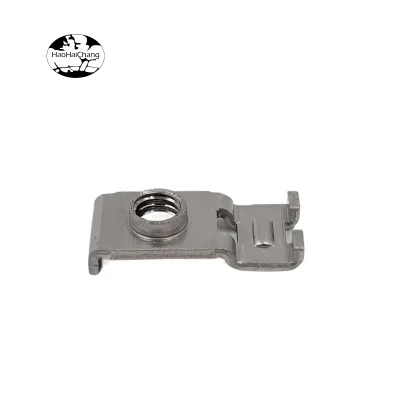


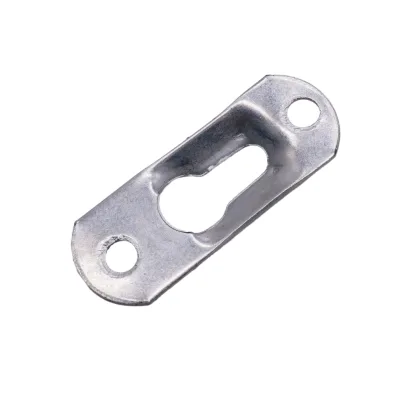
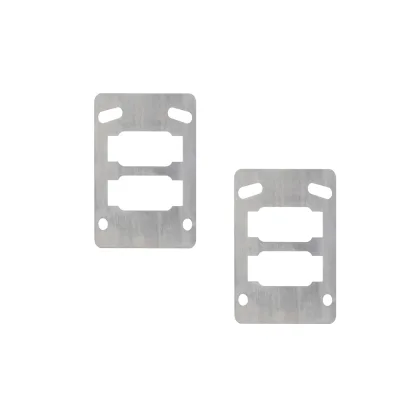


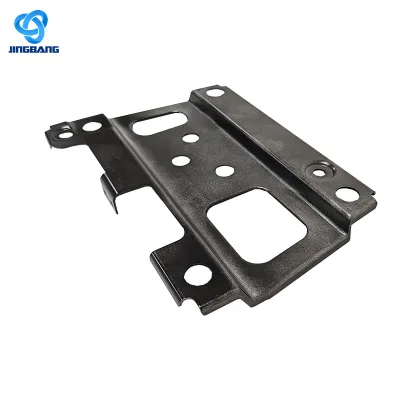
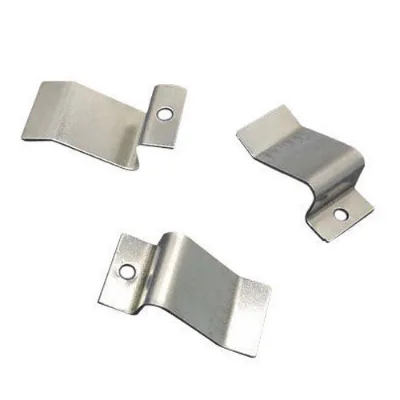

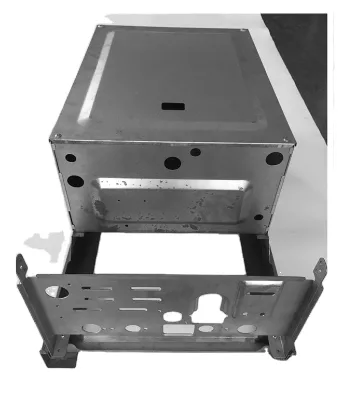


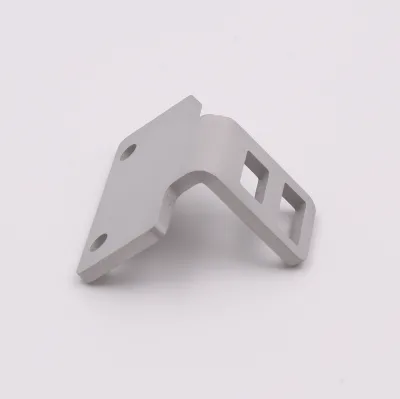
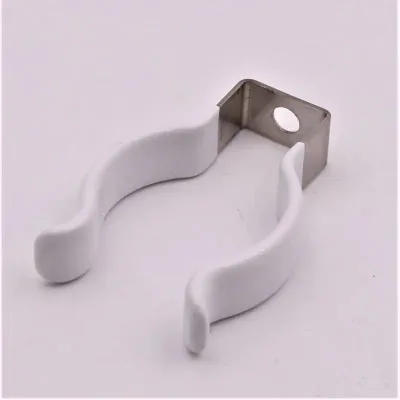
Stamping for Car Case Bracket U Thin Copper Plate Sheet Working Shock Absorber
$0.64 - $0.75
MOQ: 2000 pieces



Comprehensive Sourcing Guide
Stamping Automotive Mounting Plate Sourcing Guide
Buyers seeking stamped automotive mounting plates must first recognize that these components often serve as structural reinforcements or connection points within complex vehicle assemblies. The observed product listings indicate that these parts are frequently categorized as high-precision nonstandard items, suggesting that off-the-shelf solutions may not suffice for specific chassis or sub-assembly requirements. Procurement teams should prioritize suppliers who explicitly offer OEM services, as the custom nature of these brackets and flanges often demands unique tooling and precise dimensional control to ensure proper fitment.
The application scope for these stamped metal parts extends beyond simple mounting to include roles in electric heating systems, transformers, and air conditioning brackets. While some listings highlight automotive use, the same manufacturing processes support industrial applications and battery connections, requiring buyers to clearly define the operational environment. It is critical to verify that the supplier understands the specific load-bearing and vibration resistance needs of the intended application, whether it involves a car thermostat switch or a wall-mounted speaker bracket, to prevent premature failure in service.
Product Scope and Observed Listing Signals
When evaluating product listings, buyers should note that the core material composition varies significantly, ranging from stainless steel and copper to iron, brass, and aluminum alloys. The observed data confirms that these components are available in various shapes, including round flanges, flat gaskets, and triangle brackets, with thicknesses typically spanning from 0.1mm up to 3mm or even 8 micrometers for specific plating layers. This variability necessitates a rigorous review of the technical drawings to ensure the selected material grade aligns with the corrosion resistance and mechanical strength required for the specific automotive or industrial environment.
Surface treatment is another critical signal in the product scope, with common finishes including zinc, nickel, tin, silver, and gold plating, as well as polished or standard metallic finishes. These treatments are essential for protecting the base metal from environmental degradation, particularly in automotive under-hood applications where exposure to heat and moisture is constant. Buyers must confirm that the listed surface treatment matches the specific corrosion protection standards required for their assembly, as a standard zinc plating may not suffice for high-humidity coastal regions or aggressive chemical environments.
Technical Specifications to Verify
Dimensional accuracy is paramount when sourcing stamped nonstandard parts, as the model numbers and sizes observed often correspond to highly specific OEM requirements. Buyers must verify that the supplier can maintain tight tolerances on critical dimensions, such as the 20mm size or specific thickness ranges, to ensure seamless integration with existing vehicle components. The manufacturing process, typically involving punching and stamping, must be capable of producing consistent results without introducing warping or burrs that could compromise the structural integrity of the mounting plate or bracket.
The structural design of the component, whether it is a single-side bracket, a wall mount speaker bracket, or a simple gasket, dictates the necessary mechanical properties. Procurement teams should request detailed engineering drawings that specify the exact geometry, including hole patterns and bend angles, to confirm that the part will function as intended under load. It is also vital to verify the single package size and gross weight, as these factors influence logistics planning and packaging costs, ensuring that the supplier's standard packaging aligns with the buyer's inbound logistics capabilities.
Compliance and Safety Documentation
Regulatory compliance is a non-negotiable aspect of sourcing automotive components, and buyers must verify that suppliers hold valid certifications such as IATF 16949:2016 and ISO 9001:2015. These standards indicate that the manufacturer has established a robust quality management system capable of meeting the stringent requirements of the automotive industry, including traceability and continuous improvement processes. Without these certifications, the risk of supply chain disruptions due to quality failures or non-compliance with customer-specific audits increases significantly.
Environmental regulations also play a crucial role in the selection of stamped metal parts, requiring confirmation that products meet RoHS and REACH standards. These certifications ensure that the materials used, including any plating or surface treatments, do not contain restricted hazardous substances that could violate international environmental laws. Buyers should explicitly request current test reports or certificates of compliance for these standards to avoid legal liabilities and ensure that the components can be legally sold and used in target markets without restriction.
Cost Drivers and Commercial Terms
The cost of stamped automotive mounting plates is heavily influenced by the complexity of the stamping process and the specific material chosen for the application. While base materials like iron or steel may be more economical, the use of stainless steel, copper, or specialized alloys will increase the unit price, as will the requirement for multiple surface treatments like gold or silver plating. Buyers should analyze the total cost of ownership, considering that higher material costs might be offset by reduced maintenance or longer service life in demanding environments.
Commercial terms such as Minimum Order Quantity (MOQ) and lead times are critical variables that can impact the overall procurement strategy. Observed data suggests that MOQs can range widely, from single items to thousands of units, requiring buyers to balance inventory costs with production needs. Additionally, the lead time for custom nonstandard parts may vary based on tooling availability and production capacity, so it is essential to negotiate clear delivery schedules and penalties for delays to maintain production continuity.
Supplier Qualification and Quality Control
Supplier qualification should extend beyond basic certification checks to include an assessment of their manufacturing experience and technical capabilities. Many suppliers in this sector have been operating since 2001, indicating a level of maturity and stability that can be beneficial for long-term partnerships. Buyers should evaluate the supplier's ability to handle high-precision nonstandard parts, ensuring they have the necessary equipment for punching, stamping, and finishing to meet the exact specifications of the mounting plate.
Quality control processes must be robust enough to detect defects early in the production cycle, particularly for parts that serve critical safety functions in automotive applications. Buyers should inquire about the supplier's in-house testing procedures, including dimensional inspections and material verification, to ensure that every batch meets the required standards. Establishing a clear communication channel for quality issues and defining acceptance criteria for surface treatments and structural integrity will help mitigate risks associated with defective parts reaching the assembly line.
Long-Term Procurement Checks
Sustaining a successful procurement relationship requires regular audits and performance reviews to ensure the supplier continues to meet evolving quality and delivery standards. Buyers should implement a system for tracking key performance indicators such as defect rates, on-time delivery percentages, and responsiveness to engineering changes. This proactive approach helps identify potential issues before they escalate, allowing for timely corrective actions that protect the integrity of the supply chain.
As automotive and industrial standards evolve, suppliers must demonstrate their ability to adapt to new requirements, such as updated environmental regulations or changes in material specifications. Buyers should maintain open dialogue with suppliers regarding future product roadmaps and technological advancements that could improve the performance or cost-efficiency of the stamped mounting plates. By fostering a collaborative relationship, buyers can ensure a steady supply of high-quality components that support their long-term production goals and market competitiveness.
FAQs
What materials are used for stamping automotive mounting plates?
These components are manufactured from iron, stainless steel, brass, copper, galvanized steel, and aluminum. The specific material selection depends on the required strength and corrosion resistance for the automotive application. High-precision nonstandard parts can be customized to meet specific structural reinforcement needs using these metal alloys.
Can I get OEM services for custom flange parts?
Yes, the supplier provides high-precision nonstandard parts with full OEM service capabilities. They specialize in creating custom flanges and terminals tailored to specific design requirements. This service allows buyers to obtain unique structural components that fit precise automotive or industrial assembly needs without relying on standard off-the-shelf inventory.
What certifications do the stamping parts hold?
The products hold IATF16949 2016, ISO9001 2015, ISO14001:2015, RoHS, and REACH certifications. These credentials ensure compliance with international quality and environmental standards. Buyers can rely on these documented certifications for automotive and industrial sourcing requirements, verifying that the manufacturing processes meet rigorous global regulatory benchmarks.
What surface treatments are available for metal brackets?
Available surface treatments include zinc, nickel, tin, silver plating, and gold plating. These finishes enhance corrosion resistance and electrical conductivity for various applications. The parts are also polished to ensure a smooth finish. These options allow buyers to select the appropriate protection level for automotive, electric heating, or transformer environments.
Where are these automotive stamping parts manufactured?
The parts are manufactured in Shenzhen, Guangdong, China. The supplier has been operating since 2001, providing extensive experience in metal stamping and fabrication. This location serves as the primary origin for the high-precision nonstandard parts, flanges, and terminals supplied to global automotive and industrial clients.
What is the typical thickness range for these plates?
The thickness ranges from 0.1 to 3mm for structural plates and 0.1 to 8UM for specific terminal finishes. This variability allows for precise engineering of mounting components. Buyers can specify the exact thickness required for their automotive or industrial applications to ensure proper fit and structural integrity in the final assembly.