V Water Dustproof Oil Seal Suppliers and Manufacturers
Source V Water Dustproof Oil Seal from 25 verified suppliers in China. Compare lead times, MOQs, certifications, and response rates to find the right partner. Contact suppliers directly to request samples and quotes; review the available evidence before requesting comparable quotations from suitable candidates.
Updated
Suppliers List

Ruian Taiyue Electromechanical Co., Ltd.
- Verified by TUVRHEINLAND
- Trading Company
- China Zhejiang
- Lead time15 days
- Avg. response≤ 3h
Main productsSeal, Oil Seal
Main marketsDomestic
Jiangyin No.3 Rubber Manufacturer Co., Ltd.
- Verified by SGS Group
- Manufacturer, Trading Company
- Lead time7 days
- Avg. response≤ 1h
Main productsOil Seals, Rubber O Ring, Rubber Gasket, Rubber End Cap Cover, Heat Exchanger Gasket
Main marketsDomestic Market(35%), Western Europe(20%), North America(15%)
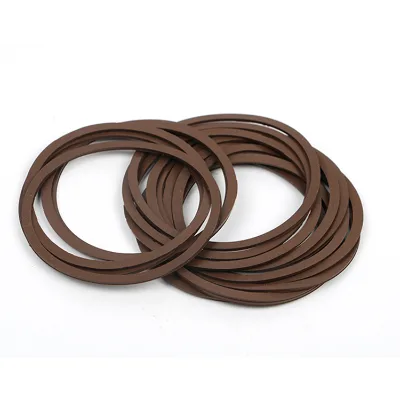
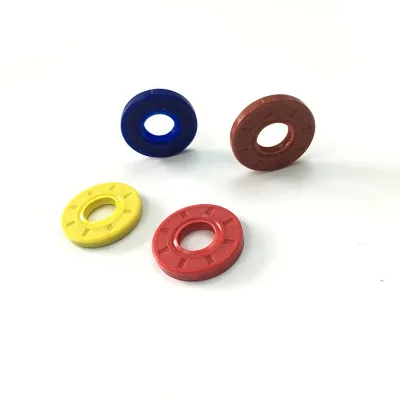
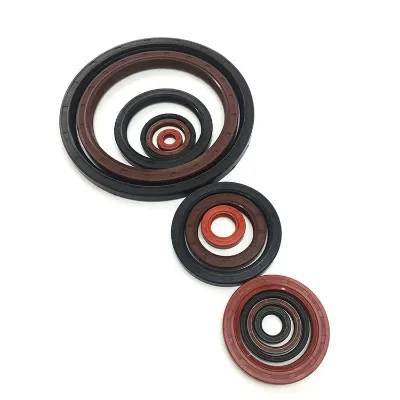
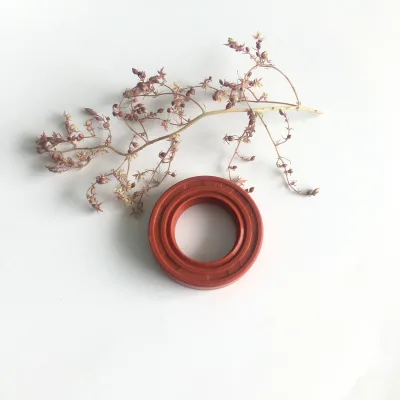
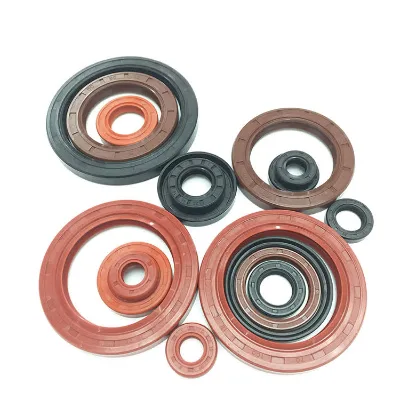
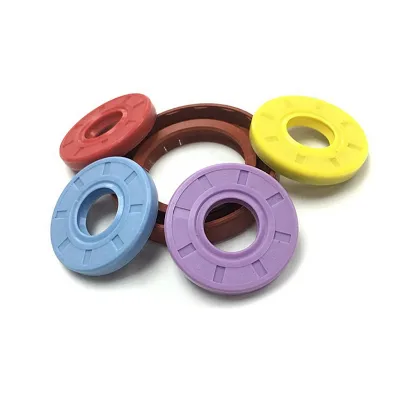
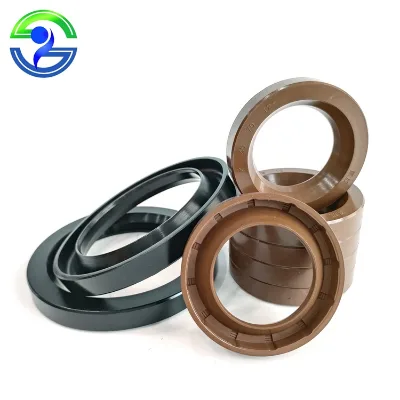
Standard nbr oil seal factory price or metal with
$0.10 - $0.30

Julu County Hengfeng Seal Factory
- Verified by BV
- Combined
- China Hebei
- Lead time15 days
- Avg. response≤ 9h
Main productsSealing Gasket, Metal Coated Gasket, Copper Seal Gasket, Oil Seal, Filter Element, Rubber Gasket, O-Ring, Asbestos Gasket, Non-Asbestos Gasket, Stainless Steel Washer
Main marketsDomestic
- Trading Company
- Zhejiang, China
- Lead time10 days
- Avg. response≤ 5h
Main productsOil Seal,O Ring,Gasket
Main marketsWestern Europe(60.00%), North America(30.00%), Mid East(10.00%)
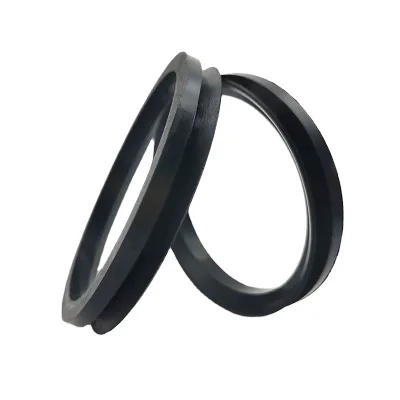
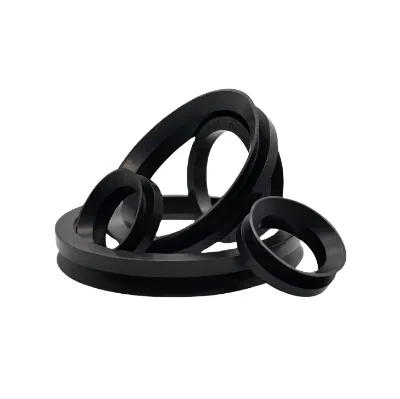
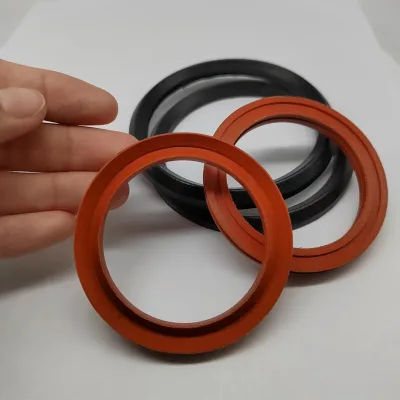
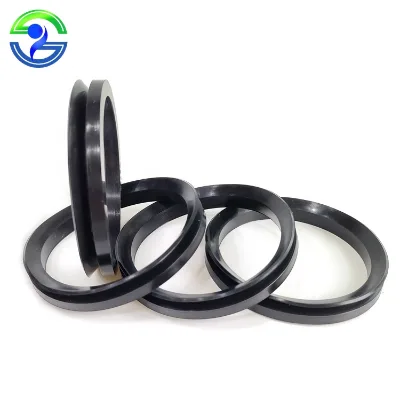
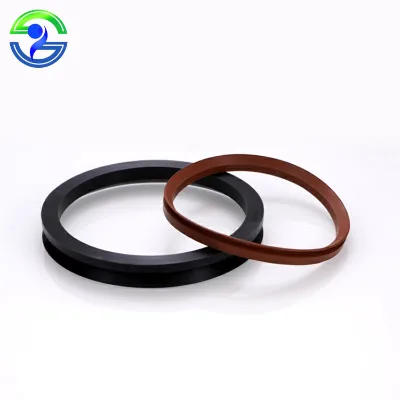
VS/VA Type Water Seal V-Type Rotary Sealing Ring Oil Resistance Rubber Oil Seal
$0.3925 - $1.0306
MOQ: 100 pieces
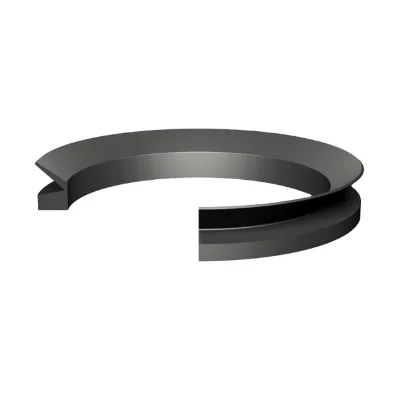
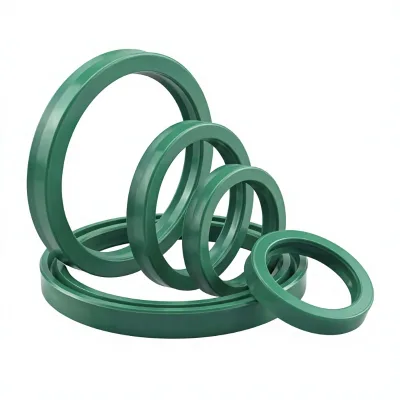
Rubber Metric VA Style Water Pump Seals Ring
$0.18 - $0.61
Dongguan Jiexin Seal Co., Ltd.
- Manufacturer
- Guangdong, China
- Lead time30 days
- Avg. response≤ 3h
Main productsmechannical seal,oil seal,o ring,58U,M7N
Main marketsEastern Europe(40.00%)
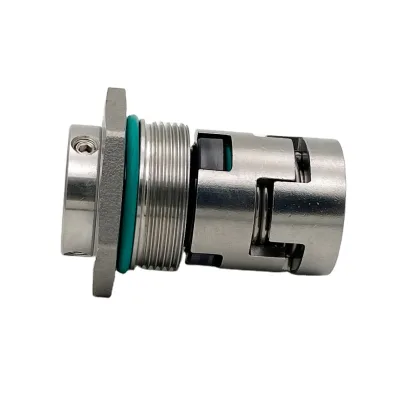
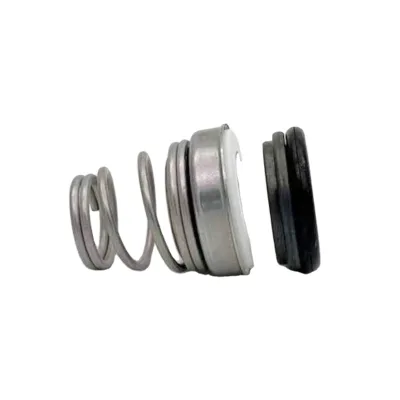
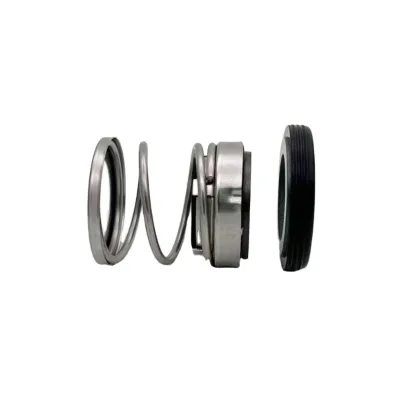
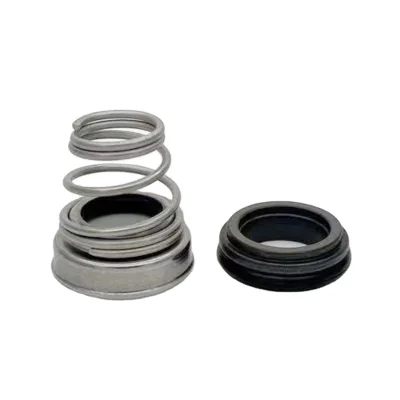
Compliant with Standards Mechanical Seal 155 of Pump
$0.15 - $0.35
Shenzhou Zhongtian Rubber & Plastic Products Co., Ltd.
- Manufacturer, Trading Company
- Hebei Province, China
- Lead time15 days
- Avg. response≤ 2h
Main productsOil seal,O ring,Rubber gasket,Rubber strip,Rubber Sleeve
Main marketsNorthern Europe(49.00%), Eastern Europe(19.00%), Southern Europe(14.00%), North America(10.00%), South America(8.00%)

XTSKY INDUSTRIAL GROUP LIMITED
- Verified by SGS
- Trading Company
- China Hebei
- Lead time15 days
- Avg. response≤ 5h
Main productsAir Filters, Oil Filters, Fuel Filters, Cabin Filters, Oil Seals, Valve Stem Seals, O-Rings Rubber Products, Ball Bearings, Roller Bearings, Brake System Parts
Main marketsSoutheast Asia/ Mideast,North America
Tianjin King Seal Trading Co., Ltd.
- Verified by TüVRheinland
- Trading Company
- Lead time10 days
- Avg. response≤ 4h
Main productsRubber Diaphragm, Gasket Washer, Other Hardware, Rubber O Ring, Rubber Oil Seal
Main marketsOceania(14%), North America(12%), Western Europe(12%)

Xingtai Hongmao Auto Part Co., Ltd.
- Verified by SGS
- Trading Company
- China Hebei
- Lead time30 days
- Avg. response≤ 6h
Main productsHydraulic Oil Seal, Auto Seal, Customized Rubber Gasket, Agricultural Machinery Oil Seal, Excavator Oil Seal, Bonded Seal, Tc Oil Seal, Un Oil Seal, PU Oil Seal, O Ring
Main marketsSouth America,Europe,North America
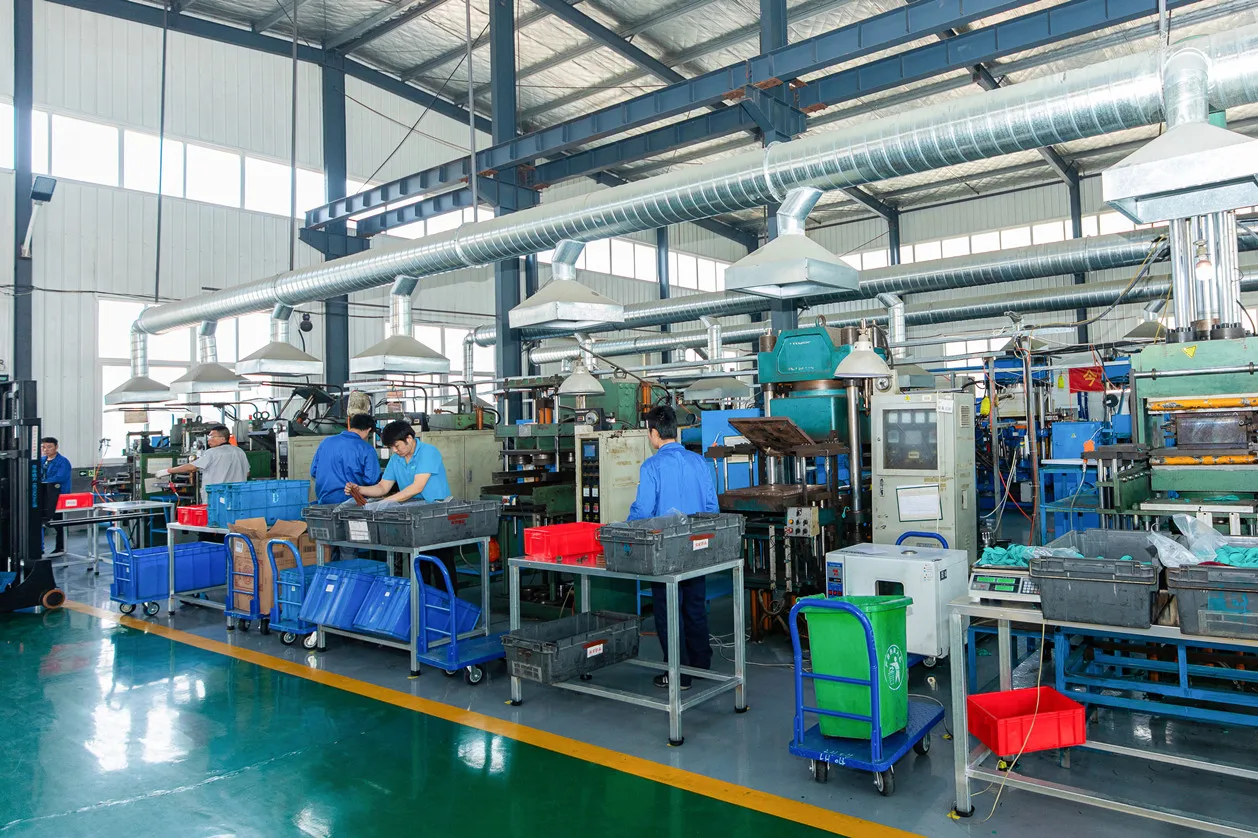
Qingdao Alliance Runjia Industry And Trade Co., Ltd.
- Manufacturer, Trading Company
- Shandong, China
- Lead time20 days
- Avg. response≤ 2h
Main productsRubber Oil Seal,Hydraulic Seals,Rubber O Ring,PU Seals,Rubber Parts
Main marketsDomestic Market(75.00%), North America(5.00%), Mid East(5.00%), Africa(5.00%), Eastern Europe(5.00%), South America(5.00%)
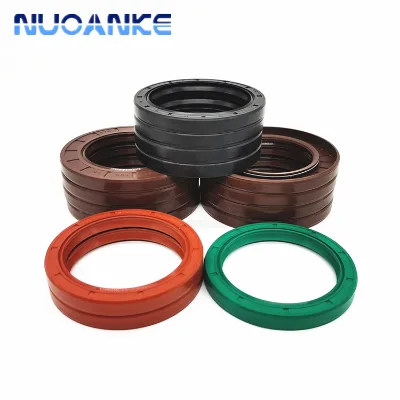
Liuzhou Nuoanke Seal Co., Ltd.
- Verified by TüVRheinland
- Manufacturer, Trading Company
- Lead time7 days
- Avg. response≤ 4h
Main productsRubber O Rings, Oil Seal, Hydraulic Seals, Mechanical Seal, Custom Rubber Parts
Main marketsNorth America(15%), Africa(15%), Mid East(15%)

Shenzhen Pepson Industrial Co., Ltd.
- Trading Company
- China Guangdong
- Lead time15 days
- Avg. response≤ 12h
Main productsPolyurethane Belts, Urethane Products, PU Sheet, PU Timing Belt, PU Rod, Conveyor Belt, PU Rough Round Belt, PU V-Belt, PU Squeegees, TPU Material
Main marketsAfrica,Southeast Asia/ Mideast,East Asia(Japan/ South Korea),North America

Hangzhou Bright Rubber Plastic Product Co., Ltd.
- Verified by TUVRHEINLAND
- Manufacturer/Factory
- China Zhejiang
- Lead time15 days
- Avg. response≤ 4h
Main productsCustom EPDM/NBR/Silicone Rubber Molding Parts, Custom Nylon/ABS Plastic Injection Molding Parts, Silicone Extrusion Profiles/Tube/Strip, Spong Silicone Extrusion Profiles/Tube/Strip, Rubber Extrusion Profiles/Sealing/Tube/Strip, Rubber Bumper/Shock Absorber/Buffer/Damper, Rubber Seal/Gasket/Ring/O-Ring/Base, Rubber Cushion/Grommet/Bushing/Spacer/Hose/Grip, Plastic Extrusion Profiles/Sealing/Tube/Strip, Metal Parts
Main marketsSouth America,Eastern Europe,Mid East,North America,Southeast Asia,Eastern Asia,Oceania,Western Europe,Africa

Ningbo Boman Mechanical & Technology Co., Ltd.
- Manufacturer/Factory
- China Zhejiang
- Lead time15 days
- Avg. response≤ 7h
Main productsOil Seal, O Ring, Customize Molded Rubber Part, Bonded Seal, Extrusion Strip, Rubber Ball, Valve Stem Seal, Rubber Product, Plastic Products, Silicone Product
Main marketsSouth America,Eastern Europe,Mid East,North America,Southeast Asia,Eastern Asia,Western Europe


Oil Seal O Ring Bonded Seal Rubber Product Customize Molded Rubber Oil Seal
$0.02 - $0.90
MOQ: 100 Pieces


- Trading Company
- China Liaoning
- Lead time15 days
- Avg. response≤ 4h
Main productsRubber Plug, Flexible Pipe Coupling, Rubber Sealing Strip, Slewing Ring Bearing Seal, Rubber Valve Seal, Rubber Damper, Bridge Bearing, Rubber Airbag, Rubber Seal, Rubber Products
Main marketsSouth America,Africa,Southeast Asia/ Mideast,East Asia(Japan/ South Korea),Domestic,Europe,Australia,North America

Zhejiang Yingdeer Sealing Parts Co., Ltd.
- Verified by SGS
- Combined
- China Zhejiang
- Lead time23 days
- Avg. response≤ 1h
Main marketsEurope
Hebei Saixuan Import&export Trading Co., Ltd.
- Verified by Intertek
- Manufacturer, Trading Company
- Lead time10 days
- Avg. response≤ 4h
Main productsHammer Union Seals, Swivel Joint Packing Seals, Valve Stem Packing, Well Service Packing, Hydraulic Seals
Main marketsNorth America(56%), South America(20%), Southeast Asia(5%)
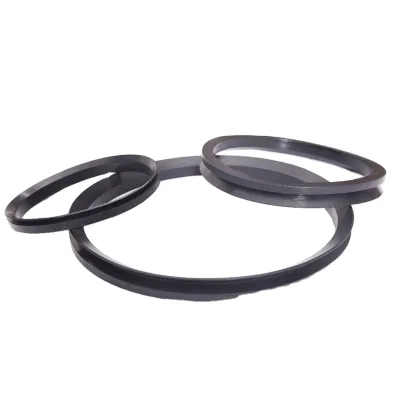
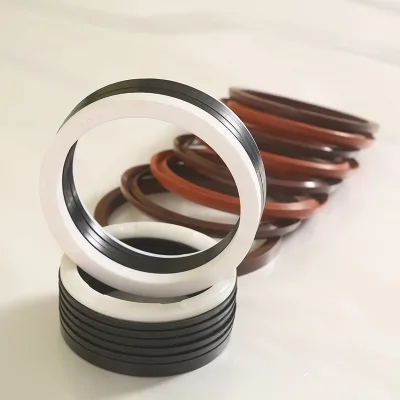
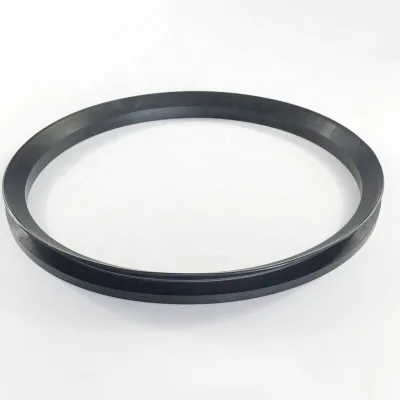
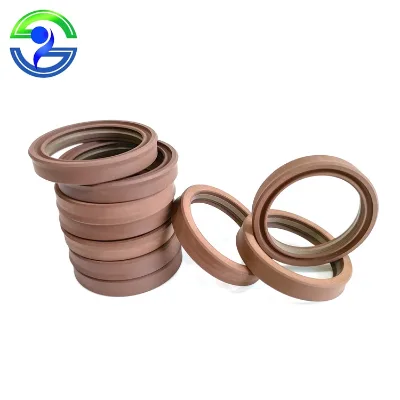
V packing Oil Seal Cross Reference
$0.30 - $2.50
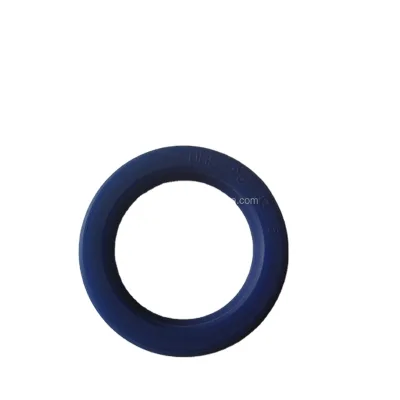
UHS Type Oil Seal Ring for Cylinder
$0.25 - $1.50

- Verified by SGS
- Trading Company
- China Hebei
- Lead time15 days
- Avg. response≤ 3h
Main productsOil Seal, Oring, Gaskets, Diaphragm, Mounts and Bushings
Main marketsSoutheast Asia/ Mideast,North America
Maoming Dier Sealing Materials Co., Ltd.
- Trading Company
- Guangdong, China
- Lead time0 days
- Avg. response≤ 2h
Main productsO-rings,Oil Seal,Gaskets,hydraulic seals,compressor parts
Main marketsMid East(25.00%), North America(20.00%), Western Europe(10.00%), Africa(10.00%), Southeast Asia(10.00%), South America(10.00%), Eastern Europe(10.00%), South Asia(5.00%)
Zhejiang Yingdeer Sealing Parts Co., Ltd.
- Manufacturer, Trading Company
- Zhejiang, China
- Lead time3 days
- Avg. response≤ 3h
Main productsSealing element, Plastic products, Rubber parts
Main marketsDomestic Market(69.00%), Southeast Asia(20.00%), South America(5.00%), Africa(3.00%), Mid East(2.00%), Eastern Asia(1.00%)
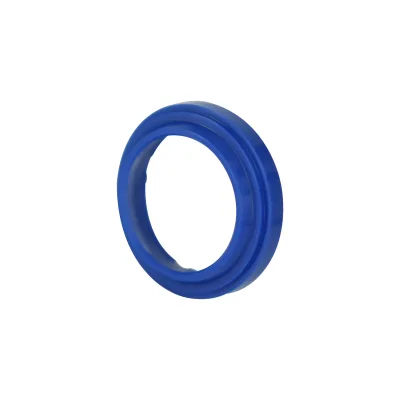
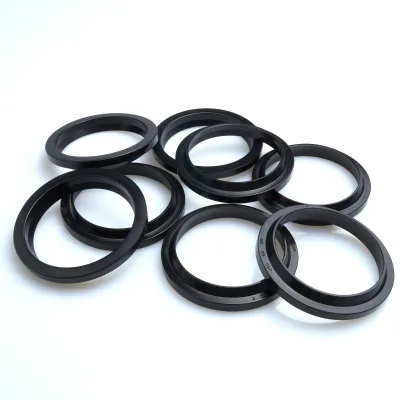
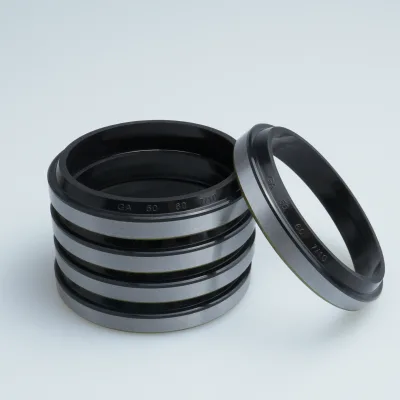
J Type Dust Seal Ring Customized High Temperature Oil Seals for Excavator
$0.0512 - $0.1543
MOQ: 10 pieces
Qingdao Bright Rubber&plastic Co., Ltd.
- Trading Company
- Shandong, China
- Lead time15 days
- Avg. response≤ 1h
Main productsCustomized Rubber Part,Rubber hose,Rubber Sealing Strip,Silicone Rubber Tube,Rubber oil seals
Main marketsNorth America(40.00%), South America(20.00%), Southeast Asia(10.00%), Eastern Europe(10.00%), South Asia(5.00%), Southern Europe(5.00%), Western Europe(5.00%), Northern Europe(2.00%), Mid East(2.00%), Domestic Market(1.00%)
Hebei Sanyong New Material Technology Co., Ltd.
- Verified by TüVRheinland
- Manufacturer, Trading Company
- Lead time15 days
- Avg. response≤ 3h
Main productsSilicone Seal, Custom Gasket, Rubber Oil Seal, Seal Part, Seal Oring
Main marketsDomestic Market(50%), North America(5%), Eastern Europe(5%)

Chongqing Xundola Rubber Parts Co., Ltd.
- Trading Company
- Chongqing, China
- Lead time25 days
- Avg. response≤ 9h
Main productsoil seal,stem seal,cv joint boot,valve gasket,o-ring
Main marketsCentral America(20.00%), North America(20.00%), South America(10.00%), Southeast Asia(10.00%), Eastern Europe(10.00%), Mid East(5.00%), Eastern Asia(5.00%)
Guangdong Desheng Industrial Technology Co., Ltd.
- Verified by SGS Group
- Trading Company
- Lead time15 days
- Avg. response≤ 2h
Main productsSeals, Oil Seal, Wiper Seal, Hydraulic Cylinder Seals, Spring Energized Seals
Main marketsDomestic Market(70%), North America(5%), South America(5%)

Xingtai Zhongte Seal Parts Co., Ltd.
- Verified by TUVRHEINLAND
- Combined
- China Hebei
- Lead time15 days
- Avg. response≤ 4h
Main productsOil Seal, Tc Oil Seal, PU Seal, Hydraulic Seal Kit, Valve Cover Gasket, Seal Kits, Crankshaft Oil Seal
Main marketsDomestic








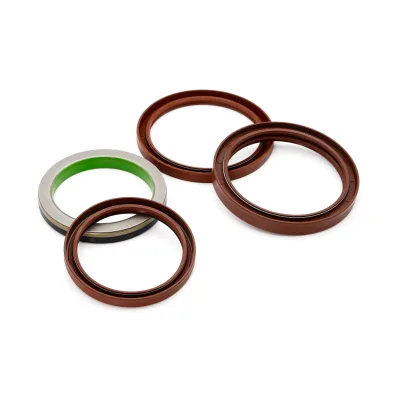
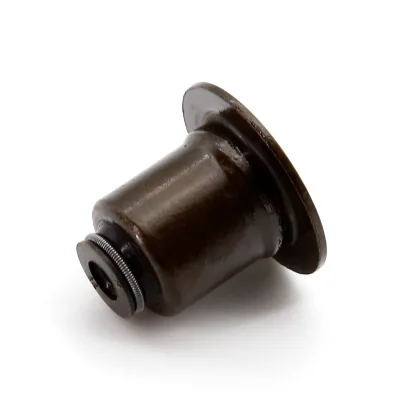
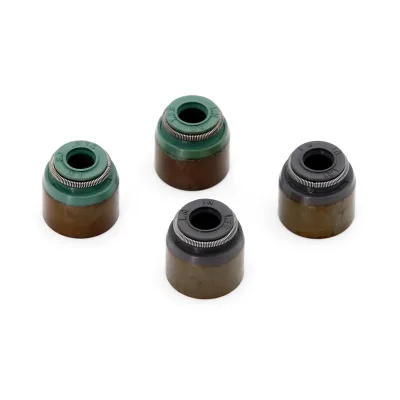
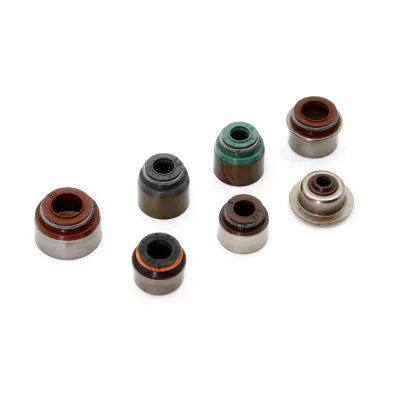
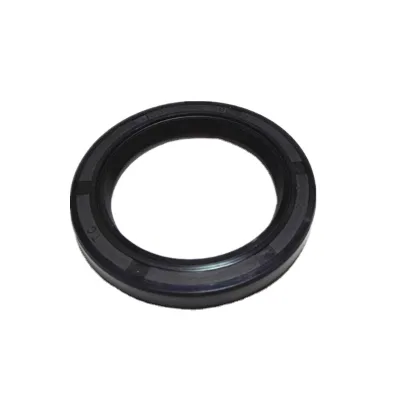
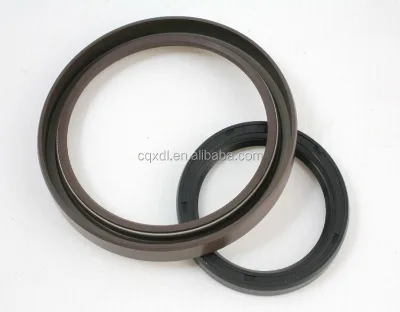
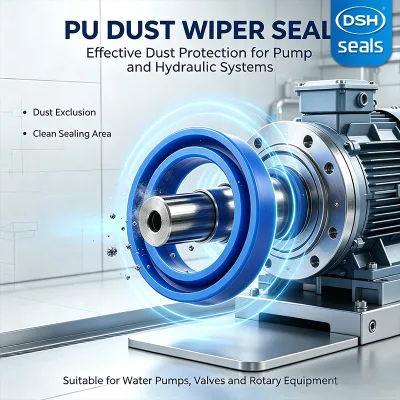
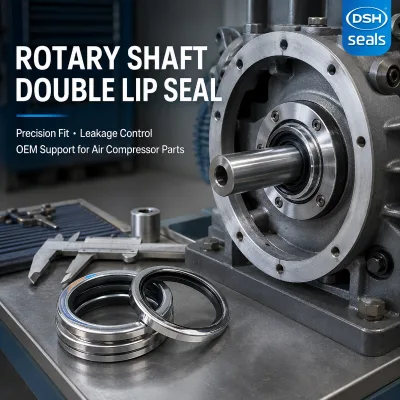


Comprehensive Sourcing Guide
V Water Dustproof Oil Seal Supplier Concentration and Factory Types
The current supplier landscape for V water dustproof oil seals reveals a distinct mix of manufacturing capabilities and trading structures, primarily anchored in specific geographic hubs. Evidence indicates that suppliers are located in China, with Zhejiang identified as a key location for some entities. This regional concentration suggests a mature industrial cluster where supply chain efficiencies are likely optimized for rubber and hardware components. Buyers should recognize that this geographic clustering often correlates with established logistics networks and specialized raw material availability, which can influence both pricing stability and production speed. However, the presence of suppliers in other regions, such as Jiangsu, further diversifies the sourcing options available for these specific sealing solutions.
Company types vary significantly across the results, ranging from pure trading companies to hybrid entities that operate as both manufacturers and traders. Some suppliers explicitly list their company type as a Trading Company, focusing on aggregation and distribution, while others identify as Manufacturer, Trading Company, indicating they may have in-house production capabilities alongside their trading operations. This distinction is critical for buyers evaluating direct factory access versus intermediary services. The main products listed by these suppliers include seals, oil seals, rubber O-rings, gaskets, and end cap covers, suggesting that many facilities possess broad rubber processing expertise. This versatility allows them to offer V water dustproof oil seals alongside complementary sealing components, potentially simplifying procurement for buyers seeking multiple part types from a single source.
How to Verify V Water Dustproof Oil Seal Suppliers
Verification is a crucial step in ensuring the reliability of suppliers offering V water dustproof oil seals, as the market includes both verified and unverified entities. Current data shows that some suppliers hold verification from TUVRHEINLAND, while others are verified by SGS Group. These third-party validations provide a baseline level of confidence regarding the supplier’s business legitimacy and operational standards. Buyers should prioritize suppliers with these recognized verification badges, as they indicate that an independent body has assessed the company’s credentials. It is important to note that not all suppliers display verification status, so the absence of a badge does not necessarily imply unreliability, but it does require additional due diligence from the buyer.
Certifications further enhance the credibility of a supplier, particularly for industries with strict regulatory requirements. Some suppliers in the results hold ISO 9001, ISO 45001, and ISO 14001 certifications, which demonstrate adherence to quality, safety, and environmental management standards. Additionally, compliance with (EC) 1907/2006, SVHC, (EU) 2015/863, and FDA 21 CFR 177 indicates that certain suppliers meet international chemical and food-contact regulations. These certifications are vital for buyers in automotive, medical, or food processing sectors. Buyers should request copies of these certificates and verify their validity directly with the issuing bodies. The presence of such certifications suggests a higher level of operational maturity and quality control, reducing the risk of receiving non-compliant or substandard V water dustproof oil seals.
What to Compare Across V Water Dustproof Oil Seal Suppliers
When evaluating multiple suppliers for V water dustproof oil seals, lead time is a primary metric for comparison. The observed lead times vary, with some suppliers offering a 7-day turnaround, while others indicate a 15-day production period. This difference can significantly impact inventory management and project timelines, especially for urgent orders. Buyers should align their order planning with the supplier’s stated lead time to avoid production delays. Additionally, response time is another critical factor, with some suppliers demonstrating a rapid response rate of 1 hour, while others take approximately 2.57 hours. Faster response times often correlate with better customer service and quicker resolution of technical queries, which is essential for customizing V water dustproof oil seals to specific application requirements.
MOQ and pricing structures also require careful comparison across different suppliers. The minimum order quantities observed range from 10 pieces to 100 pieces, offering flexibility for buyers with varying volume needs. Pricing varies accordingly, with some products listed between $0.10 and $0.60 per unit, while others range from $0.42 to $0.55, and higher-end mechanical seals can cost between $2.00 and $4.00. Buyers should consider the total cost of ownership, including shipping and potential customization fees, rather than just the unit price. Furthermore, comparing the main products and customization capabilities is essential. Some suppliers offer OEM or ODM services and accept 2D or 3D drawings, which is crucial for buyers requiring specific V Water Dustproof Oil Seal designs. Evaluating these dimensions holistically ensures a balanced selection based on cost, speed, and technical fit.
Common V Water Dustproof Oil Seal Sourcing Risks
One significant risk in sourcing V water dustproof oil seals is the variability in material specifications and performance characteristics. The product attributes indicate that materials can include NBR, FKM, EPDM, and other rubber compounds, each with different resistance properties to oil, heat, and weathering. Buyers must ensure that the selected material matches their specific application environment, as using an incorrect compound can lead to premature seal failure. Additionally, the hardness of the seals, ranging from Shore A 30 to 100, affects their sealing effectiveness and durability. Without clear communication of these technical details, buyers risk receiving seals that do not perform as expected in high-pressure or high-speed applications. This mismatch can result in costly downtime and replacement expenses.
Another risk is the inconsistency in quality control and certification compliance. While some suppliers display robust certifications, others may lack verifiable quality management systems. The absence of system certifications or verification badges increases the uncertainty regarding the supplier’s ability to maintain consistent product quality. Buyers may encounter issues such as dimensional inaccuracies, surface defects, or inadequate packaging, which can damage the seals during transit. Furthermore, the reliance on trading companies without clear manufacturing oversight can obscure the true source of production, making it difficult to trace quality issues back to the factory floor. To mitigate these risks, buyers should conduct thorough supplier audits and request sample testing before committing to large orders, ensuring that the V water dustproof oil seals meet their rigorous standards.
V Water Dustproof Oil Seal Regional Sourcing and Logistics
Sourcing V water dustproof oil seals from China, particularly from regions like Zhejiang and Jiangsu, offers logistical advantages due to the country’s advanced manufacturing infrastructure and export capabilities. These regions are known for their efficient supply chains and proximity to major ports, which can facilitate faster shipping and lower freight costs. Buyers should consider the impact of regional logistics on delivery times and overall cost efficiency. The concentration of suppliers in these areas often leads to competitive pricing and a wide variety of product options, making it easier to find suitable V water dustproof oil seals. However, buyers must also account for potential customs delays and import regulations in their destination country, which can affect the final delivery timeline.
Logistics planning should also include considerations for packaging and handling. The product attributes indicate that seals are typically packed in cartons or according to customer requirements, which helps protect the seals during transit. Buyers should specify packaging preferences to ensure that the V water dustproof oil seals arrive in optimal condition. Additionally, the use of reliable freight forwarders and clear Incoterms can help manage the risks associated with international shipping. Buyers should negotiate shipping terms that align with their inventory needs and budget, considering factors such as transit time, insurance, and handling fees. By carefully planning the logistics, buyers can minimize disruptions and ensure a smooth supply chain for their V Water Dustproof Oil Seal procurement.
V Water Dustproof Oil Seal Commercial Terms and Order Planning
Commercial terms for V water dustproof oil seals often include flexibility in customization and service options. Many suppliers offer OEM or ODM services, allowing buyers to tailor the seals to their specific design requirements. The acceptance of 2D or 3D drawings indicates a willingness to collaborate on custom solutions, which is beneficial for buyers with unique application needs. Buyers should clearly communicate their technical specifications and design preferences to ensure that the supplier can meet their expectations. Additionally, the availability of various lip types, speeds, and pressure ratings provides options for different operational conditions. Understanding these customization capabilities is essential for selecting the right V Water Dustproof Oil Seal for a particular use case.
Order planning should also consider the payment terms and warranty policies offered by suppliers. While specific payment terms are not detailed in the current data, buyers should negotiate favorable conditions that align with their cash flow and risk management strategies. The presence of a 12-month warranty on some products, such as mechanical oil seals, provides an additional layer of protection for buyers. Buyers should verify the warranty coverage and claim process before placing orders. Furthermore, planning for future orders based on the supplier’s lead time and MOQ can help maintain a steady supply of V water dustproof oil seals. By establishing clear commercial terms and planning orders strategically, buyers can build a reliable and efficient sourcing relationship with their suppliers.
FAQs
What is the price range for v water dustproof oil seals?
Prices for these seals typically range from $0.10 to $4.00 per unit depending on specifications. Basic rubber variants start near $0.10, while heavy-duty mechanical seals for pumps can reach $4.00. Buyers should verify exact costs based on material choices like NBR or FKM and order volume.
What is the minimum order quantity for these seals?
Minimum order quantities vary by product type, generally starting at 10 pieces for standard rubber seals. Some specialized items require a minimum of 100 pieces. Buyers should confirm specific MOQs with suppliers before placing orders to ensure alignment with their procurement needs and budget constraints.
How long does production take for these oil seals?
Lead times for manufacturing these seals typically range from 7 to 15 days. Faster production is often available for standard items, while custom designs may require additional time. Buyers should confirm specific timelines with suppliers to ensure timely delivery for their project schedules and inventory requirements.
Are these seals suitable for high-pressure applications?
Yes, many available options are designed for high-pressure environments. Specific models feature high-pressure mechanical seal designs suitable for water pumps and engines. Buyers should verify pressure ratings and material compatibility, such as stainless steel components, to ensure the seal meets their specific operational requirements.
What certifications do these suppliers hold?
Suppliers often hold ISO 9001, ISO 14001, and ISO 45001 certifications. Some also comply with FDA 21 CFR 177 and REACH standards. Verification by groups like SGS or TÜV Rheinland is common. Buyers should request current certificates to ensure compliance with their industry regulations and quality standards.
Can these seals be customized for specific machinery?
Customization is widely available, including OEM and ODM services. Suppliers accept 2D or 3D drawings for tailored designs. Options include specific colors, lip types, and materials like NBR or FKM. Buyers should provide detailed specifications to ensure the custom seal fits their machinery perfectly.