Hospital Hand Sanitizer Dispenser Suppliers and Manufacturers
Source Hospital Hand Sanitizer Dispenser options from 22 verified suppliers in China. Compare key dimensions including automatic and manual automation types, plastic or stainless steel materials, and price ranges from $3.38 to $35.00. Review lead times and MOQs to identify the right partner for your procurement needs.
Updated
Suppliers List

DONG GUAN YUEKUN ZHICHUANG TECHNOLOGY CO., LTD.
- Verified by SGS
- Combined
- China Guangdong
- Lead time15 days
- Avg. response≤ 10h
Main productsAutoamtic / Manual Soap Dispenser, Aerosol Dispenser, Fan Air Freshener Dispenser, Paper Dispenser, Aroma Diffuser
Main marketsSouth America,Africa,Southeast Asia/ Mideast,East Asia(Japan/ South Korea),Domestic,Europe,Australia,North America

Guangzhou Longgui Intelligent Technology Co., Ltd.
- Verified by BV
- Combined
- China Guangdong
- Lead time30 days
- Avg. response≤ 5h
Main productsCable Cubby, Projector Lift, TV Lift, TV Bracket, Monitor Lift, Pup-up Sockets, Wall Panel, Hotel Socekt, Customrized Goods, Customerized Alumnium or Steel Parts
Main marketsOthers(foreignTradeCapacity.exportBusinessCapacityMarketOther)
Shenzhen Biotech Medical Co., Ltd.
- Manufacturer
- Guangdong, China
- Lead time15 days
- Avg. response≤ 7h
Main productssanitizer dispenser,aerosol dispenser,paper dispenser,hand dryer,hair dryer
Main marketsEastern Europe(20.00%), Southeast Asia(15.00%), Africa(10.00%), South America(10.00%), North America(10.00%), Southern Europe(5.00%), Western Europe(5.00%), Domestic Market(5.00%), South Asia(5.00%), Oceania(5.00%), Central America(3.00%), Eastern Asia(3.00%), Northern Europe(2.00%), Mid East(2.00%)
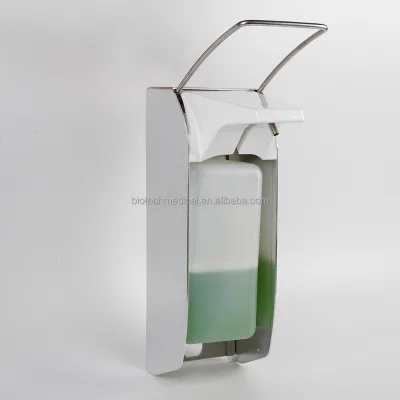
Hospital Manual Sanitizer Dispenser
$8.26 - $10.74
Jia Eleven (Hangzhou) Electrical Appliance Co., Ltd.
- Trading Company
- Zhejiang, China
- Lead time0 days
- Avg. response≤ 2h
Main productsSoap Dispenser,Soap Bag,Plastic Pump Nozzle
Main marketsNorth America(40.00%), South America(30.00%), Western Europe(10.00%), Eastern Asia(10.00%), Southern Europe(5.00%), Northern Europe(5.00%)
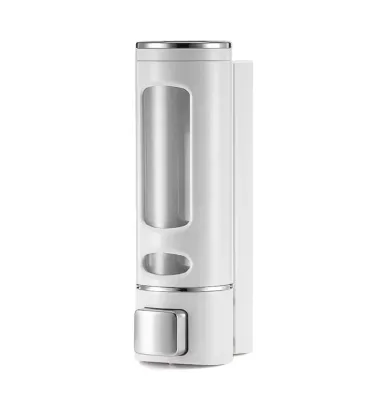
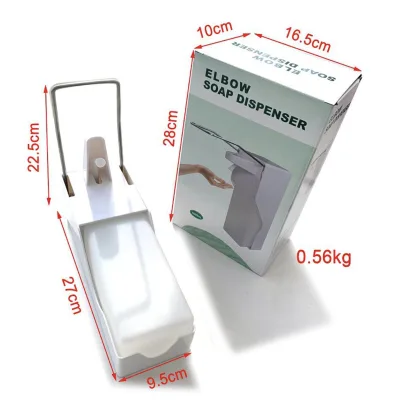
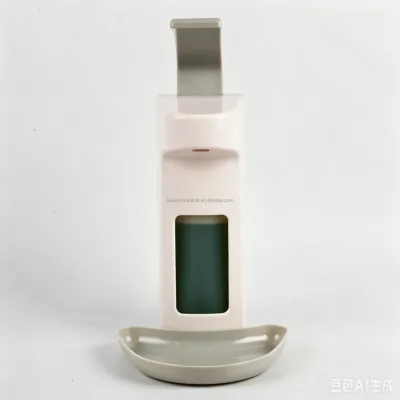
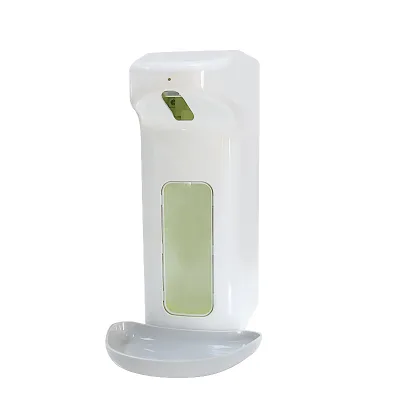
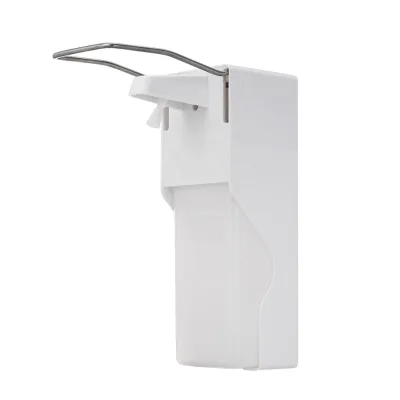
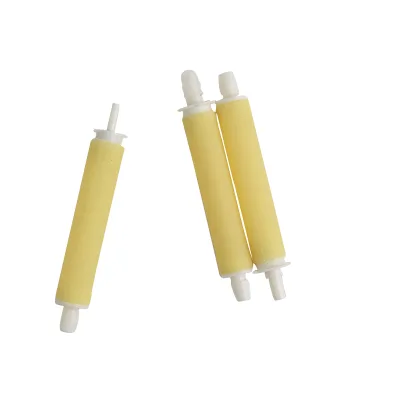
1000ML Refillable Wall Mounted Elbow Hand Sanitizer Dispenser for Doctor and Hospital
$4.6977 - $5.2205
MOQ: 2 pieces
Shenzhen City Itas In-Tech Sanitary Wares Co., Limited
- Manufacturer, Trading Company, Business Service (Transportation, finance, travel, Ads, etc)
- Guangdong, China
- Lead time25 days
- Avg. response≤ 3h
Main productsSoap Dispenser,Air Fresher,Soap Dispenser Pump,Tissue Box,paper dispenser
Main marketsDomestic Market(30.00%), Eastern Europe(15.00%), North America(10.00%), South Asia(10.00%), Western Europe(8.00%), Eastern Asia(5.00%), Mid East(5.00%), Southeast Asia(5.00%), Southern Europe(4.00%), South America(3.00%), Northern Europe(2.00%), Oceania(1.00%), Africa(1.00%), Central America(1.00%)

Shenzhen Smarlean Hygiene Co., Ltd.
- Trading Company,Manufacturer/Factory,Group Corporation
- China Guangdong
- Lead time23 days
- Avg. response≤ 18h
Main productsAutomatic Soap Dispenser, Hand Soap Dispenser, Paper Towel Dispenser, Toilet Tissue Dispenser, Commercial Automatic Soap Dispenser, Commercial Hand Soap Dispenser, Commercial Paper Towel Dispenser, Commercial Toilet Tissue Dispenser, Commercial Paper Towel, Commercial Toilet Paper
Main marketsSouth America,Eastern Europe,Mid East,North America,Southeast Asia,Eastern Asia,Oceania,Western Europe,Africa

Hospital Sensor Hand Soap Hand Sanitizer Dispenser with 1000ml Capacity
$18.50 - $21.00
MOQ: 200 Pieces

Hospital Hygiene Plastic Medical Liquid Soap Dispenser Gel Sterilizer Dispenser
$16.00 - $16.80
MOQ: 200 Pieces


Automatic Wall Mounted Foam Liquid Soap Hand Sanitizer Dispenser for Hospital
$18.00 - $18.90
MOQ: 500 Pieces
Shenzhen Pingdi Aolq Bathroom Supply Co., Ltd.
- Verified by Intertek
- Manufacturer, Trading Company
- Lead time15 days
- Avg. response≤ 2h
Main productsSoap Dispenser, Paper Dispenser, Air Freshener Dispenser, Shampoo Bracket, Waste Bin
$23.1111 - $23.8392
MOQ: 2 pieces
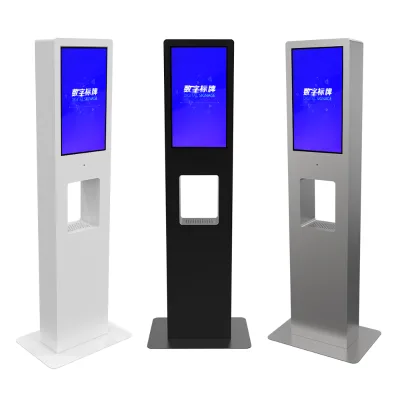
Hand Sanitizer Station Automatic Refill Hand Sanitizer Dispenser Large Capacity
$39.68 - $40.60
MOQ: 1
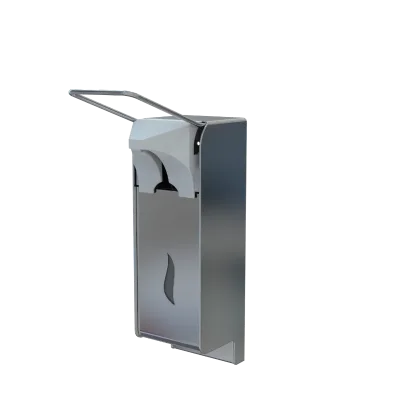
AOLQ Custom logo 1000ml SS 304 Hospital Medical Liquid Hand Soap Dispenser
$7.59 - $8.89
MOQ: 500 pieces
$7.8495 - $8.7558
MOQ: 100 pieces
Shantou Zhangwu Metal Products Co., Ltd.
- Manufacturer, Trading Company
- Guangdong, China
- Lead time20 days
- Avg. response≤ 4h
Main productsashtray,stainless steel dustbin,Trash Can,Stainless Steel Bucket,smoking ashtray
Main marketsNorth America(70.00%), Domestic Market(10.00%), Western Europe(10.00%), Northern Europe(5.00%), Eastern Europe(3.00%), Southeast Asia(2.00%)

- Trading Company
- China Guangdong
- Lead time15 days
- Avg. response≤ 5h
Main productsHouseware, Bathroom Set, Bathroom Accessory, Kitchenware, Tableware, Wine Accessory, Bath Set, Home Decoration, Soap Dispenser, Bath Ensembles
Main marketsDomestic,North America
Shanghai Excelite Industrial Co., Ltd.
- Trading Company
- Shanghai, China
- Lead time25 days
- Avg. response≤ 8h
Main productshotel supplies,Ironing board,flashlight,safe box,urinal screen
Main marketsDomestic Market(20.00%), North America(15.00%), South America(10.00%), Eastern Asia(10.00%), Mid East(10.00%), Southeast Asia(10.00%), Southern Europe(10.00%), Western Europe(5.00%), Eastern Europe(5.00%), Northern Europe(5.00%)

Dongguan Fenggang Chuangdian Sanitary Wares Factory
- Manufacturer
- Guangdong, China
- Lead time20 days
- Avg. response≤ 2h
Main productsSoap Dispenser,Paper Dispenser,Hand Dryer,Hair Dryer,Electric Kettles
Main marketsDomestic Market(40.00%), North America(12.00%), Southeast Asia(12.00%), Eastern Europe(6.00%), Mid East(6.00%), South America(5.00%), Western Europe(5.00%), South Asia(4.00%), Southern Europe(3.00%), Eastern Asia(3.00%), Africa(2.00%), Oceania(2.00%)
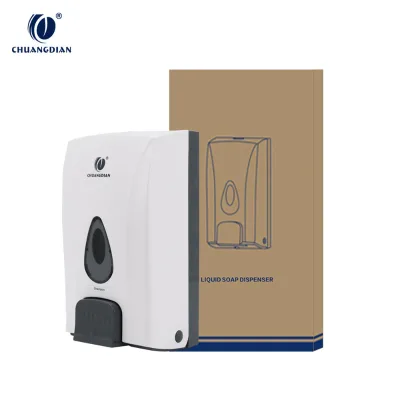
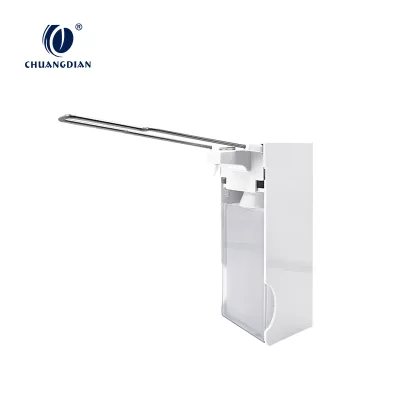
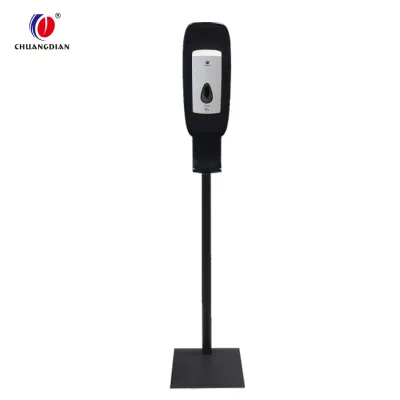
Chuangdian Hospital Floor Stand Spray Liquid Soap Dispenser With Sensor Foaming Dispensers
$41.1441 - $50.5845
MOQ: 500 pieces

Guangzhou Yuming Electrical Industrial Co., Ltd
- Verified by SGS
- Trading Company,Manufacturer/Factory
- China Guangdong
- Lead time23 days
- Avg. response≤ 4h
Main productsPaper Dispenser, Soap Dispenser, Perfume Dispenser, Sanitizer Dispenser, Hand Dryer, Hair Dryrer, Bathroom Accessory, Air Freshener, Hotel Products, Janitorial Supplies
Main marketsSouth America,Eastern Europe,Mid East,North America,Southeast Asia,Eastern Asia,Oceania,Western Europe,Africa

Sensor Hand Sanitizer Dispenser Sanitation Dispenser Touchless Spray Dispenser
$16.00 - $20.00
MOQ: 1 pcs


New Arrival Automatic Sanitary Liquid Soap Dispenser Hand Sanitizer Dispenser
$15.00 - $20.00
MOQ: 1 pcs


2000ml Large Capacity Alcohol Sterilization Hand Dispenser Sanitizer Machine
$35.00 - $50.00
MOQ: 1 pcs
Shaoxing Contuo Transmission Technology Co., Ltd.
- Manufacturer, Trading Company
- Lead time旺季: "1 - 1":30,"2 - 30":35,"31 - 50":40,"> 50":"To be negotiated", 淡季: "1 - 1":30,"2 - 30":35,"31 - 50":40,"> 50":"To be negotiated"
- Avg. response≤ 4h
Main productsSit Standing Desk, Lifting Column Systems, TV Lift, Furniture Hardware Accessories
Shenzhen Leekong Bathroom Utilities Supplies Co., Ltd.
- Manufacturer, Trading Company
- Guangdong, China
- Lead time15 days
- Avg. response≤ 2h
Main productsSoap Dispenser, Paper Dispenser, Hotel Supplies, Bath Supplies, Sterilizer
Main marketsNorth America(15.00%), Eastern Europe(10.00%), Domestic Market(10.00%), Mid East(10.00%), Southeast Asia(10.00%), South Asia(5.00%), Eastern Asia(5.00%), South America(5.00%), Oceania(5.00%), Western Europe(5.00%), Southern Europe(5.00%), Central America(5.00%), Northern Europe(5.00%), Africa(5.00%)
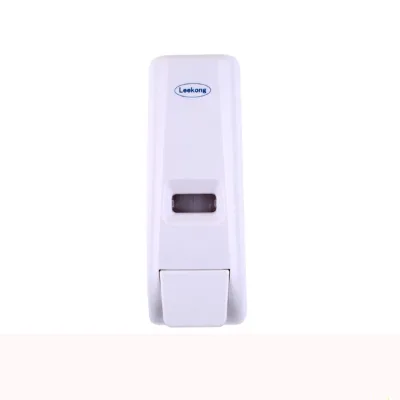
$4.4745 - $4.7097
MOQ: 1 pieces
$19.6762 - $20.7443
MOQ: 100 units
Chaozhou Chaoan Caitang Town Yajie Hardware Products Factory
- Manufacturer, Trading Company
- Guangdong, China
- Lead time15 days
- Avg. response≤ 8h
Main productsFloor Drain,Towel Rack,Tissue Box,Storage Rack,Soap Dispenser
Main marketsSouth Asia(15.00%), Southern Europe(15.00%), Western Europe(15.00%), Eastern Europe(13.00%), Southeast Asia(12.00%), Eastern Asia(10.00%), Central America(5.00%), Domestic Market(5.00%), South America(5.00%), Mid East(3.00%), Africa(2.00%)

- Trading Company
- Anhui, China
- Lead time30 days
- Avg. response≤ 10h
Main productsSoap Dispenser,Hand Sanitizer Dispenser,Hand Dryer,Paper Towel Dispenser,Aerosol Dispenser
Main marketsSouth America(80.00%), Southern Europe(10.00%), Oceania(5.00%), Western Europe(3.00%), Northern Europe(2.00%)
Guangzhou Saige Smart Household Products Co., Ltd.
- Verified by TüVRheinland
- Manufacturer, Trading Company
- Lead time15 days
- Avg. response≤ 3h
Main productsSoap Dispenser, Paper Dispenser, Aerosol Dispenser, Urinal Screen
Main marketsNorth America(20%), South America(10%), Eastern Europe(10%)
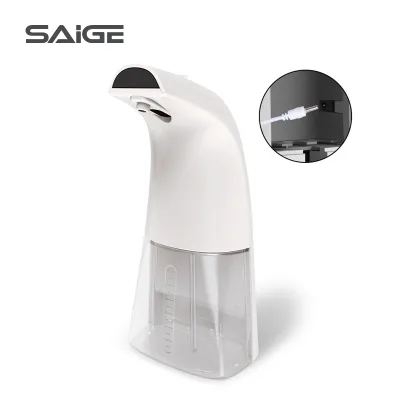
300ml Home USB Rechargeable Contactless Auto Hands Free Hand Sanitizer Dispenser
$5.234 - $6.6706
MOQ: 2 pieces
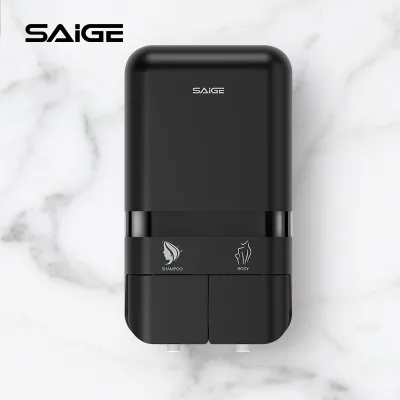
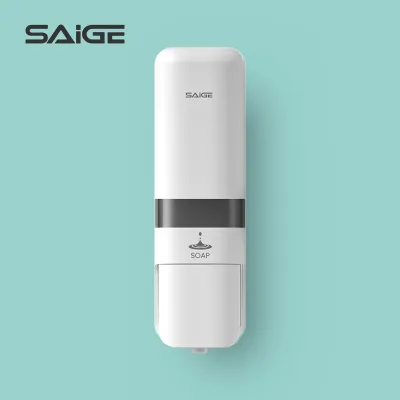
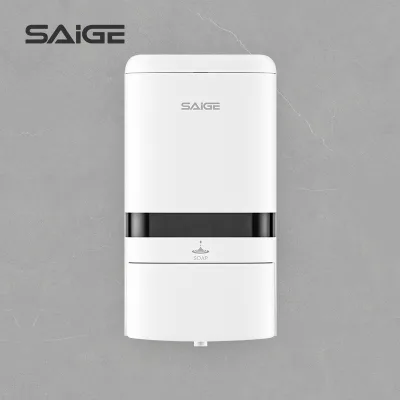
Factory Durable ABS Plastic Put on the Wall Disposable Hand Sanitizer Dispenser for Men's Toilet
$4.4326 - $5.5111
MOQ: 1000 pieces
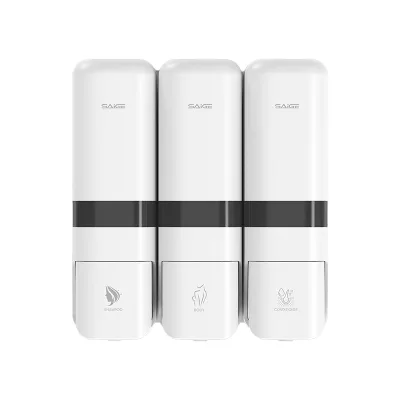
Factory New Arrival 1200ml Capacity Wall Mounted Manual Foam Dispenser for Hospital Use
$6.42 - $7.17
MOQ: 100 pieces
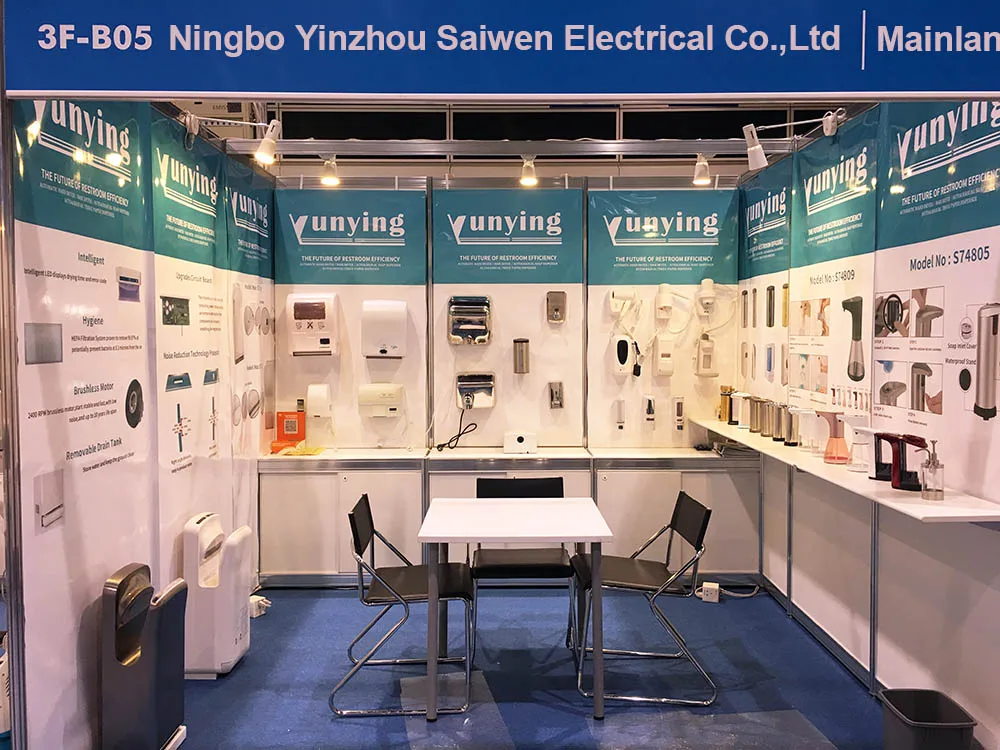
Ningbo Yinzhou Saiwen Electrical Co., Ltd.
- Manufacturer
- Zhejiang, China
- Lead time30 days
- Avg. response≤ 3h
Main productsAutomatic hand dryer,Soap dispenser,paper dispenser,automatic hair dryer,automatic skin dryer
Main marketsMid East(30.00%), Northern Europe(20.00%), Africa(15.00%), Southern Europe(10.00%), Domestic Market(10.00%), South America(10.00%), Southeast Asia(5.00%)

Kunshan Deco POP Display Co., Ltd.
- Verified by TUVRHEINLAND
- Trading Company,Manufacturer/Factory
- China Shanghai
- Lead time15 days
- Avg. response≤ 2h
Main productsDisplay Stand, Cardboard Display Stand, Floor Display, Counter Display, Cardboard Display Box, Paper Display, Pop Display, Pallet Display, Acrylic Display, Display Rack Shelf
Main marketsSouth America,Eastern Europe,Mid East,North America,Southeast Asia,Eastern Asia,Oceania,Western Europe,Africa

Auto Hand Sanitizing Station Gel, Refill Hand Sanitizer Dispenser Station
$10.00 - $38.00
MOQ: 100 Pieces


Hands Free Sanitizer Dispensing Stand Universal Bottle Holder Contactless Dispenser
$10.00 - $38.00
MOQ: 100 Pieces


Cardboard Table Top Disinfectant Hand Sanitizer Soap Dispenser with Stand
$7.50 - $10.50
MOQ: 100 Pieces

Hand Sanitizer Dispenser, Floor Stand, Touch Free Freestanding Design, Ideal for High-Traffic Areas
$10.00 - $38.00
MOQ: 100 Pieces

Shanghai Unisign Industrial Material Co., Ltd.
- Verified by TUVRHEINLAND
- Combined
- China Shanghai
- Lead time30 days
- Avg. response≤ 4h
Main productsSelf Adhesive Vinyl, Textile, PVC Tarpaulin, PVC Banner
Main marketsAfrica
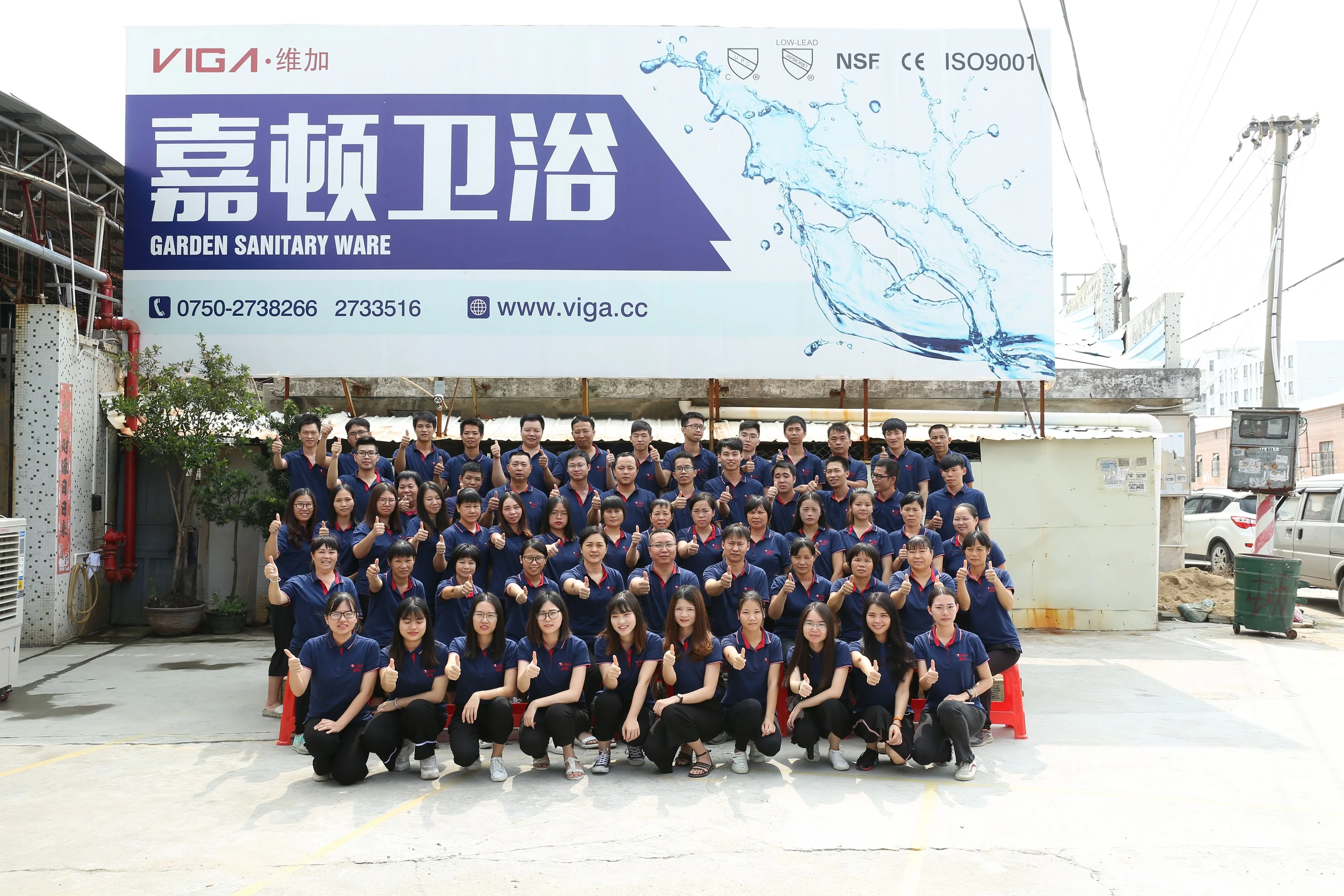
Kaiping City Garden Sanitaryware Co., Ltd.
- Manufacturer
- Guangdong, China
- Lead time30 days
- Avg. response≤ 3h
Main productsBasin Faucet,Kitchen Faucet,Shower Faucet,Bath Faucet,bathroom accessories
Main marketsWestern Europe(16.00%), Southeast Asia(16.00%), Eastern Europe(16.00%), South America(16.00%), Mid East(16.00%), Oceania(10.00%), North America(10.00%)
Shenzhen Meigja Technology Co., Ltd.
- Manufacturer, Trading Company
- Guangdong, China
- Lead time15 days
- Avg. response≤ 2h
Main productsBathroom Vanities,Bathroom Cabinets,Bathroom Furnitures,Chair Covers,Tablecloths
Main marketsWestern Europe(15.00%), North America(15.00%), Southeast Asia(12.00%), Domestic Market(10.00%), South America(10.00%), Mid East(10.00%), Eastern Europe(8.00%), Africa(5.00%), South Asia(5.00%), Oceania(3.00%), Eastern Asia(3.00%), Northern Europe(2.00%), Southern Europe(1.00%), Central America(1.00%)







Comprehensive Sourcing Guide
Hospital Hand Sanitizer Dispenser Supplier Concentration and Factory Types
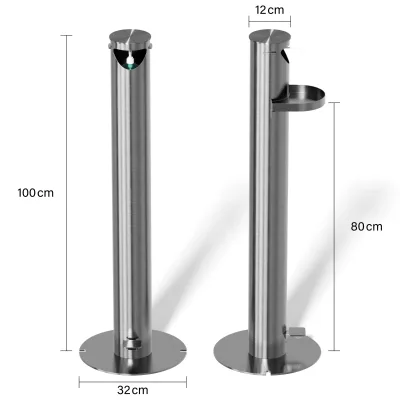
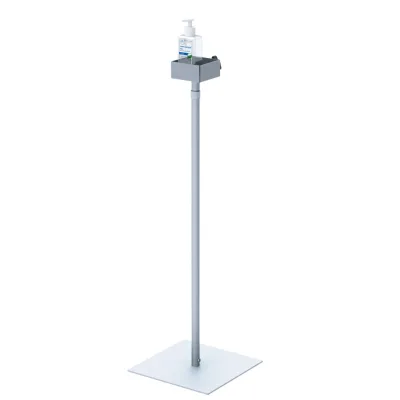
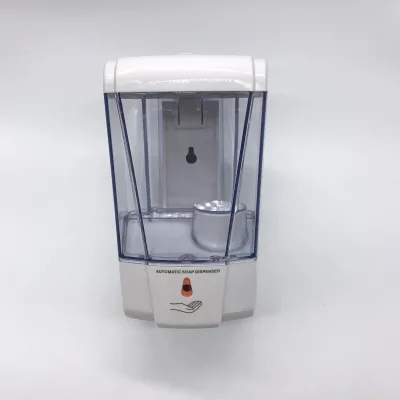
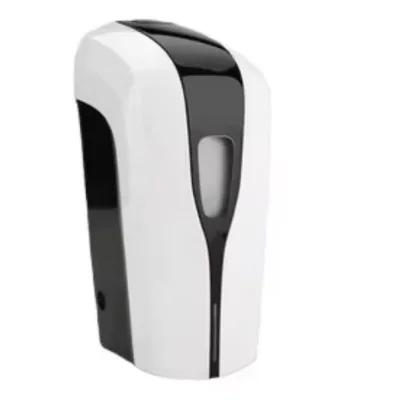
Supplier results for the Hospital Hand Sanitizer Dispenser category point to Guangdong, China as a documented location of supply, and buyers should treat that province-level signal as the starting point for factory mapping. Because results change with each search, the practical method is to run several queries using synonyms such as wall mounted soap dispenser, touchless sanitizer dispenser, and foam hand soap dispenser, then note where verified manufacturers cluster. Filter by business type, looking for "Combined" companies that both manufacture and trade, and by third-party verification status before shortlisting. Catalogue content is itself a clustering clue: suppliers listing many dispenser variants, including automatic liquid, manual foam, spray, and floor-stand models, are usually specialists in this product family rather than generalists.
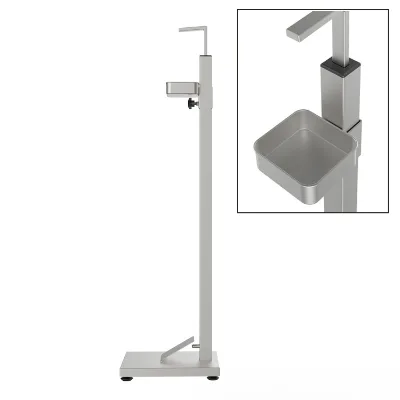
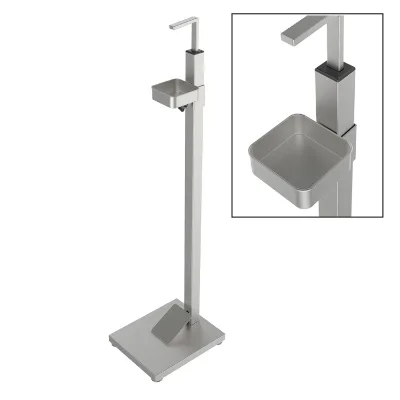
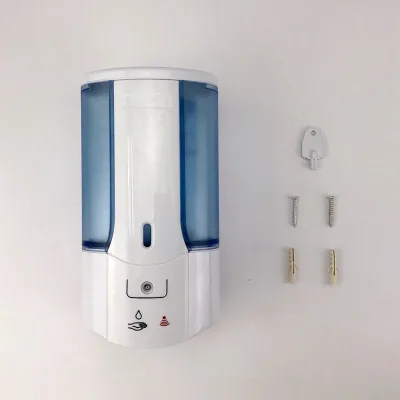
Factory types in this category fall into recognizable groups. Some listings emphasize hygiene-critical models, such as 1000ml hospital hand sanitizer dispensers and alkali-resistant foam units intended for hospitals, schools, airports, and washrooms, with wall-mount installation and key-locked covers. Other listings come from adjacent manufacturers whose main products include bathroom fittings, AV hardware, or customized metal parts, with sanitizing dispensers as one line among many; these often excel at stands, brackets, or housings rather than sensor electronics. Identify each candidate's core competence by reading the main-products field and the breadth of dispenser models, then decide whether a dispenser specialist or a multi-line supplier better matches your order profile.
How to Verify Hospital Hand Sanitizer Dispenser Suppliers
Verification should start with platform-level evidence visible on the listing page. Check whether the supplier carries third-party verification, such as SGS or BV assessment, since these marks indicate an auditing body has reviewed company identity and operations. Note the company type field: a "Combined" manufacturer-trader can be legitimate, but you should ask directly whether the dispensers are produced in-house or sourced from partner factories, because sensor calibration and leak-proof assembly differ from simple plastics work. Read the certification field carefully; some results show no system certification on record, which does not prove non-compliance but means you must request current certificates and confirm scope, validity, and issuing body yourself before relying on any claim.
Second, verify product-level claims against the listing data. A documented hospital dispenser listing may specify attributes such as automatic operation, wall-mounting type, plastic construction, adjustable dosing, key-locked openings, sensor distance in centimeters, and battery power configurations. Ask the supplier to confirm each attribute on your intended model, and request the actual product standard and origin details shown in the listing. Where a result shows no system certification, treat regulatory documentation for hygiene-sensitive markets as an open item to resolve during sampling. Practical checks include ordering a sample to test dose consistency, sensor response, battery life, and seal integrity against leakage, then photographing the unit for later comparison against bulk production. Keep a written record of what the supplier confirms, since verbal assurances are difficult to enforce if the delivered batch differs from the approved sample.
What to Compare Across Hospital Hand Sanitizer Dispenser Suppliers
Comparison should be structured around the supplier-label dimensions actually displayed, while remembering that not every supplier shows every attribute. Lead time is one of the most useful fields: observed values in this category range from around 15 days to around 30 days, and that spread materially affects launch timing for institutional tenders or restocking cycles. Response time is equally telling; observed figures span from roughly four hours to over nine hours, and a slower responder before the sale usually stays slower during production issues. Record both values for each shortlisted supplier and weight them according to how schedule-sensitive your purchase is.
MOQ and product breadth form the second comparison axis. Documented minimums in this category vary enormously, from as low as a single unit on some hospital dispenser listings to 200, 500, or even 3000 units on others, so confirm whether the quoted MOQ applies to your chosen model, color, and customization level. Compare main-product lists to judge specialization: a supplier whose catalogue is dominated by soap and sanitizer dispensers, aerosol units, aroma diffusers, and paper dispensers is differently positioned from one whose core lines are AV lifts, brackets, and customized metal parts. Verification status, establishment year, and location round out the profile. Build a simple matrix with one row per supplier and one column per attribute, marking gaps explicitly as "not displayed" rather than assuming a value, then prioritize suppliers that score well on the attributes most critical to your order: lead time for urgent programs, low MOQ for trials, and verified status for institutional buyers.
Common Hospital Hand Sanitizer Dispenser Sourcing Risks
The most common risk is specification drift between sample and bulk. Hospital dispensers involve dosing accuracy, sensor distance, battery consumption, and leak prevention, and a supplier may confirm attributes such as adjustable dose or a 3-10 cm sensor range on the sample yet ship a batch with different pumps, sensors, or seals. Mitigate this by defining an inspection checklist tied to the documented attributes, requiring a pre-shipment sample from actual production, and retaining a sealed reference unit. A second risk is certification ambiguity: some listings show no system certification, and buyers who assume compliance for hospital environments without written evidence can face rejection at customs or during client audits. Always obtain certificate copies and verify scope yourself.
Another frequent problem is misjudging supplier capability because of catalogue breadth. Listings for 850ml spray dispensers, floor stands, or desk-mounted automatic units may come from suppliers whose main products are primarily other categories, with dispensers as a secondary line; their dispenser-specific QC may be thinner than a specialist's. Counterfeit claims, exaggerated capacity figures, and inconsistent model naming are also common, so tie every purchase order to specific model codes and capacity standards shown in listings, such as 1000ml or 500ml designations. Finally, underestimating lead time creates stockouts for institutions; where observed lead times range from roughly two to four weeks, add buffer for customization, logo printing, and battery-inclusive configurations, which extend production beyond the base lead time.
Hospital Hand Sanitizer Dispenser Regional Sourcing and Logistics
The only location supplied as a high-confidence fact in current results is Guangdong, China, so regional guidance should anchor there while remaining evidence-based. Guangdong's documented supplier results in this category include companies whose main products span automatic and manual soap dispensers, aerosol dispensers, fan air fresheners, paper dispensers, and aroma diffusers, indicating a genuine hygiene-product manufacturing base. Where a search returns suppliers without location data, do not guess; instead, ask each candidate to state its factory address and confirm whether production, assembly, and sensor integration occur at that site or at subcontractors, then request supporting evidence such as business licence details.
Logistics planning for this category has category-specific constraints. Dispensers are hollow plastic or stainless-steel goods that pack inefficiently; documented pack formats include bubble bag plus box plus carton, with carton quantities of roughly 20 to 24 pieces, so calculate volumetric weight before comparing freight quotes. Units containing batteries, including 4-piece or 8-piece AA configurations, may face restrictions on certain transport modes, so declare power sources accurately and confirm the carrier's rules for battery-inclusive goods. For mixed orders, note that some suppliers also produce complementary washroom products, which can consolidate into fewer shipments if production timing aligns. Confirm packaging strength for wall-mounted units, since locking covers and sensor windows are fragile; request drop-test information or reinforced cartons. Finally, align the documented lead-time range with your shipment schedule, adding contingency for pre-shipment inspection and port handling before committing delivery dates to institutional clients.
Hospital Hand Sanitizer Dispenser Commercial Terms and Order Planning
Commercial terms should be negotiated with the documented data points in hand. Price information visible in results spans from budget manual foam models in the low single digits per unit, through mid-range automatic 1000ml dispensers, up to stainless-steel floor-stand configurations at substantially higher unit prices, so segment your requirement by model type before requesting quotes. MOQ structures differ sharply: documented examples include single-unit minimums on certain hospital dispensers, 200-unit and 500-unit minimums on automatic models, and 3000-unit minimums on some desk-mounted variants, which means trial orders are feasible on some listings and impossible on others. Confirm whether customization, including logo acceptance, changes the applicable minimum or price tier.
Order planning should sequence risk reduction. Start with a paid sample against the documented model attributes, including automation type, installation method, material, dose setting, sensor distance, and power configuration, then place a pilot order at the lowest viable MOQ before scaling. Build payment terms that protect both sides, using staged payments tied to production milestones and pre-shipment inspection rather than full prepayment, and record every agreed attribute in the contract alongside the model codes shown in listings. Schedule around the observed lead-time spread of roughly 15 to 30 days, adding time for customization and inspection. Finally, plan repeat-order terms early: lock unit prices, reserve production slots, and agree on component consistency, especially pumps and sensors, so that replenishment batches for hospital programs match the original approved sample exactly.
Word count check: each section drafted near 230; total approximately 1380, within 1350–1450.
FAQs
What is the price range for hospital hand sanitizer dispensers?
Prices for hospital hand sanitizer dispensers typically range from $3.38 to $35.00 per unit depending on the model and automation level. Manual wall-mounted plastic dispensers are available at the lower end, while automatic desk-mounted units with infrared sensors command higher prices. Buyers should verify specific pricing based on order volume and customization requirements.
What is the minimum order quantity for these dispensers?
Minimum order quantities vary significantly by supplier and product type. Some suppliers accept orders as low as one unit for sample testing, while others require bulk purchases of 200 to 3000 units. Buyers seeking large-scale hospital procurement should expect MOQs around 500 units for standard automatic models, whereas smaller clinics may find flexible options.
How long does production and delivery take?
Lead times for manufacturing hospital hand sanitizer dispensers generally range from 15 to 30 days. Suppliers located in China Guangdong typically offer faster turnaround times for standard plastic models. Buyers requiring urgent restocking should confirm specific delivery schedules with suppliers, as custom OEM orders or complex automatic mechanisms may extend the production window beyond standard estimates.
Are automatic and manual options available?
Both automatic and manual hospital hand sanitizer dispensers are widely available. Automatic models feature infrared induction sensors with adjustable doses and typically run on AA batteries. Manual options include press-type or pump dispensers with fixed doses like 0.7ml. Buyers can choose between wall-mounted or desk-mounted installations based on their facility layout and hygiene protocol requirements.
What materials are used in these dispensers?
Most hospital hand sanitizer dispensers are constructed from durable plastic or stainless steel. Plastic models are common for automatic wall-mounted units due to cost-effectiveness and ease of cleaning. Stainless steel stands or specific high-end models offer enhanced durability and corrosion resistance. Buyers should verify material specifications to ensure compatibility with hospital disinfection standards and frequent cleaning routines.
Can suppliers customize the dispensers for hospitals?
Many suppliers offer customization services including logo printing and specific design adjustments. Customization is available for both automatic and manual models, allowing hospitals to brand their hygiene stations. Buyers should confirm customization options such as color, capacity, and sensor distance with the supplier before placing orders to ensure the final product meets specific institutional branding and functional needs.