Source V Water Dustproof Oil Seal for Engine, Transmission, Rear Axle
Compare 30 listings for V Water Dustproof Oil Seal suitable for engine, transmission, and rear axle applications. Buyers can review specifications including NBR and FKM materials, pressure ratings, and customization options from Chinese manufacturers; compare the available evidence and request quotations based on your requirements.
Updated
Key considerations
Products List


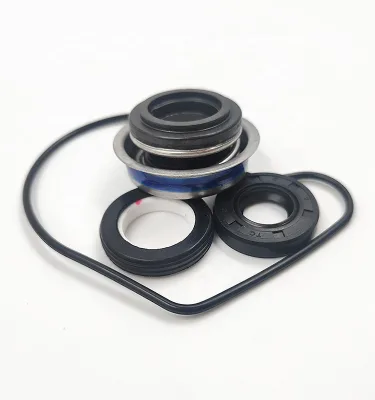
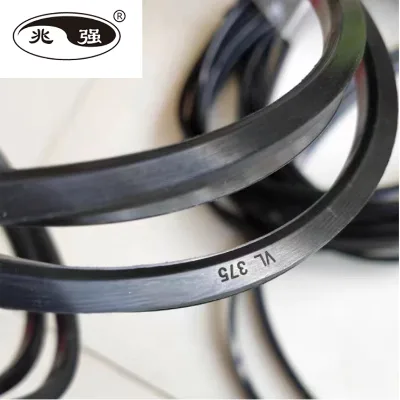

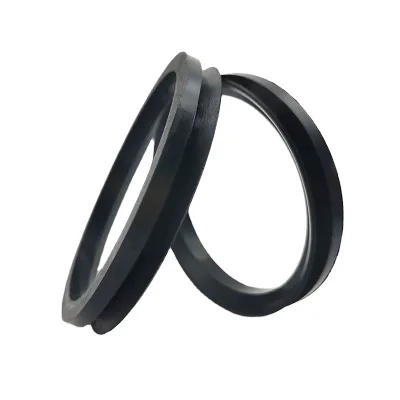
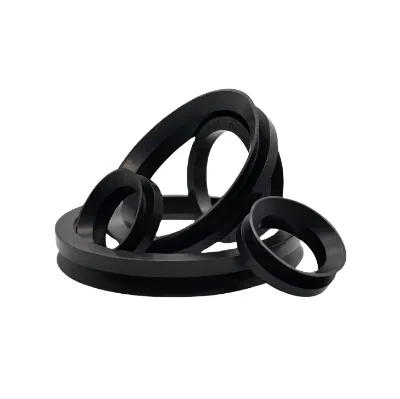
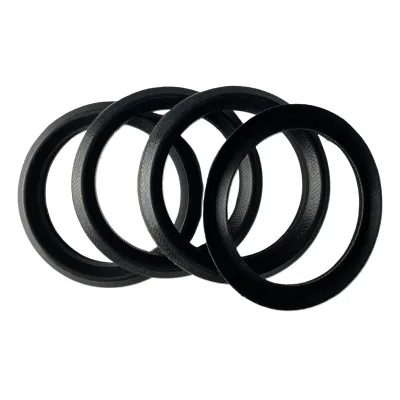
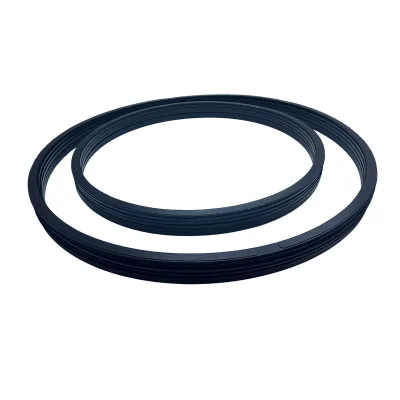
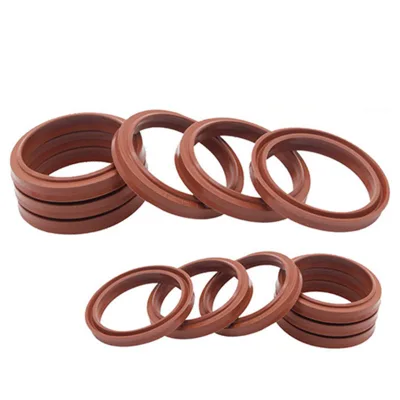
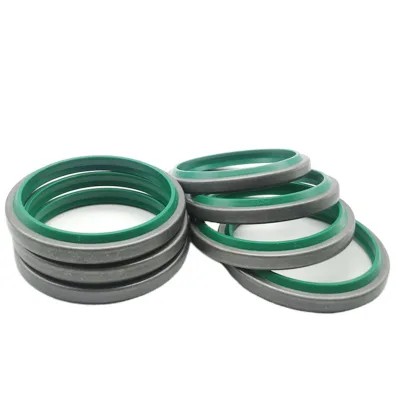
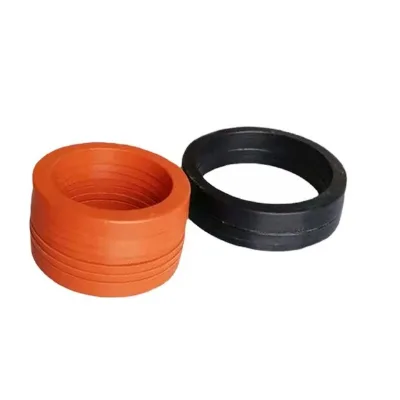
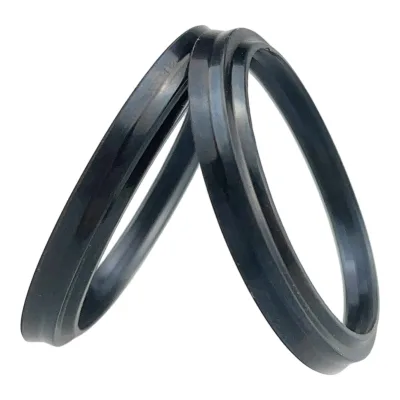
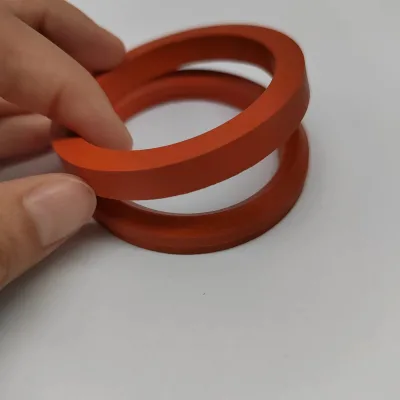
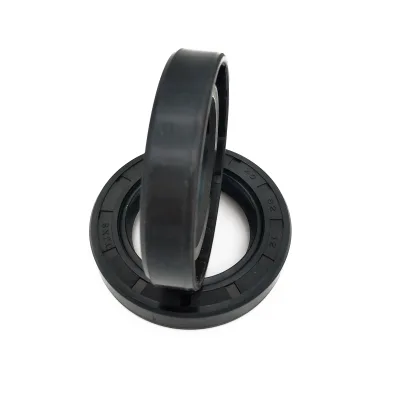
VS/VA Type Water Seal V-Type Rotary Sealing Ring Oil Resistance Rubber Oil Seal
$0.3925 - $1.0306
MOQ: 100 pieces


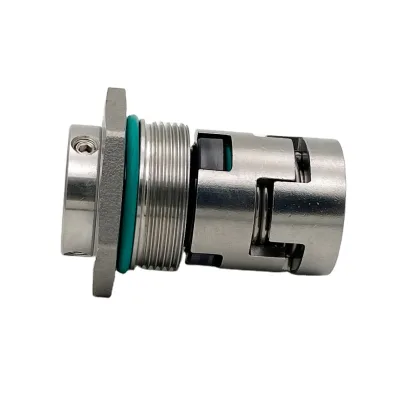
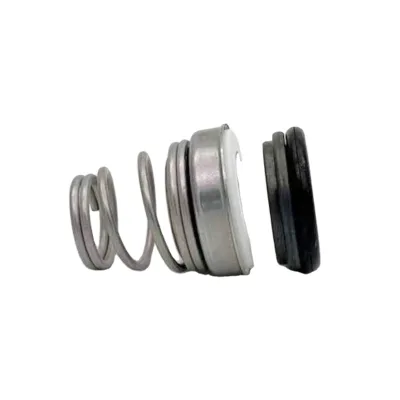
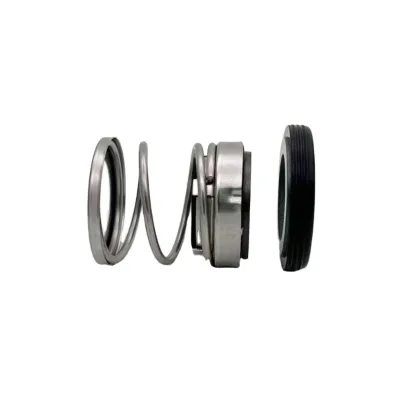
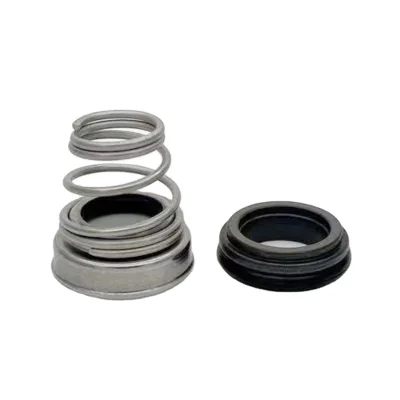
Comprehensive Sourcing Guide
V Water Dustproof Oil Seal Sourcing Guide
Procuring reliable rotary shaft seals requires a disciplined approach to material selection and dimensional accuracy, particularly when balancing water resistance against oil exposure. Buyers must first distinguish between general-purpose seals and those engineered for specific chemical environments, as the wrong elastomer can lead to rapid swelling or hardening. The core keyword suggests a focus on seals that protect against both liquid ingress and particulate contamination, a common requirement in automotive and industrial transmission systems. Understanding the specific duty cycle is essential before evaluating supplier catalogs, as high-speed applications place different demands on lip geometry than low-speed, high-pressure scenarios.
This guide outlines the critical verification steps for sourcing these components, ensuring that procurement teams do not rely on generic descriptions alone. It is vital to cross-reference observed listing signals with actual technical datasheets, as marketing terms often obscure critical performance limitations. By focusing on material composition, hardness ratings, and customization capabilities, buyers can mitigate the risk of premature failure in the field. The following sections provide a structured framework for evaluating suppliers, verifying technical specifications, and establishing robust commercial terms that protect against quality inconsistencies.
Product Scope and Observed Listing Signals
Market listings for these seals frequently highlight customization options, indicating that many suppliers operate as OEM or ODM providers capable of adapting to specific design requirements. Buyers should observe that materials such as NBR, FKM, and EPDM are commonly cited, each offering distinct advantages regarding oil resistance and temperature tolerance. The presence of 2D or 3D drawing acceptance suggests a flexible manufacturing process, allowing for tailored lip types and pressure configurations. This flexibility is crucial for applications where standard off-the-shelf components do not meet the precise sealing needs of complex machinery or custom automotive assemblies.
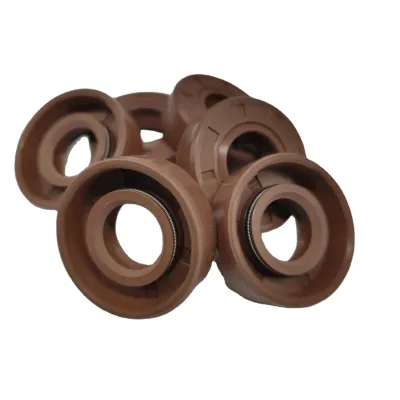
Observed product attributes reveal a wide range of model numbers and size specifications, from standard dimensions to highly specialized configurations. Colors such as black, brown, and green are noted, which may serve as visual identifiers for different material grades or application zones within a larger assembly. The mention of high-speed and low-speed variants indicates that dynamic performance is a key differentiator among suppliers. Procurement teams must verify that the listed speed ratings align with their operational parameters, as exceeding these limits can compromise seal integrity and lead to costly downtime in critical transmission or rear axle systems.
Technical Specifications to Verify
Material composition is the primary determinant of seal performance, requiring verification of the base polymer and secondary seal materials. Buyers must confirm whether the primary body is made from NBR for general oil resistance or if FKM is required for higher temperature and chemical resistance. The hardness rating, often specified in Shore A units, directly impacts the seal's ability to maintain contact pressure under varying loads. A typical range might be observed, but exact values must be confirmed for each order, as deviations can affect leakage rates and friction characteristics in rotating shaft applications.
Dimensional accuracy and lip geometry are equally critical, with specifications often including standard and non-standard sizes. The lip type, whether pressure-type or specific mechanical seal designs, must match the system's pressure requirements to prevent extrusion or blow-out. Buyers should request detailed drawings for any custom orders, ensuring that the single package dimensions and gross weights align with logistics planning. Verifying the metal component material, such as stainless steel springs, is also essential to prevent corrosion in wet or dusty environments, which can otherwise lead to spring failure and loss of sealing force.
Compliance and Safety Documentation
While specific certification statuses may vary by supplier, buyers should inquire about adherence to recognized quality management standards such as ISO 9001. This baseline certification indicates a structured approach to manufacturing consistency, which is vital for maintaining uniform seal performance across large production runs. Additionally, environmental compliance certifications like RoHS may be relevant for suppliers exporting to regions with strict chemical restrictions. Procurement teams should request current certificates of conformity to ensure that the materials used do not contain prohibited substances, particularly for applications involving food-grade or sensitive industrial environments.
Documentation should also include material test reports that verify the physical properties of the elastomers used. These reports should confirm hardness, tensile strength, and compression set resistance, providing empirical evidence of the seal's durability. Buyers must ensure that the supplier can provide traceability for each batch, linking the delivered product to specific raw material lots. This level of documentation is crucial for root-cause analysis in the event of field failures, allowing for precise identification of whether the issue stemmed from material defects or manufacturing inconsistencies.
Cost Drivers and Commercial Terms
Pricing for these seals is influenced by material costs, order volume, and the complexity of the lip design. Observed price ranges can be quite broad, reflecting the difference between standard commodity seals and custom-engineered solutions. Buyers should expect lower unit costs for high-volume orders of standard sizes, while custom geometries or specialized materials like FKM will command a premium. Understanding these cost drivers helps in budgeting for both initial prototyping and long-term production runs, ensuring that total cost of ownership is considered alongside the initial purchase price.
Minimum order quantities (MOQ) and payment terms are key commercial factors that impact supply chain flexibility. Suppliers may set MOQs ranging from small trial orders to large bulk purchases, depending on their production capacity and inventory policies. Buyers should negotiate terms that allow for scalable ordering, particularly when introducing new seal designs into their supply chain. Additionally, lead times for custom orders should be clearly defined, as delays in seal delivery can halt entire production lines. Clear communication regarding packaging requirements, such as carton specifications, also helps in optimizing storage and handling efficiency.
Supplier Qualification and Quality Control
Evaluating a supplier's manufacturing capabilities is essential for ensuring consistent quality in rotary shaft seals. Buyers should assess the supplier's ability to handle both OEM and ODM requests, verifying their experience with similar industries such as automotive parts or general machinery. The presence of advanced molding and machining equipment is a strong indicator of the supplier's capacity to produce precise lip geometries and maintain tight tolerances. Suppliers who accept customer designs demonstrate a level of technical collaboration that can be valuable for optimizing seal performance in specific applications.
Quality control processes must be rigorously reviewed, including in-process inspections and final testing protocols. Buyers should inquire about the supplier's defect rate and their procedures for handling non-conforming products. A robust quality management system should include regular audits of raw material incoming inspections and finished product sampling. Additionally, suppliers should have clear procedures for managing changes in material batches or process parameters, ensuring that any modifications are communicated and validated before production begins. This proactive approach minimizes the risk of receiving substandard seals that could fail in the field.
Long-Term Procurement Checks
Establishing a long-term partnership with a seal supplier requires ongoing performance monitoring and periodic re-evaluation of quality metrics. Buyers should track field failure rates and correlate them with specific production batches to identify any emerging quality trends. Regular communication with the supplier regarding any changes in material formulations or manufacturing processes is essential to maintain consistency. Proactive engagement helps in anticipating potential supply disruptions or material shortages, allowing for timely adjustments to procurement strategies.
Continuous improvement initiatives should be encouraged, with suppliers invited to suggest design optimizations that could enhance seal life or reduce friction. Feedback from engineering teams regarding installation ease and performance in real-world conditions should be shared with the supplier to drive product refinement. Additionally, buyers should periodically review commercial terms to ensure they remain competitive and aligned with market conditions. By maintaining a collaborative and data-driven relationship, procurement teams can secure a reliable supply of high-quality seals that support the long-term reliability of their equipment.
FAQs
What materials are used for v water dustproof oil seals?
These seals are manufactured from NBR, FKM, EPDM, TC, and TG materials. Secondary seals often utilize FKM, NBR, or EPDM for enhanced chemical resistance. The primary lip type is designed to handle engine and transmission applications effectively. This variety ensures compatibility with different fluid types and operating temperatures in automotive and industrial settings.
Can these oil seals be customized for specific applications?
Yes, OEM and ODM customization services are available for these products. Buyers can submit 2D or 3D drawings for acceptance, and the manufacturer accepts customer designs. Standard sizes and non-standard dimensions are both supported. This flexibility allows for precise fitting in unique automotive parts and industrial machinery requirements without compromising performance.
What is the minimum order quantity for these seals?
The minimum order quantity is typically 10 sets for standard inquiries. However, general listings indicate an MOQ range between 5 and 500 units depending on the specific model. This low entry point facilitates testing for small batches. Larger industrial orders may have different thresholds based on packaging and production capacity constraints.
Which models are available for high-pressure mechanical seals?
Available models include PMS-098, OS-053, 3TOS-091, 3VS-026, COS-1, and VR-2. These variants support high-pressure mechanical seal applications and feature stainless steel metal components. The VA/VL/VS V-ring rotary shaft designs offer waterproof and oil-resistant performance. This range covers various size specifications from standard to custom requirements.
What hardness levels do these rubber oil seals have?
The rubber components typically exhibit a hardness of 70-75 Shore. This specific durometer range balances flexibility and durability for effective sealing. The seals are available in black, brown, green, and custom colors. This hardness ensures reliable performance in engine, transmission, and rear axle applications while maintaining oil resistance and wear tolerance.
Where are these v water dustproof oil seals manufactured?
These products originate from China, specifically from the Sichuan region. The manufacturing facility supports both standard and customized production runs. Packaging is provided in cartons or as required by the buyer. This location serves as a central hub for sourcing automotive parts and industrial components with established supply chain logistics.