Source Stand up Bags for Food, Medical, and Cosmetic Packaging
Compare 26 Stand up Bags from verified Chinese manufacturers. Buyers can evaluate customization options, materials like PET and PE, and sealing methods for food, medical, and cosmetic applications.
Key considerations
Products List




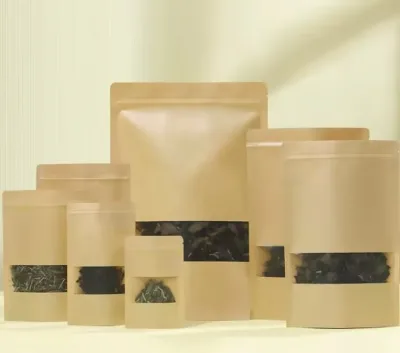
Comprehensive Sourcing Guide
Strategic Sourcing Guide for Stand up Bags
Understanding Stand Up Bag Specifications and Variations
The term "Stand up Bags" encompasses a diverse category of flexible packaging solutions designed to maintain an upright position without external support. When sourcing these items, buyers must first distinguish between the structural materials and the specific functional requirements of their product. The market offers variations ranging from simple plastic pouches to complex multi-layer structures. Based on available product data, the raw materials commonly utilized include PET, NY, Aluminum foil (Al), and PE, often combined to create high-barrier structures. Specific plastic types identified in the supply chain include BOPP (Biaxially Oriented Polypropylene), VMPET (Vacuum Metallized Polyethylene Terephthalate), and PE. These materials are selected to provide specific properties such as moisture proofing and waterproof performance, which are critical for protecting contents from environmental degradation.
The physical specifications of these bags vary significantly depending on the intended application. Thickness is a primary differentiator, with options available in customized ranges or specific measurements such as "3 Wire." Dimensional tolerances are a crucial metric for automation compatibility, with observed standards indicating a tolerance of less than ±1mm for precise manufacturing. The shape of the bag is another defining characteristic; while many are designed as "Plastic Bags" or "Upright Bags," specific models like the DQ 005 demonstrate that standardized model numbers exist within the supply chain. The sealing method is predominantly heat-sealing, ensuring a hermetic closure that is essential for food and medical applications. Additionally, the bag variety includes "Stand up Pouch" configurations, which often feature a gusseted bottom to facilitate the upright stance. Buyers should verify if the supplier offers "Your Own Printing Designs" capabilities, as custom branding is a standard feature for this product category.
Material Composition and Functional Performance
Selecting the correct material composition is the most critical technical decision in the procurement of Stand up Bags. The material directly dictates the barrier properties, durability, and suitability for specific industries. The supply chain frequently lists "Paper" as a material option, yet this often coexists with plastic-based structures like Pet/Ny/Al/PE, suggesting a hybrid or specific niche market for paper-based flexible packaging. For applications requiring high moisture resistance, the "Moisture Proof" and "Waterproof" attributes are non-negotiable. The transparency of the bag is another key performance indicator; "Transparent" options allow for product visibility, which is advantageous for retail displays in sectors like cosmetics and food.
The industrial use cases for these bags are broad, ranging from "Electrical Packaging" to "Stationery Packaging," "Medical Packaging," "Gift Packaging," and "Clothing Packaging." This versatility implies that the material formulation must be adaptable. For instance, the inclusion of Aluminum foil layers is typically necessary for medical or high-value food items to prevent light and oxygen ingress. Conversely, applications in "Promotion" or "Household" sectors might prioritize cost-effective materials like BOPP or PE. The "Sealing & Handle" method is often integrated into the design, with "Heat Seal" being the standard technique. Buyers must ensure that the selected material can withstand the specific sealing temperatures of their filling equipment without compromising the integrity of the seal. Furthermore, the "Eco-Friendly" attribute is increasingly relevant, with some suppliers offering designs that align with sustainability goals, though the specific composition of these eco-friendly variants requires verification against the buyer's environmental standards.
Compliance, Certification, and Regulatory Verification
Navigating the compliance landscape for Stand up Bags requires rigorous verification of supplier certifications, as the intended application often dictates the necessary regulatory approvals. The supply data indicates that suppliers may hold certifications such as BV, SGS, FDA, and others. These certifications are vital for establishing trust and ensuring that the packaging meets international safety and quality standards. The FDA certification, for example, is essential for any bag intended for "Food Packaging" or "Medical Packaging," as it confirms the material is safe for contact with consumables. Similarly, BV and SGS certifications often relate to quality management systems and product testing, providing an external validation of the supplier's manufacturing capabilities.
Buyers must treat these certifications as observations of the supplier's current status rather than universal guarantees for every listed product. The presence of a certification on a product listing does not automatically imply that every SKU from that supplier is certified. Therefore, procurement teams should request specific test reports or certificates of analysis (CoA) for the exact batch of materials being purchased. The "prod_standard" is often listed as "customized" or "custom," indicating that the product may not adhere to a single rigid industry standard but rather to a bespoke specification agreed upon between the buyer and the supplier. In such cases, the buyer must define the standard clearly in the purchase order. While some background information mentions ISO 22000, this should be treated as a general background reference rather than a confirmed attribute of the specific Stand up Bags unless explicitly verified by the supplier. The "Weight tolerance" of less than ±1% is another metric that serves as a quality control benchmark, ensuring consistency in material usage and cost.
Cost Drivers and Economic Factors in Procurement
The cost of Stand up Bags is influenced by a complex interplay of material costs, customization levels, and order volume. The observed price range in the market spans from $0.01 to $16.99 USD, reflecting the vast difference between simple, single-layer pouches and complex, multi-layer, custom-printed structures. The "MOQ" (Minimum Order Quantity) is a significant economic factor, with observed ranges extending from 1 to 50,000 units. For buyers seeking small batches or prototypes, the ability to order as few as one unit is a critical advantage, though the unit cost will likely be higher. Conversely, large-scale procurement can leverage economies of scale, but the buyer must be prepared to commit to higher volumes to access the lower end of the price spectrum.
Material selection is the primary driver of cost variance. Bags utilizing Aluminum foil (Al) or Nylon (NY) layers are inherently more expensive than those made from single-layer PE or BOPP due to the cost of the raw materials and the complexity of the co-extrusion or lamination processes. Customization also plays a substantial role in pricing. Features such as "Your Own Printing Designs," custom colors, and specific dimensions require additional setup costs and time. The "prod_packing" method, often listed as "Carton," adds to the logistics cost, as does the "Single gross weight" of the product, which affects shipping rates. For example, a bag with a gross weight of 0.850 kg will incur higher freight charges than a lighter alternative. Buyers should also consider the "Custom Order" acceptance; suppliers that accommodate custom orders may charge a premium for the flexibility and engineering required to meet unique specifications.
Typical Applications and Industry-Specific Requirements
Stand up Bags serve a multitude of industries, each with distinct requirements for packaging performance. In the "Food Packaging" sector, the priority is often barrier protection against moisture and oxygen, alongside compliance with food safety regulations. The "Waterproof" and "Moisture Proof" attributes are essential here to extend shelf life. Similarly, "Medical Packaging" demands high levels of sterility and barrier protection, making certifications like FDA and the use of high-grade materials like PET/Al/PE structures critical. The "Sealing Method" must be robust to ensure the package remains sealed during transport and storage.
The "Cosmetic Packaging" and "Gift Packaging" sectors prioritize aesthetics and functionality. Here, the "Transparent" nature of the bag allows for product visibility, while the "Stand up Pouch" shape offers a premium presentation. The ability to apply custom printing designs is particularly valuable in these industries for brand differentiation. For "Electrical Packaging," the focus shifts to protection against static and physical damage, requiring materials that can shield sensitive components. The "Stationery Packaging" and "Clothing Packaging" applications often utilize the "Eco-Friendly" and "Durable" features to appeal to environmentally conscious consumers. The "Bag Type" must also align with the product shape; for instance, "Square" shaped bags may be preferred for certain stationery items, while "Upright Bags" are ideal for granular food products. The "Industrial Use" classification helps buyers narrow down the specific material and structural requirements needed for their niche.
Supplier Evaluation and Quality Control Protocols
Evaluating suppliers for Stand up Bags requires a multi-faceted approach that goes beyond price comparisons. The geographic origin of the product is a key indicator of supply chain logistics and potential quality standards. The supply data points to origins in "Guangdong, China" and "Linyi," as well as "Jiangsu, China," indicating a concentration of manufacturing capabilities in these regions. Buyers should verify the specific production location to assess logistics lead times and the supplier's familiarity with international export standards. The "Making Process" of "Plastic Packaging Bags" suggests a specific manufacturing expertise that should be validated through factory audits or video tours.
Quality control is paramount, especially given the wide range of observed specifications. Buyers should request samples to verify the "Dimensional tolerance" of less than ±1mm and the "Weight tolerance" of less than ±1%. These tolerances ensure that the bags will feed correctly through automated filling machinery. The "Single package size" and "Single gross weight" should be confirmed against the buyer's shipping and storage constraints. Additionally, the "Installation type," such as "Hook Type," must be compatible with the buyer's retail or storage systems. The "Style" of the bag, described as "Eco-Friendly" or "patient specific," should be scrutinized to ensure it aligns with the buyer's brand values and customer expectations. Suppliers that offer "Customization" and accept "Custom Orders" demonstrate flexibility, but buyers must ensure that the customization process includes rigorous quality checks to prevent defects in the final product.
Long-Term Procurement and Supply Chain Resilience
Establishing a long-term relationship with a stand up bag supplier involves considerations beyond the immediate transaction. The "Customization" availability and the ability to adapt to changing market demands are crucial for long-term success. Suppliers that offer "Customized" thickness and "Custom" standards are better positioned to support product evolution and new product launches. However, buyers must be mindful of the "Lead time" implications of customization, as bespoke orders often require longer production cycles than standard SKUs. The "Packaging" method, typically "Carton," should be evaluated for its sustainability and efficiency in the buyer's supply chain.
Supply chain resilience is another critical factor. The "MOQ" range of 1 to 50,000 units suggests that suppliers can accommodate both small and large orders, but buyers should assess the supplier's capacity to scale up during peak demand periods. The "Advantage" of the product, such as being an "Ideal Travel Luggage Bag" or having "Easy storage" features, should be continuously evaluated against market trends to ensure the product remains relevant. Finally, the "Color" customization options allow for brand consistency, but buyers should verify the color matching accuracy and the stability of the inks used, especially for products exposed to light or varying temperatures. By focusing on these long-term factors, buyers can secure a reliable supply of Stand up Bags that meet their evolving business needs.
FAQs
What materials are used for Stand up Bags?
Stand up Bags are commonly made from PET, NY, Aluminum foil, and PE layers. Some listings also specify Paper or Corduroy materials depending on the specific product model and intended application.
Can I customize the printing design on these bags?
Yes, suppliers accept custom printing designs for branding purposes. This feature allows buyers to apply their own graphics while maintaining the bag's structural integrity and sealing methods.
Which certifications do stand up bag suppliers hold?
Suppliers often hold certifications such as BV, SGS, and FDA. These credentials verify quality and safety, particularly important for food, medical, and cosmetic packaging applications requiring regulatory compliance.
How thick are the Stand up Bags available?
Thickness is available in customized ranges or specific measurements like 3 Wire. Dimensional tolerances are typically maintained within less than ±1mm to ensure compatibility with automated filling machinery.
What is the minimum order quantity for these bags?
The minimum order quantity ranges from 1 to 50,000 units depending on the supplier and customization level. Small batches are possible, though unit costs may vary significantly with volume.
Where are these Stand up Bags manufactured?
Products originate from locations including Guangdong, Linyi, and Jiangsu in China. These regions host factories specializing in plastic packaging bags and other flexible packaging solutions.
Are these bags waterproof and moisture proof?
Yes, many Stand up Bags feature waterproof and moisture-proof properties. These attributes are critical for protecting contents in food, medical, and cosmetic applications against environmental degradation.