Source Swimming Hippopotamus Remote Control Boat for pools, lakes, and gardens
Find 30 Swimming Hippopotamus Remote Control Boat options from Guangdong suppliers. Compare specs like 25m control distance, 30-minute play time, and plastic construction for indoor-outdoor use. Ideal for beginner operators seeking fun radio control toys; compare the available evidence and request quotations based on your requirements.
Updated
Key considerations
Products List
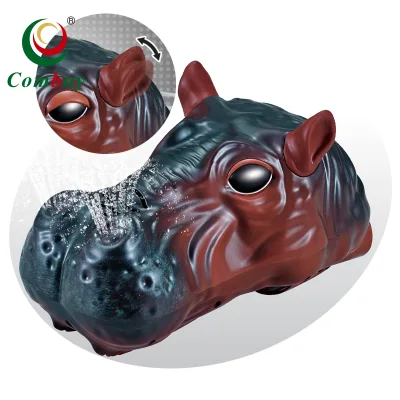
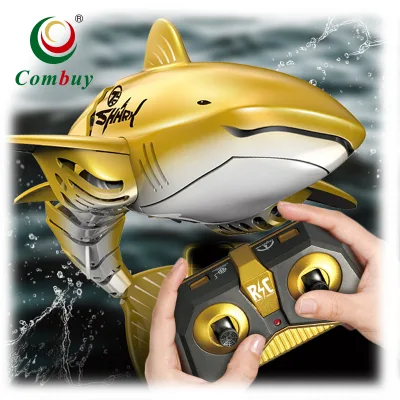
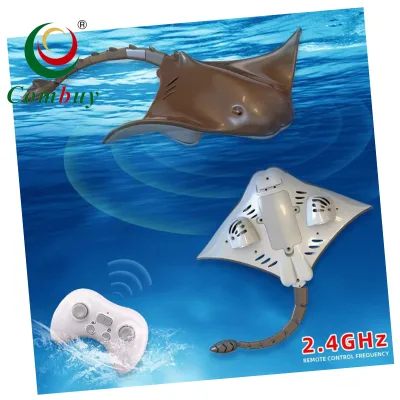
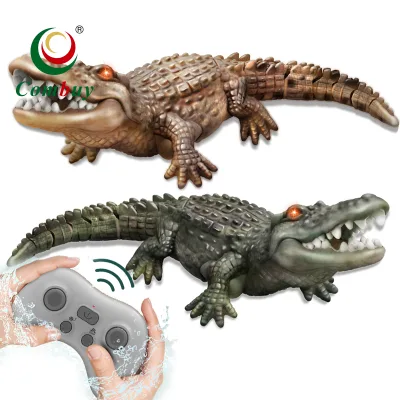

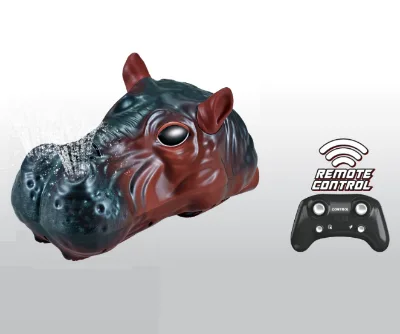
$11.8109 - $13.7797
MOQ: 240 pieces


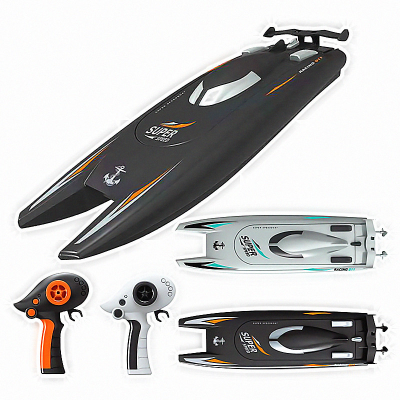
2.4G remote control boat 25 km/h fast power battery speed boat toy remote control boat
$13.2187 - $15.319
MOQ: 2 pieces
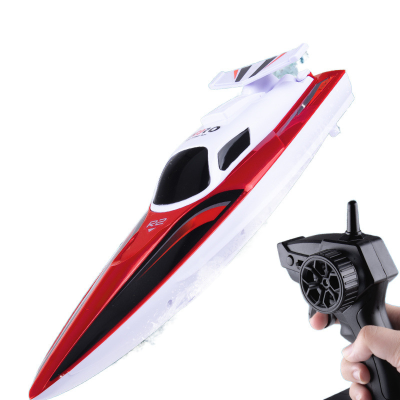
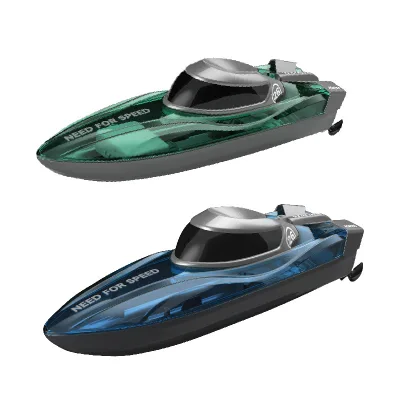
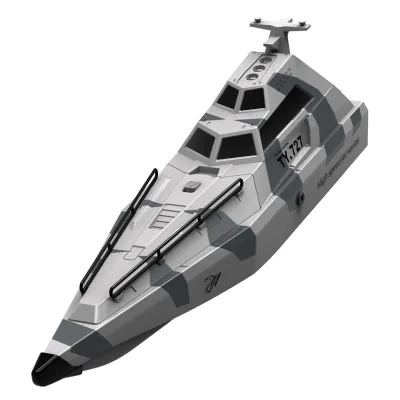


Pools and Lakes Fast RC Boats for Adults and Kids Velocity Boat Remote Control Boat
$8.50 - $10.00
MOQ: 1000 Pieces

RC Boat Auto Self-Righting Capability Rechargeable Battery Included Remote Control High Speed Boat
$15.48 - $15.68
MOQ: 200 Pieces
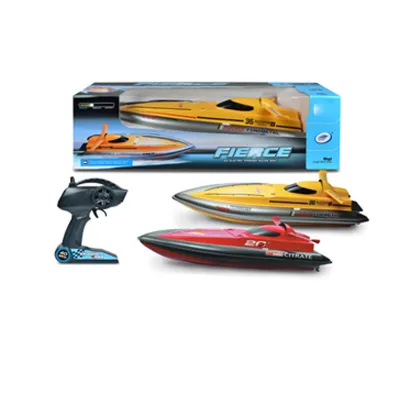
Hot Sale Remote Control RC Boat & Ship for Water Fun & Entertainment
$33.1633 - $37.2773
MOQ: 5 pieces

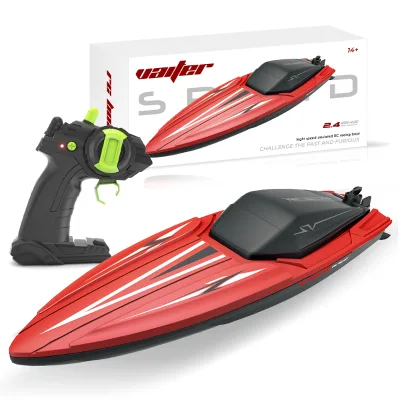
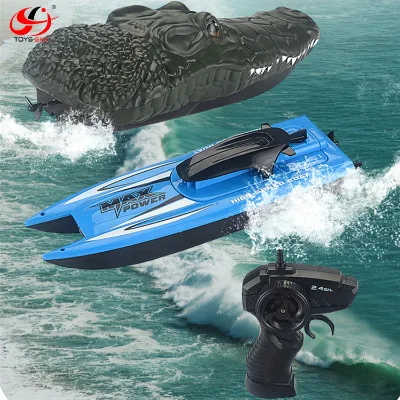


High-Performance Waterproof Remote Control Boat for Thrilling Water Play
$6400.00 - $7800.00
MOQ: 2 Sets


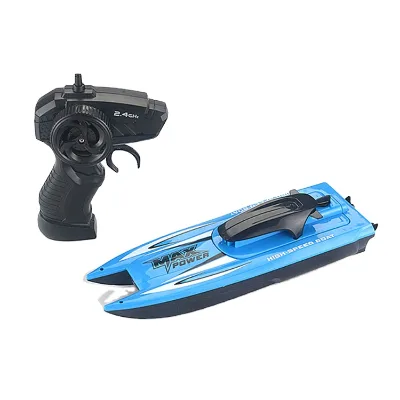


High Speed RC Remote Control Boat Electric Remote Controlled Ship Radio Control Toys Boats
$95.00 - $200.00
MOQ: 20 Pieces
Comprehensive Sourcing Guide
Swimming Hippopotamus Remote Control Boat Sourcing Guide
Procuring swimming hippopotamus remote control boats requires a careful balance of aesthetic appeal and functional reliability, particularly when targeting the recreational toy market. Buyers must recognize that while the visual design often mimics aquatic animals, the underlying technology relies on standard radio control systems. The observed market data indicates a strong presence of plastic-based RC water toys originating from Guangdong, China, which serves as a primary manufacturing hub for these items. Understanding this geographic concentration helps in estimating logistics costs and lead times, as supply chains are well-established in this region.
The core challenge lies in distinguishing between generic RC boat components and specialized animal-shaped models. Many listings feature similar technical specifications, such as 2.4GHz control frequencies and electric power sources, but vary significantly in build quality and water resistance. Buyers should focus on verifying the specific model numbers and packaging details to ensure they are sourcing the intended product rather than a generic alternative. This distinction is crucial for maintaining brand consistency and meeting specific customer expectations for novelty items that combine play value with realistic movement.
Product Scope and Observed Listing Signals
The current market landscape for swimming hippopotamus remote control boats reveals a diverse range of product attributes, primarily centered around plastic construction and electric power sources. Observed listings frequently highlight features such as 2.4GHz control functions, which allow for stable operation over distances up to 25 meters. These toys are typically designed for both indoor and outdoor use, appealing to a broad age range that includes children aged five to thirteen years and older users. The presence of ready-to-go assembly states suggests convenience for end-users, reducing the barrier to entry for immediate play.
Packaging and logistical metrics provide additional insight into the scale of operations for these products. Standard carton sizes often measure around 55.50 by 47.00 by 54.50 centimeters, with quantities per carton ranging up to 24 pieces. This bulk packaging approach indicates that suppliers are optimized for wholesale distribution rather than individual retail sales. Gross weights per batch typically hover around 18 to 23 kilograms, which is a critical factor for calculating freight costs and warehouse storage requirements. Buyers should use these physical dimensions to accurately forecast shipping expenses and ensure their distribution channels can handle the specified unit weights.
Technical Specifications to Verify
When evaluating technical specifications, the control system is a primary area of verification. Most observed models utilize a 2.4GHz frequency with four control channels, enabling precise maneuvering in water. It is essential to confirm the battery specifications, as some listings indicate a 3.7V 700mAh battery for the toy itself, while the remote controller may require AA batteries. Charging times can vary significantly, with some models requiring up to 200 minutes for a full charge, which impacts the playing time of approximately 30 minutes. Buyers must ensure these power metrics align with their target market’s expectations for durability and convenience.
Speed and operational range are also critical technical parameters that require validation. Observed data suggests speeds ranging from 5 to 6 kilometers per hour, which is suitable for recreational use in pools or calm water bodies. The control distance is typically listed as 25 meters, but buyers should verify if this distance holds up in real-world conditions with potential interference. Additionally, the material composition is predominantly plastic, which offers durability but may vary in quality. Confirming the specific type of plastic and the quality of the waterproofing seals is necessary to prevent premature failure due to water ingress or structural stress during play.
Compliance and Safety Documentation
Safety compliance is non-negotiable for remote control water toys, especially those marketed toward children. Buyers must ensure that all products meet relevant international safety standards, such as CE and RoHS certifications, which are frequently mentioned in supplier contexts. These certifications indicate that the materials used are free from harmful substances and that the electrical components meet European safety requirements. It is crucial to request valid test reports from accredited laboratories to verify that the toys comply with these standards, particularly regarding small parts and battery safety.
Furthermore, adherence to toy safety standards like ISO 8124 is essential for market access in many regions. This standard covers mechanical and physical properties, flammability, and chemical properties, ensuring that the product is safe for its intended age group. Buyers should verify that the supplier provides documentation confirming compliance with these specific standards, as failure to do so can result in customs delays or product recalls. Additionally, checking for any regional-specific regulations, such as those in the United States or Australia, is necessary to ensure global marketability and legal compliance.
Cost Drivers and Commercial Terms
The cost structure for swimming hippopotamus remote control boats is influenced by several key factors, including material quality, electronic components, and packaging complexity. The observed price range of 5 to 7800 USD suggests a wide variance, likely due to differences in order quantities and product specifications. Buyers should note that the minimum order quantity (MOQ) typically ranges from 2 to 1000 pieces, which affects the unit price significantly. Larger orders usually benefit from economies of scale, reducing the per-unit cost but increasing the initial capital outlay.
Commercial terms also play a vital role in the overall procurement cost. Buyers must consider the selling units, which are often multiples of 24, aligning with the carton quantities observed. This packaging standard simplifies logistics but requires careful inventory planning to avoid partial carton shipments. Additionally, the gross weight and carton dimensions directly impact freight costs, which can be a significant portion of the total landed cost. Negotiating clear terms regarding packaging, labeling, and shipping responsibilities is essential to avoid unexpected expenses and ensure smooth delivery to the final destination.
Supplier Qualification and Quality Control
Selecting a reliable supplier is critical for maintaining product quality and consistency. Buyers should prioritize suppliers with a proven track record in manufacturing RC water toys, particularly those located in Guangdong, China, where the supply chain is mature. Verifying the supplier’s business license and production capabilities is the first step in qualification. It is also advisable to request samples to assess the build quality, waterproofing, and control responsiveness before committing to a large order. This hands-on evaluation helps identify potential issues that may not be apparent from product descriptions alone.
Quality control processes should be clearly defined and agreed upon with the supplier. Buyers should establish specific acceptance criteria for defects, such as cracks in the plastic housing or malfunctioning motors. Implementing a pre-shipment inspection protocol can help catch issues before the goods leave the factory. Additionally, maintaining open communication with the supplier regarding any changes in materials or components is essential to ensure that the final product matches the approved sample. Regular audits and feedback loops can further enhance the quality of the supply chain and reduce the risk of receiving substandard products.
Long-Term Procurement Checks
Long-term success in sourcing swimming hippopotamus remote control boats depends on continuous monitoring of market trends and supplier performance. Buyers should regularly review customer feedback to identify common issues, such as battery life or control range problems, and address these with suppliers. Staying informed about new technologies, such as improved battery efficiency or enhanced waterproofing materials, can provide a competitive edge. Additionally, diversifying the supplier base can mitigate risks associated with supply chain disruptions or quality inconsistencies.
Building a strong relationship with suppliers is also key to long-term procurement success. Regular communication and collaboration can lead to better pricing, priority production, and access to new product developments. Buyers should also stay updated on regulatory changes that may affect the import or sale of RC toys in their target markets. By proactively managing these aspects, buyers can ensure a stable and profitable supply chain, adapting to market demands while maintaining high standards of product quality and safety.
FAQs
What is the control distance for these RC water toys?
The control distance is 25 meters for the listed Swimming Hippopotamus Remote Control Boat models. This range allows for comfortable operation in pools or calm water bodies. The toys utilize 2.4GHz control technology to ensure stable signal transmission. Users should operate within this range to maintain reliable connection and avoid signal loss during play sessions.
How long does the battery take to charge fully?
The charging time is approximately 200 minutes for a full charge. This duration ensures the battery reaches optimal capacity for extended play. The toys use electric power sources, typically involving 3.7V batteries. Buyers should plan for this charging period to maximize the 30-minute playing time available per charge cycle for uninterrupted fun.
What is the minimum order quantity for these products?
The minimum order quantity ranges from 2 to 1000 units depending on the specific supplier and model. Some listings indicate selling units as multiples of 24. Buyers should verify the exact MOQ with the supplier before placing orders. This flexibility allows both small retailers and large distributors to procure suitable quantities for their inventory needs.
Are these toys suitable for indoor and outdoor use?
Yes, these swimming hippopotamus remote control boats are designed for both indoor and outdoor use. They are suitable for pools, ponds, or large indoor water features. The plastic material ensures durability in various environments. Buyers can confidently deploy these toys in multiple settings, making them versatile options for retail stores targeting diverse customer preferences and play areas.
What is the gross weight per batch for shipping?
The gross weight per batch is approximately 18.2 kg for standard models. Some larger variants may weigh up to 23 kg per batch. This weight includes the packaging and multiple units per carton. Buyers should use these figures to calculate accurate shipping costs and logistics planning. The package size per batch varies slightly between 56.5 cm and 84 cm dimensions.
Can beginners operate these remote control water toys easily?
Yes, these toys are designed for beginner operator skill levels. They feature simple 4-channel control systems that are easy to learn. The ready-to-go assembly state means no complex setup is required. New users can start playing immediately after charging the battery. This accessibility makes them ideal gifts for children aged 5 to 13 years and up.