Source Thick Comfortable Jacquard Beanie Hat for Winter, Autumn, Spring
Compare 30 listings for the Thick Comfortable Jacquard Beanie Hat from verified manufacturers. Buyers can evaluate materials like 100% acrylic, customization options, and lead times for winter and autumn apparel needs; compare the available evidence and request quotations based on your requirements.
Updated
Key considerations
Products List





Comprehensive Sourcing Guide
Thick Comfortable Jacquard Beanie Hat Sourcing Guide
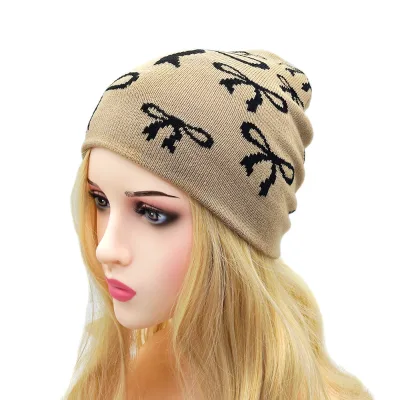
Sourcing thick, comfortable jacquard beanie hats requires a nuanced understanding of material composition and manufacturing techniques that differ significantly from standard knit caps. While the provided data highlights products made from 100% acrylic or acrylic-spandex blends, true jacquard structures often involve complex weaving patterns that enhance texture and durability. Buyers must distinguish between simple knitted patterns and actual jacquard weaves, as the latter offers superior structural integrity and design depth. The observed listings emphasize features like windproofing, breathability, and foldability, which are critical for winter and autumn wear. Understanding these material distinctions ensures that procurement teams select hats that meet specific thermal and aesthetic requirements without compromising on comfort or longevity.
The commercial landscape for these accessories is characterized by competitive pricing and flexible customization options, as indicated by the availability of wholesale pricing and customized logos. Suppliers in Jiangsu, China, appear to be key sources, with some facilities boasting extensive experience in sewing and packing. However, the term "jacquard" is not explicitly confirmed in the provided product attributes, which instead list "knitted," "striped," and "embroidered" patterns. Therefore, buyers must explicitly verify if the desired texture is achieved through jacquard knitting or other methods like 3D embroidery. This verification is essential to avoid misalignment between marketing claims and the physical product received, ensuring that the final goods deliver the expected tactile experience and visual appeal for the target market.
Product Scope and Observed Listing Signals
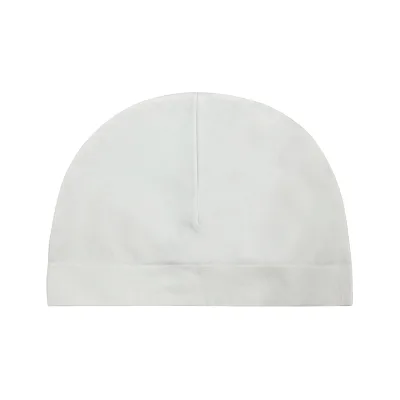
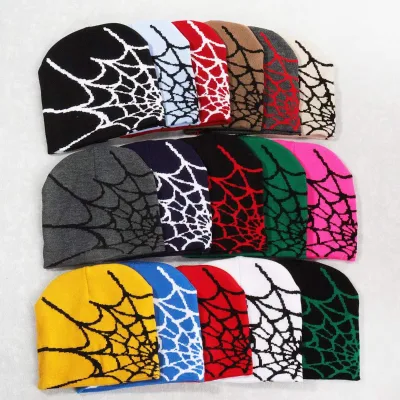
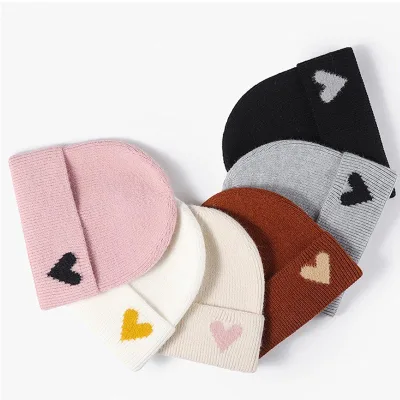
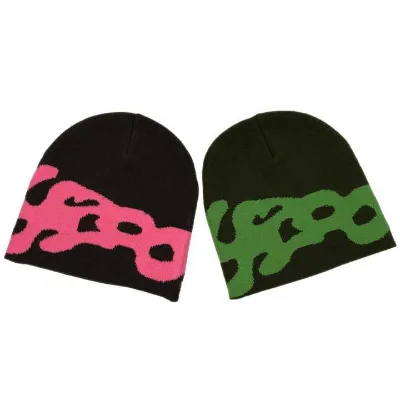
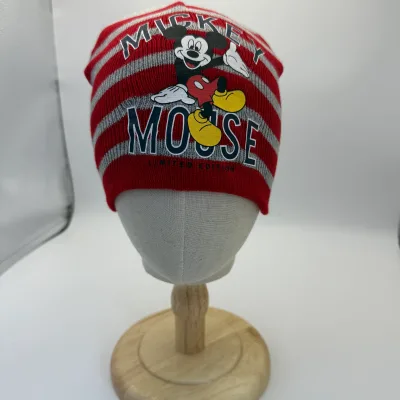
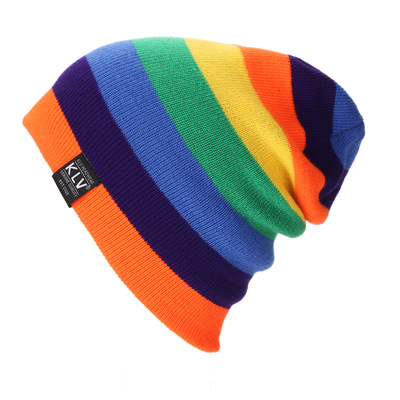
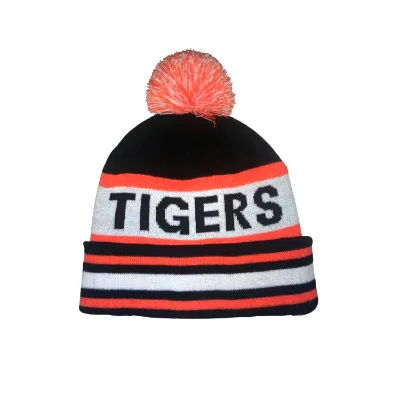
The observed product range includes beanies with varying crown structures, including both with-crown and without-crown designs, catering to diverse stylistic preferences. Colors span a wide spectrum from basic black and white to vibrant options like yellow, red, purple, and orange, allowing for extensive branding opportunities. The presence of features such as ear warmers and adjustable elements suggests a focus on functional comfort, particularly for adult users in colder seasons. These signals indicate a market segment that values both aesthetic versatility and practical performance, making these hats suitable for promotional campaigns, retail fashion lines, or corporate gifting. Buyers should note that while "thick" is implied by the winter season designation, the exact weight and thickness are not quantified in the provided data.
Shipping and packaging details reveal a standardized approach to logistics, with products typically packed in OPP bags within paper cartons. The use of major couriers like DHL, FedEx, and UPS suggests that suppliers are equipped to handle international shipments efficiently. Sample availability is a key indicator of supplier responsiveness, with sample days ranging from 2 to 7 working days depending on the specific model and customization requirements. This variability highlights the importance of early engagement with suppliers to align sample production with project timelines. Additionally, the mention of "cheap" and "competitive" pricing signals a cost-sensitive market, where buyers can leverage volume to negotiate better terms, provided they maintain clear specifications to avoid quality compromises.
Technical Specifications to Verify
Verifying the exact material composition is paramount, as the data lists both 100% acrylic and acrylic-spandex blends. The inclusion of spandex suggests enhanced elasticity and fit, which is crucial for comfort, especially in thicker designs. Buyers must confirm the percentage of spandex to ensure the hat retains its shape after repeated wear and washing. Furthermore, the distinction between knitted and jacquard patterns needs clarification, as the provided attributes mention "knitted" and "embroidered" but not explicitly "jacquard." Understanding the construction method helps in assessing durability and design complexity. Specifications such as size (e.g., 21cm*21cm) and standard adult sizing provide a baseline, but custom sizing options should be explored for specialized fits or unique market demands.
Pattern technology and application methods also require detailed verification. The data mentions 3D embroidery and plain dyed fabrics, which offer different visual and tactile outcomes. Buyers should request physical samples to assess the quality of embroidery stitches and the consistency of dyeing processes. Additionally, the presence of brims in some models versus brimless designs in others affects the hat's functionality and style. It is essential to confirm whether the "thick" attribute correlates with specific yarn weights or layering techniques. Clear communication of these technical details with suppliers ensures that the final product matches the intended design specifications, reducing the risk of discrepancies between the sample and bulk production.
Compliance and Safety Documentation
While specific certification standards are not detailed in the provided context, buyers must proactively request relevant safety and quality documentation from suppliers. For textile products, especially those intended for winter wear, compliance with flammability standards and chemical safety regulations is critical. Buyers should inquire about adherence to international standards such as OEKO-TEX or REACH, which ensure that the acrylic and spandex materials are free from harmful substances. This is particularly important for products marketed to sensitive demographics or sold in regulated markets. Without explicit mention of certifications in the source data, assuming compliance is risky; therefore, direct verification with the supplier is necessary to mitigate potential regulatory risks and ensure product safety.
Quality control protocols should also be scrutinized to ensure consistent product quality across large orders. The mention of experienced sewing and packing workers suggests a level of craftsmanship, but formal quality assurance processes need to be confirmed. Buyers should ask for details on in-line inspections, final random inspections, and defect rate thresholds. Understanding the supplier's approach to quality control helps in predicting the consistency of the final product. Additionally, verifying the origin of materials, such as the acrylic yarn, can provide insights into the supply chain's reliability. Ensuring that all compliance and safety requirements are met before production begins is a crucial step in protecting brand reputation and avoiding costly recalls or legal issues.
Cost Drivers and Commercial Terms
The cost of thick jacquard beanie hats is influenced by several factors, including material costs, labor, and customization complexity. The observed price range of $0.79 to $5 USD reflects significant variation based on these drivers. Higher costs are likely associated with intricate jacquard patterns, premium acrylic blends, and additional features like 3D embroidery or custom logos. Minimum order quantities (MOQs) ranging from 20 to 300 pieces offer flexibility for small businesses but may impact unit pricing for larger orders. Buyers should negotiate volume discounts and clarify whether sample fees are deductible from bulk orders. Understanding these cost dynamics allows for more accurate budgeting and pricing strategies for the end product.
Commercial terms such as lead times and payment conditions are also critical components of the procurement process. The provided data indicates a delivery time of 20-25 days after sample confirmation, which is a standard timeframe but should be factored into inventory planning. Buyers should confirm if this timeline includes production, quality control, and shipping. Additionally, clarifying payment terms, such as deposits and balance payments, helps in managing cash flow. The mention of "freight" as a sample fee suggests that buyers may need to cover shipping costs for samples, which is common practice. Establishing clear commercial terms early in the negotiation process ensures transparency and prevents unexpected costs or delays during the procurement journey.
Supplier Qualification and Quality Control
Evaluating supplier qualifications involves assessing their manufacturing capabilities, experience, and reputation. The data highlights suppliers with over 15 years of sewing experience and 12 years in packing, indicating a mature operation with skilled labor. Buyers should verify these claims through factory audits or third-party inspections to ensure that the stated experience translates to consistent quality. Additionally, the location in Jiangsu, China, is a known hub for textile manufacturing, which may offer advantages in terms of supply chain efficiency and material availability. However, buyers should also consider the supplier's ability to handle custom orders and their responsiveness to communication, as these factors significantly impact the sourcing experience.
Quality control measures should be integrated into the procurement process to ensure that the final products meet the specified standards. Buyers should request detailed quality control plans from suppliers, including inspection points and acceptance criteria. The use of standard packing methods, such as OPP bags and paper cartons, suggests a focus on product protection during transit. However, buyers should also consider additional packaging options if required for retail display or branding purposes. Establishing a robust quality control framework, including pre-production samples and pre-shipment inspections, helps in identifying and addressing potential issues before they become costly problems. This proactive approach ensures that the sourced beanies meet the desired quality levels and customer expectations.
Long-Term Procurement Checks
Building a long-term relationship with suppliers requires continuous monitoring and evaluation of performance metrics. Buyers should track key performance indicators such as on-time delivery rates, defect rates, and responsiveness to issues. Regular communication and feedback loops help in maintaining alignment and addressing any emerging challenges promptly. The ability of suppliers to adapt to changing market trends and customer preferences is also crucial for long-term success. Buyers should encourage suppliers to innovate and improve their products, leveraging their experience and capabilities to stay competitive. This collaborative approach fosters a partnership that benefits both parties and ensures a steady supply of high-quality beanies.
Sustainability and ethical sourcing practices are increasingly important considerations for long-term procurement strategies. Buyers should inquire about the supplier's environmental policies, waste management practices, and labor conditions. Ensuring that the supply chain adheres to ethical standards not only mitigates reputational risks but also aligns with growing consumer demand for responsible products. Regular audits and certifications can provide assurance that the supplier maintains high standards over time. By prioritizing sustainability and ethical practices, buyers can build a resilient and responsible supply chain that supports their brand values and meets the expectations of conscious consumers in the long run.
FAQs
What material is used for the Thick Comfortable Jacquard Beanie Hat?
The hat is made from 100% acrylic or a blend of acrylic and spandex. This material ensures the product remains lightweight, breathable, and warm for winter and autumn seasons while offering durability for repeated use.
Can I customize the logo and pattern on the beanie hat?
Yes, customization is available for both the hat logo and pattern. Buyers can request embroidered or plain dyed designs, and the supplier offers custom logo options to meet specific branding requirements for wholesale orders.
What is the minimum order quantity for the beanie hat?
The minimum order quantity ranges from 200 to 300 pieces depending on the specific model. Some listings indicate a standard MOQ of 200 pieces, while others require 300 pieces for certain customized variations or bulk orders.
How long does it take to receive a sample of the hat?
Sample preparation typically takes between 2 to 7 working days. Specific models may require 5 to 7 working days for sample creation, while others can be ready in just 2 to 3 days after the order is confirmed.
Which shipping methods are used for delivering the beanie hats?
The hats are shipped via major courier services including DHL, FedEx, TNT, and UPS. These reliable carriers ensure timely delivery of the products from the manufacturing origin in China to international destinations.
What are the available colors for the Thick Comfortable Jacquard Beanie Hat?
A wide variety of colors is available including yellow, white, red, purple, orange, green, gray, brown, blue, and black. Some options also feature colorful or patterned designs to suit different seasonal fashion trends.
How is the beanie hat packed for shipment?
Each hat is individually packed in an OPP bag and then placed in a paper carton. Standard packaging includes 100 pieces in a PP bag, ensuring the products remain protected during transit and storage.