Canvas Unisex Snapback Hat Suppliers and Manufacturers
Source Canvas Unisex Snapback Hat options from 23 verified suppliers in China. Compare lead times, MOQs, certifications, and response rates to find the right partner. Review product specs and request quotes today; review the available evidence before requesting comparable quotations from suitable candidates.
Updated
Suppliers List

- Verified by TUVRHEINLAND
- Trading Company,Manufacturer/Factory
- China Chongqing
- Lead time38 days
- Avg. response≤ 5h
Main productsBaseball Cap, Beanie Hat, Trucker Hat, Bucket Hat, Snapback Hat, Scarf, Gloves, Apron, Sock, T Shirt&Polo Shirt
Main marketsSouth America,Eastern Europe,Mid East,North America,Southeast Asia,Eastern Asia,Oceania,Western Europe,Africa

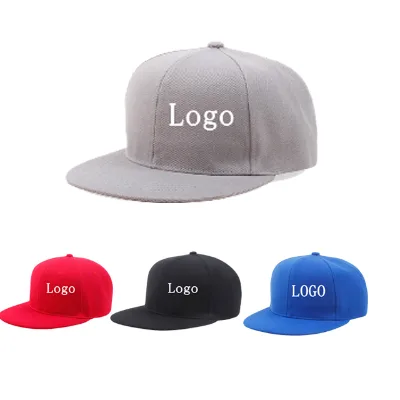
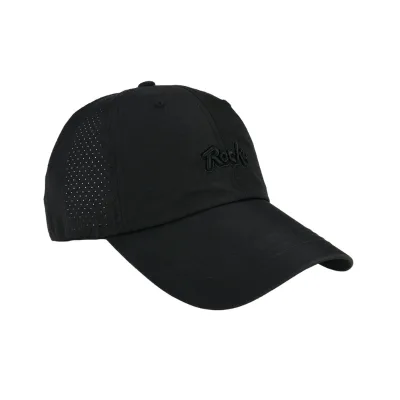
3D Embroidery Patch Logo Baseball Cap Unisex Solid Color Canvas Snapback Hat
$1.90 - $4.90
MOQ: 100 Pieces


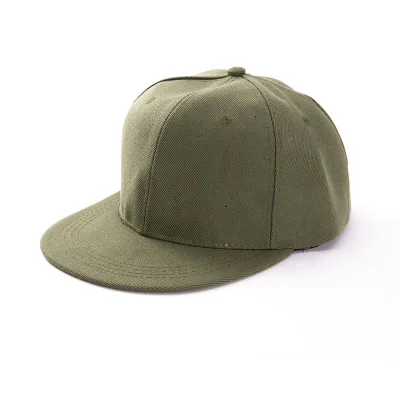
High Quanlity Cotton Canvas Embroidery Flat Brim Snapback Cap Men Trucker Hat
$1.30 - $5.50
MOQ: 100 Pieces

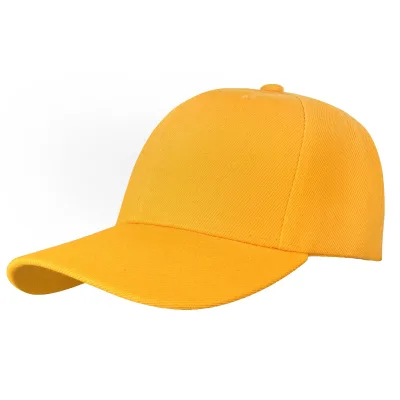
High Quanlity Cotton Canvas Snapback Hat Stylish Jacquard Logo Baseball Cap
$1.90 - $4.90
MOQ: 100 Pieces

- Trading Company
- Zhejiang, China
- Lead time10 days
- Avg. response≤ 4h
Main productshat,cap,headwear,mask,bag
Main marketsNorth America(20.00%), Eastern Europe(20.00%), Southern Europe(15.00%), Western Europe(15.00%), Northern Europe(10.00%), South America(5.00%), Oceania(3.00%), Central America(3.00%), Domestic Market(2.00%), Eastern Asia(2.00%), Africa(2.00%), South Asia(1.00%), Southeast Asia(1.00%), Mid East(1.00%)

Dongguan Haoshun Sports Goods Co., Ltd.
- Verified by SGS
- Manufacturer
- China Guangdong
- Lead time30 days
- Avg. response≤ 4h
Main marketsDomestic
- Verified by SGS Group
- Manufacturer, Trading Company
- Lead time20 days
- Avg. response≤ 2h
Main productsBaseball Cap/ Trucker Hat/ Beanie Hat, T Shirt/ Hoodies Sweatshirt
Main marketsEastern Europe(20%), North America(15%), South America(15%)

Capwindow International Co., Ltd.
- Verified by BV
- Combined
- China Guangdong
- Lead time30 days
- Avg. response≤ 2h
Main productsBaseball Cap, Snapback Hat, Promotion Cap, Cotton Cap, Sports Cap, Trucker Cap, Wrist Band, Bucket Hat, Promotional Gifts, Clothing Accessories
Main marketsSouth America


Wholesale 6 Panel Cotton Baseball Cap Custom Adjustable Embroidery Snapback Hat
$2.10 - $4.75
MOQ: 50 Pieces


Manke (Dongguan) Textile Co., Ltd.
- Verified by TUVRHEINLAND
- Trading Company,Manufacturer/Factory,Other
- China Guangdong
- Lead time90 days
- Avg. response≤ 6h
Main productsBaseball Cap, Snapback Caps, Hoodies, Trucker Hat, Bucket Hat, Beanie Hat, Scarf, Golf Caps, Sports Caps, T-Shirts
Main marketsSouth America,Eastern Europe,Mid East,North America,Southeast Asia,Oceania,Western Europe,Africa


Custom Sports-Hat Trucker Hat with 100% Cotton Patches Embroidery Snapback Hat
$1.00 - $3.00
MOQ: 100 Piece


Wenzhou Qi Hong Imp. & Exp. Co., Ltd.
- Verified by TüVRheinland
- Trading Company
- Lead time15 days
- Avg. response≤ 4h
Main productsBaseball Cap, Shopping Bag, Promotional Gift
Main marketsSouth America(30%), North America(20%), Western Europe(10%)
- Verified by SGS Group
- Trading Company
- Lead time30 days
- Avg. response≤ 3h
Main productsbaseball cap, trucker cap, Beanie
Main marketsNorth America(25%), Western Europe(13%), Eastern Europe(10%)
- Trading Company
- Hebei, China
- Lead time35 days
- Avg. response≤ 2h
Main productscaps,hats,baseball caps
Main marketsWestern Europe(40.00%), South America(25.00%), Mid East(10.00%), Southeast Asia(10.00%), Eastern Europe(10.00%), North America(5.00%)
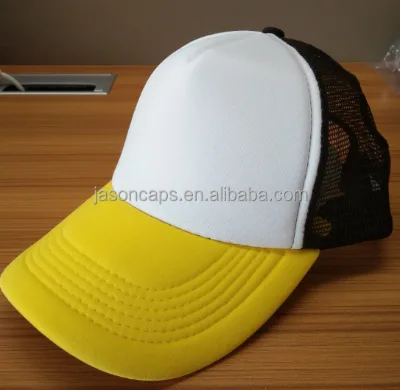
Embroidery Logo Snapback Trucker Hat for Men Sporty Style Polyester Mesh Hat
$0.8733 - $4.1045
MOQ: 100 pieces
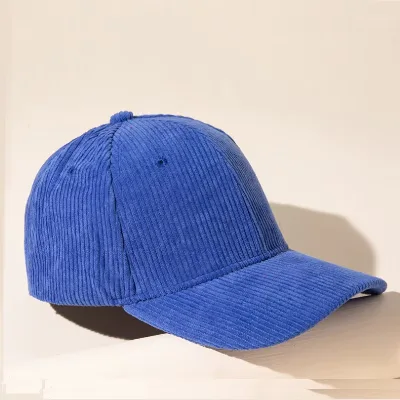

Shijiazhuang Dongqi Technology Co., Ltd
- Verified by SGS
- Trading Company
- China Hebei
- Lead time15 days
- Avg. response≤ 10h
Main productsBaseball Cap, Bucket Hat, Snapback Hat, Fisherman Hat, Trucker Hat, Visor Hat, Dad Cap, Sport Cap
Main marketsEurope,North America
Dongguan Vansun E-Commerce Co., Ltd.
- Trading Company
- Guangdong, China
- Lead time15 days
- Avg. response≤ 1h
Main productsCanvas bag,Tote Bag,Cosmetic makeup bag,hats,caps
Main marketsWestern Europe(15.00%), Southern Europe(10.00%), Northern Europe(10.00%), Central America(10.00%), North America(10.00%), Eastern Europe(10.00%), South America(10.00%), Southeast Asia(8.00%), Africa(5.00%), Eastern Asia(5.00%), South Asia(2.00%), Mid East(2.00%), Oceania(2.00%)

Yangzhou Yimeier Hats Company Limited
- Manufacturer, Trading Company
- Jiangsu, China
- Lead time30 days
- Avg. response≤ 4h
Main productsSports Caps,Bucket Hats,Captain caps,Sailor hats,Berets
Main marketsNorth America(85.00%), Domestic Market(10.00%), Oceania(5.00%)

Shanghai Touch Industrial Development Co., Ltd.
- Verified by TUVRHEINLAND
- Combined
- China Shanghai
- Lead time15 days
- Avg. response≤ 5h
Main productsInstant Hot Pack, Hot Cold Pack, Gel Eye Mask, Gel Ice Pack, Gel Bottle Cooler, Instant Ice Pack, Hand Warmer, Heat Pack, Cooling Scarf, Gel Beads
Main marketsSouth America,Others(foreignTradeCapacity.exportBusinessCapacityMarketOther),Southeast Asia/ Mideast,East Asia(Japan/ South Korea),Domestic,Europe,Australia,North America
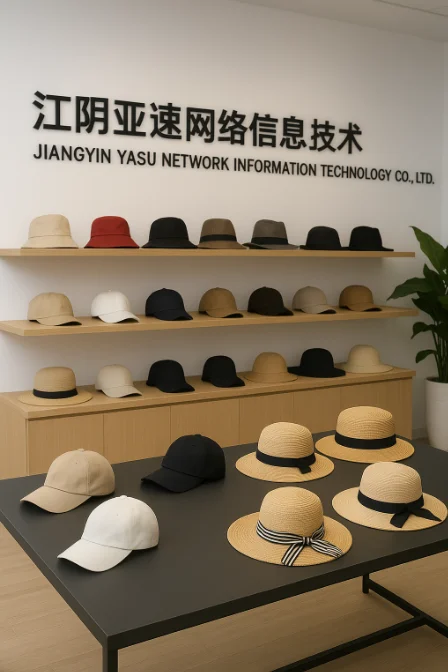
Jiangyin Yasu Network Technology Co., Ltd.
- Trading Company
- Jiangsu, China
- Lead time30 days
- Avg. response≤ 3h
Main productsHats, Men's Clothing, Women's Clothing, Luggage Tags
Main marketsSouthern Europe(15.00%), North America(14.00%), South America(12.00%), Eastern Europe(12.00%), South Asia(10.00%), Northern Europe(7.00%), Central America(6.00%), Eastern Asia(5.00%), Western Europe(5.00%), Domestic Market(5.00%), Oceania(4.00%), Africa(3.00%), Southeast Asia(2.00%)
Qingdao Hielite Commodity Co., Ltd.
- Verified by SGS Group
- Trading Company
- Lead time30 days
- Avg. response≤ 1h
Main productsCaps, Hats
Main marketsNorth America(42%), Western Europe(11%), Oceania(10%)
Henan Huaxin Import & Export Trade Co., Ltd.
- Verified by SGS Group
- Trading Company
- Lead time6 days
- Avg. response≤ 7h
Main productsTowels, Bed Sheets, Key Chain, Plastic Bottles, Bucket Hats
Main marketsSoutheast Asia(50%), Western Europe(15%), North America(10%)

Hebei Dishixiao Gloves Manufacture Co., Ltd
- Verified by BV
- Trading Company
- China Hebei
- Lead time15 days
- Avg. response≤ 6h
Main productsCap, Apron, Gloves
Main marketsSouth America,Europe,North America


Outdoor Snapback Cap Closed Back Cap Breathable Plain Sports Baseball Cap
$1.20 - $2.10
MOQ: 10 Pieces

Hebei Haogai Network Technology Co., Ltd.
- Trading Company
- Hebei, China
- Lead time15 days
- Avg. response≤ 3h
Main productsSports Hats
Main marketsNorth America(50.00%), Oceania(10.00%), Eastern Asia(10.00%), Western Europe(8.00%), Southern Europe(8.00%), Eastern Europe(7.00%), Northern Europe(7.00%)
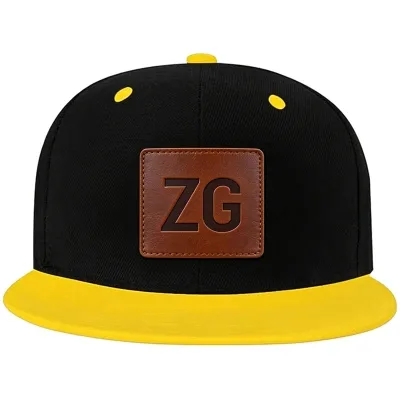
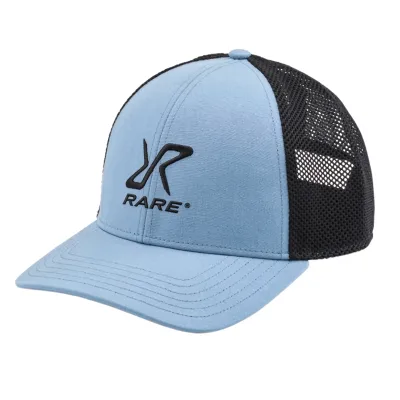
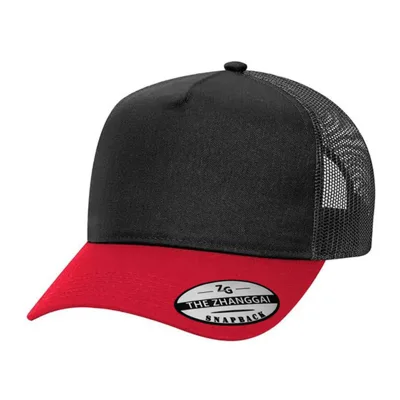
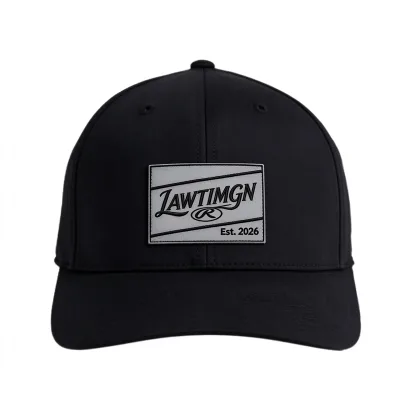
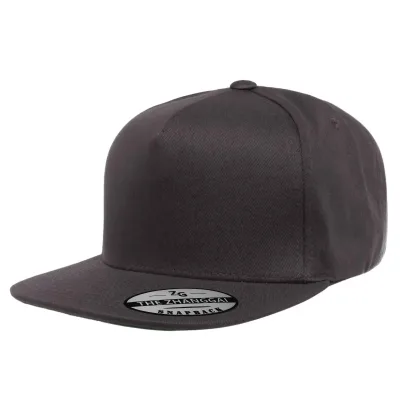
$1.889 - $6.0849
MOQ: 50 pieces

Boye Ouruidan Trading Co., Ltd.
- Verified by CTI
- Trading Company
- China Hebei
- Lead time15 days
- Avg. response≤ 1h
Main productsBaseball Caps, Bucket Hat, Golf Hat, Sprot Cap, Snapback Cap, Kinitted Beanies, Trucker Cap, Visor Cap, Camper Cap
Main marketsSouth America,Europe,Australia,North America
Guangzhou Ducibutt Apparel Co., Ltd.
- Verified by Intertek
- Trading Company
- Lead time7 days
- Avg. response≤ 2h
Main productsCap, Scarf, Glove, Sock
Main marketsNorth America(41%), Western Europe(15%), Central America(11%)

- Verified by SGS
- Trading Company
- China Shandong
- Lead time0 days
- Avg. response≤ 15h
Main productsProtective Clothing, Baseball Caps, Microfiber Cloth, LED String Light, Disposable Nitrile Gloves, LED Glowing Stick, Sport Cap, Cleaning Cloth, Bicycle Light, Microfiber Mask
Yiwu Leadays E-Commerce Co., Ltd.
- Trading Company
- Zhejiang, China
- Lead time5 days
- Avg. response≤ 6h
Main productsBaseball Cap,Bucket Hat,Straw Hats,Knitted Hat,Fedora Hat
Main marketsNorth America(35.00%), Southern Europe(10.00%), Eastern Europe(10.00%), Oceania(10.00%), South Asia(5.00%), Southeast Asia(5.00%), Northern Europe(5.00%), Central America(5.00%), Western Europe(5.00%), South America(5.00%), Africa(5.00%)
Fuzhou Depshine International Trading Co., Ltd.
- Verified by SGS Group
- Trading Company
- Lead time8 days
- Avg. response≤ 2h
Main productsT Shirt, Hoodie, Sweat Suit, Jacket, Hat
Main marketsNorth America(80%), Northern Europe(10%), Western Europe(8%)






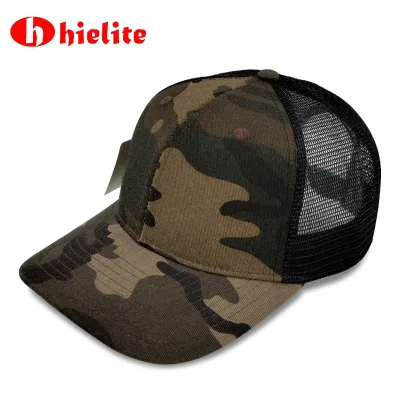
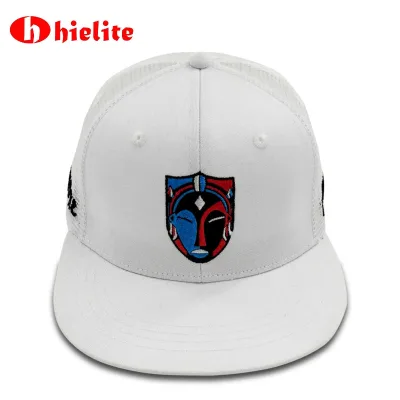
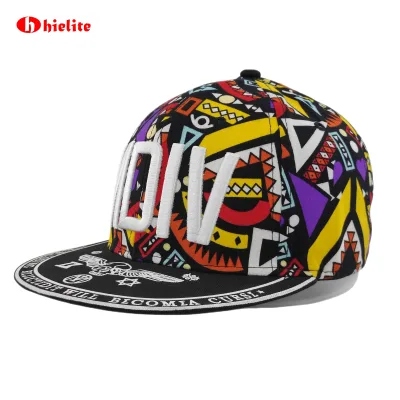
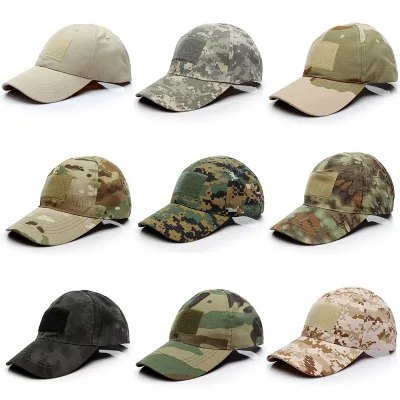
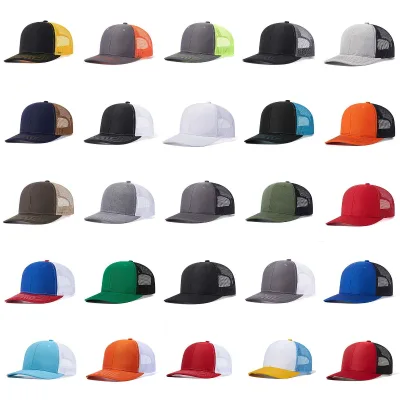


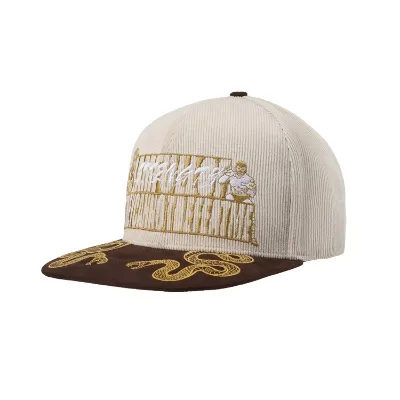
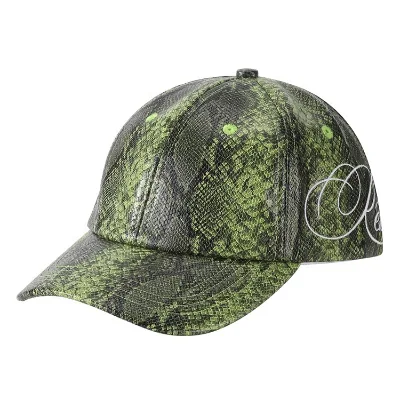


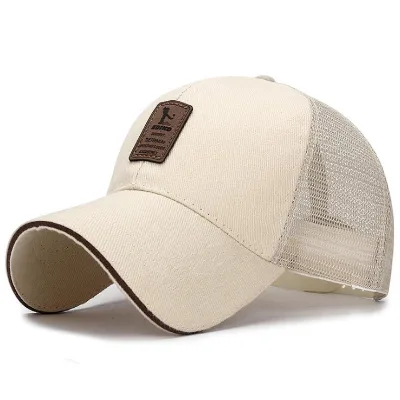
Comprehensive Sourcing Guide
Canvas Unisex Snapback Hat Supplier Concentration and Factory Types
The current supplier landscape for canvas unisex snapback hats reveals a distinct geographic and structural diversity that buyers must navigate carefully. Evidence indicates that manufacturing and trading entities are concentrated in specific regions, with Chongqing and Zhejiang, China, emerging as notable hubs for this category. In Chongqing, suppliers often operate as either trading companies or manufacturer/factories, suggesting a hybrid market where direct production capabilities may coexist with sourcing services. This dual nature allows for flexibility in order types but requires buyers to discern whether they are engaging with the actual production line or an intermediary. The presence of established entities in these regions implies a mature supply chain infrastructure, yet the concentration does not guarantee uniform quality or pricing across all vendors. Buyers should recognize that while these locations are verified sources, the specific operational model of each supplier varies significantly. Some may prioritize OEM and ODM capabilities, catering to brands seeking custom designs, while others might focus on ready-to-ship inventory with standardized specifications. Understanding this regional distribution helps in targeting suppliers who align with specific logistical or production needs, such as proximity to ports or specialized textile expertise.
Beyond geography, the company types observed provide critical insights into the sourcing strategy. The mix of trading companies and manufacturer/factories means that buyers have access to both broad product ranges and potentially lower costs through direct factory engagement. However, the distinction is not always clear-cut, as some entities may function as both. For instance, a supplier in Chongqing might list itself as a manufacturer but operate with a trading mindset, focusing on customer service and order aggregation rather than pure production volume. Conversely, a trading company in Zhejiang might offer a wider variety of headwear products, including masks and bags, indicating a broader portfolio that could simplify consolidated shipping. This diversity requires buyers to evaluate each supplier’s primary value proposition. Are they offering competitive pricing through scale, or are they providing specialized customization services? The answer often lies in the supplier’s stated main products and their operational history. By analyzing these factors, buyers can better predict the supplier’s responsiveness and flexibility, which are crucial for successful long-term partnerships in the competitive hat and cap market.
How to Verify Canvas Unisex Snapback Hat Suppliers
Verifying the credibility and capability of Canvas Unisex Snapback Hat suppliers requires a multi-layered approach that goes beyond surface-level listings. One of the most immediate indicators of reliability is the verification status provided by third-party inspection bodies. For example, some suppliers in the current results are verified by TÜV Rheinland, a globally recognized testing and certification organization. This verification suggests that the supplier has undergone rigorous audits regarding their business legitimacy, production capacity, and quality management systems. Buyers should prioritize suppliers with such independent verifications, as they offer a higher degree of assurance compared to self-declared claims. Additionally, system certifications like BSCI and ISO 9001 are critical markers of operational maturity. BSCI certification indicates compliance with social standards, ensuring ethical labor practices, while ISO 9001 confirms adherence to international quality management standards. These certifications are not merely badges; they represent documented processes that reduce the risk of production errors and supply chain disruptions. Buyers should request copies of these certificates and verify their validity through the issuing bodies to ensure they are current and applicable to the specific products being sourced.
Beyond certifications, the responsiveness and transparency of the supplier are key metrics for verification. The response time is a tangible indicator of how efficiently a supplier handles inquiries and potential orders. In the observed data, response times vary, with some suppliers averaging around 4.49 hours, while others respond within 4 hours. A faster response time often correlates with better customer service and a more agile supply chain, which is essential for resolving issues quickly. Buyers should also look for detailed product evidence, including specific attributes like material composition, pattern technology, and customization options. For instance, suppliers offering 3D embroidery or flat embroidery techniques demonstrate technical proficiency in creating high-quality logos and designs. Furthermore, checking the product origin and standard compliance, such as SGS standards, provides additional layers of verification. Buyers should not rely solely on the supplier’s description but should cross-reference these details with independent reports or samples. By combining verification badges, certification checks, and responsiveness analysis, buyers can build a comprehensive profile of each supplier’s reliability and capability.
What to Compare Across Canvas Unisex Snapback Hat Suppliers
When evaluating multiple suppliers for canvas unisex snapback hats, buyers must systematically compare key operational metrics to identify the best fit for their specific needs. One of the most critical factors is the lead time, which directly impacts inventory planning and market responsiveness. In the current supplier pool, lead times range significantly, with some suppliers offering a lead time of 10 days, while others require up to 38 days. This disparity highlights the importance of aligning supplier capabilities with your sales cycle. For fast-moving fashion items, a shorter lead time is preferable, whereas for seasonal collections, a longer lead time might be acceptable if it allows for more intricate customization. Additionally, the minimum order quantity (MOQ) is a crucial consideration, especially for new buyers or those testing the market. While specific MOQs vary, buyers should look for suppliers who offer flexible MOQs to reduce initial risk. Comparing these metrics across suppliers helps in creating a balanced portfolio, where some suppliers handle rush orders and others manage larger, planned production runs.
Another vital aspect of comparison is the product range and customization capabilities. Suppliers differ in their main products, with some focusing exclusively on hats and caps, while others offer a broader range of apparel and accessories. This specialization can indicate a deeper expertise in specific areas, such as embroidery or fabric selection. Buyers should also compare the technical specifications of the products, including material composition, pattern technology, and available colors. For example, some suppliers offer polyester/cotton blends, while others provide 100% cotton options, each with distinct durability and comfort characteristics. The availability of customization options, such as logo placement and printing methods, is also a key differentiator. Suppliers offering OEM and ODM services provide greater flexibility for brand differentiation. By creating a comparison matrix that includes lead time, MOQ, product range, and customization options, buyers can make data-driven decisions that optimize both cost and quality. This structured approach ensures that the selected suppliers align with the buyer’s strategic goals and operational requirements.
Common Canvas Unisex Snapback Hat Sourcing Risks
Sourcing canvas unisex snapback hats involves several inherent risks that buyers must proactively manage to ensure a smooth procurement process. One significant risk is the variability in product quality, which can arise from differences in material sourcing and manufacturing standards. Even with certifications like ISO 9001, the actual quality of the final product can vary based on the specific production batch and the skill level of the workers. Buyers should be aware that visual representations in listings may not always reflect the tactile quality or durability of the hats. For instance, the embroidery quality, whether 3D puff or flat, can differ significantly between suppliers, affecting the overall aesthetic and longevity of the product. Another risk is the potential for miscommunication regarding customization details. Suppliers may interpret design specifications differently, leading to discrepancies between the ordered product and the final delivery. This is particularly relevant for complex designs involving multiple colors or intricate patterns. To mitigate this risk, buyers should provide detailed technical packs and request pre-production samples for approval.
Logistical and compliance risks also pose challenges in the sourcing process. The lead time variability observed among suppliers can disrupt supply chain planning, especially if there are unexpected delays due to material shortages or production bottlenecks. Buyers should not assume that quoted lead times are guaranteed and should build buffer time into their schedules. Additionally, compliance with international standards and regulations is crucial, particularly for exports to markets with strict safety and environmental requirements. While some suppliers mention compliance with SGS standards, buyers should verify that these standards are relevant to their target markets. There is also the risk of intellectual property infringement if suppliers use unauthorized logos or designs. Buyers must ensure that their suppliers have proper authorization to produce branded items and that all designs are original or licensed. By identifying these risks early and implementing robust verification and communication protocols, buyers can minimize disruptions and ensure that their sourcing activities remain efficient and compliant.
Canvas Unisex Snapback Hat Regional Sourcing and Logistics
The geographic location of suppliers plays a pivotal role in determining logistics costs, lead times, and overall supply chain efficiency. In the current market, suppliers are primarily located in Chongqing and Zhejiang, China, each offering distinct logistical advantages. Chongqing, situated in the western part of China, may offer lower labor costs but potentially longer transit times to major ports compared to eastern regions. Suppliers in this area often combine manufacturing and trading functions, which can streamline the sourcing process but may require careful coordination to ensure timely shipments. On the other hand, Zhejiang, located in the eastern coastal region, benefits from proximity to major shipping hubs like Shanghai and Ningbo. This location advantage can result in faster export processes and potentially lower freight costs for international buyers. Suppliers in Zhejiang may also have better access to raw materials and specialized textile suppliers, enhancing their production capabilities. Buyers should consider these regional differences when selecting suppliers, weighing the trade-offs between cost, speed, and convenience.
Logistics planning must also account for the specific requirements of the products, such as packaging and handling. Canvas snapback hats are relatively lightweight but can be bulky, affecting container utilization. Buyers should work with suppliers to optimize packaging dimensions to maximize shipping efficiency. For example, some suppliers provide detailed packing information, such as 25 pieces per polybag and 200 pieces per carton, which helps in calculating container loads accurately. Additionally, buyers should consider the impact of regional trade policies and tariffs on their total landed cost. Different regions may have varying export incentives or restrictions that can affect pricing and availability. By understanding the logistical landscape of each supplier’s location, buyers can make informed decisions that balance cost and speed. This includes negotiating shipping terms, selecting appropriate freight forwarders, and planning for potential delays due to regional factors. A well-thought-out logistics strategy ensures that products arrive on time and within budget, supporting the buyer’s overall business objectives.
Canvas Unisex Snapback Hat Commercial Terms and Order Planning
Effective commercial terms and order planning are essential for managing the financial and operational aspects of sourcing canvas unisex snapback hats. Pricing is a primary concern, with observed price ranges varying significantly based on product specifications and order volume. For instance, some products are priced between $1.90 and $4.90, while others range from $1.30 to $5.50. These variations reflect differences in material quality, customization complexity, and production scale. Buyers should negotiate prices based on their expected order quantities and seek volume discounts where applicable. Additionally, payment terms should be clearly defined to manage cash flow and mitigate financial risk. Common terms include deposits and balance payments upon shipment, but buyers should explore options for escrow services or letters of credit for larger orders. These financial instruments provide security for both parties, ensuring that payments are released only upon satisfactory delivery of goods.
Order planning must also consider the supplier’s capacity and flexibility. Suppliers with OEM and ODM capabilities can accommodate custom orders, but these may require longer lead times and higher MOQs. Buyers should align their order schedules with the supplier’s production calendar to avoid delays. It is also important to establish clear communication channels for order updates and issue resolution. Regular check-ins with the supplier can help identify potential problems early, allowing for timely adjustments. Furthermore, buyers should plan for post-order activities, such as quality inspections and logistics coordination. Working with third-party inspection services can provide an additional layer of quality assurance before shipment. By developing a comprehensive commercial strategy that includes pricing negotiation
FAQs
What customization options are available for canvas unisex snapback hats?
Customization is available on the listed canvas snapback hats. You can typically choose embroidery, patch logos, printing, or silicone badges, with 3D puff and flat embroidery both offered on specific models. Confirm artwork format, placement, and any setup fees with the supplier before ordering, since these details affect the final unit price and production schedule.
What is the typical price range for these canvas snapback hats?
Listed prices for canvas snapback hats range from about $0.94 to $5.50 per piece depending on the model. Pricing varies with fabric, embroidery complexity, and order quantity. Request a quotation for your specific customization requirements, and note that the lowest quoted price usually applies at higher quantities within the stated minimum order.
What is the minimum order quantity for custom snapback hats?
One listed snapback cap model shows a minimum order quantity of 100 pieces. MOQs vary by model and customization level, so confirm the requirement for your chosen design. Lower quantities may be possible with simpler decoration, while complex 3D embroidery or multiple colorways often requires meeting the full stated MOQ per style.
What materials and sizes are these unisex snapback hats made in?
The hats are made from cotton, polyester, canvas, and acrylic blends, with some models in 100% cotton. Sizes generally range from 54-56 cm to 56-60 cm, with one model offering 50-60 cm coverage. Most styles are six-panel designs with adjustable snapback closures, making them suitable for a wide adult unisex audience across seasons.
How long does production take for a custom snapback order?
Lead times among the listed suppliers range from roughly 10 to 38 days. The shorter timeline typically applies to simpler or stock designs, while customized embroidery and patch logo work takes longer. Always confirm the production schedule for your specific model and decoration, and factor in shipping time separately when planning your launch date.
Are these snapback hat suppliers verified or certified?
One listed supplier holds BSCI and ISO 9001 system certifications and is verified by TUV Rheinland. Verification and certification status varies by supplier, so check the displayed credentials on each profile before committing. If you need social compliance or quality system documentation for your own audits, request current certificates directly from the supplier.
What embroidery techniques can be used on the canvas caps?
Suppliers offer machine embroidery, 3D puff embroidery, flat embroidery, patch logos, printing, and silicone decorations on these caps. Sublimation transfer printing is also listed as a decoration method on one model. Choose the technique based on your logo's detail level and raised effect preference, then request a pre-production sample to verify the finished appearance.
How are the hats packed for shipping?
Listed packing specifications include 25 pieces per polybag or inner box and 200 pieces per carton, with a sample carton dimension of 57x47x67 cm. Single gross weight for one hat is about 0.11 kg. Confirm final carton specifications and weight with your supplier, since packing can be adjusted to meet your freight or retail packaging needs.