Food Hygiene Chef Hat Suppliers and Manufacturers in Hebei
Compare 22 verified suppliers of food hygiene chef hats based on location, lead times, and MOQ. Buyers can review response times and material specifications before requesting samples or custom branding options; review the available evidence before requesting comparable quotations from suitable candidates.
Updated
Suppliers List
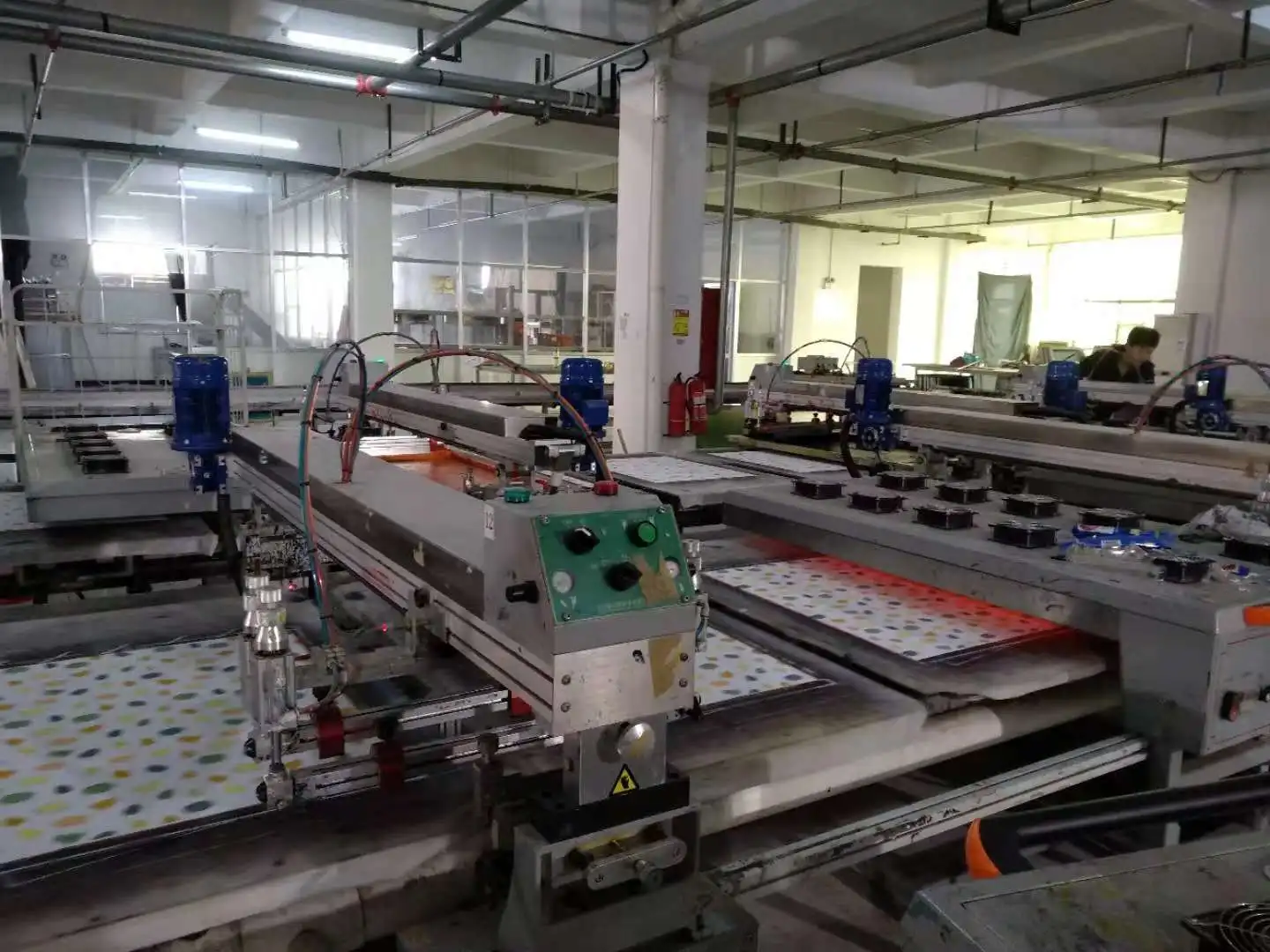
Hengshui Jiahe Textile Co., Ltd.
- Manufacturer, Trading Company
- Hebei, China
- Lead time30 days
- Avg. response≤ 5h
Main productsApron,tea towel,workuniform,oven mitt,pot holder
Main marketsNorth America(30.00%), Oceania(11.00%), Western Europe(10.00%), Southern Europe(10.00%), Central America(10.00%), Northern Europe(10.00%), Eastern Europe(10.00%), South America(3.00%), South Asia(2.00%), Eastern Asia(2.00%), Southeast Asia(2.00%)
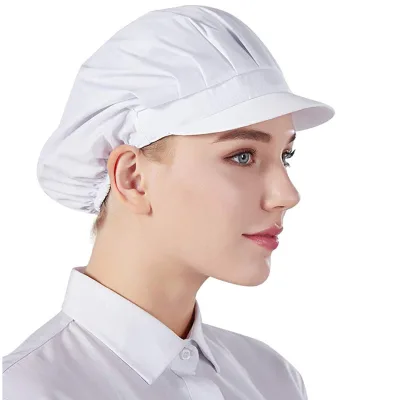
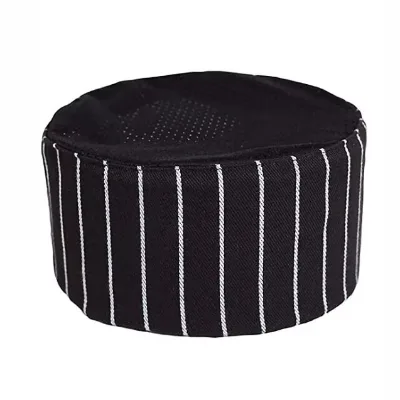
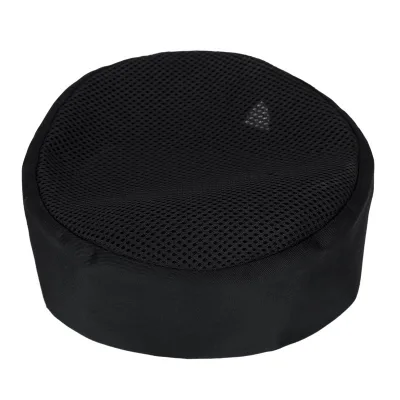
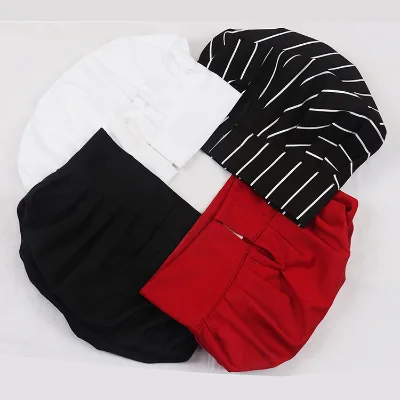
Catering Cooking Chef Cap with logo Adjustable Kitchen Hat BBQ Grill Chef Beanie Hats Mesh Chef Cap
$0.81 - $0.93
MOQ: 200 pieces
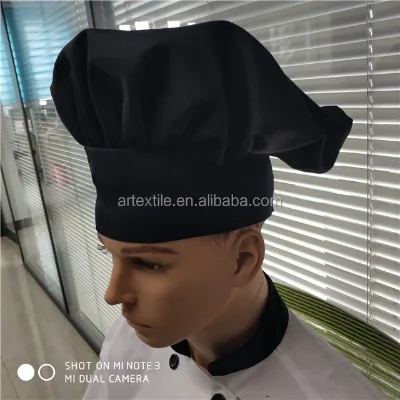
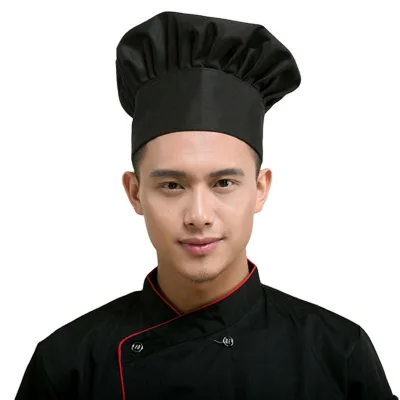
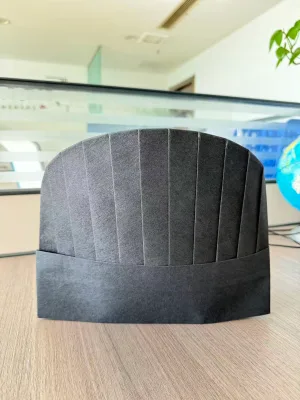
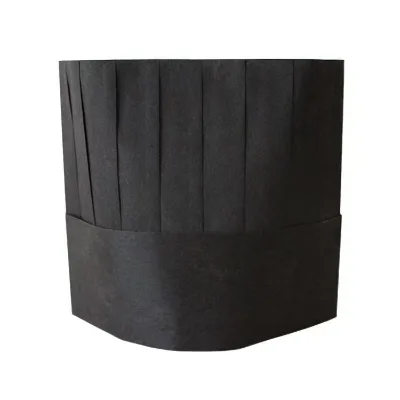
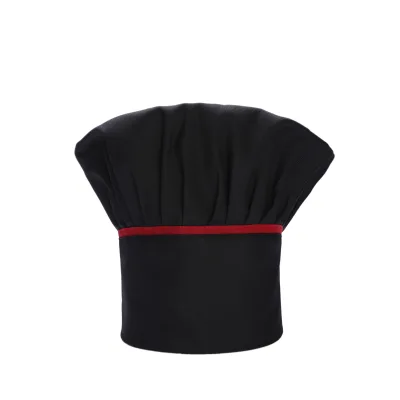
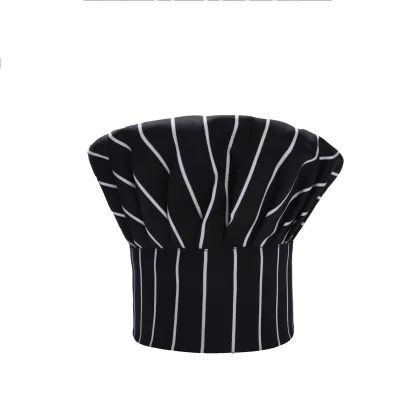
Black Chef Hat, Custom Chef Hat for Restaurant, Kitchen Hat with Custom Design
$0.5842 - $1.2598
MOQ: 100 Minimum


Xiantao Fushi Protective Products CO.,LTD.
- Verified by BV
- Combined
- China Hubei
- Lead time23 days
- Avg. response≤ 25h
Main productsFace Mask, Cap, Isolation Gown, Coverall, Lab Coat, Shoe Cover/Sleeve Cover, Shopping Bag, Glove, Scrub Suit, Bouffant
Main marketsSouth America,Europe,North America
Jinan Jinbetter Commodity Co., Ltd.
- Trading Company
- Shangdong, China
- Lead time0 days
- Avg. response≤ 5h
Main productschef hat,paper doilies,transparent mask,baking paper,air fryer paper
Main marketsMid East(30.00%), North America(30.00%), Southern Europe(5.00%), Northern Europe(5.00%), Central America(5.00%), Western Europe(5.00%), Eastern Asia(5.00%), South America(5.00%), Africa(5.00%), Eastern Europe(5.00%)

Anhui Guohong Industrial and Trading Co., Ltd.
- Verified by BV
- Combined
- China Anhui
- Lead time15 days
- Avg. response≤ 12h
Main productsFace Mask, Disposable Glove, Coverall, Bouffant Cap, Hairnet, Lab Coat, Shoe Cover, PE Apron, Sleeve Cover, Surgical Gown
Main marketsSouth America,Southeast Asia/ Mideast,Europe,North America
Anhui Guohong Industrial & Trading Co., Ltd.
- Manufacturer, Trading Company
- Anhui, China
- Lead time45 days
- Avg. response≤ 6h
Main productsnitrile glove,PE gloves,bouffant cap,disposable coverall,face mask
Main marketsMid East(20.00%), South America(20.00%), North America(20.00%), Northern Europe(10.00%), Western Europe(10.00%), Oceania(5.00%), Africa(5.00%), Eastern Asia(5.00%), Southeast Asia(5.00%)
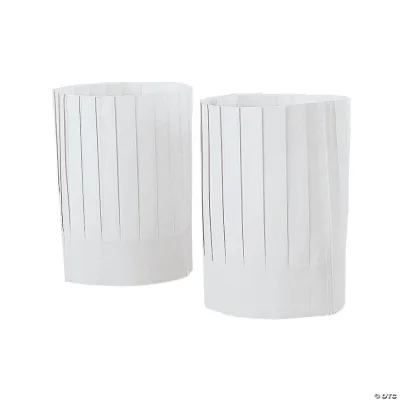
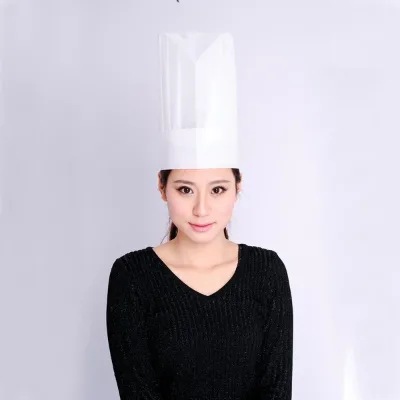

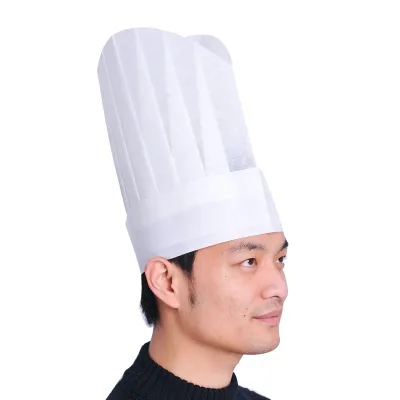
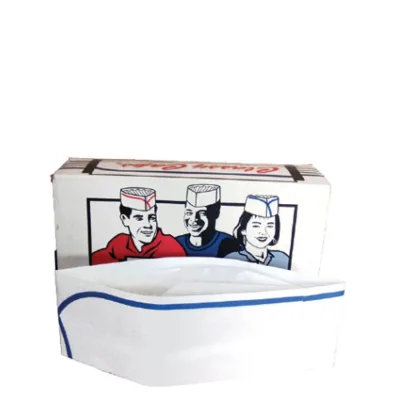
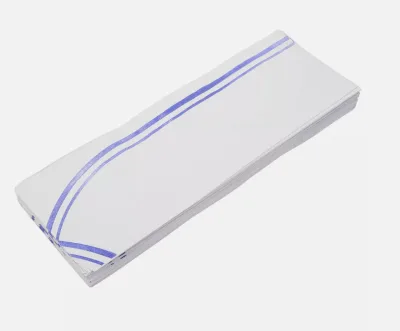
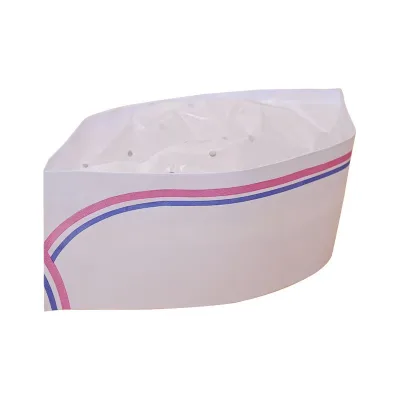
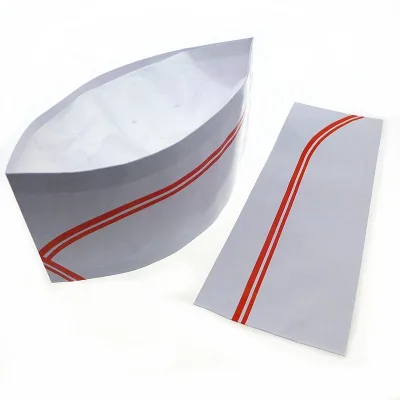
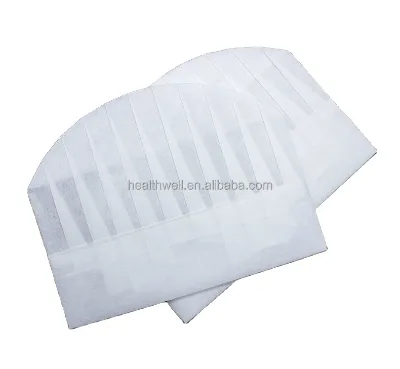
Factory Wholesale Paper/Non Woven Cooking Hats Kitchen Chef Forage Hats With Colorful Line
$0.10 - $0.20
MOQ: 200000
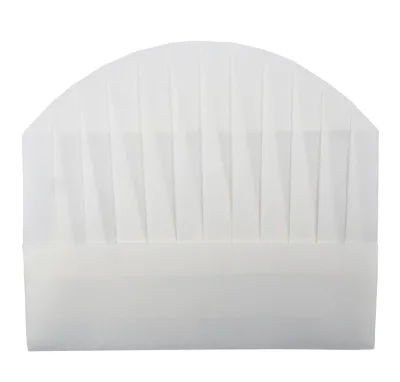

Shanghai Best Medical Products Company Limited
- Manufacturer/Factory
- China Shanghai
- Lead time30 days
- Avg. response≤ 13h
Main productsHospital, Lab, Dentist's, Industry Supplies, Beauty Salon, SPA, Bathroom Supplies, Restaurant, Kitchen, Hotel Supplies
Main marketsSouth America,Eastern Europe,Mid East,North America,Southeast Asia,Eastern Asia,Oceania,Western Europe,Africa
Huizhou Xinjunda Plastic Products Co., Ltd.
- Manufacturer, Trading Company
- Guangdong, China
- Lead time0 days
- Avg. response≤ 7h
Main productsGlove, Shoe Cover, Strip Cap, Apron, Cuff
Main marketsDomestic Market(69.00%), North America(10.00%), Northern Europe(5.00%), Eastern Europe(5.00%), Western Europe(2.00%), Southern Europe(2.00%), Mid East(2.00%), South Asia(1.00%), South America(1.00%), Eastern Asia(1.00%), Central America(1.00%), Southeast Asia(1.00%)

Shanghai Eagle Industry Co., Ltd.
- Verified by SGS
- Trading Company
- China Shanghai
- Lead time15 days
- Avg. response≤ 5h
Main productsGift Set, Shopping Bag, Hand Fan, Shopping Trolley, Notebook, Tumbler, T Shirt, Lanyard, Silicone Wristband, Mug
Main marketsSouth America,Africa,Southeast Asia/ Mideast,Europe,Australia,North America
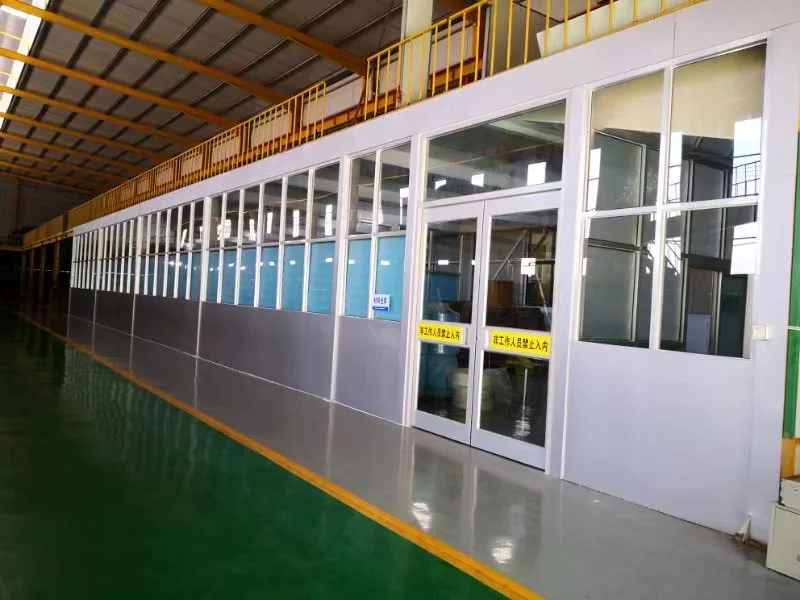
Jinan Huayutianshun Hotel Supplies Co., Ltd.
- Manufacturer, Trading Company
- Shandong, China
- Lead time10 days
- Avg. response≤ 3h
Main productsPaper Doily, Non-woven Mop Cap, Non-woven Shoe Cover, Three Layers Face Mask, Independent Packaging PE Gloves
Main marketsEastern Europe(30.00%), Mid East(20.00%), Western Europe(10.00%), Northern Europe(10.00%), North America(5.00%), South America(5.00%), Oceania(5.00%), Eastern Asia(5.00%), Africa(5.00%), Southeast Asia(5.00%)

Hebei Dishixiao Gloves Manufacture Co., Ltd
- Verified by BV
- Trading Company
- China Hebei
- Lead time15 days
- Avg. response≤ 6h
Main productsCap, Apron, Gloves
Main marketsSouth America,Europe,North America


$0.80 - $1.30
MOQ: 100 Pieces

Guangdong Mingyang Garment Industry Co., Ltd.
- Verified by BV
- Combined
- China Guangdong
- Lead time23 days
- Avg. response≤ 3h
Main productsGarment, Office Equipment, Bags & Gifts, Sports Fitness and Leisure, Toys, Uniform, Clothing Accessories, Workwear, Jacket, Outdoor Clothing
Main marketsSouth America,Southeast Asia/ Mideast,Europe,Australia

Classic Kitchen Cooking Chef Cap Fashion Uniform Promotional White Chef Hat
$1.60 - $5.00
MOQ: 50 Pieces

Chef Hat Japanese Style Cookers' Cap Waiter Waiteress Hat White Black Blue Chef Cap
$1.60 - $5.00
MOQ: 50 Pieces


Anhui Mingde Medical Care Products Co., Ltd.
- Trading Company
- China Anhui
- Lead time15 days
- Avg. response≤ 6h
Main productsSterilization Pouch, Dental Bibs, Examination Paper Couch Roll, Protective Bed Sheet, Dental Accessories, Disposable Underpad, Sterilized Packaging, Dental Appliance, Disposable Medical Consumables, Disposable Beauty Items
Main marketsSouth America,Africa,Southeast Asia/ Mideast,East Asia(Japan/ South Korea),Europe,Australia,North America
Hubei Hothome Industry Co., Ltd.
- Verified by SGS Group
- Manufacturer, Trading Company
- Lead time40 days
- Avg. response≤ 2h
Main productsCap, Chef Uniform, Scrub Uniform, Spa Uniform, Apron
Main marketsNorth America(45%), Western Europe(20%), Northern Europe(20%)

$1.00 - $1.40
MOQ: 2 Minimum

Anhui Anheng Paper & Plastic Products Co., Ltd.
- Manufacturer, Trading Company
- Anhui, China
- Lead time0 days
- Avg. response≤ 10h
Main productsdisposable glove,isolation gown,face mask,bouffant cap,disposable coverall
Main marketsDomestic Market(25.00%), Southern Europe(10.00%), Northern Europe(10.00%), Western Europe(10.00%), Mid East(10.00%), North America(10.00%), Eastern Europe(10.00%), South America(10.00%), Southeast Asia(5.00%)
$0.1022 - $0.1543
MOQ: 200 Minimum

WuHan LanYuan Protective Co., Ltd.
- Verified by BV
- Trading Company
- China Hubei
- Lead time23 days
- Avg. response≤ 11h
Main productsElectric Tricycle, Motorized Tricycle Cargo, Shoe Cover, Isolation Gown, Mob Cap, PE Apron, Hospital Uniform, Blood Segment Device, Surgical Gown, Smear Making Safe Blood Dispenser
Main marketsSoutheast Asia/ Mideast,Europe,North America

Hubei Ruichen Protective Products Co., Ltd
- Verified by CTI
- Combined
- China Hubei
- Lead time23 days
- Avg. response≤ 3h
Main marketsDomestic,Europe

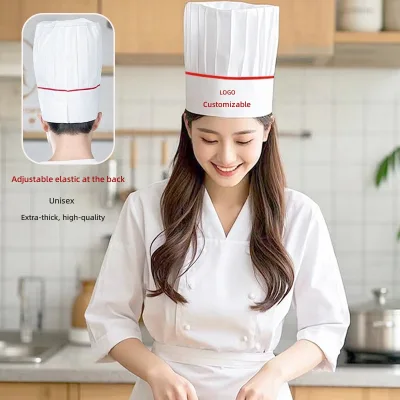
Disposable Nonwoven Chef Hat Mob Cap for Medical Food Chicken Factory and Hygiene Protection
$0.0045 - $0.01
MOQ: 500000 Pieces


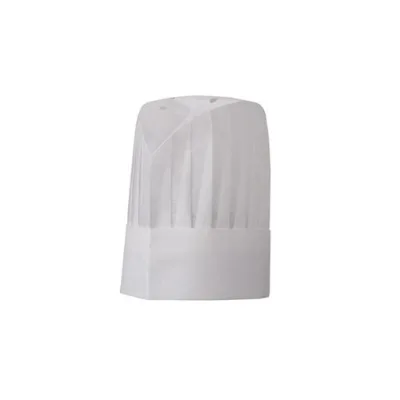
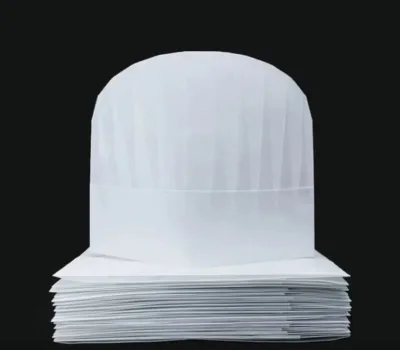
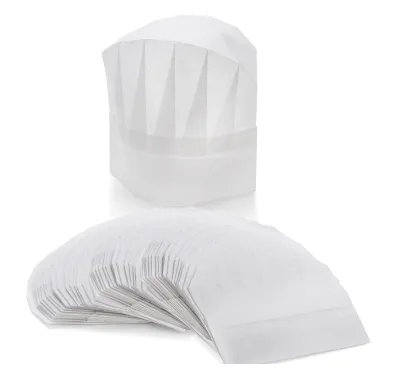
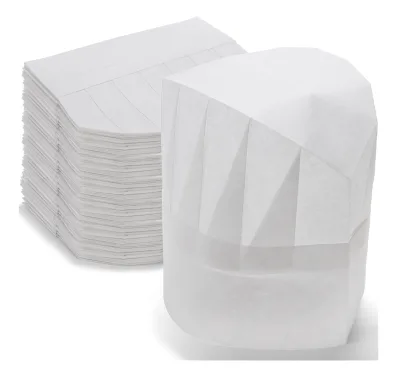
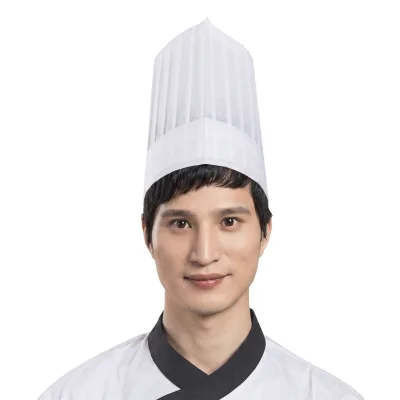
Bulk Disposable Paper Chef Hats, White Adjustable Tall Chef Hats for Food Service & Catering
$0.005
MOQ: 100000 Pieces

Wuhan Kerousi Clothing Co., Ltd.
- Verified by SGS Group
- Manufacturer, Trading Company
- Lead time0 days
- Avg. response≤ 2h
Main productsSuit Uniform, Bank Uniform, Airline Uniform, Hotel Uniform, Work Clothes

Foshan Ron Hospitality Supplies Co., Ltd.
- Verified by BV
- Manufacturer/Factory,Group Corporation
- China Guangdong
- Lead time45 days
- Avg. response≤ 2h
Main productsRestaurant Furniture, Restaurant Booth, Restaurant Chair, Restaurant Table, Bar Stools, Wedding Chairs, Flatware Sets, Dinnerware Sets, Garden Chairs, Disposable Dinnerware & Tableware
Main marketsSouth America,Eastern Europe,Mid East,North America,Southeast Asia,Eastern Asia,Oceania,Western Europe,Africa


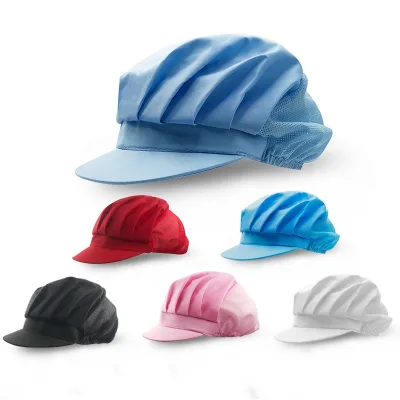
Multiple Color Options Custom Chef's Hat for Restaurants and Catering Services
$2.00 - $8.00
MOQ: 50 Pieces
Hubei Haixin Protective Products Group Co., Ltd.
- Verified by TüVRheinland
- Manufacturer, Trading Company
- Lead time30 days
- Avg. response≤ 2h
Main productsSurgical Gown, Isolation Gown, Coveralls, Face Mask, Disposable Cap
Main marketsNorth America(36%), Mid East(21%), Western Europe(15%)
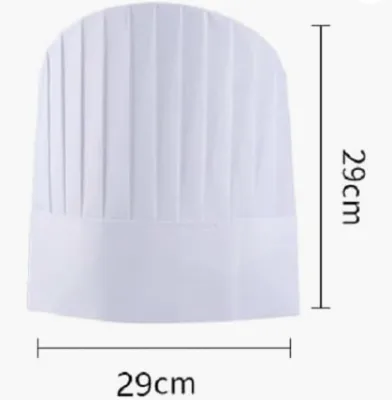
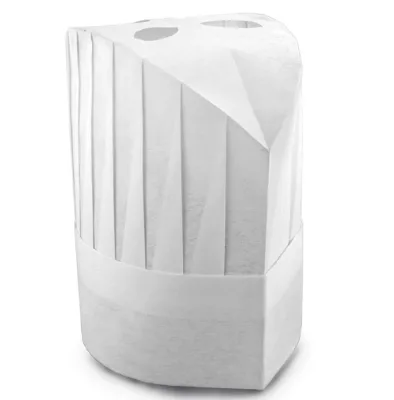
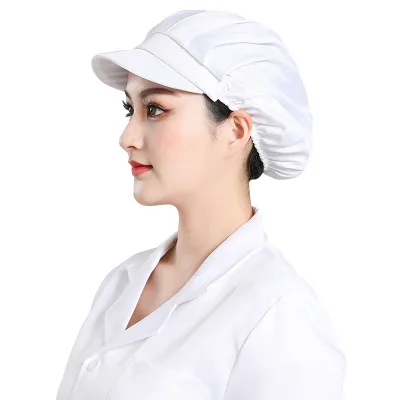
Haixin Health Disposable Chef Hat Breathable Non Woven Kitchen Cap Hotel Catering Use
$0.09 - $0.13
MOQ: 10 pieces

- Trading Company
- China Shandong
- Lead time23 days
- Avg. response≤ 25h
Main productsMedical equipment, Laboratory Products, Light Industry &Lamp; Daily Use, Medical Disposables, Medical Masks, Sanitinary Mask, Non-Woven Products, Plastic Products, Cosmestics Products, Latex Products
Main marketsAfrica,Europe,North America
Ma'anshan Tengxin Import And Export Trading Co., Ltd.
- Trading Company
- Anhui, China
- Lead time0 days
- Avg. response≤ 3h
Main productsAutomotive supplies,Cleaning supplies
Main marketsNorth America(70.00%), Northern Europe(4.00%), Western Europe(4.00%), Mid East(4.00%), Oceania(4.00%), Southeast Asia(4.00%), Eastern Europe(4.00%), South America(4.00%), Southern Europe(2.00%)
Hubei Healthwell Protective Products Co., Ltd.
- Verified by SGS Group
- Trading Company
- Lead time30 days
- Avg. response≤ 5h
Main productsHeadphone Cover, Coverall, Lab Coat, Disposable Cap, Shoe Cover
Main marketsNorth America(20%), South America(20%), Northern Europe(20%)











Comprehensive Sourcing Guide
Food Hygiene Chef Hat Supplier Concentration and Factory Types
The current supplier landscape for food hygiene chef hats reveals a distinct concentration of manufacturing and trading entities within Hebei, China. This geographic clustering suggests a specialized industrial ecosystem where raw material sourcing, textile processing, and final garment assembly are integrated locally. Buyers evaluating potential partners should recognize that this region hosts a mix of direct manufacturers and trading companies, each offering different advantages in terms of production control and logistical flexibility. The presence of both entity types indicates a mature supply chain capable of handling diverse order volumes, from small boutique runs to large-scale commercial deployments. Understanding this local concentration helps buyers anticipate the availability of skilled labor and established infrastructure, which are critical for maintaining consistent quality in protective headwear.
Within this concentrated region, suppliers primarily operate as either manufacturers or trading companies, a distinction that significantly impacts the sourcing strategy. Manufacturers typically offer greater control over the production process, allowing for stricter adherence to hygiene standards and material specifications. They are often better positioned to handle complex OEM requests, such as custom embroidery or specific fabric blends like polyester-cotton mixes. Trading companies, on the other hand, may provide a broader portfolio of styles and faster access to existing inventory. They often act as intermediaries, consolidating orders from multiple factories to meet minimum order quantities. Buyers must carefully assess whether their priority lies in direct factory engagement for customization or the logistical convenience of a trading partner who can manage multiple SKUs and provide unified shipping solutions.
How to Verify Food Hygiene Chef Hat Suppliers
Verifying the legitimacy and capability of suppliers requires a multi-layered approach that goes beyond basic profile reviews. Buyers should prioritize suppliers who demonstrate a clear response time, as a five-day response window indicates a structured communication process rather than ad-hoc engagement. It is essential to confirm the supplier’s type, ensuring they are either a verified manufacturer or a reputable trading company with direct factory ties. This verification step is crucial because it determines who is ultimately responsible for quality control and production timelines. Buyers should request detailed company profiles that outline their operational history and specific expertise in uniform manufacturing, particularly for the restaurant and bar sector.
Further verification involves scrutinizing the product evidence provided in supplier listings. Buyers must check for specific attributes such as needle detection capabilities, which are vital for food safety compliance in kitchen environments. The presence of features like breathable mesh fabric and lint-free materials should be confirmed through product specifications rather than assumed. Additionally, buyers should inquire about the supplier’s ability to support sample orders, as a seven-day sample lead time is a strong indicator of operational efficiency. It is also important to verify if the supplier supports Amazon packing requirements, which suggests familiarity with international retail standards. These technical details provide concrete evidence of a supplier’s readiness to meet professional hygiene and logistical demands.
What to Compare Across Food Hygiene Chef Hat Suppliers
When comparing suppliers, buyers must evaluate a range of commercial and operational metrics to determine the best fit for their specific needs. Key dimensions include lead times, minimum order quantities, and response speeds, all of which impact the overall procurement timeline. Suppliers may offer varying lead times for bulk production, with some indicating a standard thirty-day turnaround. It is critical to compare these figures against the buyer’s inventory requirements to avoid stockouts or excess holding costs. Additionally, minimum order quantities can vary significantly, with some suppliers requiring as few as one hundred pieces while others may demand two hundred or more. Understanding these thresholds helps buyers align their orders with their budget and storage capabilities.
Beyond basic metrics, buyers should compare the specific product attributes and customization options available. Material composition is a primary differentiator, with options ranging from 100% polyester to cotton-polyester blends, each offering distinct benefits in terms of durability and breathability. Buyers should also assess the printing and embroidery methods supported, such as digital printing or silk screen printing, to ensure brand visibility meets their standards. The availability of custom logo services and the flexibility in size adjustments, such as head circumferences ranging from fifty to sixty centimeters, are also critical comparison points. By systematically evaluating these factors, buyers can identify suppliers that offer the optimal balance of quality, customization, and cost-effectiveness for their Food Hygiene Chef Hat requirements.
Common Food Hygiene Chef Hat Sourcing Risks
Sourcing food hygiene chef hats involves several inherent risks that buyers must proactively manage to ensure product quality and supply chain stability. One significant risk is the inconsistency in material quality, particularly when dealing with blended fabrics like polyester and cotton. Variations in the ratio of these materials can affect the hat’s breathability, durability, and ease of cleaning, which are critical for kitchen environments. Buyers must verify that the specified material composition matches the actual product received, as discrepancies can lead to discomfort for workers and potential hygiene issues. Additionally, the risk of color fading or fabric pilling after repeated washing cycles is a common concern that requires rigorous quality assurance protocols.
Another major risk is the potential for delays in production and shipping, which can disrupt business operations. While some suppliers advertise a thirty-day lead time, actual delivery may be extended due to unforeseen production bottlenecks or logistical challenges. Buyers should also be cautious of suppliers who do not clearly state their sample order policies, as this can lead to misunderstandings regarding prototyping costs and timelines. Furthermore, the risk of non-compliance with hygiene standards is heightened if suppliers do not explicitly mention features like needle detection or lint-free properties. Buyers must ensure that all suppliers adhere to strict quality control measures to mitigate these risks and maintain the integrity of their food service operations.
Food Hygiene Chef Hat Regional Sourcing and Logistics
The regional concentration of suppliers in Hebei, China, offers distinct logistical advantages for international buyers. This location is strategically positioned to facilitate efficient export operations, with access to major ports such as Xingang port for dispatch. Buyers should consider the implications of this geographic location on shipping costs and transit times, as proximity to key maritime routes can reduce overall logistics expenses. Understanding the regional infrastructure helps buyers plan their supply chain more effectively, ensuring that goods can be transported reliably to global destinations. The clustering of manufacturers in this area also fosters competition, which can lead to more favorable pricing and service terms for buyers.
Logistical planning must also account for the specific packaging requirements of chef hats, which can vary based on the supplier’s capabilities. Some suppliers offer standard packaging, such as individual poly bags with carton quantities of four hundred pieces, while others may provide customized packaging solutions to meet specific retail or distribution needs. Buyers should verify if the supplier supports Amazon packing standards, which can simplify the receiving process for retailers. Additionally, the single package size and gross weight of the products, typically around twenty by twenty by one centimeters and zero point one kilograms respectively, should be considered when calculating freight costs. By aligning logistical strategies with the supplier’s regional capabilities, buyers can optimize their supply chain efficiency and reduce overall procurement costs.
Food Hygiene Chef Hat Commercial Terms and Order Planning
Effective order planning for food hygiene chef hats requires a thorough understanding of the commercial terms offered by suppliers. Pricing is a critical factor, with costs ranging from approximately zero point five eight dollars to one point two six dollars per unit, depending on the material, customization, and order volume. Buyers must analyze these price ranges in the context of their budget and expected profit margins, ensuring that they secure competitive rates without compromising on quality. It is also important to consider the minimum order quantities, which can range from one hundred to two hundred pieces, and plan orders accordingly to maximize economies of scale. Understanding these financial parameters helps buyers make informed decisions that align with their business objectives.
In addition to pricing, buyers should evaluate the supply ability and sample order policies of potential suppliers. Some suppliers may have a monthly supply capacity of one hundred thousand pieces, indicating their ability to handle large-scale orders efficiently. Buyers should also inquire about the sample order lead time, which is typically five to seven days, to ensure that prototyping does not delay the overall project timeline. Furthermore, buyers must confirm the supplier’s ability to support custom logo and brand requirements, as this is often a key differentiator in the uniform market. By carefully reviewing these commercial terms and planning orders with precision, buyers can establish a reliable and cost-effective sourcing strategy for their Food Hygiene Chef Hat needs.
FAQs
What materials are used for food hygiene chef hats?
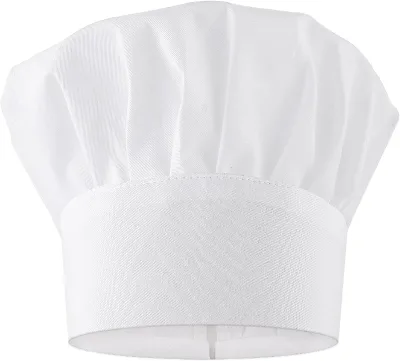
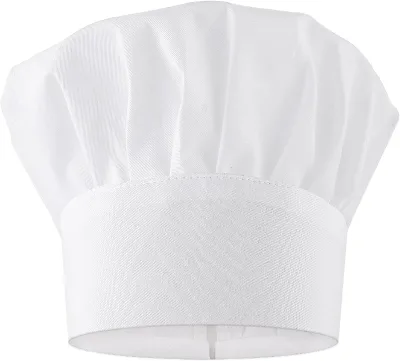
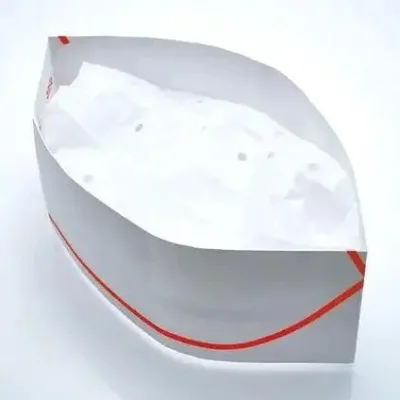
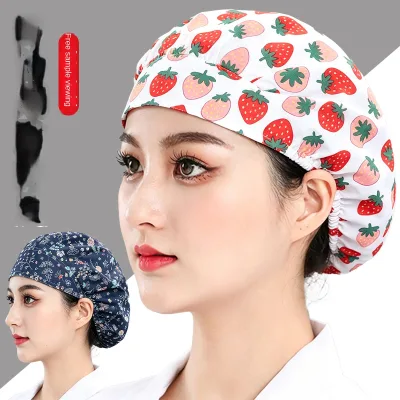
Suppliers offer hats made from cotton and polyester blends, 100% polyester, or twill fabrics. These materials are selected for being soft, durable, and easy to clean. Mesh variants provide excellent breathability to keep workers cool. The fabrics are designed to be washable, lint-free, and pilling-free for consistent hygiene standards in busy kitchens.
What is the minimum order quantity for custom chef hats?
The minimum order quantity varies by supplier and product style. Some listings require a minimum of 100 pieces, while others set the threshold at 200 units. Buyers should verify the specific MOQ for their chosen design and material. Custom logo printing or embroidery may have different quantity requirements depending on the manufacturer's production capacity.
How long does it take to produce custom chef hats?
Standard production lead times are typically around 30 days for bulk orders. Sample orders can be prepared much faster, often within 5 to 7 days. Buyers should confirm the exact timeline with the supplier before placing an order. Rush orders may incur additional costs or require specific production scheduling to meet tight deadlines.
Can I get a sample before placing a bulk order?
Yes, many suppliers support sample orders to verify quality and fit. Sample lead times are generally 5 to 7 days. Buyers can request samples to check material durability, breathability, and printing quality. Contacting the supplier directly is recommended to arrange sample shipping and confirm any associated costs or free sample policies.
What customization options are available for chef hats?
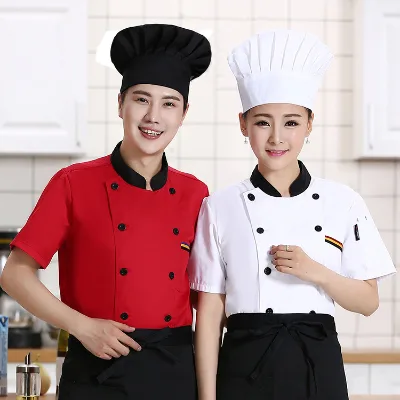
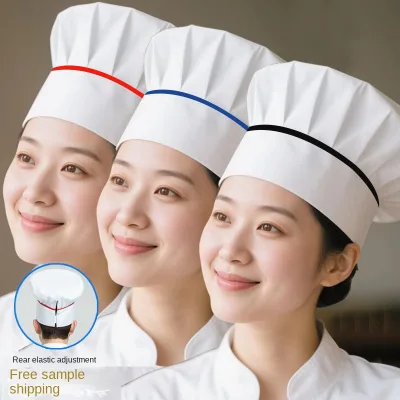
Suppliers offer OEM services including custom logos, brands, and designs. Printing methods include digital print, silk screen printing, and heat transfer. Embroidery is also available for logo application. Buyers can choose from various colors like black, white, red, and blue. Sizes are often adjustable to fit most head circumferences, ensuring a comfortable fit for all staff.
Where are these chef hats manufactured?
The chef hats are manufactured in Hebei, China. This region is a known hub for textile and uniform production. Buyers can verify the place of origin on product listings. Sourcing from this location may offer competitive pricing and established supply chains for apparel and accessories used in the food industry and hospitality sectors.