Mesh Ladies Beret Suppliers and Manufacturers in China
Explore 29 verified options for Mesh Ladies Beret from Zhejiang, China. Compare response times, lead times, MOQs, and product materials like cotton or viscose fiber. Contact suppliers directly to request samples and confirm pricing details; review the available evidence before requesting comparable quotations from suitable candidates.
Updated
Suppliers List
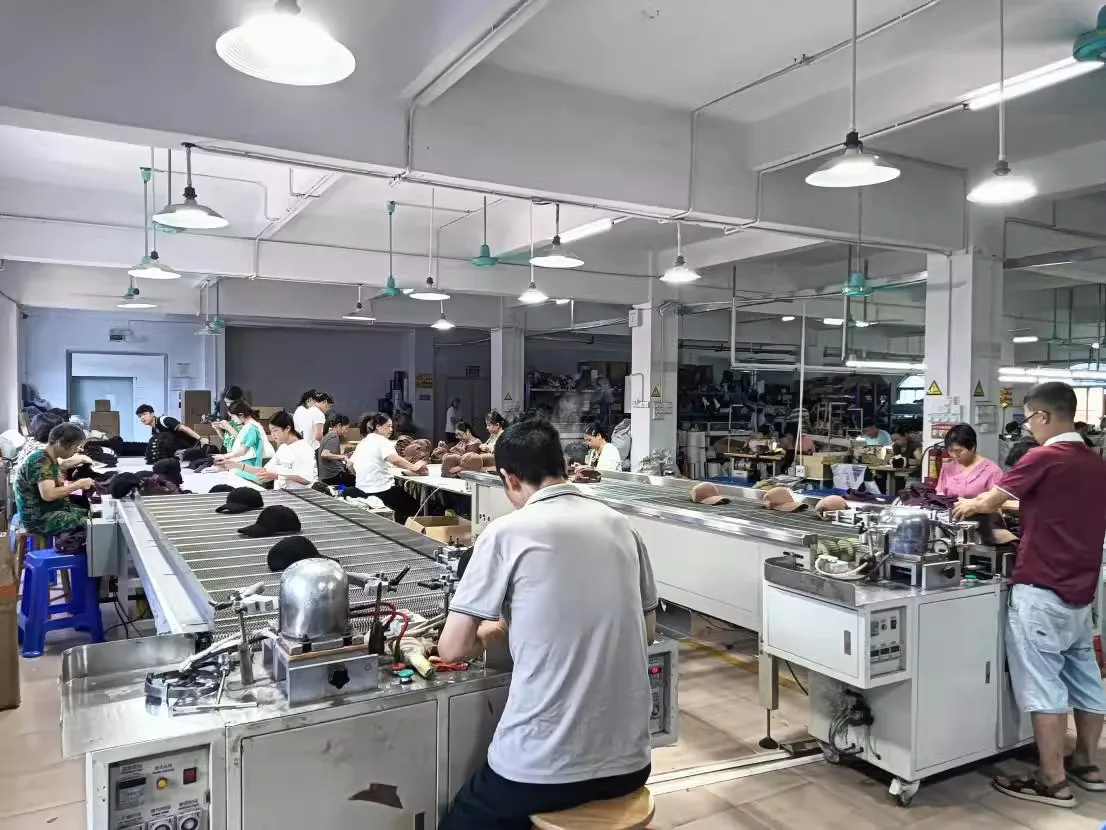
Ningbo Feinade Electrical Appliance Co., Ltd.
- Manufacturer, Trading Company
- Zhejiang, China
- Lead time30 days
- Avg. response≤ 2h
Main productsBaseball caps,Beanies,Straw hats,Backpacks,Shoulder bags
Main marketsEastern Europe(40.00%), North America(30.00%), Domestic Market(10.00%), Southeast Asia(4.00%), Southern Europe(3.00%), Eastern Asia(3.00%), Northern Europe(2.00%), Mid East(2.00%), South America(1.00%), South Asia(1.00%), Oceania(1.00%), Africa(1.00%), Central America(1.00%), Western Europe(1.00%)
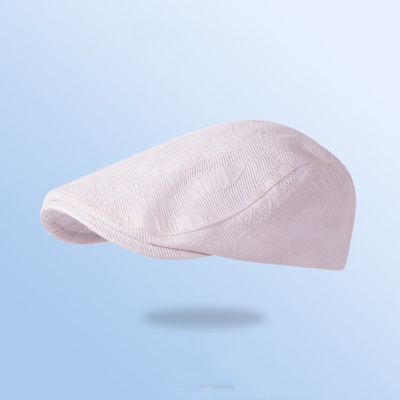
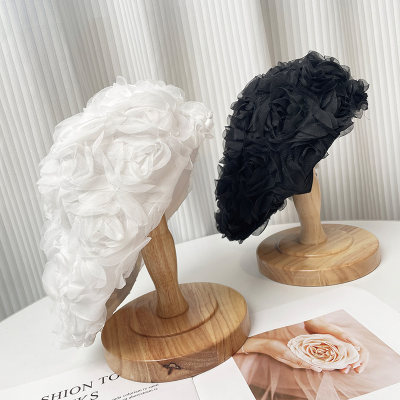
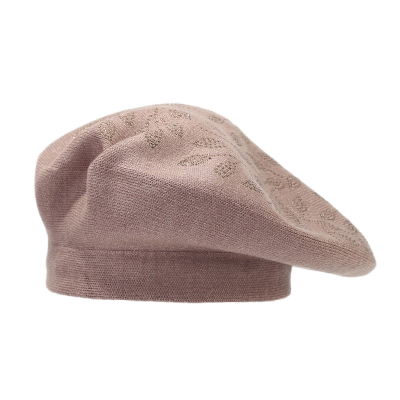
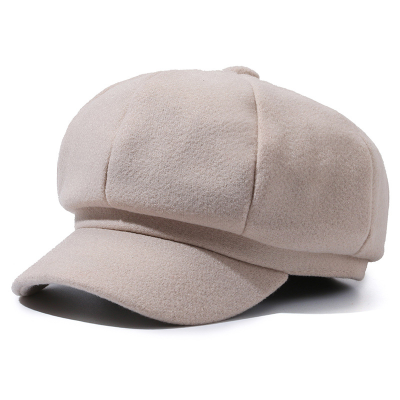
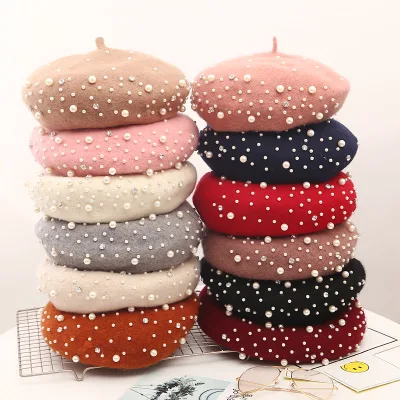
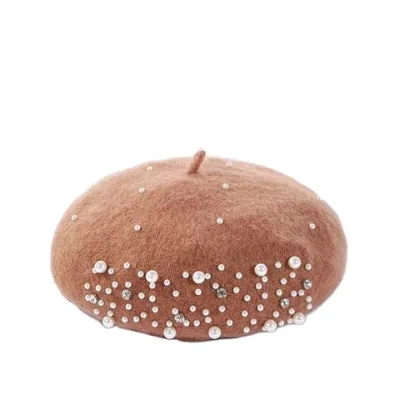
New Hot Diamond Knitted Beret Literary Retro Autumn and Winter Solid Color Fashion Beret
$2.50 - $3.00
MOQ: 10 pieces
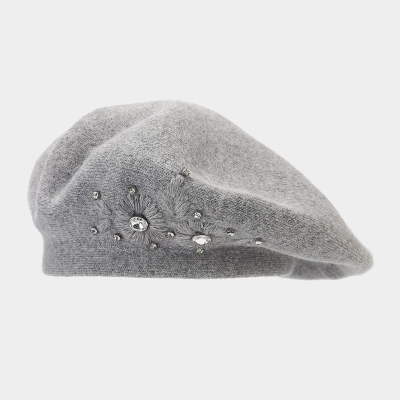
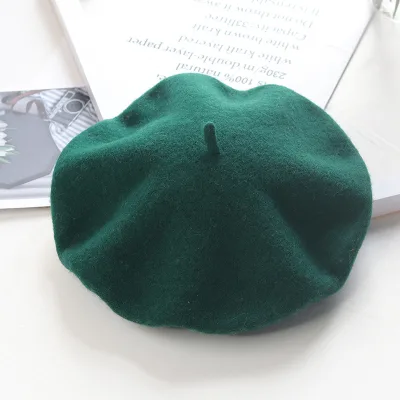
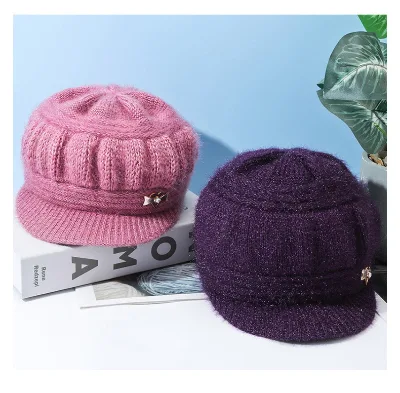
Autumn and Winter Rhinestone Flower Rabbit Fur Beret Literary Retro Fashion Temperament Beret
$5.00 - $5.80
MOQ: 10 pieces
- Manufacturer, Trading Company
- Zhejiang, China
- Lead time15 days
- Avg. response≤ 2h
Main productsBaseball Cap, Trucker Hat, Beanie Hat, T Shirt, Hoodies
Main marketsNorth America(30.00%), South America(30.00%), Eastern Europe(10.00%), Oceania(5.00%), Western Europe(5.00%), Africa(5.00%), Mid East(5.00%), Southeast Asia(5.00%), South Asia(1.00%), Eastern Asia(1.00%), Southern Europe(1.00%), Central America(1.00%), Northern Europe(1.00%)
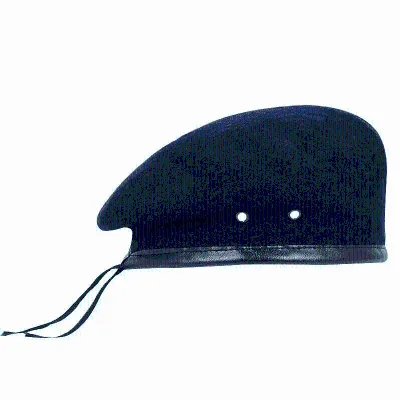
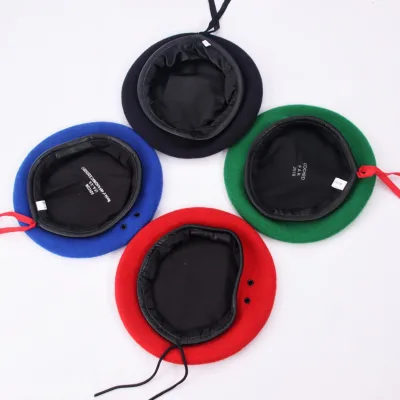
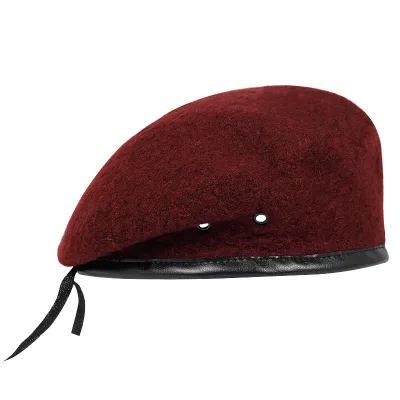
$2.0433 - $3.0799
MOQ: 100 pieces
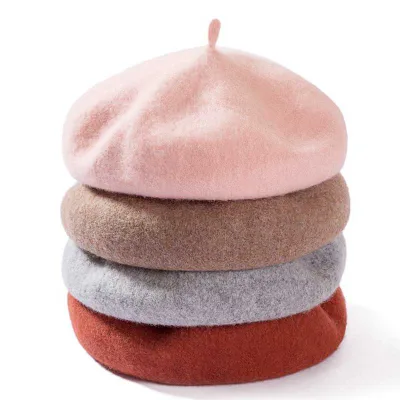
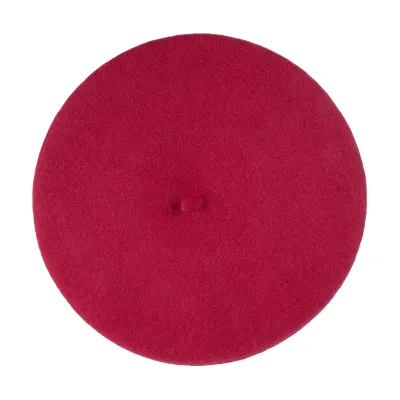
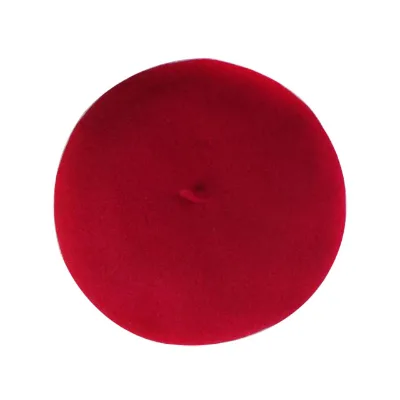
$3.0649 - $4.0925
MOQ: 10 pieces
Anhui Jinghan Import And Export Co., Ltd.
- Trading Company
- Anhui, China
- Lead time0 days
- Avg. response≤ 5h
Main productsFedora Hat,Beach Hat,Bucket Hat,Panama Hat,Straw Hat
Main marketsNorth America(29.00%), South America(28.00%), Eastern Europe(20.00%), Northern Europe(8.00%), Western Europe(7.00%), Southeast Asia(5.00%), Africa(3.00%)
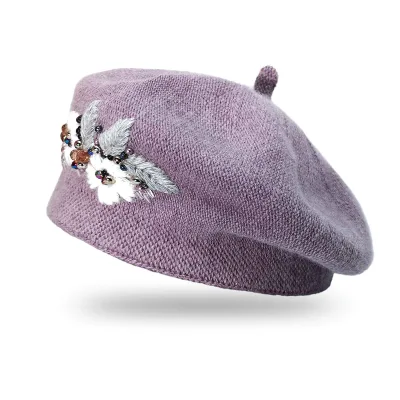
Guaranteed Quality Many Colors Girls Hat Autumn Warm French Beret Women Fashion Ladies Berets
$3.00 - $3.25
MOQ: 20 pieces
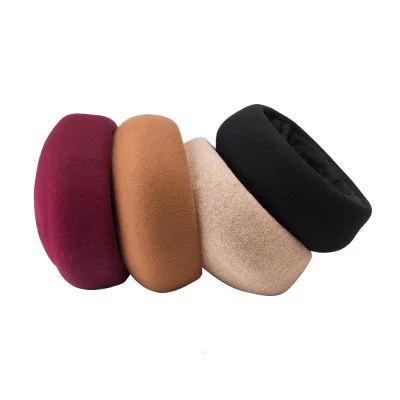
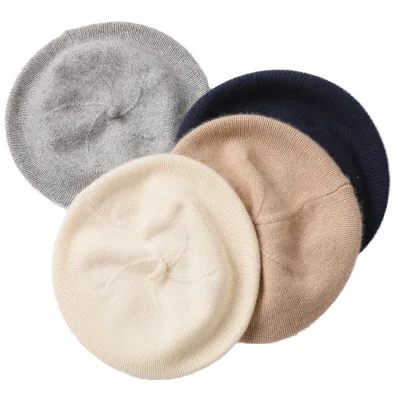
Spring and Autumn Women Casual Fuzzy Polyester Boucle Design Yarn Stretch Knitted Berets
$15.3275 - $18.3939
MOQ: 5 pieces
- Verified by TüVRheinland
- Manufacturer, Trading Company
- Lead time30 days
- Avg. response≤ 4h
Main productsBeret, Beaine, Bucket Hat, Baseball Cap, Straw Hat
Main marketsNorth America(42%), Western Europe(20%), Oceania(10%)
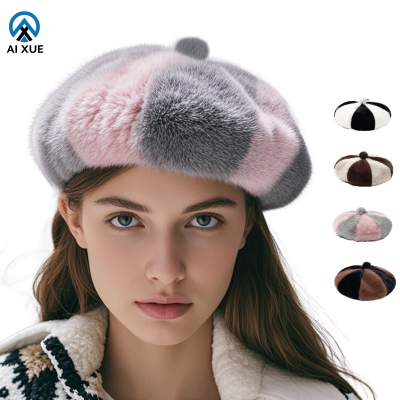
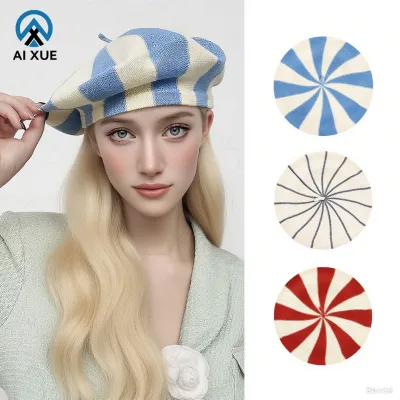
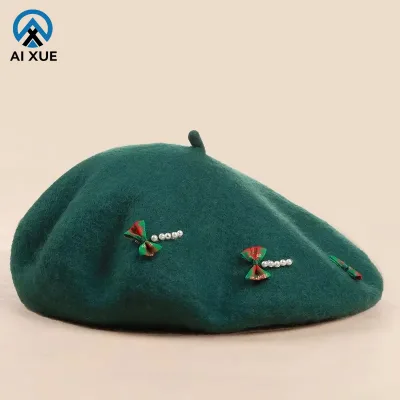
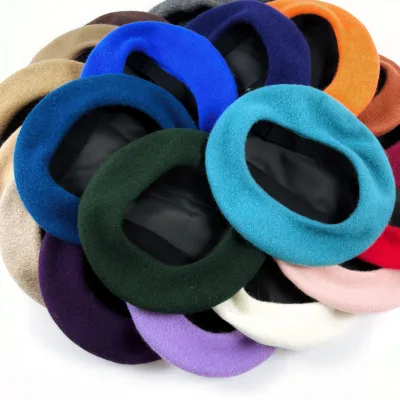
Winter Wool Stretch Beret for Women - Big Head Size, Solid Color, Elegant All-Match Plain Boina
$3.1024 - $4.0251
MOQ: 100 pieces
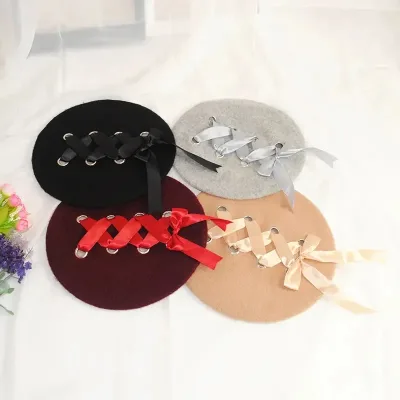
Wholesale High Quality Beret Custom Embroidery Knitted Embroidery Women's Beret With Ribbon Bow
$2.88 - $3.98
MOQ: 50 pieces
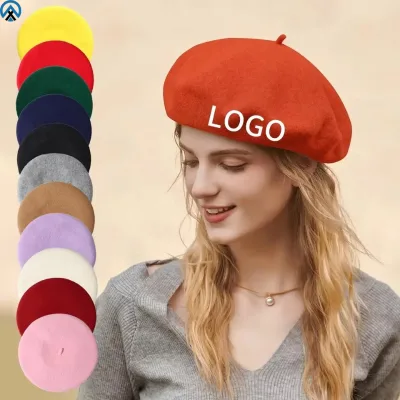

HEBEI GRAND CASHMERE CO., LTD.
- Manufacturer
- China Hebei
- Lead time0 days
- Avg. response≤ 6h
Main productsCashmere, Wool, Silk Cashmere, Scarf, Shawl

- Verified by SGS
- Trading Company
- China Zhejiang
- Lead time45 days
- Avg. response≤ 17h
Main productsSports Cap, Shawl, Bucket Hat, Knitted Hat, Gloves, Baseball Cap, Jewelry, Blanket, Garment, Bag
Main marketsEurope
Shenzhen Gh Caps & Hats Industrial Co., Ltd.
- Manufacturer, Trading Company
- Guangdong, China
- Lead time15 days
- Avg. response≤ 7h
Main productsBaseball Cap,Bucket Hat,Visor Cap,Led Cap,Trucker Cap
Main marketsEastern Europe(30.00%), North America(25.00%), Africa(21.00%), Western Europe(10.00%), South America(5.00%), Domestic Market(1.00%), South Asia(1.00%), Southern Europe(1.00%), Northern Europe(1.00%), Central America(1.00%), Southeast Asia(1.00%), Eastern Asia(1.00%), Mid East(1.00%), Oceania(1.00%)
Baoding Sean Import And Export Trade Co., Ltd.
- Verified by TüVRheinland
- Manufacturer, Trading Company
- Lead time45 days
- Avg. response≤ 2h
Main productsHats & Cap, T-shirt, Hoodies, Handbags, Gloves
Main marketsNorth America(63%), Eastern Europe(8%), Oceania(8%)

Shanghai Claymore Industrial Co., Ltd.
- Trading Company,Manufacturer/Factory
- China Shanghai
- Lead time45 days
- Avg. response≤ 8h
Main productsMilitary Uniform, Body Armor, Combat Packs, Tent, Helmet, Camping, Knit Clothing, Boot, Belt, Military Caps
Main marketsSouth America,Eastern Europe,Mid East,North America,Southeast Asia,Eastern Asia,Oceania,Western Europe,Africa

- Verified by TUVRHEINLAND
- Trading Company,Manufacturer/Factory
- China Chongqing
- Lead time38 days
- Avg. response≤ 5h
Main productsBaseball Cap, Beanie Hat, Trucker Hat, Bucket Hat, Snapback Hat, Scarf, Gloves, Apron, Sock, T Shirt&Polo Shirt
Main marketsSouth America,Eastern Europe,Mid East,North America,Southeast Asia,Eastern Asia,Oceania,Western Europe,Africa


Autumn Winter Wool Warm Berets Fashion Custom Woman Plain Color Felt Beret
$1.00 - $4.00
MOQ: 100 Pieces

Wholesale Fashion Wool Children's Knit Beret Warm Mori Trendy Women Girls Beret
$1.50 - $4.00
MOQ: 100 Pieces


Shenzhen Cheerie Fashion Ornaments Co., Ltd.
- Manufacturer
- Guangdong, China
- Lead time20 days
- Avg. response≤ 7h
Main productsPompoms,Bandanas,Scarves,Beanies,Other apparel accessories
Main marketsWestern Europe(20.00%), North America(20.00%), Eastern Asia(10.00%), Southern Europe(10.00%), Northern Europe(10.00%), South America(5.00%), Africa(5.00%), Southeast Asia(5.00%), Eastern Europe(5.00%), Oceania(4.00%), Mid East(2.00%), Central America(2.00%), Domestic Market(1.00%), South Asia(1.00%)
Henan Huaxin Import & Export Trade Co., Ltd.
- Verified by SGS Group
- Trading Company
- Lead time6 days
- Avg. response≤ 7h
Main productsTowels, Bed Sheets, Key Chain, Plastic Bottles, Bucket Hats
Main marketsSoutheast Asia(50%), Western Europe(15%), North America(10%)

Guangzhou Ouzun Clothing Co., Ltd.
- Verified by CTI
- Combined
- China Guangdong
- Lead time23 days
- Avg. response≤ 2h
Main productsUniforms, Pants, Suits&Blazer, T Shirt, Polo Shirt, Sportswear, Jacket, Hoodies&Sweatshirts
Main marketsDomestic

Women's Chunky Knitted Beret with Cable Pattern and Soft Acrylic Blend Knitted Beret
$1.99 - $3.99
MOQ: 100 Pieces

Women's Elegant Cashmere Blend Beret with Tilted Crown Design and Metal Accent Beret Hat
$1.99 - $3.99
MOQ: 100 Pieces

Unisex Casual Cotton Beret with Adjustable Inner Drawstring and Breathable Fabric Beret Cap
$1.99 - $3.99
MOQ: 100 Pieces

Women's Versatile Black Wool Beret with Leather Logo Patch and Ribbon Detail Beret Black
$1.99 - $3.99
MOQ: 100 Pieces

2026 New Arrival French Classic Wool Beret with Soft Comfortable Fit for Women and Men Beret
$1.99 - $3.99
MOQ: 100 Pieces

Guangzhou Lucky Girl Fashion Accessories Co., Ltd.
- Trading Company
- Guangdong, China
- Lead time7 days
- Avg. response≤ 4h
Main productsHair Accessories/Spa Accessories/Salon Accessories/Bath Accessories/Makeup Tool Accessories
Main marketsNorth America(70.00%), Oceania(12.00%), Western Europe(10.00%), Southeast Asia(5.00%), Mid East(3.00%)
$1.2314 - $1.4366
MOQ: 50 pieces
$2.1646 - $2.4732
MOQ: 50 pieces

China Xinxing Shanghai Import and Export Co., Ltd.
- Verified by TUVRHEINLAND
- Trading Company
- China Shanghai
- Lead time15 days
- Avg. response≤ 7h
Main productsAnti-Riot Suit
Main marketsSouth America,Africa,Southeast Asia/ Mideast,Europe
- Manufacturer, Trading Company
- Zhejiang, China
- Lead time10 days
- Avg. response≤ 2h
Main productsHats,Wedding veil,Pajamas,Belts,Pants
Main marketsNorth America(35.00%), Western Europe(15.00%), Domestic Market(10.00%), Mid East(8.00%), South America(5.00%), Eastern Europe(5.00%), Central America(5.00%), Oceania(5.00%), Northern Europe(5.00%), Southeast Asia(3.00%), Eastern Asia(1.00%), South Asia(1.00%), Southern Europe(1.00%), Africa(1.00%)
- Trading Company
- Zhejiang, China
- Lead time30 days
- Avg. response≤ 5h
Main productshat,scarf,glove,neck warmer,ear cap
Main marketsSouth America(22.00%), Western Europe(20.00%), Domestic Market(15.00%), North America(11.00%), Eastern Asia(10.00%), Eastern Europe(8.00%), Mid East(7.00%), Central America(7.00%)
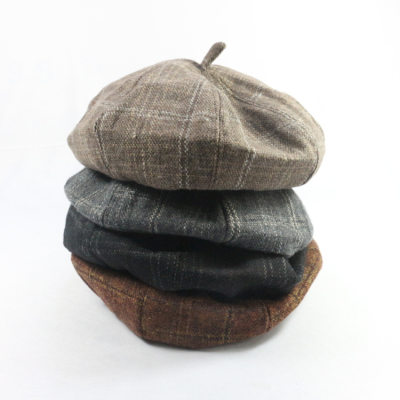
HZM-17733 Autumn and Winter Women's Comfortable and Breathable Soft French Beret Lattice Beret
$2.02 - $2.38
MOQ: 500 pieces
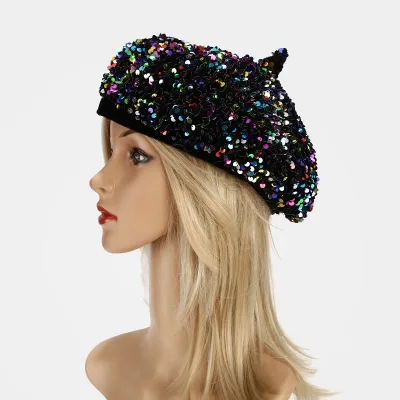
$4.0626 - $4.4011
MOQ: 10 pieces

Ningbo Yinzhou Tianjie Industrial Co., Ltd.
- Combined
- China Zhejiang
- Lead time23 days
- Avg. response≤ 9h
Main productsBeanie Hat, Bucket Hat, Baseball Hat, Festival Hat, Beret Hat, Sun Hat, Children Hat
Main marketsSouth America,Africa,Southeast Asia/ Mideast,East Asia(Japan/ South Korea),Domestic,Europe,Australia,North America
Zhejiang Kaijia Crafts Co., Ltd.
- Verified by Intertek
- Manufacturer, Trading Company
- Lead time60 days
- Avg. response≤ 2h
Main productsBag, Hat, Pet Supplies, Storage and Packaging
Main marketsNorth America(25%), Western Europe(25%), Northern Europe(10%)
Jiangyin Shunfeng Clothes Co., Ltd.
- Manufacturer, Trading Company
- Jiangsu, China
- Lead time0 days
- Avg. response≤ 11h
Main productsHats & Caps
Main marketsDomestic Market(100.00%)
Baoding Fashion Business Trade Co., Ltd.
- Verified by TüVRheinland
- Manufacturer, Trading Company
- Lead time5 days
- Avg. response≤ 2h
Main productsSports Caps, Beanies, Ivy Hats, T-shirt, Hoodies
Main marketsNorth America(85%), Oceania(5%), Mid East(5%)
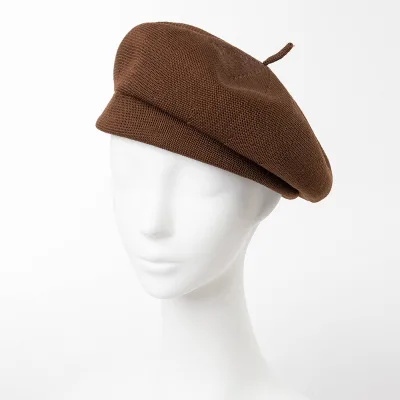
Wholesale New Spring Summer lady beret Fashion Women Knitted Polyester Mesh Beret Hat
$4.0027 - $4.6693
MOQ: 10 pieces

Wuhan TACEAG Garment Co., Ltd.
- Verified by SGS
- Trading Company,Manufacturer/Factory
- China Hubei
- Lead time23 days
- Avg. response≤ 10h
Main productsUniform, Jacket, Shirt, Pants, Shorts, Boots, Gloves, Hat, Belt, Shoes
Main marketsSouth America,Eastern Europe,Mid East,North America,Southeast Asia,Eastern Asia,Oceania,Western Europe,Africa

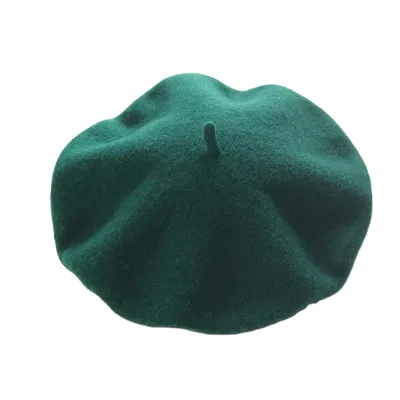
Factory Direct Sale Autumn and Winter Wool Berets Green Woolen Berets Customization
$3.20 - $4.80
MOQ: 200 Pieces

Wool Beret Hat Custom Solid Color Classic Beret for Fashion & Outdoor Use
$3.30 - $4.30
MOQ: 100 Pieces

Shaanxi Jiamante Garment Co., Ltd.
- Verified by SGS
- Trading Company
- China Shaanxi
- Lead time30 days
- Avg. response≤ 3h
Main productsFaux Fur Coat, Women Faux Fur Coat, Home Decor & Custom Creative Products, Handbags & Luggage, Fabric Wholesale, T-Shirt, Hoodie, Pendant, Faux Fur Outerwear, Faux Fur Accessories
Main marketsDomestic
Jiangsu Jinzhifeng Knitting Co., Ltd.
- Verified by Intertek
- Manufacturer, Trading Company
- Lead time30 days
- Avg. response≤ 5h
Main productsHat, Scarf, Gloves
Main marketsNorth America(30%), Western Europe(30%), Eastern Europe(30%)

Jinjiang Jiaxing Import & Export Trade Co., Ltd.
- Trading Company
- Fujian, China
- Lead time25 days
- Avg. response≤ 6h
Main productsgift products
Main marketsWestern Europe(50.00%), North America(30.00%), Northern Europe(10.00%), South America(10.00%)

- Verified by SGS
- Trading Company
- China Zhejiang
- Lead time15 days
- Avg. response≤ 9h
Main marketsEurope

Chic Popular Wool Beret Women Stylish Casual Outfit Flattering Face Soft Texture
$1.67 - $1.87
MOQ: 535 Sets

Minimalist Ribbed Beret Women Fashion Essential Neutral Colors Effortless Styling
$1.73 - $1.93
MOQ: 517 Sets

- Trading Company
- Zhejiang, China
- Lead time10 days
- Avg. response≤ 4h
Main productsHats & Caps,Fashion accesory,Scarves & bandana,Gloves,Keychains
Main marketsSouth America(30.00%), Southeast Asia(30.00%), North America(30.00%), Western Europe(10.00%), Southern Europe(10.00%), Northern Europe(10.00%), Eastern Europe(10.00%), Domestic Market(5.00%), South Asia(5.00%), Eastern Asia(2.00%), Mid East(2.00%)
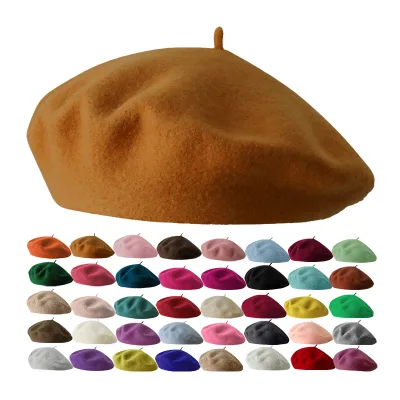
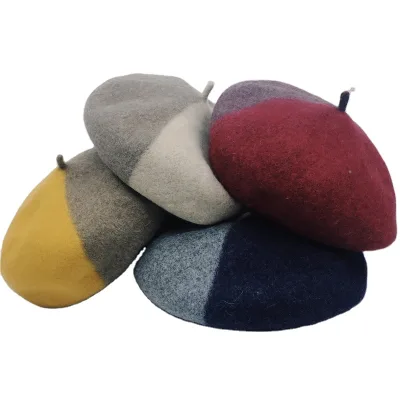
Wholesale Fashion Casual Berets High Quality 100% Wool French Beret Hat for Women
$1.7347 - $2.8732
MOQ: 50 pieces

FUZHOU SHOO-IN IMP & EXP CO., LTD.
- Verified by SGS
- Trading Company
- China Fujian
- Lead time15 days
- Avg. response≤ 6h
Main productsSports Wear, Promotional Gift, Lanyards, Badges, Caps, Sports Training Products, Sports Balls, Tennis Accessories, Golf Accessories, Pet Products
Main marketsEast Asia(Japan/ South Korea),North America

Hangzhou Ruihao Material Co., Ltd.
- Trading Company
- Zhejiang, China
- Lead time30 days
- Avg. response≤ 2h
Main productsHat & Caps,Clothes,Garment,kids clothes & toys
Main marketsNorth America(19.80%), Southeast Asia(11.60%), Central America(9.80%), Western Europe(9.80%), Africa(8.50%), Southern Europe(7.50%), Eastern Europe(6.20%), Northern Europe(5.80%), Oceania(5.20%), South America(4.90%), Eastern Asia(4.50%), Mid East(4.20%), South Asia(2.20%)
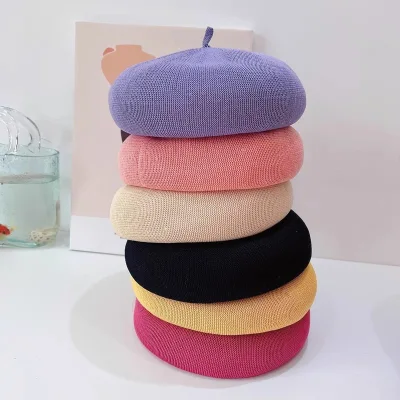
Wholesale Women Knit Adjustable Beret Fashion Solid Plain Cloud Thin Painter Caps
$1.9744 - $2.2859
MOQ: 10 pieces















Comprehensive Sourcing Guide
Mesh Ladies Beret Supplier Concentration and Factory Types
The current supplier landscape for mesh ladies berets reveals a distinct concentration in Zhejiang, China, a region widely recognized for its robust textile manufacturing infrastructure. This geographic clustering is not accidental but rather a result of decades of industrial development focused on apparel accessories, particularly hats and caps. When evaluating potential partners, buyers should note that the majority of results originate from this specific province, which suggests a mature supply chain ecosystem. This environment offers advantages in terms of raw material availability, skilled labor, and established logistics networks. However, the presence of suppliers in this region does not automatically guarantee superior quality or competitive pricing for every specific product type. Buyers must look beyond the location tag and assess the actual operational capabilities of each entity. The concentration in Zhejiang provides a baseline for comparison, allowing purchasers to benchmark lead times and response speeds against regional averages. Understanding this geographic context helps in predicting potential shipping durations and understanding the cultural nuances of business communication. It also aids in identifying whether a supplier is leveraging local economies of scale or if they are merely a trading entity with no direct factory ties.
Within this concentrated market, the supplier types vary significantly between manufacturers and trading companies. The data indicates that both entity types are present, each offering distinct advantages and drawbacks for sourcing mesh ladies berets. Manufacturers typically provide greater control over production processes, material sourcing, and customization options, which is crucial for products requiring specific technical specifications like mesh density or structural integrity. Trading companies, on the other hand, may offer a broader range of styles and lower minimum order quantities, acting as aggregators for multiple small factories. This distinction is vital for buyers who need to decide between direct factory engagement for large volumes or the flexibility of a trading partner for smaller, diverse orders. The company type also influences pricing structures, with manufacturers often having lower base costs but higher MOQs, while trading companies may include service fees but offer more flexible terms. Buyers should carefully review the company type listed for each supplier to align their procurement strategy with their specific business needs. Recognizing this dichotomy helps in setting realistic expectations regarding communication channels, production transparency, and cost structures. It also informs the due diligence process, as verifying a manufacturer’s physical plant requires different steps than validating a trading company’s supply chain relationships.
How to Verify Mesh Ladies Beret Suppliers
Verifying the legitimacy and capability of Mesh Ladies Beret suppliers requires a multi-layered approach that goes beyond surface-level profile information. One critical step is to assess the supplier’s response time, which serves as an indicator of their operational efficiency and customer service commitment. In the current dataset, response times are recorded, providing a quantitative metric for buyers to gauge how quickly they can expect communication during the negotiation and order placement phases. A faster response time often correlates with a more organized internal workflow, which is essential for managing complex orders involving custom designs or urgent deadlines. However, response speed alone is not a definitive proof of quality or reliability. Buyers should also look for evidence of established business practices, such as clear communication protocols and professional documentation. This includes reviewing how suppliers handle inquiries, their willingness to provide detailed product specifications, and their transparency regarding production capabilities. Engaging in preliminary discussions can reveal much about a supplier’s professionalism and their ability to meet specific requirements. It is advisable to ask targeted questions about their experience with mesh materials and their quality control procedures for beret construction.
Another essential verification method involves examining the supplier’s product portfolio and technical specifications in detail. The available data shows a variety of product attributes, including materials, techniques, and target demographics, which can help buyers assess a supplier’s expertise. For instance, some suppliers list specific fabric types like cotton or polyester, while others mention advanced techniques such as silk screen printing or hand embroidery. These details provide insight into the supplier’s technical capabilities and their ability to produce high-quality mesh ladies berets. Buyers should cross-reference these claims with actual product samples or detailed catalogs to ensure consistency. Additionally, checking for certifications or compliance with industry standards can provide further assurance of quality. While specific certification details may not be explicitly listed in all results, buyers should inquire about any relevant quality management systems or safety standards the supplier adheres to. This is particularly important for products intended for specific markets with strict regulatory requirements. By combining quantitative metrics like response time with qualitative assessments of product knowledge and technical expertise, buyers can build a more comprehensive picture of a supplier’s reliability. This holistic approach reduces the risk of partnering with entities that may lack the necessary infrastructure or commitment to deliver on their promises.
What to Compare Across Mesh Ladies Beret Suppliers
When comparing suppliers for mesh ladies berets, lead time is a pivotal metric that directly impacts inventory management and market responsiveness. The data indicates that lead times can vary, with some suppliers offering a thirty-day turnaround, which is a common benchmark in the apparel industry. Buyers must evaluate whether this timeframe aligns with their sales cycles and promotional calendars. A shorter lead time can be advantageous for responding to sudden market trends or restocking fast-moving items, but it may come at a higher cost or require stricter quality control measures. Conversely, longer lead times might allow for more thorough production processes but could result in missed opportunities if not planned correctly. It is crucial to clarify whether the stated lead time includes material sourcing, production, and shipping, or if it refers only to the manufacturing phase. Understanding these nuances helps in setting accurate expectations and avoiding delays. Buyers should also consider the supplier’s ability to handle rush orders and their historical performance in meeting deadlines. This information can often be gleaned from supplier profiles or through direct communication.
Minimum order quantity (MOQ) is another critical factor that influences the feasibility of sourcing from different suppliers. The observed MOQs range significantly, from as low as two pieces to one hundred or more, reflecting the diverse business models of the suppliers. For small businesses or those testing new markets, lower MOQs are essential for minimizing risk and inventory holding costs. Suppliers offering low MOQs may be trading companies or smaller manufacturers looking to attract a broader customer base. However, these lower quantities often come with higher per-unit prices, which buyers must factor into their overall cost analysis. On the other hand, suppliers with higher MOQs typically offer more competitive pricing, making them suitable for larger volume orders. Buyers should assess their own demand forecasts and financial capacity to determine the optimal MOQ range. It is also important to inquire about the possibility of negotiating MOQs, especially for first-time orders or custom designs. Some suppliers may be willing to accommodate lower quantities for a premium price or for repeat customers. By carefully comparing lead times and MOQs alongside pricing and product quality, buyers can identify suppliers that best fit their operational and financial constraints. This comparative analysis ensures that the chosen partner can support the buyer’s growth strategy without compromising on efficiency or cost-effectiveness.
Common Mesh Ladies Beret Sourcing Risks
One of the primary risks in sourcing mesh ladies berets is the potential discrepancy between product samples and bulk production quality. Mesh materials are particularly susceptible to variations in weave density, elasticity, and durability, which can significantly affect the final product’s appearance and functionality. Buyers must be vigilant in ensuring that the supplier maintains consistent quality standards throughout the production run. This requires clear communication of specifications and rigorous quality control checks at various stages of manufacturing. Without proper oversight, there is a risk of receiving batches with inconsistent mesh patterns, loose threads, or structural weaknesses. To mitigate this risk, buyers should request detailed technical specifications and insist on pre-production samples for approval. Additionally, implementing third-party inspection services can provide an objective assessment of quality before shipment. It is also advisable to establish clear acceptance criteria and penalties for non-compliance in the contract. This proactive approach helps in identifying and addressing quality issues early, preventing costly returns or customer dissatisfaction. Understanding the specific vulnerabilities of mesh materials allows buyers to tailor their quality control strategies effectively.
Another significant risk is the lack of transparency in the supply chain, particularly when dealing with trading companies or intermediaries. While trading companies can offer flexibility and a wider product range, they may obscure the true source of production, making it difficult to verify manufacturing practices and ethical standards. This opacity can lead to issues with labor conditions, environmental compliance, and material sourcing. Buyers should strive to understand the entire supply chain, from raw material procurement to final assembly. Requesting information about the actual manufacturing facilities and conducting site visits, if possible, can provide valuable insights into the supplier’s operations. Furthermore, buyers should be cautious of suppliers who are unwilling to provide detailed information about their production processes or who resist third-party audits. Establishing a relationship based on transparency and mutual trust is essential for long-term success. Buyers should also consider the potential for communication barriers and cultural differences, which can lead to misunderstandings and errors. Clear, documented communication and regular updates can help in managing these risks effectively. By anticipating and addressing these common pitfalls, buyers can build a more resilient and reliable sourcing strategy for mesh ladies berets.
Mesh Ladies Beret Regional Sourcing and Logistics
Sourcing mesh ladies berets from Zhejiang, China, offers distinct logistical advantages due to the region’s well-developed infrastructure and proximity to major ports. This geographic concentration facilitates efficient transportation of goods, reducing transit times and shipping costs for international buyers. The presence of numerous suppliers in this area creates a competitive environment that can drive down logistics expenses and improve service levels. Buyers should leverage this advantage by consolidating orders from multiple suppliers within the same region to optimize shipping efficiency. However, it is important to consider the potential for congestion during peak seasons, which can delay shipments and impact inventory availability. Planning ahead and maintaining open communication with suppliers and freight forwarders can help in mitigating these delays. Additionally, buyers should be aware of the specific export regulations and documentation requirements for apparel products, which can vary by destination country. Ensuring compliance with these regulations is crucial to avoid customs hold-ups and additional fees. Understanding the logistical landscape of Zhejiang allows buyers to make informed decisions about shipping methods and timing.
The choice of shipping method also plays a significant role in the overall cost and delivery timeline. For smaller orders or urgent requirements, air freight may be necessary, despite its higher cost, to ensure timely delivery. For larger, planned orders, sea freight offers a more cost-effective solution, albeit with longer transit times. Buyers should evaluate the trade-offs between speed and cost based on their specific needs and market demands. It is also advisable to consider the supplier’s experience with international shipping and their ability to handle customs clearance. Suppliers with a strong track record in export can provide valuable support in navigating complex logistics challenges. Furthermore, buyers should explore options for warehousing and distribution in their home country to reduce lead times for end customers. Establishing a robust logistics network can enhance customer satisfaction and competitive advantage. By carefully planning the logistics strategy and leveraging the regional advantages of Zhejiang, buyers can streamline their supply chain and improve overall operational efficiency. This strategic approach ensures that the sourcing process supports the buyer’s business goals without unnecessary complications or delays.
Mesh Ladies Beret Commercial Terms and Order Planning
Commercial terms such as pricing structures and payment conditions are fundamental to successful sourcing of mesh ladies berets. The data indicates a range of prices, with some products listed between three and four dollars per unit, reflecting variations in material quality, design complexity, and order volume. Buyers must analyze these prices in the context of their target retail margins and overall budget. It is important to clarify whether the quoted prices include packaging, labeling, and other value-added services. Hidden costs can significantly impact the final landed cost, so transparency in pricing is essential. Buyers should also inquire about volume discounts and the possibility of negotiating better terms for repeat orders. Establishing a clear understanding of the cost structure helps in making informed financial decisions and avoiding unexpected expenses. Additionally, buyers should consider the currency exchange rates and their potential impact on the final cost. Monitoring market
FAQs
What is the price range for berets from Zhejiang suppliers?
Beret prices from Zhejiang suppliers typically range from $1.45 to $4.90 per unit. Costs vary based on material, such as cotton, polyester, or rabbit hair. Minimum order quantities also influence the final price, with some suppliers requiring as few as two pieces while others demand 100 units for standard production runs.
What materials are commonly used for manufacturing berets?
Common materials include 100% cotton, 100% polyester, viscose fiber, and rabbit hair. Cotton options offer breathability, while polyester and non-woven fabrics provide durability. Viscose fiber is used for all-season wear, and rabbit hair adds a premium texture for autumn and winter fashion styles, catering to diverse buyer preferences.
What are the typical lead times for beret orders?
Typical lead times for beret orders are around 30 days. This duration allows for production, quality control, and preparation for shipment. Buyers should confirm specific timelines with suppliers, as complex designs or high-volume orders may require additional time to ensure quality standards are met before dispatch.
What is the minimum order quantity for berets?
Minimum order quantities vary significantly, ranging from 2 pieces to 100 units. Some suppliers offer low MOQs of 10 or 2 pieces for sampling or small batches. Larger orders often require 100 units. Buyers should check specific product listings to determine the exact MOQ applicable to their desired style and quantity.
What customization options are available for beret logos?
Custom logos are widely available through techniques like silk screen printing, heat-transfer printing, and embroidery. Buyers can choose from embossed or sublimation transfer prints. These methods allow for personalized branding on various materials, ensuring that the final product aligns with specific brand identities and design requirements for retail or promotional use.
Are needle detection services provided for beret products?
Yes, needle detection services are provided for certain beret products to ensure safety and quality. This process helps identify any metal fragments in the fabric, particularly important for items with embroidery or dense stitching. Buyers should verify if this service is included for their specific order to meet international safety standards.