Source Adjustable Nylon Mesh Camp Cap for sports, travel, and outdoor use
Find 30 Adjustable Nylon Mesh Camp Cap options with features like sun protection, quick dry, and breathable designs. Compare specifications, customization, and pricing from verified suppliers for sports, travel, and outdoor applications; compare the available evidence and request quotations based on your requirements.
Updated
Key considerations
Products List


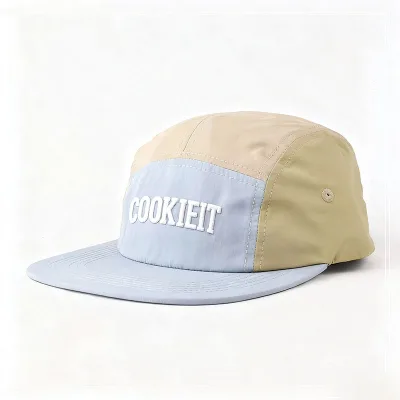
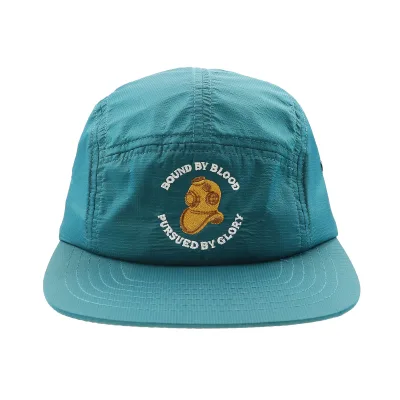


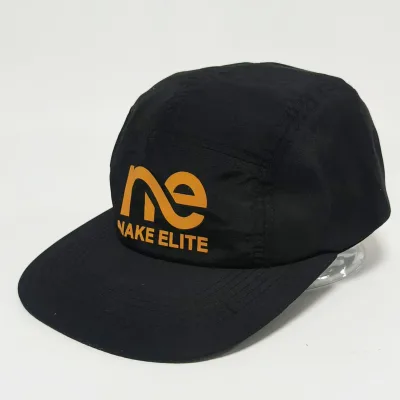
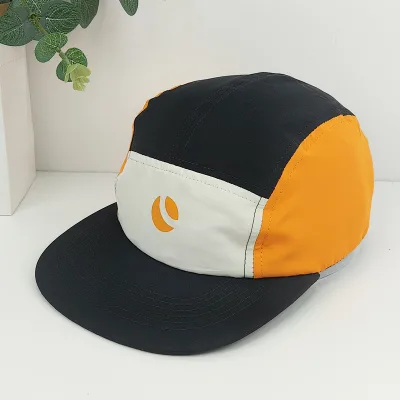
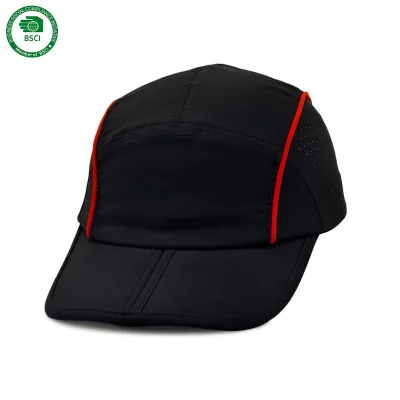


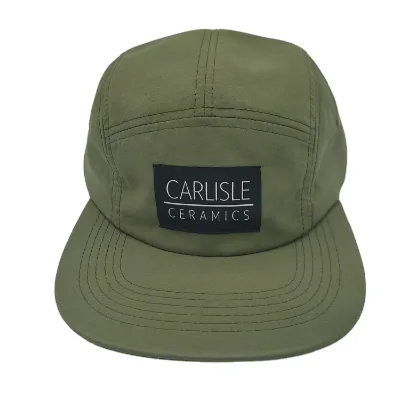

Comprehensive Sourcing Guide
Adjustable Nylon Mesh Camp Cap Sourcing Guide
Procuring adjustable nylon mesh camp caps requires a nuanced understanding of material performance and structural design, particularly when balancing breathability with durability. The core keyword highlights a specific construction method where mesh panels are integrated into the cap’s body to enhance airflow, a critical feature for warm-weather activities. Buyers must distinguish between full-mesh designs and those with partial mesh inserts, as the latter often provide better structural integrity for embroidered logos. The adjustable closure mechanism, typically a plastic snapback or metal buckle, must be tested for tensile strength to ensure it withstands repeated adjustment without deforming or breaking.
Sourcing decisions should also account for the intended use case, whether for promotional giveaways, sports teams, or outdoor retail. Promotional buyers often prioritize cost-efficiency and customization options, such as screen printing or embroidery, while performance-oriented buyers focus on moisture-wicking properties and UV resistance. The nylon mesh material offers a lightweight alternative to traditional cotton or polyester blends, making it suitable for high-activity environments. However, buyers must verify the mesh density and backing material to prevent sagging or loss of shape after washing. Understanding these material distinctions ensures that the selected cap meets both aesthetic and functional requirements for the target market.
Product Scope and Observed Listing Signals
The observed product landscape reveals a diverse range of camp caps, with prices ranging from $0.55 to $8.00 USD and minimum order quantities (MOQs) varying between 1 and 200 units. This wide price band suggests significant variation in material quality, customization complexity, and supplier scale. Listings frequently highlight features such as water resistance, quick-dry capabilities, and sun protection, which are essential for outdoor applications. Buyers should note that while many products claim to be adjustable, the specific mechanism and durability can vary widely, necessitating sample evaluation before bulk ordering. The presence of "With Brim" and "With Crown" attributes confirms the standard six-panel or five-panel construction typical of camp caps.
Color options are extensive, including yellow, white, red, purple, orange, green, gray, brown, blue, and black, allowing for versatile branding opportunities. Some listings specify "Plain Dyed" or "Sublimation Transfer Print" designs, indicating different customization techniques that affect lead times and cost. The observed models, such as CMP2507280001 and 25072205, suggest standardized SKUs that may offer faster turnaround times compared to fully custom designs. Buyers should pay attention to the "Panels" attribute, as sports 5-panel camp caps offer a different aesthetic and fit compared to traditional 6-panel structures. Understanding these listing signals helps in filtering suppliers based on specific product requirements and budget constraints.
Technical Specifications to Verify
Verifying technical specifications is crucial to ensure the cap meets performance expectations, particularly regarding material composition and construction quality. While some listings mention polyester/cotton blends or 100% polyester, buyers must confirm if the mesh component is indeed nylon, as specified in the core keyword. The head circumference range of 50-60cm and standard sizes of 54-58cm provide a baseline for fit, but adjustable closures must accommodate this range effectively. Buyers should request detailed material breakdowns to ensure the mesh is durable and does not tear easily, especially around the eyelets or ventilation points. The weight specification of 0.2kg per unit indicates a lightweight design, which is desirable for comfort during extended wear.
Customization options such as flat embroidery, 3D embroidery, and silk screen printing offer various branding methods, each with different durability and aesthetic outcomes. Buyers must verify the logo placement and size limits to ensure brand visibility without compromising the cap’s structure. The "Adjustable" feature is common, but the type of adjustment mechanism, whether plastic snapback or metal buckle, should be specified. Additionally, the "Foldable" attribute suggests portability, which is a key selling point for travel and outdoor use. Confirming these technical details through sample testing or detailed product sheets prevents discrepancies between ordered and delivered goods, ensuring consistent quality across the batch.
Compliance and Safety Documentation
Compliance and safety documentation are essential for ensuring that the camp caps meet regulatory standards in the target market, particularly regarding chemical safety and flammability. Buyers should request test reports for substances such as AZO dyes, formaldehyde, and heavy metals, which are commonly regulated in textile products. The "UV Resistant" and "Sun Protection" claims made by some suppliers should be backed by independent test results, such as UPF ratings, to validate performance claims. Without verified documentation, these claims may be misleading, potentially leading to customer dissatisfaction or regulatory issues. Buyers must ensure that the materials used, including the nylon mesh and any backing fabrics, are free from harmful chemicals.
Additionally, labeling requirements must be adhered to, including fiber content, country of origin, and care instructions. The "Polybag/ Carton" or "Paper Box" packing methods should be evaluated for their environmental impact and compliance with local waste regulations. Buyers should also verify that the supplier has the necessary certifications, such as ISO 9001 for quality management or OEKO-TEX for textile safety, although these are not explicitly mentioned in the provided facts. Ensuring that all documentation is up-to-date and accessible helps in mitigating risks associated with product liability and customs clearance. Proactive compliance checks streamline the import process and enhance brand credibility in competitive markets.
Cost Drivers and Commercial Terms
Cost drivers for adjustable nylon mesh camp caps include material selection, customization complexity, and order volume. The observed price range of $0.55 to $8.00 USD reflects these variables, with lower prices typically associated with simpler designs and higher MOQs. Customization methods such as 3D embroidery or sublimation printing can increase costs due to the specialized equipment and labor required. Buyers should negotiate based on volume tiers, as larger orders often qualify for significant discounts. The MOQ range of 1-200 units offers flexibility for small businesses and startups, but bulk buyers should aim for higher volumes to maximize cost efficiency.
Commercial terms such as payment methods, lead times, and shipping options also impact the total cost of ownership. Buyers should clarify whether prices include packaging, labeling, and any additional services like logo design. The sample date of 3-5 days indicates a relatively quick turnaround for prototypes, which is beneficial for rapid product development. However, bulk production lead times may vary, so buyers must confirm delivery schedules to align with market demands. Understanding these cost drivers and commercial terms allows for more accurate budgeting and negotiation, ensuring that the final procurement aligns with financial goals and project timelines.
Supplier Qualification and Quality Control
Supplier qualification is a critical step in ensuring the reliability and consistency of adjustable nylon mesh camp caps. Buyers should assess suppliers based on their production capacity, quality control processes, and past performance. Requesting references or case studies can provide insights into the supplier’s ability to meet deadlines and maintain quality standards. The "Customization: Available" attribute suggests flexibility, but buyers must verify the supplier’s capability to handle complex designs without compromising quality. Conducting factory audits or third-party inspections can help identify potential issues in production lines and material handling.
Quality control measures should include pre-production samples, in-line inspections, and final random inspections. Buyers should define clear acceptance criteria for defects such as stitching errors, color mismatches, or structural weaknesses. The "Washable" and "Breathable" features must be tested to ensure they withstand repeated use and laundering. Establishing a robust quality control protocol helps in minimizing defects and returns, protecting the brand’s reputation. Regular communication with the supplier regarding quality expectations and feedback loops ensures continuous improvement and alignment with buyer requirements, fostering a long-term partnership based on trust and reliability.
Long-Term Procurement Checks
Long-term procurement checks involve monitoring supplier performance, market trends, and product lifecycle to ensure sustained value. Buyers should regularly review supplier metrics such as on-time delivery rates, defect rates, and responsiveness to issues. Establishing key performance indicators (KPIs) helps in objectively evaluating supplier contributions to the supply chain. Additionally, staying informed about material innovations and design trends can provide competitive advantages, such as introducing new colors or features that resonate with consumers. The "Season: Winter, Summer, Spring/Autumn" attribute indicates versatility, but buyers should assess seasonal demand fluctuations to optimize inventory levels.
Continuous improvement initiatives, such as cost reduction strategies or sustainability enhancements, should be discussed with suppliers to align with evolving market expectations. Buyers should also consider the environmental impact of packaging and materials, exploring options for recyclable or biodegradable alternatives. Regularly updating product specifications based on customer feedback and market analysis ensures that the camp caps remain relevant and desirable. By maintaining a proactive approach to procurement, buyers can mitigate risks, enhance supply chain resilience, and drive long-term business growth in the competitive headwear market.
FAQs
Can I customize the logo on adjustable nylon mesh camp caps?
Yes, customization is available for the entire hat, including custom embroidered or printed logos. You can choose from flat embroidery, 3D embroidery, sublimation transfer print, or silk screen printing. These options allow for detailed branding on the crown or brim, ensuring your corporate identity is clearly displayed on the final product.
What materials are used for adjustable camp caps?
Manufacturers offer caps made from 100% polyester, 100% cotton, or a polyester/cotton blend. These materials provide different textures and durability levels. The polyester options often feature quick-dry and moisture-wicking properties, while cotton blends offer a classic soft feel. All materials support various printing and embroidery techniques for custom designs.
What special features do these camp caps offer?
These caps feature sun protection, UV resistance, and breathability for comfort in warm weather. They are also lightweight, foldable, and water-resistant. Additional benefits include being washable, antimicrobial, and adjustable for a secure fit. These features make them suitable for outdoor sports, travel, and casual daily wear in various seasons.
What sizes are available for adjustable camp caps?
Standard head circumferences range from 50-60cm, with specific standards listed as 54-58cm. The adjustable design ensures a comfortable fit for most adults. This flexibility accommodates different head sizes without requiring multiple specific size orders, making it easier to manage inventory and distribute caps to diverse teams or customers.
What are the packaging options for bulk orders?
Products are typically packed in polybags or cartons for standard shipping. Some premium options may come in individual paper boxes. These packaging methods protect the caps during transit and storage. The choice depends on your specific requirements for presentation and logistics, ensuring the items arrive in good condition for retail or promotional use.
How long does it take to get a sample?
Sample production typically takes 3-5 days. This quick turnaround allows you to verify quality, fit, and customization details before placing a large order. Once the sample is approved, the manufacturing process for bulk orders can begin. This step ensures that the final products meet your specific design and material expectations.