Source Winter Warm Baby Knitted Cap for Skiing, Travel, and Daily Wear
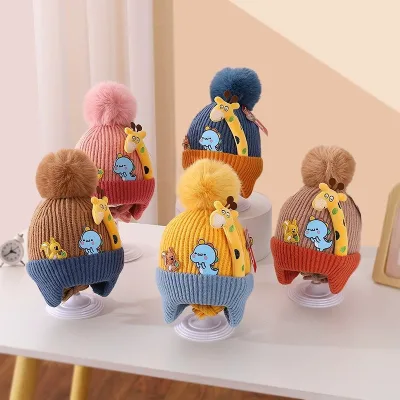
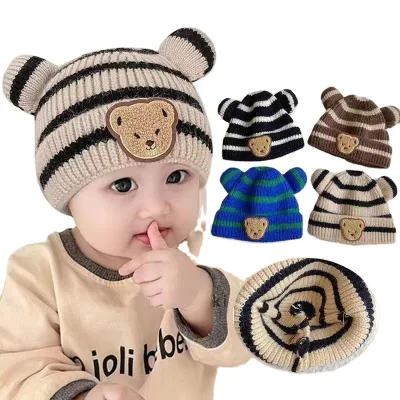
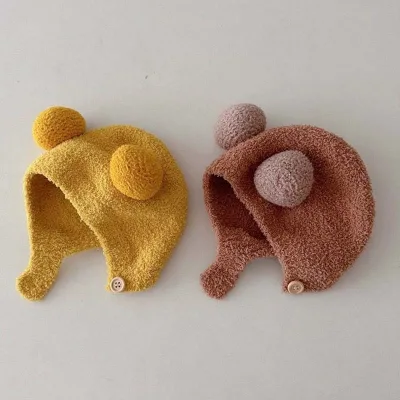
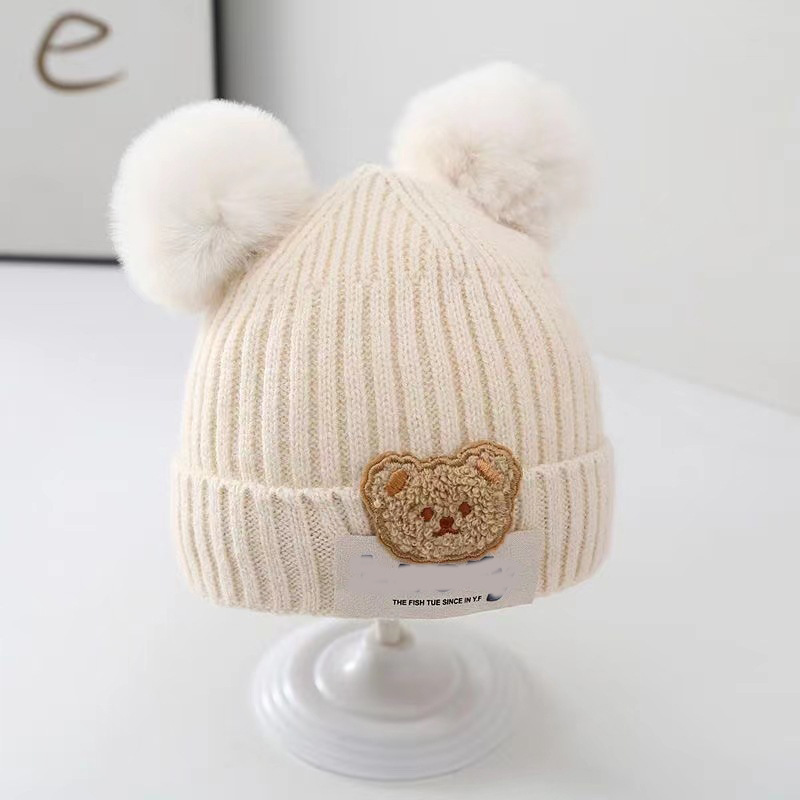
Explore 30 options for the Winter Warm Baby Knitted Cap with customizable features like size, pattern, and material. Buyers can compare specifications including head circumference, knitting techniques, and packaging details to find suitable suppliers for children's winter headwear; compare the available evidence and request quotations based on your requirements.
Updated
Key considerations
Products List


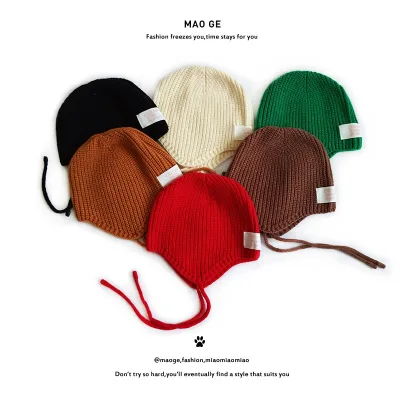
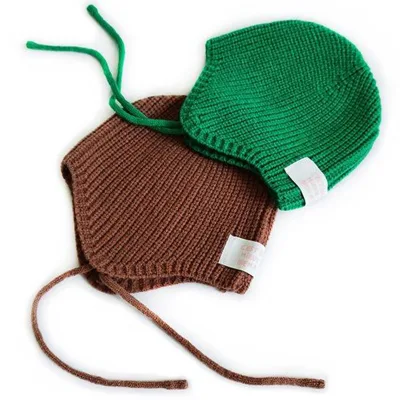


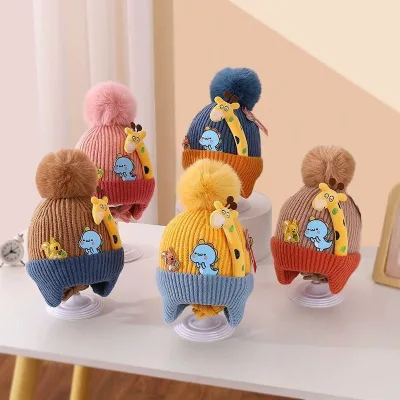
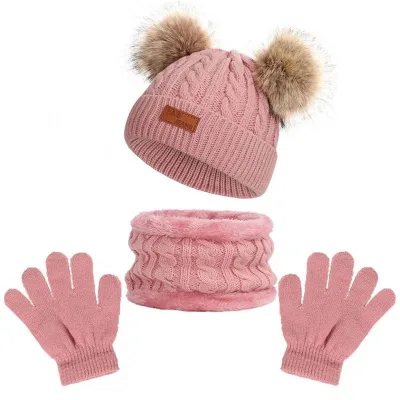
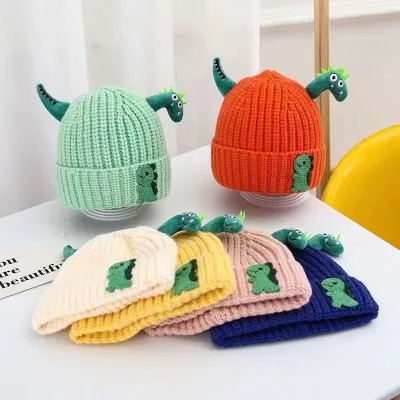


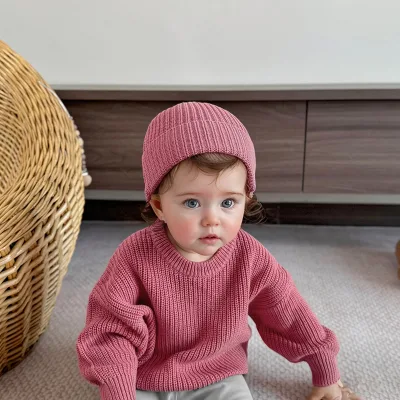
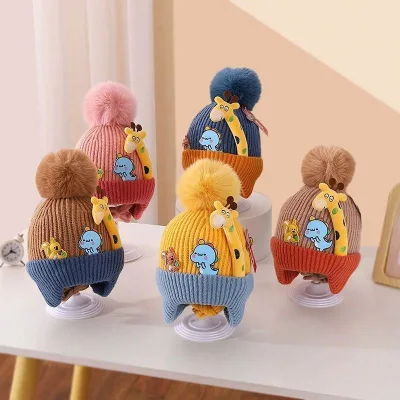
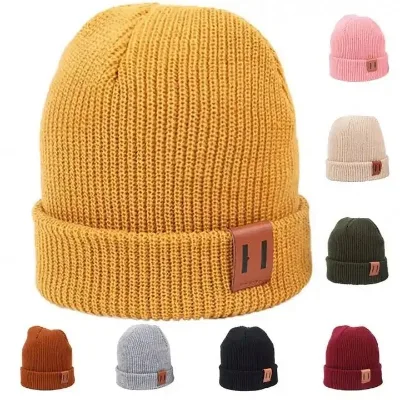


Comprehensive Sourcing Guide
Winter Warm Baby Knitted Cap Sourcing Guide
Sourcing winter warm baby knitted caps requires a careful balance of material safety, thermal performance, and aesthetic customization. Buyers must navigate a market where products are often listed with broad attributes, ranging from specific head circumferences to diverse pattern types. The core challenge lies in verifying that the "long life" and "eco-friendly" claims align with actual material composition, particularly when the product is described as 100% acrylic or knit fabric. Procurement teams need to establish clear specifications early to avoid mismatches between the desired casual style and the technical requirements for infant wear.
This guide focuses on the critical decision points for importing these items, emphasizing the verification of technical specifications and compliance documentation. Since the observed listings indicate a wide range of customization options, including OEM branding and custom patterns, buyers must define their quality thresholds before engaging with suppliers. The goal is to ensure that the final product meets safety standards for children while delivering the expected warmth and durability for outdoor and daily use.
Product Scope and Observed Listing Signals
The observed market signals indicate a diverse product range, with listings featuring attributes such as "100% Acrylic" material and "Knit" construction. Buyers should note that while some products are explicitly labeled for children, others may have broader age groupings or unverified demographic targeting. The presence of features like "Earflap" designs and "Casual" styles suggests a focus on practical warmth, yet the material composition must be rigorously checked to ensure it meets the softness and breathability requirements for infant skin. The variation in listed head circumferences, from 48-50cm to over 62cm, highlights the need for precise sizing charts to prevent fit issues.
Listing signals also reveal a strong emphasis on customization, with attributes like "Custom Pattern Accepted" and "OEM/ODM" services prominently displayed. This indicates that suppliers are equipped to handle branded orders, but buyers must verify the minimum order quantities and sample times, which are observed to be around 1-3 days for samples. The diversity of pattern types, including solid colors, animal prints, and geometric designs, offers significant marketing flexibility. However, procurement teams must ensure that the "Plain Dyed" or "Custom Pattern" options do not compromise the integrity of the knit structure or the safety of the dyes used.
Technical Specifications to Verify
Technical verification must begin with the material composition, as listings vary between "100% Acrylic" and generic "Knit" descriptions. Buyers should request detailed fiber content reports to confirm the absence of harmful substances and to ensure the yarn provides adequate insulation without causing overheating. The "Long Life" attribute suggests durability, but this must be validated through pilling resistance tests and colorfastness checks, especially given the "Eco-Friendly" claims. Understanding the specific knitting technique, whether it is "Jacquard," "Flat Knitted," or "Hand Knitted," is crucial for assessing the cap’s structural integrity and thermal retention capabilities.
Head circumference and fit are critical technical parameters, with observed ranges spanning from 48-50cm to adjustable sizes over 62cm. Buyers must verify that the "Adjustable" features, if present, do not introduce small parts that pose a choking hazard for babies. The "Single gross weight" observations vary significantly, indicating differences in material density and construction thickness. Procurement teams should request physical samples to assess the hand feel and elasticity, ensuring that the cap stays securely on the baby’s head without being too tight. Additionally, the "Needle detection: Yes" attribute is a positive signal, but independent verification of this process is recommended to ensure no metal fragments remain in the final product.
Compliance and Safety Documentation
Safety compliance is paramount for baby apparel, and buyers must ensure that suppliers provide comprehensive documentation. This includes certificates of conformity for flammability, chemical safety, and physical/mechanical properties. The "Needle detection" attribute suggests a basic quality control measure, but it does not replace the need for third-party lab testing. Buyers should verify that the products meet the specific regulatory requirements of their target markets, such as CPSIA in the United States or EN 71 in Europe, particularly regarding small parts and sharp points.
Chemical safety is another critical area, especially given the "Eco-Friendly" claims and the use of various printing methods like "Sublimation" or "Digital Printing." Buyers must request test reports for azo dyes, formaldehyde, and heavy metals to ensure the materials are safe for infant contact. The "Custom Pattern Accepted" feature introduces additional risks, as custom dyes and inks may not be subject to the same rigorous testing as standard colors. Procurement teams should insist on pre-production sample approvals that include chemical testing to prevent non-compliant batches from entering the supply chain.
Cost Drivers and Commercial Terms
Cost drivers for winter warm baby knitted caps include material selection, customization complexity, and order volume. The observed price range of $0.58 to $10 USD reflects significant variation based on these factors. Buyers should understand that "100% Acrylic" caps may be more cost-effective than natural fiber alternatives, but the price can increase with complex knitting techniques like "Jacquard" or "3D" embroidery. The "Low Price" advantage mentioned in some listings should be balanced against the potential for lower quality materials or reduced safety testing.
Commercial terms such as MOQ and lead times are also key cost factors. The observed MOQ of 100PCS per style/color allows for smaller initial orders, reducing inventory risk. However, buyers should negotiate for volume discounts as order quantities increase. The "Sample Time" of 1-3 days is efficient, but production lead times can vary based on the complexity of the "Custom Package" and printing methods. Procurement teams should clarify all shipping terms and payment conditions to avoid hidden costs, ensuring that the final landed cost aligns with their budget expectations.
Supplier Qualification and Quality Control
Supplier qualification requires a thorough assessment of manufacturing capabilities and quality control processes. Buyers should verify that the supplier has experience in producing baby apparel, as this involves stricter safety standards than adult wear. The "OEM/ODM" capability indicates flexibility, but buyers must ensure that the supplier has a robust QC system in place. This includes in-line inspections during production and final random inspections before shipment. The "Needle detection" process should be documented and verified through regular audits.
Quality control should also focus on consistency in sizing and color. The observed head circumference ranges and pattern types suggest a high degree of customization, which can lead to variability if not tightly controlled. Buyers should request detailed inspection reports and photos of the production line to assess the supplier’s commitment to quality. Additionally, verifying the supplier’s ability to handle "Custom Package" requirements ensures that the final product is presented professionally. Establishing a clear communication channel for addressing defects and returns is essential for maintaining a reliable supply chain.
Long-Term Procurement Checks
Long-term procurement success depends on continuous monitoring of supplier performance and market trends. Buyers should regularly review supplier quality metrics, including defect rates and compliance test results, to ensure ongoing adherence to safety standards. The dynamic nature of fashion trends, with patterns ranging from "Animal" to "Geometric," requires suppliers to be agile in their production processes. Procurement teams should maintain a diversified supplier base to mitigate risks associated with single-source dependencies.
Additionally, buyers should stay informed about changes in regulatory requirements and material innovations. The "Eco-Friendly" attribute may become a more significant differentiator in the future, so suppliers who invest in sustainable materials and processes may offer better long-term value. Regular communication with suppliers about product feedback and market demands can help in refining specifications and improving product quality. By maintaining a proactive approach to supplier management, buyers can ensure a steady supply of high-quality winter warm baby knitted caps that meet both safety and style expectations.
FAQs
Can I customize the size and pattern of the Winter Warm Baby Knitted Cap?
Yes, you can customize the size and pattern. The product offers customized head circumferences ranging from 48 to over 62 cm. You may also select from various patterns including solid, animal, or custom designs to meet your specific requirements.
What is the minimum order quantity for these knitted caps?
The minimum order quantity is 100 pieces per style and color. This MOQ applies to the Winter Warm Baby Knitted Cap. Buyers should plan their orders accordingly to ensure they meet the required quantity threshold for production.
How long does it take to receive a sample of the cap?
It takes one to three days to receive a sample. This sample time applies to the Winter Warm Baby Knitted Cap. Buyers can expect a quick turnaround for initial product evaluation before proceeding with a larger bulk order.
Which materials are used to make the Winter Warm Baby Knitted Cap?
The cap is made from 100% acrylic material. This material ensures warmth and durability for winter use. The product is designed as a new item suitable for children and features a long life span for repeated use.
What printing methods are available for adding logos to the cap?
Multiple printing methods are available including embroidery, transfer printing, and screen printing. You can choose from options like sublimation, digital, or puff printing. These methods allow for custom logo application on the Winter Warm Baby Knitted Cap.
Where are the winter warm baby knitted caps manufactured?
The caps are manufactured in China, specifically in Ningbo and Zhenjiang. These locations serve as the place of origin for the product. Buyers can expect goods to be sourced from these established manufacturing regions in Jiangsu.
Can the product be customized with my own brand logo?
Yes, the product supports OEM and ODM services with custom logo options. You can add your brand name or logo via embroidery or labeling. This customization is available for the Winter Warm Baby Knitted Cap to meet your branding needs.