Hand Embroidery Wool Tactical Beret Suppliers and Manufacturers
Source Hand Embroidery Wool Tactical Beret from 25 verified suppliers. Compare response times, lead times, and MOQs to find the right partner. Review sample processing capabilities and location details to streamline your procurement process; review the available evidence before requesting comparable quotations from suitable candidates.
Updated
Suppliers List
Nanjing Kango Outdoor Products Co., Ltd.
- Verified by TüVRheinland
- Trading Company
- Lead time20 days
- Avg. response≤ 3h
Main productsCombat Uniform, Tactical Rucksack, Camping Bed, Raincoat, Camouflage Sleeping Bag
Main marketsNorth America(35%), Mid East(30%), Western Europe(20%)

Wuhan Corhunter Garment Co., Ltd.
- Verified by BV
- Combined
- China Hubei
- Lead time15 days
- Avg. response≤ 11h
Main productsUniform, Jacket, Shirt, Pants, Shorts, Boots, Gloves, Hat, Belt, Camouflage Uniform
Main marketsAfrica,Southeast Asia/ Mideast,North America


Factory Custom Outdoor Safe Wool Beret Hats Embroidered Men Black Tactical Wool Beret
$1.97 - $4.00
MOQ: 50 Pieces


Nanjing Kango Outdoor Products Co., Ltd.
- Verified by TUVRHEINLAND
- Trading Company
- China Jiangsu
- Lead time30 days
- Avg. response≤ 6h
Main productsTactical Uniform, Tactical Vest, Sleeping Bag, Anti Roit Item, Tactical Boots, Tactical Backpack, Tactical Raincoat, Woobie Hoodie, Poncho Liner
Main marketsSouth America,Africa,Others(foreignTradeCapacity.exportBusinessCapacityMarketOther),Southeast Asia/ Mideast,East Asia(Japan/ South Korea),Europe,Australia,North America

Kango Multi-Color Wool Tactical Berets for Officers Tactical Style Soldier Beret
$2.70 - $4.25
MOQ: 50 Pieces

Kango Tactical Berets for Officers Wool Official Tactical Uniform Beret Hats
$2.70 - $4.25
MOQ: 50 Pieces

Kango Tactical Berets for Officers Classic Beret Tactical Style Soldier Beret
$2.70 - $4.25
MOQ: 50 Pieces


Yuemai Outdoor & Camping Co., Ltd.
- Manufacturer/Factory
- China Jiangsu
- Lead time90 days
- Avg. response≤ 7h
Main productsTactical Vest, Body Armor Vest, Military Backpack, Tactical Clothing, Police Equipment, Outdoor, Tactical Gears, Army Rainwears, Airsoft and Paintball Articles, Army Uniforms
Main marketsEastern Europe,Mid East,North America,Southeast Asia,Western Europe,Africa


Wholesale High Quality Outdoor Training Wool Men's Solid Color Beret Hat
$3.16 - $3.89
MOQ: 200 Pieces

China Xinxing Shanghai Import and Export Co., Ltd.
- Verified by TUVRHEINLAND
- Trading Company
- China Shanghai
- Lead time15 days
- Avg. response≤ 7h
Main productsAnti-Riot Suit
Main marketsSouth America,Africa,Southeast Asia/ Mideast,Europe
China Xinxing Xiamen Import And Export Co., Ltd.
- Trading Company
- Lead time旺季: "1 - 1000":35,"> 1000":"To be negotiated", 淡季: "1 - 1000":35,"> 1000":"To be negotiated"
- Avg. response≤ 10h
Main productsTactical Uniform, Tactical Boots, Tactical Bag, Tactical Vest, Tactical Accessories

Wuhan TACEAG Garment Co., Ltd.
- Verified by SGS
- Trading Company,Manufacturer/Factory
- China Hubei
- Lead time23 days
- Avg. response≤ 10h
Main productsUniform, Jacket, Shirt, Pants, Shorts, Boots, Gloves, Hat, Belt, Shoes
Main marketsSouth America,Eastern Europe,Mid East,North America,Southeast Asia,Eastern Asia,Oceania,Western Europe,Africa

Factory Custom Outdoor Safe Wool Beret Hats Embroidered Men Black Tactical Wool Beret
$2.80 - $5.00
MOQ: 50 Pieces

Men's Special Forces Combat Leather Edging Wool Sticky European-American Beret
$2.57 - $4.50
MOQ: 50 Pieces


Wool Beret Hat Custom Solid Color Classic Beret for Fashion & Outdoor Use
$3.30 - $4.30
MOQ: 100 Pieces

Wool Beret Men's Security Fur Hat Special War Peacekeeping Beret Wholesale
$3.20 - $4.80
MOQ: 200 Pieces

Factory Direct Sale Autumn and Winter Wool Berets Green Woolen Berets Customization
$3.20 - $4.80
MOQ: 200 Pieces
Guangzhou Huasta Industrial Co., Ltd.
- Trading Company, Distributor/Wholesaler, Other
- Guangdong, China
- Lead time30 days
- Avg. response≤ 2h
Main productsTACTICAL UNIFORM,TACTICAL VEST,TACTICAL BOOTS,OUTDOOR GEAR,LEATHER BELT
Main marketsAfrica(20.00%), South America(20.00%), Western Europe(20.00%), Mid East(15.00%), Eastern Europe(15.00%), North America(10.00%)

China Xinxing Xiamen Imp. & Exp. Co., Ltd.
- Verified by TUVRHEINLAND
- Trading Company
- China Fujian
- Lead time30 days
- Avg. response≤ 17h
Main productsBulletproof Vest, Ballistic Helmet, Police Uniform, Military Uniform, Body Armor, Army Uniform, Tactical Vest
Main marketsAfrica,North America


2026 Custom Colorful Women Embroidered Berets Wool Hat Tactical Caps Berets
$1.50 - $1.85
MOQ: 1000 Pieces

High Quality Black Tactical Beret 100% Wool Tactical Beret for Mens Women
$1.50 - $1.85
MOQ: 1000 Pieces

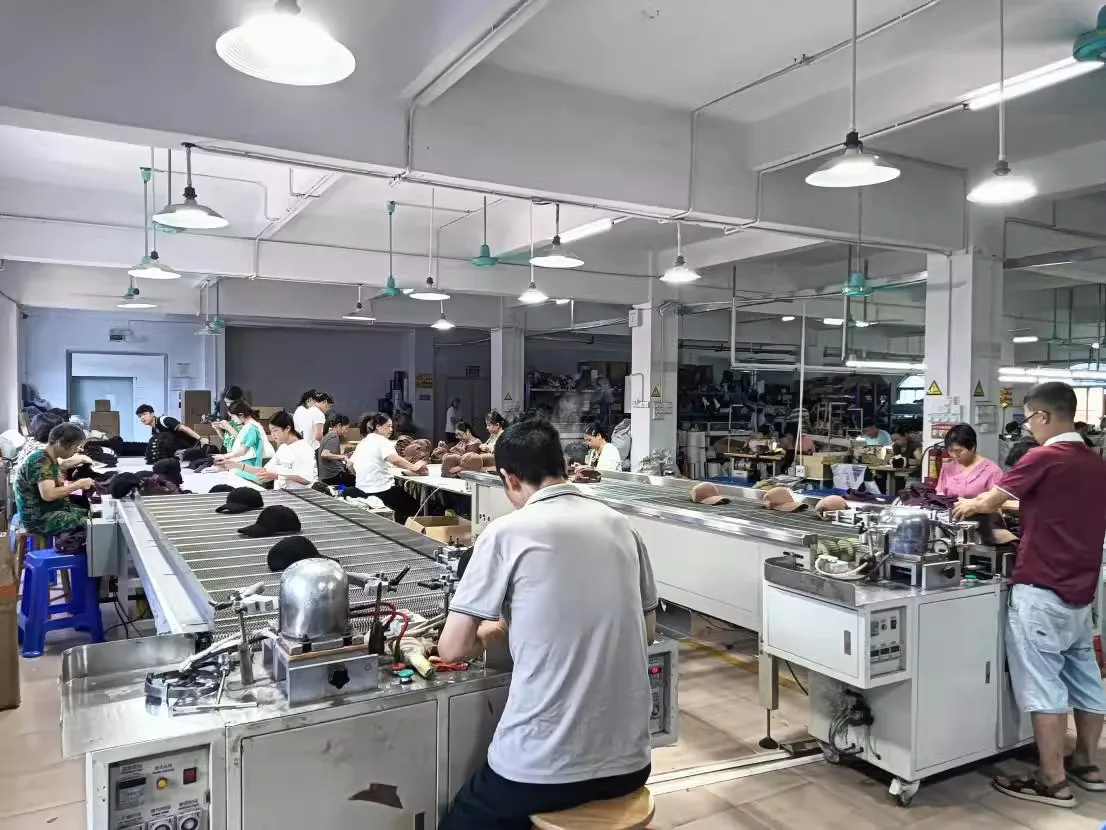
Ningbo Feinade Electrical Appliance Co., Ltd.
- Manufacturer, Trading Company
- Zhejiang, China
- Lead time30 days
- Avg. response≤ 2h
Main productsBaseball caps,Beanies,Straw hats,Backpacks,Shoulder bags
Main marketsEastern Europe(40.00%), North America(30.00%), Domestic Market(10.00%), Southeast Asia(4.00%), Southern Europe(3.00%), Eastern Asia(3.00%), Northern Europe(2.00%), Mid East(2.00%), South America(1.00%), South Asia(1.00%), Oceania(1.00%), Africa(1.00%), Central America(1.00%), Western Europe(1.00%)
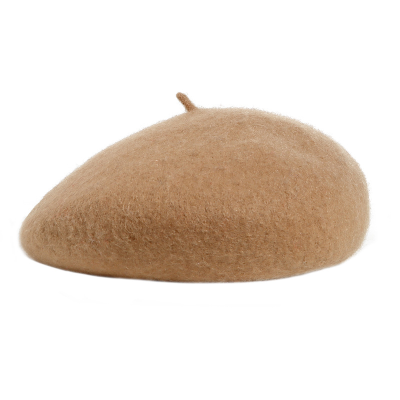
Autumn and Winter Big Brim Three-dimensional Wool Beret Cute Woolen Warm Beret
$5.90 - $6.20
MOQ: 10 pieces
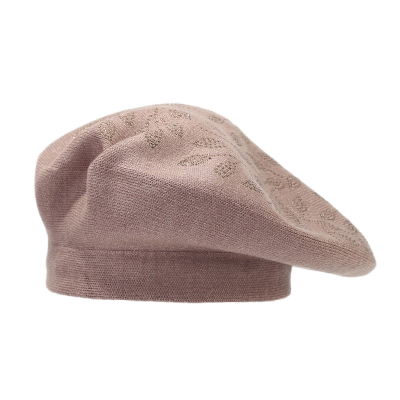
New Hot Diamond Knitted Beret Literary Retro Autumn and Winter Solid Color Fashion Beret
$2.50 - $3.00
MOQ: 10 pieces


Jingjiang Dengtu Outdoor Equipment Co., Ltd
- Verified by SGS
- Trading Company
- China Jiangsu
- Lead time15 days
- Avg. response≤ 4h
Main productsSelf Defense Equipment, Outdoor Products, Tactical Equipment, Metal Tool, Flashlight, Detector, Sport Equipment, Keychain Kit Crafts, Security Equipment, Traffic Equipment
Main marketsEurope,North America

Factory Custom Double Safe Source Hats Outdoor Embroidered Tactical Wool Beret
$2.00 - $3.00
MOQ: 100 Pieces

Wholesale 100% Wool Beret Lightweight Embroidered Beret for Men Outdoor Combat
$2.00 - $3.00
MOQ: 100 Pieces

Lightweight Casual Style Warm French Beret Hat Solid Color Classic Wool Beret
$2.00 - $3.00
MOQ: 100 Pieces
Baoding Sean Import And Export Trade Co., Ltd.
- Verified by TüVRheinland
- Manufacturer, Trading Company
- Lead time45 days
- Avg. response≤ 2h
Main productsHats & Cap, T-shirt, Hoodies, Handbags, Gloves
Main marketsNorth America(63%), Eastern Europe(8%), Oceania(8%)

Shanghai China Best Source Industrial Development Co., Ltd.
- Trading Company,Manufacturer/Factory
- China Shanghai
- Lead time45 days
- Avg. response≤ 7h
Main productsMilitary & Police, Security, Camouflage Net, Hunting, Outdoor, Backpack, Uniform, Cap, Clothing, Boots
Main marketsSouth America,Eastern Europe,Mid East,North America,Southeast Asia,Eastern Asia,Oceania,Western Europe,Africa

(CB30104N) Wool Navy Air Force Commando Un Combat Tactical Camouflage Beret
$0.50 - $2.00
MOQ: 1000 Pieces

(CB30104O) Wool Navy Air Force Commando Soldier Un EU Combat Tactical Beret
$0.50 - $2.00
MOQ: 1000 Pieces

(CB30104M) Wool Navy Air Force Commando Soldier Un Combat Tactical Beret
$0.50 - $2.00
MOQ: 1000 Pieces

(CB30104B) Wool Navy Air Force Commando Soldier Un EU Combat Tactical Beret
$0.50 - $2.00
MOQ: 1000 Pieces

(CB30104D) Wool Navy Air Force Commando Soldier Un EU Combat Tactical Beret
$0.50 - $2.00
MOQ: 1000 Pieces

China Xinxing Shanghai Import And Export Co., Ltd.
- Trading Company
- Shanghai, China
- Lead time30 days
- Avg. response≤ 4h
Main productsBullet Proof Vest,Bullet Proof Helmet,Bullet Proof Plate,Ballistic Material,Bullet Proof Shield
Main marketsSouthern Europe(20.00%), Africa(20.00%), Eastern Europe(20.00%), Central America(20.00%), Western Europe(10.00%), South America(10.00%)

Hubei Jinzhuo Import And Export Co., Ltd.
- Trading Company
- Hubei, China
- Lead time20 days
- Avg. response≤ 3h
Main productstactical boots,Outdoor products,safety protection,Camouflage net
Main marketsDomestic Market(80.00%), Africa(10.00%), Southeast Asia(5.00%), South Asia(3.00%), Northern Europe(2.00%)

FUZHOU SHOO-IN IMP & EXP CO., LTD.
- Verified by SGS
- Trading Company
- China Fujian
- Lead time15 days
- Avg. response≤ 6h
Main productsSports Wear, Promotional Gift, Lanyards, Badges, Caps, Sports Training Products, Sports Balls, Tennis Accessories, Golf Accessories, Pet Products
Main marketsEast Asia(Japan/ South Korea),North America

Custom Embroidered Logo Patch Beret for Men Tactical Wool Training Beret
$3.56 - $4.86
MOQ: 1000 Pieces


Customized High Quality 100% Wool Beret Caps Tactical Beret Security Hat
$3.56 - $4.86
MOQ: 1000 Pieces


- Trading Company
- Zhejiang, China
- Lead time10 days
- Avg. response≤ 4h
Main productsHats & Caps,Fashion accesory,Scarves & bandana,Gloves,Keychains
Main marketsSouth America(30.00%), Southeast Asia(30.00%), North America(30.00%), Western Europe(10.00%), Southern Europe(10.00%), Northern Europe(10.00%), Eastern Europe(10.00%), Domestic Market(5.00%), South Asia(5.00%), Eastern Asia(2.00%), Mid East(2.00%)

Zhongshan Senwei New Materials Co., Ltd
- Verified by CTI
- Trading Company,Manufacturer/Factory
- China Guangdong
- Lead time23 days
- Avg. response≤ 4h
Main productsMedals, Coins, Keychains, Enamel Pins, Bag Hangers, Book Marks, Lanyards, Embroidery Patches, Woven Patches, Caps
Main marketsSouth America,Eastern Europe,Mid East,North America,Southeast Asia,Eastern Asia,Oceania,Western Europe,Africa
China Xinxing Xiamen Import And Export Co., Ltd.
- Verified by TüVRheinland
- Trading Company
- Lead time30 days
- Avg. response≤ 10h
Main productsMilitary Uniform, Ballistic Items, Riot Gears, Military Boots
Main marketsAfrica(40%), Mid East(20%), Western Europe(20%)
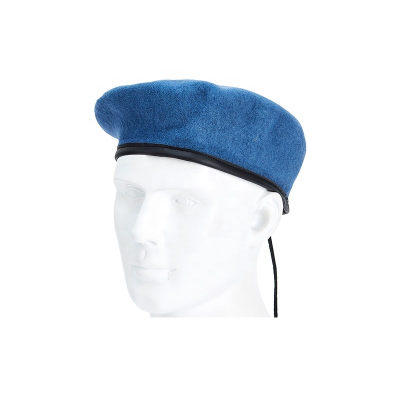
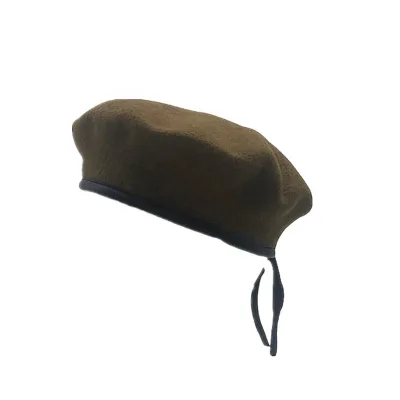
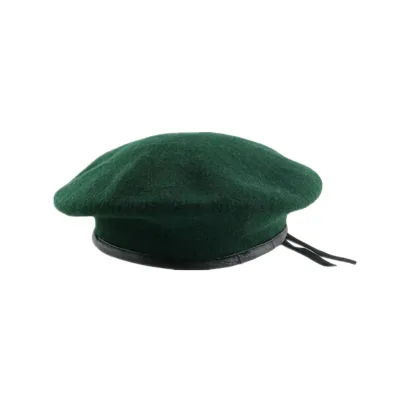
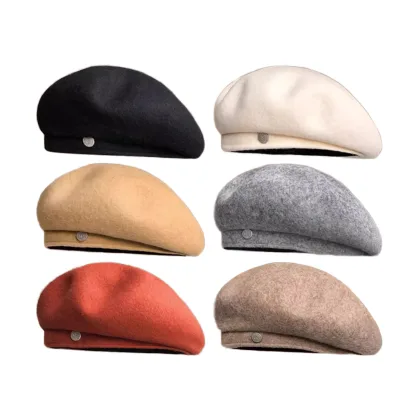
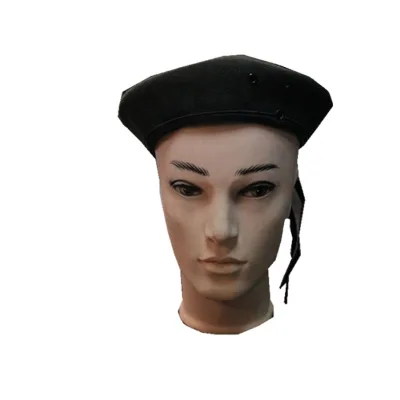
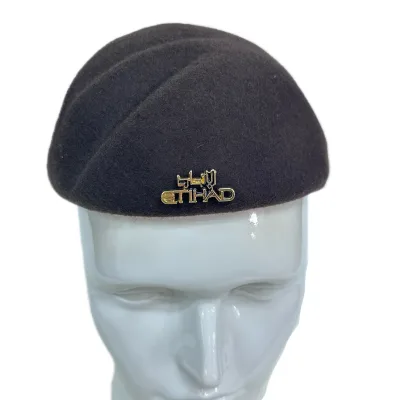
$4.2603 - $4.6753
MOQ: 500 pieces

- Manufacturer, Trading Company
- Zhejiang, China
- Lead time15 days
- Avg. response≤ 2h
Main productsBaseball Cap, Trucker Hat, Beanie Hat, T Shirt, Hoodies
Main marketsNorth America(30.00%), South America(30.00%), Eastern Europe(10.00%), Oceania(5.00%), Western Europe(5.00%), Africa(5.00%), Mid East(5.00%), Southeast Asia(5.00%), South Asia(1.00%), Eastern Asia(1.00%), Southern Europe(1.00%), Central America(1.00%), Northern Europe(1.00%)

Guangzhou Ouzun Clothing Co., Ltd.
- Verified by CTI
- Combined
- China Guangdong
- Lead time23 days
- Avg. response≤ 2h
Main productsUniforms, Pants, Suits&Blazer, T Shirt, Polo Shirt, Sportswear, Jacket, Hoodies&Sweatshirts
Main marketsDomestic

Men's Tactical Beret with Unit Patch Loop and Wool Blend Construction Beret
$1.99 - $3.99
MOQ: 100 Pieces

2026 New Arrival French Classic Wool Beret with Soft Comfortable Fit for Women and Men Beret
$1.99 - $3.99
MOQ: 100 Pieces
Jiangxi Province Dongpeng Shoes Co., Ltd.
- Manufacturer, Trading Company
- Jiangxi, China
- Lead time30 days
- Avg. response≤ 10h
Main productsSafety Shoes,Outdoor Boots,Firefighting Boots,EVA clogs,PVC gumboots
Main marketsDomestic Market(30.00%), Southeast Asia(10.00%), North America(10.00%), South America(10.00%), Southern Europe(5.00%), Western Europe(5.00%), Eastern Europe(5.00%), Northern Europe(5.00%), Oceania(5.00%), Africa(5.00%), Central America(3.00%), South Asia(3.00%), Eastern Asia(2.00%), Mid East(2.00%)

Shanghai Claymore Industrial Co., Ltd.
- Trading Company,Manufacturer/Factory
- China Shanghai
- Lead time45 days
- Avg. response≤ 8h
Main productsMilitary Uniform, Body Armor, Combat Packs, Tent, Helmet, Camping, Knit Clothing, Boot, Belt, Military Caps
Main marketsSouth America,Eastern Europe,Mid East,North America,Southeast Asia,Eastern Asia,Oceania,Western Europe,Africa
Shenzhen Gh Caps & Hats Industrial Co., Ltd.
- Manufacturer, Trading Company
- Guangdong, China
- Lead time15 days
- Avg. response≤ 7h
Main productsBaseball Cap,Bucket Hat,Visor Cap,Led Cap,Trucker Cap
Main marketsEastern Europe(30.00%), North America(25.00%), Africa(21.00%), Western Europe(10.00%), South America(5.00%), Domestic Market(1.00%), South Asia(1.00%), Southern Europe(1.00%), Northern Europe(1.00%), Central America(1.00%), Southeast Asia(1.00%), Eastern Asia(1.00%), Mid East(1.00%), Oceania(1.00%)
- Verified by TüVRheinland
- Manufacturer, Trading Company
- Lead time30 days
- Avg. response≤ 4h
Main productsBeret, Beaine, Bucket Hat, Baseball Cap, Straw Hat
Main marketsNorth America(42%), Western Europe(20%), Oceania(10%)
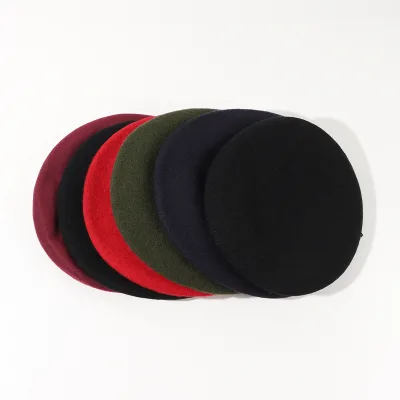
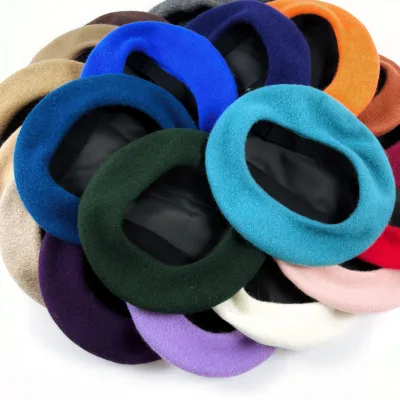
Winter Wool Stretch Beret for Women - Big Head Size, Solid Color, Elegant All-Match Plain Boina
$3.1024 - $4.0251
MOQ: 100 pieces


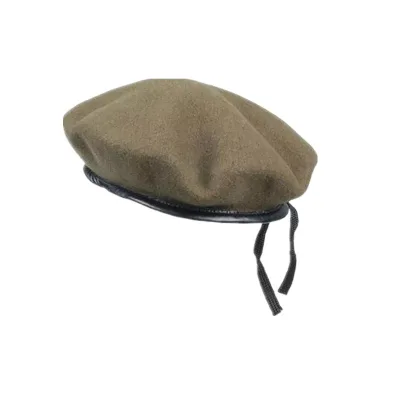
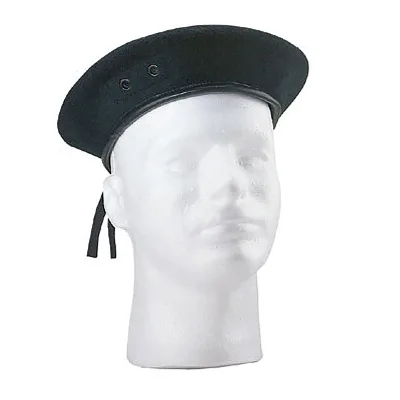
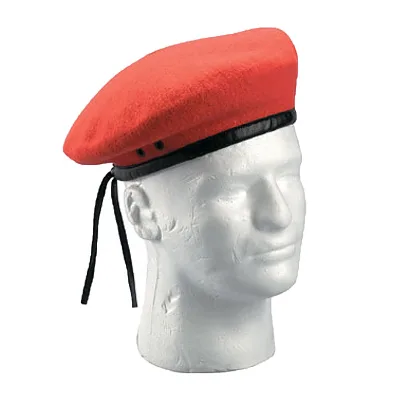
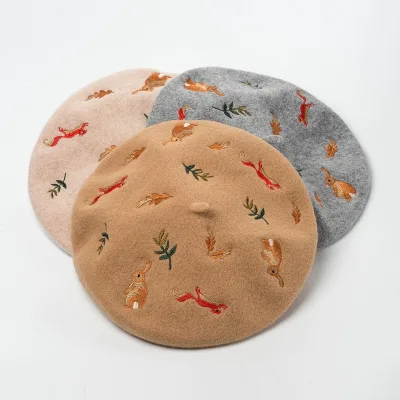
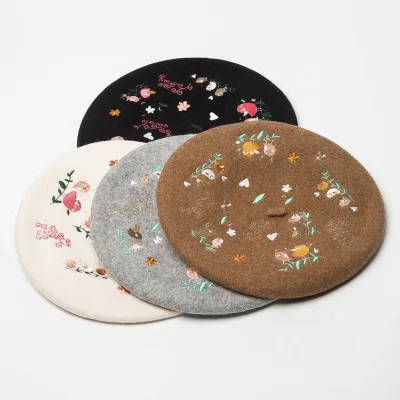
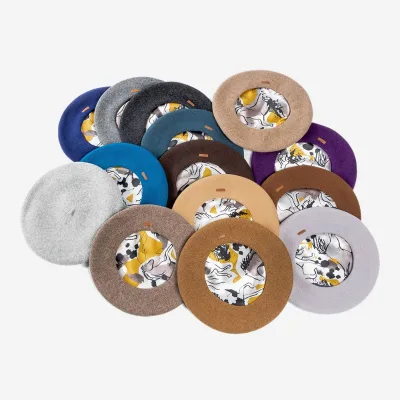
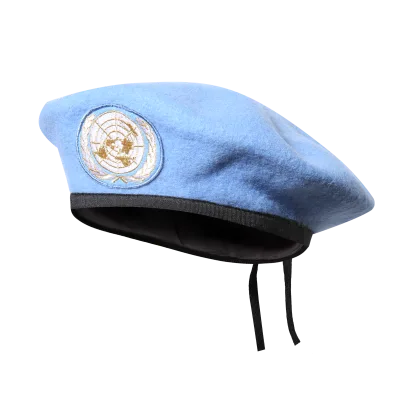
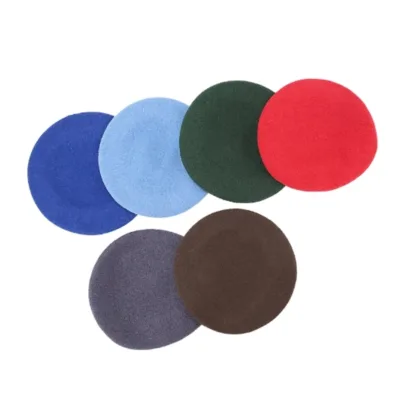
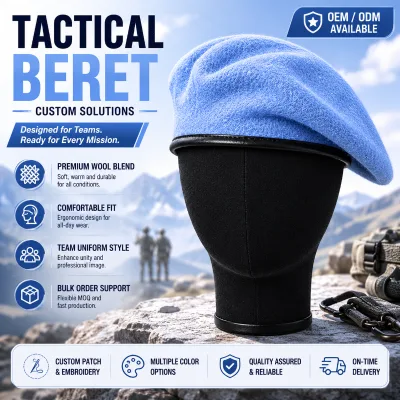
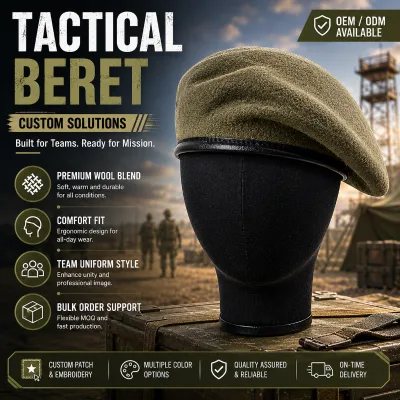

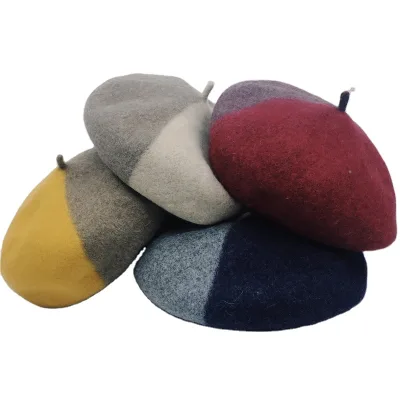


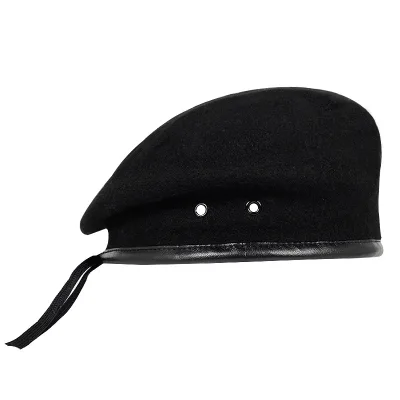
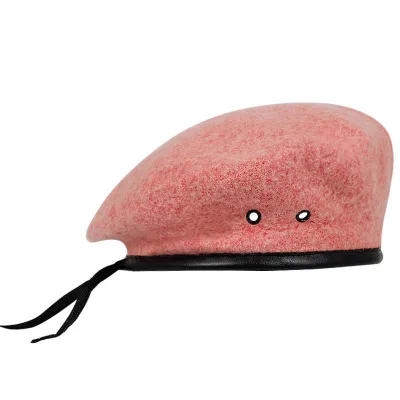
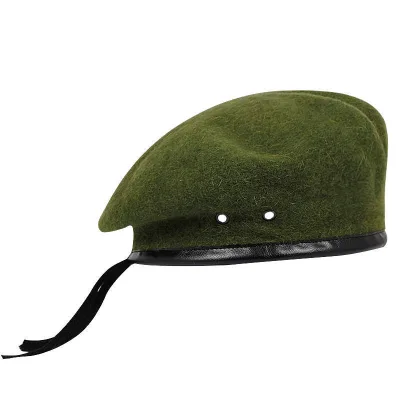
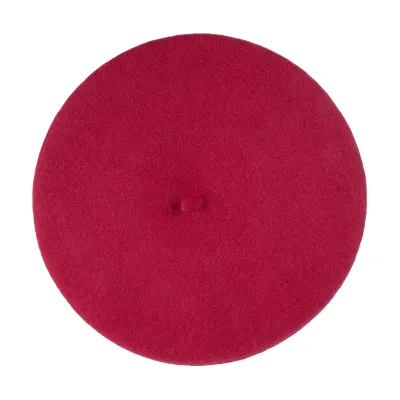
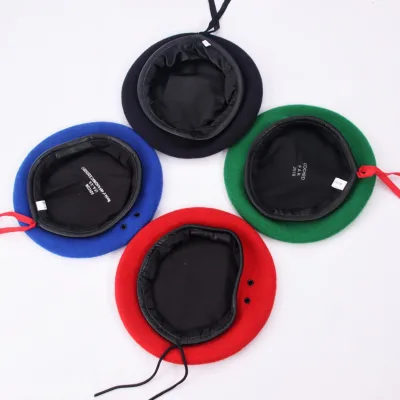
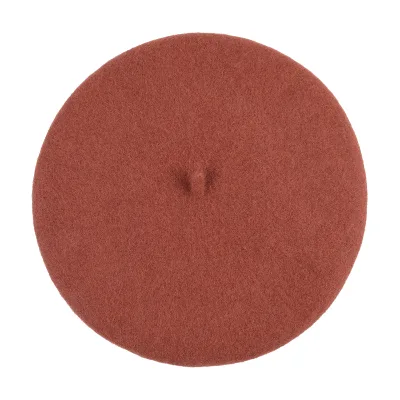
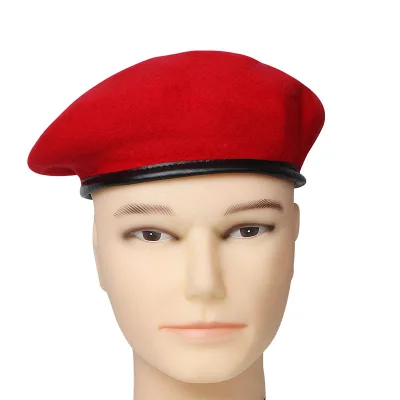
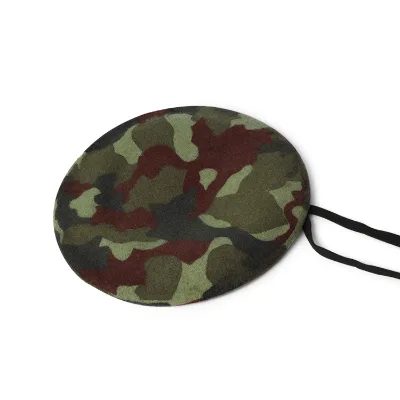


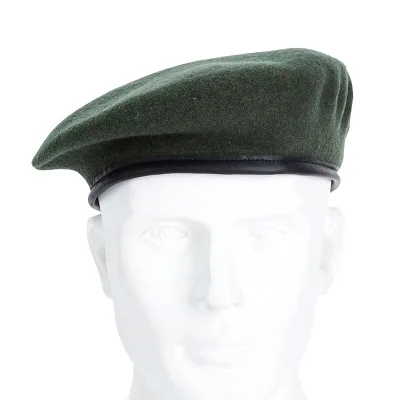
Comprehensive Sourcing Guide
Hand Embroidery Wool Tactical Beret Supplier Concentration and Factory Types
Sourcing for a Hand Embroidery Wool Tactical Beret begins with understanding where relevant suppliers cluster and what kind of operation stands behind each listing. On current results, product origin attributes point to Jiangsu and Hubei, with one listing explicitly noting Wuhan, China as its production origin. These provincial references are useful signals: they suggest that embroidery-capable headwear production in this category is concentrated in central and eastern China rather than scattered globally. When results lack a stated origin, buyers should treat location as an open question and use listing attributes, factory audits, and direct inquiry to establish where goods would actually be made before assuming any cluster advantage.
Supplier types in these results split between a trading company and a combined manufacturer-trader operation, and that distinction matters for a decoration-intensive product. Hand embroidery, whether performed by machine with hand finishing or fully by hand, is typically subcontracted or handled by specialized workshops, so a trading company may coordinate multiple inputs while a combined operation controls more of the process. Both can deliver, but accountability differs: with a trading company, ask who performs the embroidery and who accepts responsibility for stitch defects. Also note the breadth of main products listed—uniforms, rucksacks, sleeping bags, raincoats alongside hats—which indicates these are tactical-apparel houses for whom berets are one line, not dedicated beret specialists. That breadth can be an advantage for mixed uniform orders but warrants confirming beret-specific embroidery capability directly.
How to Verify Hand Embroidery Wool Tactical Beret Suppliers
Verification for this category should start with third-party verification badges shown on supplier profiles. Current results include one supplier verified under TüVRheinland and another under BV (Bureau Veritas), two of the inspection bodies most commonly used for supplier assessments on B2B platforms. These badges indicate that an independent body has checked company registration and basic operational facts, but they do not certify embroidery quality, wool authenticity, or colorfastness. Treat verification as a screening filter that reduces fraud risk, then move to category-specific evidence such as needle-detection claims, fabric composition statements, and whether the listing distinguishes machine embroidery from genuine hand embroidery in its technics attributes.
Beyond badges, verify by testing responsiveness and documentation. One supplier in these results displays a three-hour average response time while another shows roughly ten hours, a meaningful operational difference when you are iterating on embroidered crest samples. Request the supplier's business license, confirm the company type matches what the profile states (trading versus combined), and ask for proof that the claimed material—100% wool in several listings, polyester/cotton in one—matches what you will receive; insist on lab confirmation of fiber content rather than accepting attribute text. For embroidery work specifically, ask for photographs of previously completed hand-embroidered badges at close range, because stitching density and thread quality are difficult to fake convincingly. Finally, verify sample processing and graphic processing capability by submitting your own artwork and measuring how faithfully it returns as a physical sample before committing to production quantities.
What to Compare Across Hand Embroidery Wool Tactical Beret Suppliers
Build a comparison table using only the attributes suppliers actually display, since these results show uneven data availability. Lead time is a clean differentiator here: one verified supplier lists 20 days and another 15 days for production, a five-day gap that compounds across repeat orders. Response times of three hours versus roughly ten hours similarly affect how quickly you can resolve embroidery artwork revisions. Company type—trading company versus combined operation—affects price layers and quality accountability. Main product ranges differ, with one supplier emphasizing tactical outdoor goods and the other listing a broad uniform program including boots, gloves, and belts, which signals different order-bundling possibilities.
On commercial attributes, compare displayed MOQs and price ranges directly where present: current listings show minimum orders of 50 and 100 pieces, and unit prices spanning roughly $1.97 to $4.00 depending on material, construction, and decoration method. Note that one wool beret listing shows a price band of $2.50–$3.50 while a pure-wool tactical beret shows $2.80–$3.56, and an embroidered wool beret spans $1.97–$4.00—differences that likely reflect wool percentage, embroidery density, and brim construction. Compare specification details too: head circumference of 56–58cm in one listing versus 51–55cm sizing in another, brimmed versus brimless styles, and dust-proof or antistatic fabric features. Where a supplier shows no establishment year, escrow status, or capacity figure, mark that cell as unverified rather than assuming parity with competitors who display it, and request the missing data directly during inquiry.
Common Hand Embroidery Wool Tactical Beret Sourcing Risks
The most frequent risk in this category is material substitution. Several listings advertise 100% wool, yet one supplier's wool beret listing specifies polyester/cotton as the actual material, and another notes fabric options including acrylic, polyester, and customized blends alongside wool felt. Buyers ordering "wool" berets at promotional prices frequently receive blended or synthetic fabric because the listing text and the shipped goods diverge. Mitigate this by specifying fiber content in the purchase contract with a tolerance, requiring a pre-production sample cut for burn or lab testing, and confirming the felt weight—only one listing discloses a 200g figure, so others must be asked directly.
Embroidery quality risks are equally significant. Hand embroidery pricing scales with stitch count and density, so low quoted prices may indicate simplified machine embroidery substituted for the handwork shown in listing photos. Ask whether the technics described—machine embroidery, hand embroidery, or both—apply to your design, and approve a physical embroidered sample, not a digital mockup. Other risks include sizing inconsistency (one supplier offers 51–55cm, another 56–58cm head circumference; confirm which standard applies to your market), color drift on dyed wool across batches, and single-item selling units that hide packaging costs. Trading-company intermediation adds a further layer: if the embroidery workshop fails, the trading company may disclaim responsibility. Finally, avoid fixed assumptions about any supplier's displayed MOQ or lead time carrying over to custom-embroidered orders, since decoration typically extends both beyond catalog defaults stated on the profile.
Hand Embroidery Wool Tactical Beret Regional Sourcing and Logistics
Regional logic for this category follows the origin data actually present in the results. Listed origins point to Jiangsu on the east coast and Hubei in central China, with one beret listing explicitly marked Wuhan. Jiangsu's coastal position generally favors export documentation and port access, while Hubei's central location feeds into national logistics corridors; both are established textile provinces. However, these are listing-level attributes, not audited factory addresses—a trading company in one province may source embroidery from workshops elsewhere—so confirm the actual production location during inquiry before building logistics assumptions on origin text alone.
Logistics planning should account for product characteristics specific to wool berets. The listings are lightweight and low-volume—single-item packaging in polybags, with one carton standard of 56×39×37cm—meaning sea freight costs per unit are low and air freight is viable for samples and urgent replenishment. The 15- and 20-day production lead times displayed by two suppliers apply before transit; add shipping duration and customs clearance when promising delivery dates to your own customers. Wool goods can be moisture-sensitive, so specify polybag inner packing and carton sealing for humid-season shipments, and confirm whether needle detection, claimed in one listing, is performed pre-packing. Because embroidered crests often carry insignia-like designs, check import regulations in your destination market for military-adjacent imagery before shipment. Where a supplier displays no origin or capacity data, treat freight quoting as premature and gather those facts first, since consolidation options depend on where multiple suppliers actually ship from.
Hand Embroidery Wool Tactical Beret Commercial Terms and Order Planning
Commercial planning for this category should anchor on the numbers suppliers actually publish. Current listings show unit prices from $1.97 to $4.00 across wool and wool-look berets, MOQs of 50 and 100 pieces, and production lead times of 15 and 20 days from verified suppliers. Use these as baselines for negotiation, but expect custom hand embroidery to raise both price and MOQ above catalog defaults, since crest tooling and slower handwork carry setup costs. Ask whether quoted prices include embroidery, packaging in the stated single-item polybag, and what payment structure the supplier requires; several results reference OEM/ODM customization services, which usually implies a deposit balance split rather than prepayment in full, though terms must be confirmed per supplier.
Order planning should stage risk deliberately. Place a first order at or near the displayed MOQ—50 or 100 pieces—covering one colorway and one embroidered design, then scale across the four-season applicability these listings claim. Because one supplier's profile lists sample processing, graphic processing, and on-demand customization while another lists ODM/OEM capacity, sequence development as: artwork submission, physical sample approval, then bulk production with a signed sealed sample. Plan reorder cycles around the 15–20 day production windows plus transit, and hold safety stock for insignia designs where consistency matters. Where escrow status or establishment year is not displayed on a profile, request that information and prefer secure payment routing for initial orders. Finally, confirm the verified inspection status claimed—TüVRheinland or BV—still appears at order time, since verification lapses occur and current badges are not permanent guarantees.
FAQs
What is the price range for hand embroidery wool tactical berets?
Prices typically range from $1.97 to $4.00 per unit depending on material and customization. Some suppliers offer rates between $2.50 and $3.50 for standard wool options. Buyers should verify exact costs based on order volume and specific embroidery requirements before finalizing procurement decisions.
What is the minimum order quantity for custom tactical berets?
Minimum order quantities vary by supplier, with some requiring as few as 50 units while others set the threshold at 100 pieces. Buyers seeking smaller batches should specifically look for suppliers with lower MOQs to reduce initial inventory risk and testing costs effectively.
How long does production take for custom wool berets?
Standard lead times generally range from 15 to 20 days for production. This timeframe allows for material sourcing, hand embroidery processing, and quality control checks. Buyers should confirm specific delivery schedules with suppliers to ensure alignment with their project deadlines and logistical planning.
Are these berets suitable for outdoor tactical use?
Yes, these berets are designed for tactical, outdoor, and travel applications. They feature breathable wool felt or polyester blends suitable for four seasons. Many options include custom logos and hand embroidery, making them appropriate for security, trekking, and professional uniform requirements.
Can I get custom logos embroidered on the berets?
Most suppliers offer OEM and ODM services with custom logo embroidery. Options include hand embroidery or machine techniques on wool or polyester fabrics. Buyers can specify colors like black, green, or red, and request designs tailored to their brand identity or organizational needs.
Where are these tactical berets manufactured?
Manufacturing locations include Jiangsu and Hubei provinces in China. Suppliers in these regions provide verified production capabilities for wool and polyester tactical headwear. Buyers can verify specific factory locations and production standards to ensure compliance with their sourcing requirements and quality expectations.