Adjustable Heavy Duty Tactical Belt Suppliers and Manufacturers
Explore 16 verified suppliers offering adjustable heavy duty tactical belts with varying lead times, certifications, and customization options. Compare response times, MOQs, and production standards to select the right partner for your bulk orders today; review the available evidence before requesting comparable quotations from suitable candidates.
Suppliers List

LITAI(QUANZHOU)BAGS CORP., LIMITED
- Trading Company,Manufacturer/Factory
- China Fujian
- Lead time45 days
- Avg. response≤ 8h
Main productsMilitary Bags, Military Backpack, Military Vest, Army Backpack, Tactical Backpack, Tactical Holster, Tactical Sling, Army Bags, Medical Bag
Main marketsSouth America,Eastern Europe,Mid East,North America,Eastern Asia,Western Europe,Africa

Dongguan Zunwin Outdoor Products Co., Limited
- Verified by SGS
- Manufacturer
- China Guangdong
- Lead time15 days
- Avg. response≤ 9h
Main marketsSouth America,Africa,Southeast Asia/ Mideast,East Asia(Japan/ South Korea),Europe,Australia,North America


Durable and Wear-Resistant Buckle System for Men's Heavy-Duty Tactical Belt
$2.30 - $2.50
MOQ: 100 Pieces


The Universal Heavy-Duty Tactical Belt for Both Men and Women Is Suitable for Hunting
$2.30 - $2.70
MOQ: 100 Pieces


Jingjiang Dengtu Outdoor Equipment Co., Ltd
- Verified by SGS
- Trading Company
- China Jiangsu
- Lead time15 days
- Avg. response≤ 3h
Main productsSelf Defense Equipment, Outdoor Products, Tactical Equipment, Metal Tool, Flashlight, Detector, Sport Equipment, Keychain Kit Crafts, Security Equipment, Traffic Equipment
Main marketsAfrica,Domestic


Camouflage Nylon Heavy Duty Belt Unisex Adjustable Comfortable Tactical Belt Armor Men's Belts
$0.85 - $1.00
MOQ: 100 Pieces

Zhejiang Ganyu Police Equipment manufacturing Co., Ltd.
- Verified by SGS
- Combined
- China Zhejiang
- Lead time15 days
- Avg. response≤ 14h
Main productsAnti Riot Suit, Anti Riot Helmet, Anti Riot Shield, Tactical Vest, Safety Products, Anti Riot Gear
Main marketsSouth America

Zhejiang Yuda New Material Technology Co., Ltd.
- Verified by SGS
- Manufacturer
- China Zhejiang
- Lead time15 days
- Avg. response≤ 11h
Main productsWebbing Strap, Ratchet Strap, Safety Belt, Polyester Webbing, Nylon Webbing, Cotton Webbing, Lanyard, Outdoor Straps, Tactical Webbing, Sublimation Webbing Strap

Wuhan Corhunter Garment Co., Ltd.
- Verified by BV
- Combined
- China Hubei
- Lead time15 days
- Avg. response≤ 11h
Main productsUniform, Jacket, Shirt, Pants, Shorts, Boots, Gloves, Hat, Belt, Camouflage Uniform
Main marketsAfrica,Southeast Asia/ Mideast,North America


$2.50 - $3.00
MOQ: 50 Pieces


China Xinxing Shanghai Import and Export Co., Ltd.
- Verified by TUVRHEINLAND
- Trading Company
- China Shanghai
- Lead time15 days
- Avg. response≤ 3h
Main productsAnti-Riot Suit
Main marketsSouth America,Africa,Southeast Asia/ Mideast,Europe

Nanjing Kango Outdoor Products Co., Ltd.
- Verified by TUVRHEINLAND
- Trading Company
- China Jiangsu
- Lead time30 days
- Avg. response≤ 7h
Main productsTactical Uniform, Tactical Vest, Sleeping Bag, Anti Roit Item, Tactical Boots, Tactical Backpack, Tactical Raincoat, Woobie Hoodie, Poncho Liner
Main marketsSouth America,Africa,Others(foreignTradeCapacity.exportBusinessCapacityMarketOther),Southeast Asia/ Mideast,East Asia(Japan/ South Korea),Europe,Australia,North America
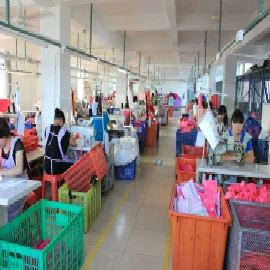
QUANZHOU DACINO BAGS CO., LTD.
- Trading Company
- Fujian, China
- Lead time40 days
- Avg. response≤ 4h
Main productsBackpack,Sport bag,Traval bag,Guitar bag,Pickleball bag
Main marketsNorth America(30.00%), Northern Europe(20.00%), Southern Europe(10.00%), South America(10.00%), Oceania(10.00%), Eastern Europe(10.00%), Western Europe(5.00%), Mid East(5.00%)

Shanghai Sky Industrial Products Co., Ltd
- Verified by SGS
- Trading Company
- China Shanghai
- Lead time30 days
- Avg. response≤ 14h
Main productsMilitary Uniform, Military Boot, Military Backpack, Belt, Buckle, T-Shirt, Badge
Main marketsDomestic

Durable Cheap Tactical Duty Belt Adjustable Heavy Duty Supplies Durable Combat Tactical Belt
$2.00 - $3.00
MOQ: 1000 Pieces


- Verified by SGS
- Combined
- China Zhejiang
- Lead time15 days
- Avg. response≤ 15h
Main productsAnti Riot Suit, Anti Riot Shield, Anti Riot Helmt, Gas Mask, Bullet Proof Vest, Stab Proof Vest, Handcuff, Knee Pad, Elbow Pad
Main marketsSouth America,Africa,Others(foreignTradeCapacity.exportBusinessCapacityMarketOther),Southeast Asia/ Mideast,Domestic,Europe,North America


Multifunctional Tactical Belt Waist Belt for Man
MOQ: 1 Pieces

Guangzhou Wangjia Leatherware Co., Ltd.
- Manufacturer/Factory
- China Guangdong
- Lead time30 days
- Avg. response≤ 4h
Main productsWestern Cowboy & Cowgirl Belts, Western Buckles, Buckle Sets, Conchos, Dog Collars & Hat Belts, PU Belts, Leather Belts, PU Handbags, Straw Beach Bags, Wallets
Main marketsSouth America,Eastern Europe,Mid East,North America,Southeast Asia,Eastern Asia,Oceania,Western Europe,Africa

Outdoor Heavy Duty Custom Waist Adjustable Tactical Belt with Quick-Release Buckle Men Canvas Belt
$3.60 - $4.50
MOQ: 100 Pieces

$3.90 - $4.50
MOQ: 100 Pieces

FUZHOU SHOO-IN IMP & EXP CO., LTD.
- Verified by SGS
- Trading Company
- China Fujian
- Lead time15 days
- Avg. response≤ 4h
Main productsPadel Ball, Tennis Ball, Hat, Pet Leash, Pickleball, Yoga Mat, Sports Towel
Main marketsEast Asia(Japan/ South Korea),North America

Wuhan TACEAG Garment Co., Ltd.
- Verified by SGS
- Trading Company,Manufacturer/Factory
- China Hubei
- Lead time23 days
- Avg. response≤ 11h
Main productsUniform, Jacket, Shirt, Pants, Shorts, Boots, Gloves, Hat, Belt, Shoes
Main marketsSouth America,Eastern Europe,Mid East,North America,Southeast Asia,Eastern Asia,Oceania,Western Europe,Africa


Tactical Nylon Belt Outdoor Multifunctional Belt Men Casual Tactical Adjustable Quick Release Belts
$1.80 - $2.58
MOQ: 500 Pieces

Wuhan Chuangshijia Trading Co., Ltd.
- Verified by TüVRheinland
- Manufacturer, Trading Company
- Lead time70 days
- Avg. response≤ 1h
Main productsTactical Uniform, Tactical Jacket, Tactical Armor Plate, Tactical Helmet, Tactical Backpack
Main marketsNorth America(40%), Africa(30%), South America(10%)

Jiangsu Crown Police Equipment Manufacturing Co., Ltd.
- Verified by SGS
- Combined
- China Jiangsu
- Lead time15 days
- Avg. response≤ 5h
Main productsAnti-Riot Helmet, Anti-Riot Shield, Pepper Spray, Tactical Vest, Helmet, Anti-Riot Suit
Main marketsSouth America,Africa,Southeast Asia/ Mideast,East Asia(Japan/ South Korea),Domestic,Europe,Australia,North America


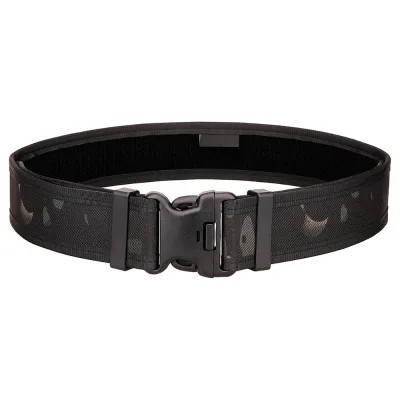
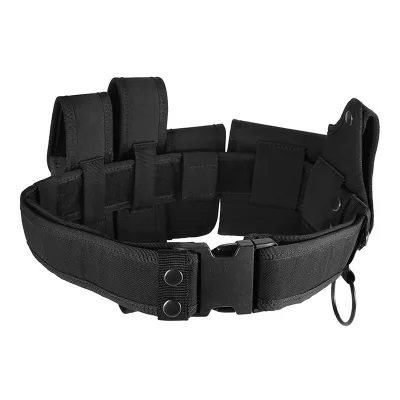
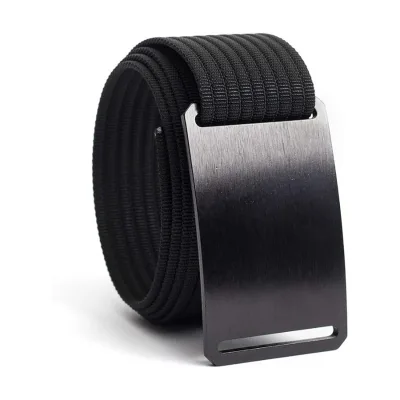
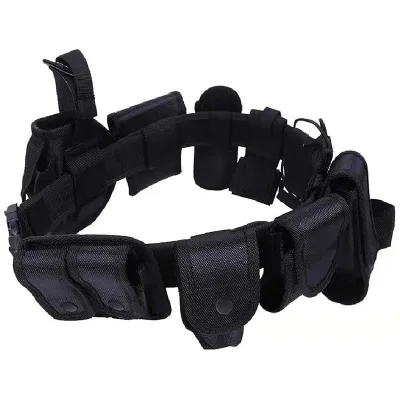


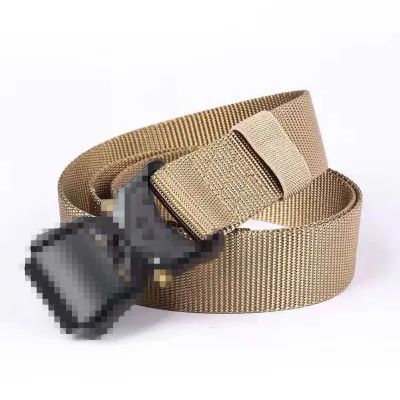
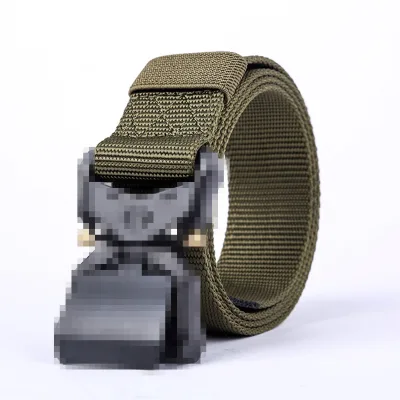


Comprehensive Sourcing Guide
Adjustable Heavy Duty Tactical Belt Supplier Concentration and Factory Types
The current search results indicate a concentration of suppliers located in China, specifically within the Fujian and Guangdong provinces. These regions host a mix of trading companies and manufacturers that specialize in military and tactical gear. The primary product categories observed include military bags, tactical backpacks, vests, and various belt accessories. When evaluating the factory types, buyers should note that some entities operate as trading companies while others function as direct manufacturers or factories. This distinction is critical because it influences the depth of customization capabilities and the directness of communication regarding production details.
Suppliers in these clusters often list capabilities such as OEM and ODM services, suggesting they can handle custom designs and branding. The main products frequently cited include heavy-duty adjustable belts, tactical holsters, and sling systems. To identify the correct manufacturing cluster, buyers must verify the specific location data provided in the supplier profile rather than assuming a general region. If a supplier claims to be a manufacturer, the buyer should confirm if they own the production facility or if they are a trading entity sourcing from third-party factories. This verification ensures that the supply chain is transparent and that the buyer is dealing with the actual source of the goods.
How to Verify Adjustable Heavy Duty Tactical Belt Suppliers
Verification of supplier credentials requires a close examination of the system certifications and verification badges displayed in the search results. Several suppliers in the current dataset list BSCI, ISO 9001, and SEDEX certifications, which serve as indicators of adherence to specific management and social compliance standards. Additionally, some suppliers display verification badges from third-party agencies like SGS, which adds a layer of confidence regarding their business legitimacy. Buyers should prioritize suppliers who explicitly list these certifications in their product attributes or company profile sections to ensure quality and ethical manufacturing practices are in place.
Beyond certifications, the response time and lead time metrics provide insight into the operational efficiency of the supplier. The observed response times in the current results range from approximately 7.66 to 8.58, indicating the speed at which suppliers typically reply to inquiries. Lead times vary significantly, with some suppliers offering a 15-day turnaround while others require up to 45 days or more. Buyers must cross-reference these figures with their own project timelines to ensure feasibility. It is also essential to check if the supplier accepts customized logos and offers OEM services, as these factors often correlate with the supplier's ability to meet specific buyer requirements.
What to Compare Across Adjustable Heavy Duty Tactical Belt Suppliers
When comparing suppliers, the minimum order quantity (MOQ) is a primary differentiator that affects procurement strategy. The data shows a wide range of MOQs, with some suppliers requiring as few as 2 units while others demand orders of 3,000 units. This variance allows buyers to select partners that align with their inventory needs, whether they are testing the market with small batches or planning large-scale distribution. Alongside MOQ, the price per unit is a critical factor, with observed prices ranging from approximately $1.70 to $19.99 depending on the product specifications and customization level. Buyers should calculate the total landed cost, including shipping, to determine the true value proposition of each supplier.
Another vital comparison point is the production time and arrival time estimates provided in the product attributes. Some listings indicate a production time of 50 days, while others suggest an arrival time of 30 to 35 days. These timelines must be weighed against the urgency of the buyer's demand. Additionally, the customization options, such as buckle material, color, and logo acceptance, vary between suppliers. One supplier may accept customized logos while another explicitly states they do not. Buyers should create a comparison matrix that includes these specific attributes to identify the supplier that best matches their technical and commercial requirements without making assumptions about unlisted features.
Common Adjustable Heavy Duty Tactical Belt Sourcing Risks
One significant risk in sourcing tactical belts is the inconsistency in product specifications and material quality across different suppliers. The current results show variations in buckle materials, ranging from alloy to other unspecified types, and differences in belt lengths and widths. Without a standardized specification sheet, buyers risk receiving products that do not meet their durability or fit requirements. For instance, a belt described as "heavy duty" might have a different weave material or buckle hardware compared to another listing with the same name. Buyers must request detailed product samples and technical drawings to verify that the physical attributes match the advertised specifications before committing to a large order.
Another risk involves the reliability of delivery timelines and the potential for hidden costs. While some suppliers list a lead time of 15 days, others indicate a production time of 50 days or an arrival time of 30 to 35 days. These discrepancies can lead to supply chain disruptions if the buyer does not account for the longest estimated timeline. Furthermore, the lack of a unified standard for packaging and shipping can result in damaged goods upon arrival. Buyers should verify the packing details, such as whether items are packed in polybags or export boxes, and confirm the shipping terms to avoid unexpected delays or additional freight charges that were not included in the initial price quote.
Adjustable Heavy Duty Tactical Belt Regional Sourcing and Logistics
The regional sourcing landscape for tactical belts is currently dominated by suppliers located in China, with specific clusters in Fujian and Guangdong provinces. These regions are known for their manufacturing capabilities in military and tactical equipment, offering a dense network of potential partners. However, buyers should not assume that all suppliers in these regions offer the same logistics advantages. The lead times and response times observed vary, suggesting that logistical efficiency depends on the specific supplier's infrastructure and location within the province. Buyers must verify the exact location of the factory to understand the proximity to major ports and the potential impact on shipping costs and transit times.
Logistics planning must also account for the specific product attributes that affect shipping, such as weight and dimensions. The product evidence shows varying packing sizes, from 28cm by 20cm by 5cm to larger export boxes containing 100 pieces. These dimensions directly influence the volume and weight of the shipment, which in turn affects freight costs. Buyers should request the exact packing list and dimensions for their specific order to calculate accurate shipping fees. Additionally, the origin of the goods, confirmed as China in the current results, means that import duties and customs regulations in the destination country will apply. Buyers need to factor these regulatory requirements into their overall sourcing strategy to ensure smooth clearance and delivery.
Adjustable Heavy Duty Tactical Belt Commercial Terms and Order Planning
Commercial terms for adjustable heavy duty tactical belts vary significantly based on the supplier's capacity and the order volume. The observed price ranges from $1.70 to $19.99, with corresponding MOQs ranging from 2 to 3,000 units. Buyers must carefully align their order volume with the supplier's MOQ to avoid unnecessary costs or rejected orders. For smaller orders, suppliers with lower MOQs are preferable, while larger orders may benefit from the economies of scale offered by suppliers with higher volume thresholds. It is also crucial to confirm the payment terms and whether the supplier offers escrow services to protect the buyer's financial interests during the transaction.
Order planning should also consider the sample time and production lead time to ensure timely delivery. Some suppliers offer sample times of 7 to 15 days, while others require 1 to 2 weeks for samples. The production time can range from 15 days to 50 days, depending on the complexity of the customization and the current workload of the factory. Buyers should plan their inventory replenishment cycles to accommodate these lead times, especially if they require custom branding or specific buckle configurations. Additionally, verifying the service capabilities, such as OEM and ODM support, ensures that the supplier can adapt to future design changes or volume fluctuations without compromising the supply chain stability.
FAQs
What is the typical lead time for tactical belts?
Manufacturers generally require 15 to 50 days for production. Specific timelines depend on order volume and customization needs. Some suppliers offer faster turnaround for standard items, while complex OEM orders may take longer. Buyers should confirm exact delivery schedules before placing orders to ensure timely receipt.
What certifications do tactical belt suppliers hold?
Many suppliers maintain ISO 9001, BSCI, and SEDEX certifications. These credentials verify adherence to quality management and social responsibility standards. Buyers can verify these documents directly with manufacturers. Certifications ensure consistent product quality and ethical manufacturing practices throughout the supply chain.
What is the minimum order quantity for tactical belts?
MOQs vary significantly by supplier and product type. Some manufacturers require as few as two units, while others demand 3,000 pieces. Bulk orders often benefit from lower per-unit costs. Buyers should check specific product listings to determine the exact MOQ applicable to their requirements.
Where are tactical belt manufacturers located?
Major production hubs are located in China, specifically in Fujian and Guangdong provinces. These regions offer established supply chains for tactical gear. Buyers can filter suppliers by location to assess logistics costs and shipping times. Proximity to ports often facilitates efficient export processes.
What materials are used for tactical belt buckles?
Alloy is the most common material for tactical belt buckles. This material provides durability and resistance to corrosion. Buckles are typically black and feature non-automatic mechanisms. Some suppliers offer customization options for buckle styles and hardware types to meet specific operational needs.
Do suppliers offer OEM and ODM services?
Yes, many manufacturers provide both OEM and ODM services. Buyers can customize designs, logos, and packaging. Some suppliers accept custom logos, while others do not. It is essential to verify customization policies and lead times before finalizing design specifications with the supplier.