Touchscreen Winter Mittens Suppliers and Manufacturers
Explore 19 verified suppliers offering Touchscreen Winter Mittens with varying lead times, response speeds, and customization options. Buyers can compare locations in China Jiangsu and Fujian, along with MOQs and pricing ranges before requesting samples; review the available evidence before requesting comparable quotations from suitable candidates.
Suppliers List

ZHENJIANG KIMTEX INDUSTRIAL INC.
- Verified by SGS
- Combined
- China Jiangsu
- Lead time30 days
- Avg. response≤ 13h
Main productsBaseball Cap, Beanie Hat, Trucker Hat, Snapback Cap, Bucket Hat, Gloves, Scarf, Socks, Bandana, T-Shirt
Main marketsAfrica,Southeast Asia/ Mideast,East Asia(Japan/ South Korea),Europe,Australia,North America

Fuzhou Chongkang Gifts Trade Co., Ltd.
- Verified by SGS
- Manufacturer/Factory
- China Fujian
- Lead time23 days
- Avg. response≤ 7h
Main productsPromotional Gifts, Baseball Cap, Beanies Hat, Gift Bags, Scarf, Microfiber Cleaning Cloth, Keychain, USB Charging Line, Luggage Tag, Mobile Phone Holder
Main marketsSouth America,Eastern Europe,Mid East,North America,Southeast Asia,Eastern Asia,Oceania,Western Europe,Africa

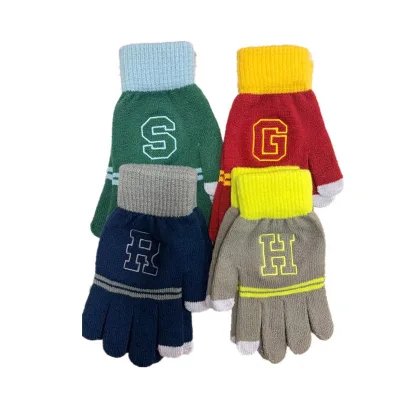
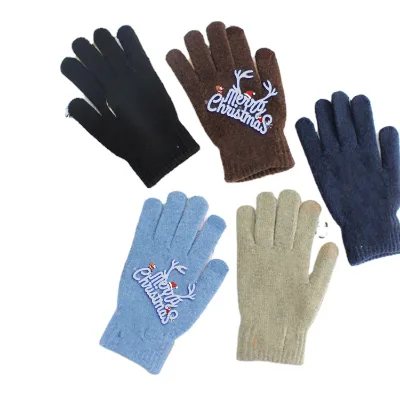
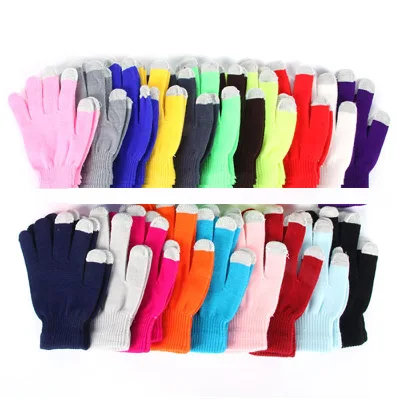
Winter Warm Stretch Knitted Custom Touch Screen Gloves Mittens for Men Women
$0.55 - $0.65
MOQ: 3 Pairs

Touchscreen Gloves Winter Warm Mitten Driving Anti-Slip Soft Knit Lining Thermal Gloves
$0.65 - $0.80
MOQ: 500 Pairs


Customacrylic Logo Warm Winter Knitted Mittens Jacquard Touch Screen Gloves
$0.79 - $0.97
MOQ: 60 pieces

Custom Logo Acrylic Warm Winter Knitted Mittens Jacquard Touch Screen Gloves
$0.65 - $0.80
MOQ: 500 Pairs

Winter Thick Knitted Acrylic Mittens Hand Finger Touchscreen Gloves with Jacquard Weave Logo
$0.65 - $0.80
MOQ: 500 Pairs
Shenzhen Eigday Heating Limited
- Verified by SGS Group
- Manufacturer, Trading Company
- Lead time45 days
- Avg. response≤ 2h
Main productsHeated Gloves, Heated Socks, Heated Apparel, LED Flashlight Gloves, Heated Cushion
Main marketsNorth America(30%), Western Europe(20%), Domestic Market(15%)

- Verified by CTI
- Trading Company
- China Anhui
- Lead time23 days
- Avg. response≤ 1h
Main productsFurniture, Home Furniture
Main marketsSoutheast Asia/ Mideast


Winter Mitten Acrylic Men and Women Touch Screen Winter Gloves Customize
$2.00 - $20.00
MOQ: 200 Pieces


Shijiazhuang Janefan Import and Export Trade Co., Ltd.
- Verified by CTI
- Trading Company
- China Hebei
- Lead time60 days
- Avg. response≤ 6h
Main productsSheepskin Glove, Leather Glove, Sheepskin Hat, Wool Glove, Sheepskin Earmuff, Wool Felt Hat
Main marketsEurope,North America


Winter Fashion Breathable Leather Sheepskin Gloves Keep-Warm Outdoor Mittens
$13.70 - $14.50
MOQ: 100 Pairs


Shaoxing Howfits Textile Co., Ltd.
- Manufacturer, Trading Company
- Zhejiang, China
- Lead time30 days
- Avg. response≤ 2h
Main productsSocks,Gloves,Scarves,Beanies,Hats
Main marketsNorth America(40.00%), Eastern Europe(20.00%), Eastern Asia(10.00%), Northern Europe(10.00%), Mid East(5.00%), South Asia(5.00%), Western Europe(1.00%)

Shijiazhuang Runlei Labour Protection Supplies Co., Ltd.
- Verified by CTI
- Manufacturer/Factory
- China Hebei
- Lead time0 days
- Avg. response≤ 13h
Main productsLeather Ski Gloves, Heat Resistance Gloves, Leather Firefighter Gloves, Leather TPR Gloves, Fishing Wader
Main marketsSouth America,Eastern Europe,Mid East,North America,Southeast Asia,Eastern Asia,Western Europe,Africa


Touchscreen Waterproof Snowboard Ski Winter Gloves Heated Battery Snow Mitten
$30.00 - $47.00
MOQ: 100 Pairs


Jurong Yuanfeng Industries Ltd.
- Verified by BV
- Trading Company
- China Jiangsu
- Lead time23 days
- Avg. response≤ 5h
Main productsBandana, Multi Tube Bandana, Baseball Caps, Beanie, Handkerchiefs, Socks, Durag, Head Band, Wrist Band, Head Wear
Main marketsEurope,North America


Women Knitted Gloves Autumn Hand Warmer Winter Thicken Lining Full Fingered Mittens
$0.35 - $1.00
MOQ: 3000 pair


Ningbo Youkiunite Imp &Exp Co., Ltd
- Verified by CTI
- Trading Company
- China Zhejiang
- Lead time15 days
- Avg. response≤ 6h
Main productsSocks, Hat/Cap, Slippers, Shoelaces, Scarf, Gloves, Pet Products, Shoes Accessories, Garment Accessories, Shoes
Main marketsSouth America,Europe,North America


Winter Full Finger Gloves Outdoor Warm Wool Knitted Mittens Solid Cycling
$1.88 - $2.08
MOQ: 100 pairs


Dongguan Gostar Sporting Goods Co., Ltd.
- Verified by BV
- Combined
- China Guangdong
- Lead time30 days
- Avg. response≤ 4h
Main productsGolf Bag, Golf Glove, Golf Headcover, Golf Products, Trolley Bag, Sporting Bag, Sporting Goods, Winter Glove, Animal Headcover, Golf Accessories
Main marketsSouth America,Others(foreignTradeCapacity.exportBusinessCapacityMarketOther),Southeast Asia/ Mideast,East Asia(Japan/ South Korea),Europe,Australia,North America

Ningbo Charming merino Co., Ltd.
- Verified by BV
- Trading Company
- China Zhejiang
- Lead time30 days
- Avg. response≤ 9h
Main productsMerino Wool Garments, Merino Wool Socks, Merino Wool Yarn
Main marketsSouth America,Southeast Asia/ Mideast,East Asia(Japan/ South Korea),Domestic,Europe,Australia,North America
Henan Huayi Glove Company Ltd.
- Verified by SGS Group
- Manufacturer, Trading Company
- Lead time30 days
- Avg. response≤ 2h
Main productsTPR Gloves, PU Coated Gloves, Cut Resistant Gloves, Nitrile Coated Gloves, Nylon Knitted Glove
Main marketsSouth America(25%), North America(15%), Central America(10%)

Sungnan Import & Export Co., Ltd.
- Verified by TUVRHEINLAND
- Combined
- China Zhejiang
- Lead time30 days
- Avg. response≤ 7h
Main productsScarf, Socks, China Scarf, Leggings, Hats, Bags, Gloves
Main marketsNorth America


Winter Woolen Fingerless Mittens Custom Knitted Convertible Flip Top Snowflake Mittens Gloves
$1.29 - $1.99
MOQ: 500 Pieces


- Verified by CTI
- Trading Company
- China Zhejiang
- Lead time15 days
- Avg. response≤ 9h
Main productsJewelry, Brooch, Belt, Necklace, Agent, Bracelet, China Trim, China Ring, China Hair Accessory, China Earring
Main marketsSouth America
Changshu Sanqiang Accessories Co., Ltd.
- Verified by SGS Group
- Manufacturer, Trading Company
- Lead time45 days
- Avg. response≤ 4h
Main productsSilk Gloves/Copper Compression Gloves/Sport Gloves/Wool Gloves/Fashion Warm Accessories
Main marketsNorth America(50%), Domestic Market(25%), Western Europe(10%)
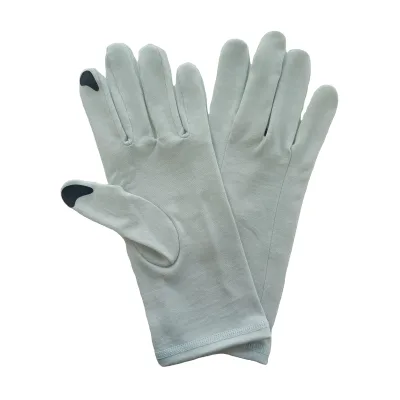
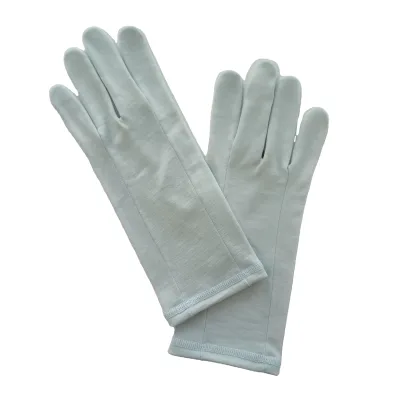
Manufacturer High Quality Winter Warm Comfortable for Adult Touch Screen Glove
$3.50 - $4.00
MOQ: 500 pairs

Hangzhou Xingliao Accessories Co., Ltd.
- Verified by BV
- Trading Company
- China Zhejiang
- Lead time30 days
- Avg. response≤ 12h
Main marketsSouth America,Africa,Europe,Australia


Boys Ski Female Mitt, Leather Snow Mitten for Skiing, Snowboarding and Mountaineering
$1.00 - $2.00
MOQ: 300 Pairs
Henan Bering Industries Co., Ltd.
- Trading Company
- Lead time旺季: "1 - 100":15,"> 100":"To be negotiated", 淡季: "1 - 100":15,"> 100":"To be negotiated"
- Avg. response≤ 2h
Main productsGloves and Mittens, Fur Rug, Sheepskin for Garments and Shoes Lining, Hat and Cap, Sheepskin Boots and Slippers
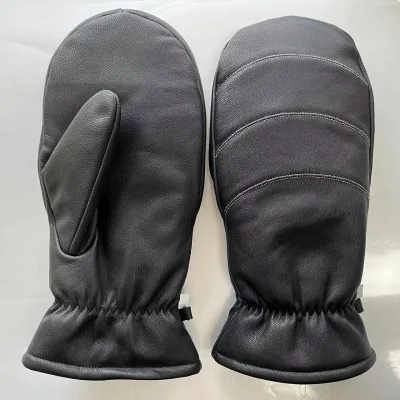
China Manufacturer Factory Low Price Working Warm Leather Working Mittens
$11.00 - $11.50
MOQ: 50 pairs
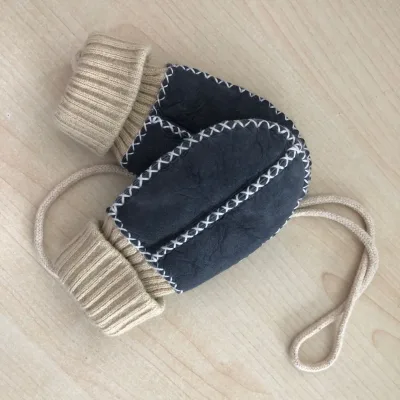
$2.90 - $6.90
MOQ: 300 pairs

- Verified by SGS
- Trading Company
- China Hebei
- Lead time30 days
- Avg. response≤ 5h
Main productsBike, Kids Bike, Balance Bike, Bicycle, Mountain Bike, Bicycle Parts, Baby Tricycle, Baby Motorcycle, Baby Walker, Baby Car
Main marketsSouth America,Africa,Southeast Asia/ Mideast,Europe

Warm Knitted Gloves Plus Velvet Thick Non-Slip Winter Touch Screen Gloves
$2.80 - $2.90
MOQ: 500 Pieces


Dongguan Kangbao Garment Co., Ltd.
- Verified by BV
- Combined
- China Guangdong
- Lead time23 days
- Avg. response≤ 6h
Main productsBeanie, Winter Hat, Scarf and Neck Warmer, Gloves and Mittens, Knit Poncho and Blanket, Headband Sports Gear, Canvas Bag, Golf Cover
Main marketsAfrica,Europe,North America


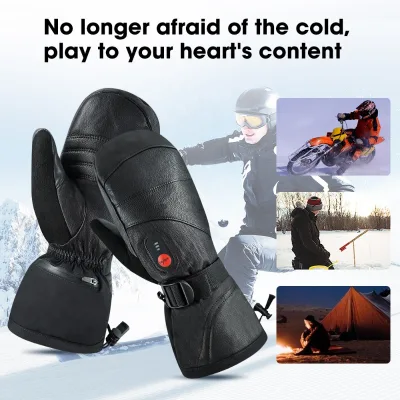
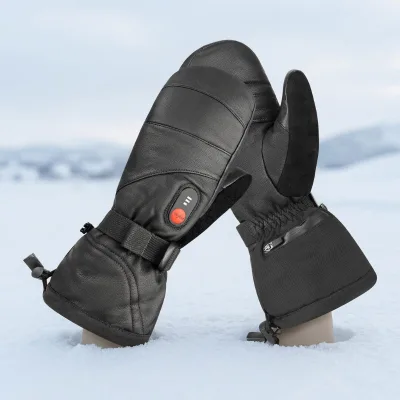
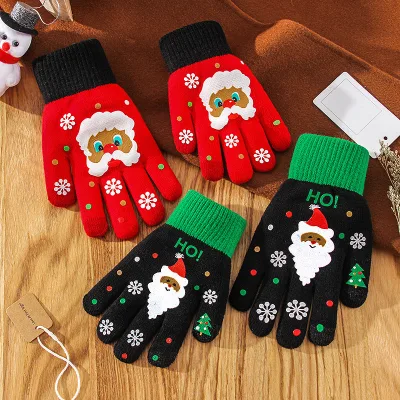
$0.80 - $2.50
MOQ: 200 Pieces






Comprehensive Sourcing Guide
Touchscreen Winter Mittens Supplier Concentration and Factory Types
Current data indicates a concentration of suppliers in China, specifically within the Jiangsu and Fujian provinces, which serve as primary manufacturing clusters for this category. These regions host a mix of combined trading companies and dedicated manufacturers or factories, offering buyers distinct operational models. The Jiangsu-based entities often present a combined company type, suggesting they may manage both direct production and trading functions, while Fujian suppliers are explicitly identified as manufacturers or factories. This distinction is critical for buyers seeking either direct factory pricing or the broader product range that trading companies might aggregate. The presence of these specific locations provides a tangible starting point for identifying clusters, though buyers should remain aware that search results can shift and new facilities may emerge in other regions.
When evaluating the factory types, buyers must distinguish between entities offering ODM and OEM capabilities alongside those focused on own-brand production. The observed supplier profiles include those with ODM, OEM, and own-brand capacities, indicating a flexible manufacturing environment capable of handling custom designs or private label requests. Some suppliers list main products that extend beyond mittens to include baseball caps, scarves, and other apparel accessories, which can be advantageous for buyers seeking a single source for multiple winter items. However, the specific company type, whether combined or manufacturer, dictates the level of control a buyer might have over the production process. Verifying the exact nature of the facility is essential before committing to a partnership, as the operational structure directly influences communication flow and production flexibility.
How to Verify Touchscreen Winter Mittens Suppliers
Verification of supplier credibility relies heavily on third-party audit results and specific platform verification badges rather than self-reported claims. In the current dataset, one supplier is explicitly marked as verified by SGS, a recognized international inspection and certification body. This verification status serves as a concrete data point for assessing the reliability of the facility, suggesting that their business operations and product quality have undergone external scrutiny. Buyers should prioritize suppliers displaying similar third-party verification badges, as these provide a higher degree of confidence compared to unverified listings. The absence of such a badge does not automatically disqualify a supplier, but it necessitates a more rigorous due diligence process to confirm their legitimacy and operational stability.
Beyond verification badges, buyers must scrutinize the specific product attributes and customization options listed in the supplier profiles to ensure alignment with their requirements. The available data shows that many suppliers offer customization for logos via embroidery or printing, with materials ranging from acrylic to polyester blends. Some listings specify detailed attributes such as full-finger lengths, unisex gender suitability, and specific fringing options, which are crucial for confirming the product matches the intended use case. Buyers should request samples to validate these claims, particularly regarding the touchscreen functionality and the quality of the knit. Confirming that the supplier can deliver the exact specifications, such as the "SWJ" or "TSG" model numbers observed, ensures that the final product will meet the necessary performance standards for winter conditions.
What to Compare Across Touchscreen Winter Mittens Suppliers
Comparing suppliers requires a systematic evaluation of key operational metrics such as lead times, minimum order quantities, and response speeds to determine the best fit for the project timeline. The observed data reveals a significant variance in lead times, with some suppliers indicating a 30-day production window while others offer a faster 23-day turnaround. Similarly, response times vary, with some suppliers averaging around 12 hours and others responding in under 7 hours. These differences can significantly impact the ability to meet tight deadlines or respond to urgent market demands. Buyers should create a comparison matrix that weighs these time-based metrics against their specific project schedules to identify suppliers capable of delivering within the required timeframe without compromising quality.
Minimum order quantities (MOQ) and pricing structures represent another critical dimension for comparison, as they directly affect the financial viability of the order. The data shows a wide range of MOQs, from as low as 3 pairs for certain custom items to 500 pairs for standard bulk orders. Pricing also fluctuates, with observed ranges starting from approximately $0.55 per unit up to $1.42 depending on the specific model and customization level. Buyers must calculate the total cost of ownership, including the impact of high MOQs on inventory holding costs, versus the potential savings from lower unit prices at higher volumes. Additionally, the availability of customization options, such as digital printing or machine embroidery, should be weighed against the associated MOQs to ensure the order remains economically feasible for the intended market segment.
Common Touchscreen Winter Mittens Sourcing Risks
One primary risk in sourcing this category involves the discrepancy between advertised customization capabilities and actual production feasibility. While many suppliers list "Customization: Available" and offer options for logo embroidery or printing, the specific technical requirements for touchscreen functionality can be complex. Some product attributes indicate "Touchscreen: Yes," yet the underlying material composition, such as acrylic or polyester blends, must be precisely engineered to maintain conductivity without compromising warmth. Buyers face the risk of receiving products that fail to function as touchscreens in cold conditions if the supplier lacks the specific technical expertise or equipment to integrate conductive threads effectively. This risk is heightened when dealing with suppliers who offer a broad range of unrelated products, as their focus may not be specialized enough for high-performance winter gear.
Another significant risk relates to the consistency of product standards and the potential for quality variance across different production batches. The observed product attributes include specific standards like "O/S" (One Size) and various packing methods, but these do not guarantee uniform quality across all units. Suppliers may use different materials, such as varying grades of acrylic or different knitting techniques, which can lead to inconsistencies in warmth, durability, and fit. Without a clear, standardized quality control protocol verified by third parties, buyers risk receiving batches that do not meet the initial sample specifications. This is particularly concerning for orders involving custom logos, where the placement and durability of the print must remain consistent across the entire order volume to maintain brand integrity.
Touchscreen Winter Mittens Regional Sourcing and Logistics
Regional sourcing decisions are heavily influenced by the specific locations of the manufacturing clusters, with Jiangsu and Fujian emerging as the primary hubs in the current data. These provinces offer distinct logistical advantages, including proximity to major ports and established supply chains for textile raw materials. Suppliers in Jiangsu are noted for their combined company types, which may facilitate smoother coordination between trading and manufacturing, while Fujian-based manufacturers might offer more direct control over the production line. Buyers should consider the proximity of these regions to their target markets when calculating shipping costs and transit times, as the distance from the factory to the destination port can significantly impact the overall delivery schedule. Understanding the regional strengths allows buyers to optimize their logistics strategy for efficiency and cost-effectiveness.
Logistics planning must also account for the specific packaging and shipping requirements associated with the product attributes observed in the supplier listings. Many suppliers utilize individual polybag packing or OPP bag packaging, which can affect the volume and weight of the shipment. For instance, some listings specify a single package size of 21x14x2 cm, while others indicate carton packing for larger orders. These packaging details are crucial for calculating freight costs and determining the optimal container load. Buyers should verify the exact packing specifications with the supplier to ensure that the goods are protected during transit and that the shipping volume is minimized. Additionally, the origin location, such as Zhenjiang or Fujian, China, should be confirmed to ensure accurate customs documentation and compliance with import regulations in the destination country.
Touchscreen Winter Mittens Commercial Terms and Order Planning
Commercial terms and order planning require a careful analysis of the pricing structures, payment conditions, and sample policies provided by the suppliers. The data indicates a price range from $0.55 to $1.42 per unit, with specific MOQs varying from 3 pairs to 500 pairs. Buyers must negotiate terms that align with their budget and inventory strategy, considering whether the lower MOQs allow for a more flexible trial order or if the higher volumes offer better unit economics. The availability of sample times, such as 3-7 days, is another critical factor in the planning phase, as it determines how quickly a buyer can validate the product before committing to a full production run. Understanding these commercial terms is essential for creating a realistic budget and timeline for the sourcing project.
Order planning must also incorporate the specific production capabilities and lead times to ensure a smooth supply chain flow. With lead times ranging from 23 to 30 days, buyers need to factor in this duration when scheduling their inventory replenishment or product launches. The capacity for ODM and OEM services suggests that suppliers can accommodate custom designs, but this may extend the lead time depending on the complexity of the customization. Buyers should plan for potential delays by building buffer time into their schedules and maintaining open communication with the supplier regarding production milestones. Additionally, verifying the supplier's ability to handle the specific order volume and customization requirements is vital to avoid bottlenecks that could disrupt the overall supply chain and impact market availability.
FAQs
What is the price range for acrylic winter mittens?
Prices for acrylic winter mittens typically range from $0.55 to $1.42 per pair. The final cost depends on customization options, order volume, and specific material blends. Buyers should request quotes for exact pricing based on their required logo printing and packaging preferences.
What is the minimum order quantity for these gloves?
Minimum order quantities vary significantly by supplier. Some manufacturers require a minimum of 500 pairs, while others accept orders as low as 3 pairs or 50 pieces. Buyers must check individual product listings to confirm the specific MOQ applicable to their chosen design and customization level.
How long does production take for custom orders?
Standard lead times for production generally range from 23 to 30 days. Sample preparation typically takes 3 to 7 days. These timelines apply to standard acrylic knitted mittens. Buyers should confirm exact delivery schedules with suppliers, as rush orders or complex customizations may extend production periods.
Can I get custom logos on winter mittens?
Yes, most suppliers offer customization including embroidery and printing. Buyers can add their brand logo to the mittens using various techniques. Customization is available for both full-finger gloves and mittens. Buyers should specify their preferred logo method and provide high-resolution artwork to ensure accurate branding.
Where are these suppliers located?
Suppliers offering these products are primarily located in China, specifically in Jiangsu and Fujian provinces. These regions are known for textile manufacturing. Buyers can filter results by location to find suppliers closer to their shipping routes or with specific regional certifications and logistical advantages.
Are these gloves suitable for touch screen use?
Many listed products feature touch screen functionality. These gloves allow users to operate smartphones and tablets while wearing them. Buyers should verify this feature in the product keywords or specifications. Not all acrylic mittens include this technology, so checking the specific product details is essential.