Source Tower Crane Mast Section for Construction, Hoisting, Transport
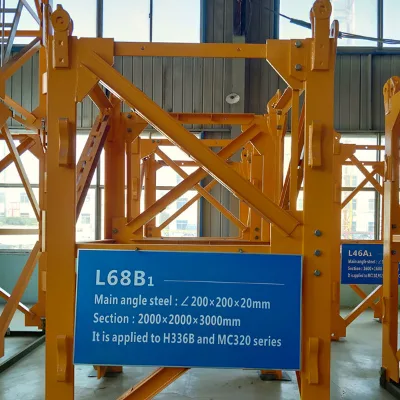
Find 30 tower crane mast section options from Chinese manufacturers. Compare models like L68B1 and L44A1, noting dimensions, certifications, and lifting capacities to select the right components for your hoisting machinery needs; compare the available evidence and request quotations based on your requirements.
Key considerations
Products List


Comprehensive Sourcing Guide
Tower Crane Mast Section Sourcing Guide
Procuring tower crane mast sections requires careful evaluation of structural dimensions and load-bearing capacities to ensure site safety. The market offers various configurations, including specific models like L68B1 and L44A1, which feature distinct dimensions such as 2x2x3 meters or 1.6x1.6x2.5 meters. Buyers must verify that the selected mast section aligns with the specific lifting height requirements of their project, ranging from 30 meters free-standing to over 200 meters when fully assembled.
Selection also depends on the intended application, whether for heavy hoisting machinery or general construction usage. Suppliers often list products with features like easy assembly and fixed moving types, which streamline installation processes on-site. It is critical to confirm that the maximum lifting weight, whether 6 tons or exceeding 10 tons, matches the operational demands of the specific crane model being deployed.
Product Scope and Observed Listing Signals
The available inventory spans a wide range of specifications, from standard mast sections to specialized components like split mast sections. Listings frequently indicate compatibility with various brands, allowing for integration into existing fleets or new installations. Buyers should note that while some products are sold as single items, others may require bulk ordering, though current market signals suggest a minimum order quantity of one unit is often available for testing or small projects.
Visual and physical attributes such as pallet packing or containerized shipping are common indicators of how the product is prepared for transit. The condition of the goods is consistently listed as new, ensuring that buyers receive components ready for immediate deployment without the need for refurbishment. Understanding these listing signals helps procurement teams distinguish between standard off-the-shelf inventory and customized solutions that may require specific production timelines.
Technical Specifications to Verify
Dimensional accuracy is paramount when selecting mast sections, as the standard sizes observed include 2.0m by 2.0m by 3.0m and 650mm by 650mm by 1580mm. Buyers must cross-reference these measurements with the crane's structural design to ensure proper fitment and stability. The jib length, which can extend up to 50 meters, and the tip load capacity of 1.3 tons are critical parameters that dictate the overall performance envelope of the tower crane system.
Power sources and installation methods also vary, with hydraulic systems and pre-assembled units being common options. The maximum lifting height capabilities, ranging from 150 to 250 meters, must be validated against the project's vertical requirements. Additionally, the type of sling, typically wire rope, and the specific mast section configuration must be compatible with the crane's slewing mechanism to prevent mechanical failures during operation.
Compliance and Safety Documentation
Certification status is a primary indicator of product reliability, with CE and ISO9001 marks frequently appearing on supplier listings. These certifications suggest that the manufacturing processes adhere to international quality management standards and safety regulations. Buyers should request valid certificates for each batch of mast sections to ensure that the components have undergone rigorous testing and meet the necessary regulatory requirements for construction machinery.
Safety documentation must also cover the specific operational limits of the equipment, such as the maximum load and tip load ratings. The condition of the product, consistently listed as new, implies that safety features are intact and functional. Procurement teams should verify that the supplier provides detailed installation manuals and safety guidelines, particularly for complex assemblies involving top-slewing cranes or high-lift applications.
Cost Drivers and Commercial Terms
Pricing in this sector is highly variable, with observed ranges extending from one dollar to substantial six-figure amounts depending on the model and customization level. The cost is driven by factors such as the specific model number, the dimensions of the mast section, and the inclusion of additional features like easy assembly or specialized packing. Buyers should anticipate that larger dimensions and higher lifting capacities will command a premium price compared to standard, smaller components.
Commercial terms often include customization availability, which can significantly impact the final cost and lead time. While some suppliers offer single-item selling units, others may require containerized shipping for larger orders. Understanding the packing method, whether it involves bundles, pallets, or nude container loading, is essential for calculating total logistics costs and ensuring the product arrives without damage.
Supplier Qualification and Quality Control
Geographic origin plays a significant role in supplier qualification, with many listings indicating production in Shandong or Nanjing, China. Buyers should verify the specific place of origin to assess the supplier's logistical capabilities and reputation within the regional manufacturing hub. The presence of a one-year warranty on products like tower crane sections indicates a baseline level of confidence in the product's durability and the supplier's commitment to after-sales support.
Quality control is further evidenced by the inspection processes mentioned, such as video outgoing inspections provided by some suppliers. This transparency allows buyers to visually verify the condition and assembly of the mast sections before shipment. It is advisable to request detailed quality reports and inspection records to ensure that the products meet the specified standards and are free from manufacturing defects prior to delivery.
Long-Term Procurement Checks
Sustained procurement success relies on verifying the long-term compatibility of mast sections with existing crane fleets. The "Other" compatible brand designation suggests flexibility, but buyers must confirm that the specific model numbers, such as L68 or L69, integrate seamlessly with their current machinery. Regular checks on the structural integrity and wear patterns of installed sections are necessary to maintain safety standards over the lifecycle of the equipment.
Future procurement strategies should account for the availability of spare parts and the consistency of product standards. Since applications range from construction to transportation and machine parts, buyers must ensure that the mast sections remain suitable for evolving project requirements. Establishing a relationship with suppliers who offer customization and maintain consistent quality control will mitigate risks associated with supply chain disruptions and equipment failure.
FAQs
What are the standard dimensions for tower crane mast sections?
The standard dimension for these tower crane mast sections is 2*2*3 meters. This size corresponds to the L68B1 model and other variants like L44A1. The sections are designed for easy assembly and typically come in bundle or pallet packing. Buyers should verify specific model numbers against their crane requirements to ensure proper fit and structural integrity for hoisting machinery applications.
Can tower crane mast sections be customized for specific projects?
Yes, customization is available for tower crane mast sections to meet unique project needs. Manufacturers offer various models such as L68, L69, and split mast sections. Buyers can request specific dimensions or configurations beyond the standard 2.0M*2.0M*3.0M size. This flexibility allows for tailored solutions in construction usage, ensuring compatibility with existing crane systems and specific site constraints.
What certifications do tower crane mast sections typically hold?
Tower crane mast sections typically hold CE and ISO9001 certifications to ensure quality and safety standards. These certifications indicate that the products meet international requirements for manufacturing and performance. The sections are supplied in new condition and are suitable for applications in hoisting machinery. Buyers should verify specific certification documents with suppliers to confirm compliance with local regulations and project specifications.
How are tower crane mast sections packaged for shipping?
Tower crane mast sections are packaged using pallets, containers, or bundled up for secure transport. The packing method depends on the specific model and order quantity. For example, some sections are packed in containers, while others may be bundled up. This ensures protection during transit from the origin in China. Buyers should specify their preferred packing method to avoid damage and facilitate efficient unloading at the destination site.
What is the warranty period for tower crane mast sections?
The warranty period for tower crane mast sections is typically one year. This warranty covers defects in materials and workmanship under normal usage conditions. Buyers should retain proof of purchase and follow installation guidelines to maintain validity. The warranty applies to new condition products and may vary based on the supplier. It is advisable to clarify warranty terms and coverage details with the manufacturer before finalizing the purchase agreement.