Source Toyota Camry Cylinder Head Assembly for Engines, Cars, Parts
Find 30 listings for the Toyota Camry Cylinder Head Assembly with varying specifications like 2AZ-FE and 4Y engines. Buyers can compare models, prices, and customization options from verified suppliers offering OE standard quality.
Key considerations
Products List


3RZ Complete Cylinder Head Assembly for TOYOTA Engine 2.7L 4 Holes Gasoline
$100.00 - $300.00
MOQ: 5 Pieces
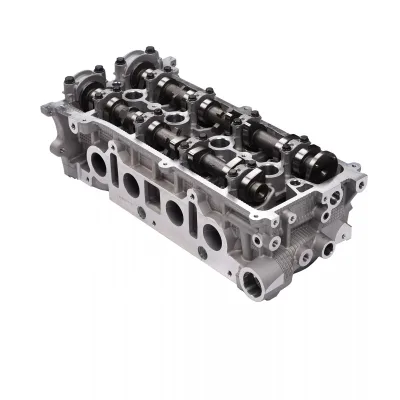
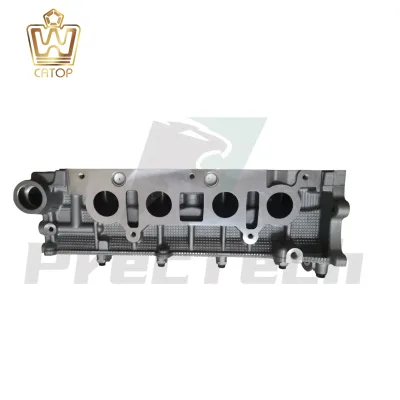


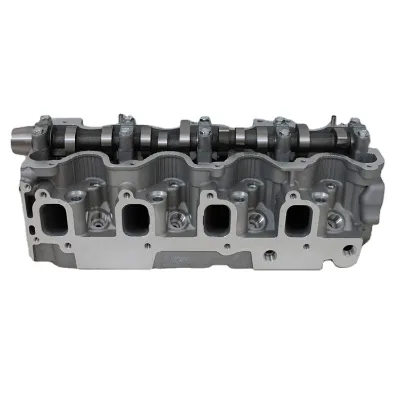


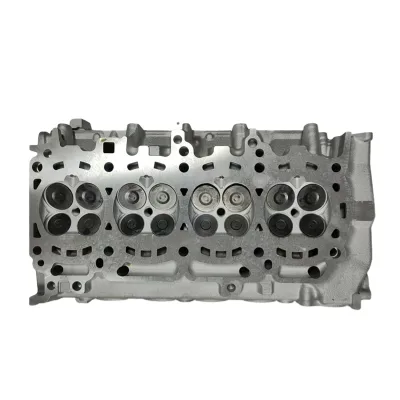


Comprehensive Sourcing Guide
Strategic Sourcing Guide for Toyota Camry Cylinder Head Assemblies
Navigating the global market for replacement engine components requires a disciplined approach, particularly when targeting specific high-volume applications like the Toyota Camry Cylinder Head Assembly. For procurement professionals, the distinction between a generic cylinder head and a precision-engineered OEM replacement is critical. The following guide synthesizes observed market data and technical attributes to provide a framework for evaluating suppliers, verifying specifications, and managing risk in the procurement of these complex internal combustion engine parts.
Technical Architecture and Component Specifications
The foundation of any successful procurement strategy lies in a precise understanding of the technical architecture of the product. In the current market, cylinder head assemblies for Toyota applications are not monolithic units but highly engineered components designed to specific engine families. Based on available product data, the target component is identified as an "Engine Cylinder Head" or "Cylinder Head Assembly" specifically engineered for the Toyota Camry RAV4 2AZ-FE engine platform. The part number 11101-28012 appears frequently as a critical identifier for this specific assembly, ensuring compatibility with the 2.4-liter engine configuration.
The physical and mechanical properties of these assemblies are defined by rigorous engineering standards. The observed data indicates that the component is constructed from Aluminum Alloy, a material choice that balances thermal conductivity with structural integrity. The assembly functions as part of an External Combustion Engine system, utilizing a Reciprocating Piston Movement mechanism. Crucially, the intake pressure impulse is noted as Supercharged in certain high-performance or specific variant contexts, though standard Camry applications typically rely on naturally aspirated configurations; buyers must verify the specific pressure requirements against their engine's design.
The cylinder arrangement is a key differentiator in engine design. While the observed data mentions a "W" cylinder arrangement form in some contexts, the Toyota 2AZ-FE and related 4-cylinder engines typically utilize an Inline arrangement. Procurement teams must exercise caution when interpreting generic attribute lists, as "W" configurations are rare in mass-market passenger vehicles. The standard configuration for the 2AZ-FE is a 4-Cylinder, Four-Stroke engine operating at High Speed. The ignition mode is specified as Electric Ignition, which is standard for modern diesel and gasoline applications. The valve configuration is explicitly noted as 8V (8 Valves) in some listings, while others reference 4Y or 2RZ engine numbers, indicating a broad catalog of compatible parts. Buyers must cross-reference the specific engine number (e.g., 2AZ-FE, 4Y, 2RZ, 1RZ, 1C, 2L2) to ensure the valve count and port geometry match the vehicle's requirements.
Compliance, Certification, and Material Standards
In the automotive aftermarket, compliance is not merely a regulatory formality but a prerequisite for market entry and liability protection. The product data highlights specific certifications and standards that serve as benchmarks for quality assurance. The observed listings reference "CE" certification, which indicates compliance with European health, safety, and environmental protection standards. This is a vital indicator for buyers targeting markets in Europe or regions that recognize CE marking as a baseline for safety.
Furthermore, the data explicitly mentions "TS16949 Certified" quality standards. This is a critical specification for automotive component suppliers, as TS16949 (now IATF 16949) represents the international standard for quality management systems in the automotive industry. A supplier holding this certification has demonstrated a commitment to continuous improvement, defect prevention, and the reduction of variation and waste in the supply chain. Buyers should verify the validity of this certification directly with the supplier, as the presence of the term in a product description does not guarantee the specific batch of goods meets the standard.
Material composition is another area requiring strict verification. The primary material identified is Aluminum Alloy, which is essential for the thermal management of the cylinder head. The standard for the product is listed as "OEM Standard" or "gaskts" (likely referring to gasket standards). The color is noted as "OEM Standard," implying a finish that matches original equipment specifications. When evaluating suppliers, procurement teams must request material test reports (MTRs) to confirm the alloy grade and verify that the casting process adheres to the specified tolerances. The absence of specific numerical tensile strength values in the general data suggests that buyers must request these specific technical parameters from the supplier to ensure the component can withstand the thermal and mechanical stresses of the 2AZ-FE engine.
Cost Drivers and Pricing Dynamics
Understanding the cost structure of cylinder head assemblies is essential for budgeting and negotiation. The observed market data indicates a listed price range in USD from 0 to 1000. This wide variance reflects the diversity of the product offering, ranging from basic aftermarket replacements to high-specification OEM-equivalent assemblies. The lower end of the spectrum likely represents generic or remanufactured units, while the upper end may include fully assembled units with new valves, guides, and seals, or those sourced directly from original equipment manufacturers.
Several factors drive these costs. The primary driver is the complexity of the casting and machining required to achieve the "OEM Standard" fit. The 2AZ-FE engine is known for specific head gasket issues, which often necessitates precise machining of the head surface to ensure a proper seal. This machining process adds significant labor and equipment costs. Additionally, the inclusion of the "Valve Assembly" as a component suggests that some listings may be sold as complete kits, which naturally commands a higher price than a bare head.
The Minimum Order Quantity (MOQ) is another significant cost factor. The observed MOQ range spans from 1 to 300 units. Buyers purchasing small quantities (MOQ 1-10) will face a higher unit cost due to the lack of economies of scale. Conversely, bulk buyers targeting the 300-unit range may negotiate more favorable pricing, provided they can manage the inventory risk. The packaging method also influences cost; options include "Box," "Standard Export Plywood Case," "Pallet," or "RO-RO/Container." Plywood cases and palletized shipping are more expensive than simple box packaging but offer superior protection for heavy, precision-machined components during transit.
Typical Applications and Compatibility Verification
The versatility of the cylinder head assembly is a double-edged sword for buyers. While the core keyword focuses on the Toyota Camry, the product data reveals a wide array of compatible applications. The 2AZ-FE engine is used in the Toyota Camry and RAV4, but the same or similar casting families are often adapted for other models. The data lists compatibility with the Toyota Hilux, Fortuner, and Innova, specifically referencing the 1KD-FTV Diesel engine. This indicates that the supplier's catalog covers a broad spectrum of Toyota powertrains, including both gasoline and diesel variants.
Buyers must exercise extreme diligence when verifying compatibility. The presence of multiple engine numbers in the data—4Y, 2RZ, 1RZ, 1C, 2L2, and 1KD-FTV—suggests that the supplier offers a range of heads for different generations of Toyota vehicles. A cylinder head designed for the 4Y engine, for example, will not fit a 2AZ-FE engine due to differences in bore spacing, coolant passages, and valve train geometry. The part number 11101-28012 is the definitive identifier for the Camry RAV4 2AZ-FE application. Procurement teams should never rely solely on the "Car Brand" or "Application" field in a product listing. Instead, they must cross-reference the specific part number and engine code against the vehicle's service manual.
The following table summarizes the observed engine applications and their corresponding identifiers:
| Engine Model | Vehicle Application | Part Number / Identifier | Notes |
|---|---|---|---|
| 2AZ-FE | Toyota Camry, RAV4 | 11101-28012 | Primary target for Camry sourcing |
| 1KD-FTV | Toyota Hilux, Fortuner, Innova | 1KD-FTV | Diesel application, distinct from 2AZ |
| 4Y | Various Toyota Models | 4Y | Older generation engine, different specs |
| 2RZ | Various Toyota Models | 2RZ | Requires specific valve and port check |
| 1RZ | Various Toyota Models | 1RZ | Smaller displacement, different casting |
| 1C | Various Toyota Models | 1C | Older diesel engine variant |
| 2L2 | Various Toyota Models | 2L2 | Diesel variant, distinct cooling system |
Supplier Evaluation and Customization Capabilities
Selecting the right supplier is as important as selecting the right part. The data indicates that suppliers in this category offer "Custom Design" and "Private Label" services. This suggests a high degree of flexibility in the manufacturing process, allowing buyers to request modifications to the casting, machining, or packaging. The "Custom Design: Yes, Accept" attribute implies that suppliers are willing to collaborate on engineering changes, which is valuable for buyers looking to optimize the component for specific aftermarket needs or to resolve known design flaws in the original part.
However, the ability to customize does not guarantee quality. Buyers should evaluate suppliers based on their technical capability to maintain the "OEM Standard" while implementing custom changes. The "Private Label: Yes, Available" feature allows buyers to brand the product as their own, which is common for distributors and retailers. This requires a clear agreement on quality control standards to ensure the private-labeled product does not damage the buyer's reputation.
The origin of the product is listed as "China," which is a major hub for automotive component manufacturing. While this offers competitive pricing, it necessitates a robust supplier audit process. Buyers should verify the supplier's production capacity, quality control protocols, and history of compliance with international standards. The "Customization: Available" attribute further underscores the need for clear communication regarding technical specifications to avoid mismatches between the ordered part and the actual product delivered.
Quality Control and Long-Term Procurement Considerations
Quality control is the linchpin of successful procurement for engine components. The observed data mentions "Quality: OE Standard / TS16949 Certified," but buyers must treat this as a claim that requires verification. The physical dimensions of the product are specified as 16.50cm * 9.00cm * 6.00cm with a gross weight of 0.600kg. These precise measurements are critical for logistics planning and storage, but they also serve as a baseline for inspecting the received goods. Any deviation from these dimensions could indicate a casting defect or machining error.
Long-term procurement considerations involve the reliability of the supply chain. The "Quantity: 8PCS/ 16PCS Set" observation suggests that some suppliers sell these components in pre-packaged sets, which may include gaskets or other necessary hardware. This can streamline the procurement process but requires verification that the set contents match the buyer's specific needs. The "Package: Standard Export Plywood Case" indicates a commitment to protecting the product during international shipping, which is essential for preventing damage to the delicate machined surfaces of the cylinder head.
Buyers should also consider the lead time and the potential for supply chain disruptions. While specific lead times are not provided in the data, the complexity of the casting and machining processes suggests that production times may vary. Establishing a long-term relationship with a supplier who has a proven track record of meeting delivery schedules and maintaining consistent quality is crucial. Regular audits, sample testing, and clear communication channels will help mitigate risks and ensure a steady supply of high-quality cylinder head assemblies for the Toyota Camry and related vehicle platforms.
FAQs
What material is used for the Toyota Camry Cylinder Head Assembly?
The cylinder head assembly is constructed from Aluminum Alloy to balance thermal conductivity and structural integrity. This material choice is standard for the 2AZ-FE engine platform found in Toyota Camry and RAV4 models.
Which certification ensures quality for these engine components?
Products are available with TS16949 certification, which is the international standard for automotive quality management systems. Buyers should verify the validity of this certification directly with the supplier to ensure batch compliance.
Can suppliers offer custom design options for this part?
Yes, suppliers accept custom design requests and offer private labeling services for this engine component. Buyers must provide clear technical specifications to ensure the customized part maintains OEM standard tolerances and fit.
What is the minimum order quantity for purchasing these heads?
The minimum order quantity ranges from 1 to 300 units depending on the specific supplier and product configuration. Bulk buyers targeting the higher end of this range may negotiate more favorable pricing terms.
How is the product packaged for international shipping?
Packaging options include standard export plywood cases, boxes, or pallets to ensure safe transit of the precision component. The specific packaging method influences shipping costs and protection levels during logistics.
Which engine models are compatible with this cylinder head?
This assembly is primarily designed for the Toyota Camry and RAV4 with the 2AZ-FE engine, identified by part number 11101-28012. Other compatible models listed include the Hilux and Fortuner with 1KD-FTV diesel engines.