Source TV LED Backlight for Home, Hotel, and Kitchen Use
Find 30 TV LED Backlight options for indoor and outdoor displays. Compare models like LE22T and D40-16AH with varying screen sizes from 10 to 55 inches. Evaluate specifications including resolution, waterproof ratings, and LED power consumption to select the right component for your project.
Key considerations
Products List


$0.44 - $0.46
MOQ: 1000 Pieces


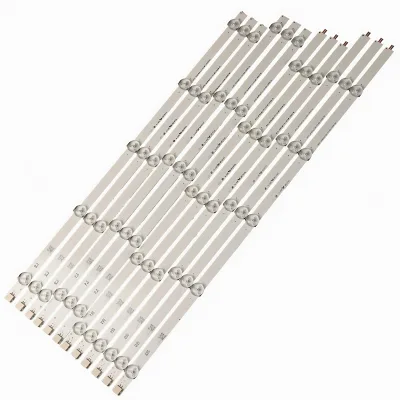


Comprehensive Sourcing Guide
TV LED Backlight Sourcing Guide
Procuring TV LED Backlight components requires distinguishing between complete display units and individual lighting modules, as the market offers both integrated televisions and standalone backlight solutions. Buyers must first identify whether their project needs a full 1080P or 720P display with a TFT-LCD screen or merely the LED light source for an existing panel. The observed product range includes models like the LE22T and LE17T, which feature specific screen sizes and aspect ratios, alongside bare LED chips designed for custom integration.
Understanding the intended application environment is critical before selecting a supplier, as usage scenarios dictate the necessary durability and waterproofing standards. Products are listed for diverse settings ranging from indoor home and kitchen use to outdoor installations and hotel environments. Some units are explicitly rated as waterproof with IP ratings, while others are designed strictly for indoor use, meaning the procurement strategy must align with the specific environmental exposure of the final deployment site.
Product Scope and Observed Listing Signals
The market presents a wide spectrum of screen sizes, from compact 10-19 inch units to larger 32-55 inch displays, each with distinct backlight configurations. Buyers should verify if the listing specifies a wide screen 16:9 aspect ratio or a standard 4:3 format, as this directly impacts the compatibility with existing content and mounting hardware. The observed data indicates that specific models like the D40-16AH and LE22T cater to different size requirements, necessitating a careful review of the screen size specifications before placing an order.
Packaging and customization options vary significantly across suppliers, influencing both logistics costs and final product aesthetics. While some units come in standard carton packages with a fixed quantity per carton, others offer customizable cabinet colors and specific packing configurations to meet unique project needs. The availability of customization allows buyers to tailor the product to their brand requirements, but it also introduces complexity in the ordering process that must be managed through clear communication with the supplier regarding color options and packaging standards.
Technical Specifications to Verify
Voltage and power consumption are primary technical parameters that must be validated to ensure compatibility with the intended power supply system. The observed listings include units operating at 12V DC and others at 6V, with specific current ratings such as 120mA for certain LED configurations. Buyers must confirm the exact voltage requirements of the backlight module to prevent electrical failures, especially when integrating these components into existing TV chassis or custom enclosures that may have different power delivery capabilities.
The physical dimensions and light source type are equally critical for ensuring a proper fit within the display assembly. Specifications such as the 1.61.60.95mm or 4.01.40.6mm package sizes indicate the form factor of the LED chips, which must match the spacing and depth of the target display housing. Additionally, the type of backlight, whether it is a standard LED or a specific "Small Straw Hat" configuration, affects the light distribution and uniformity, requiring buyers to request detailed technical drawings to verify physical compatibility.
Compliance and Safety Documentation
Regulatory compliance is a non-negotiable aspect of sourcing electronic components, particularly for products intended for global distribution. The observed listings mention certifications such as RoHS and CE, which indicate adherence to environmental and safety standards in major markets. Buyers should request valid certification documents for every batch of products to ensure that the materials used do not contain restricted substances and that the electrical design meets the safety requirements of the destination country.
Safety documentation also extends to the operational limits of the components, including temperature ranges and expected product lifetime. The data indicates a working temperature range of -25 to 65 degrees Celsius and a typical lifetime of 3 to 5 years, which are vital for assessing the reliability of the product in various climates. Procurement teams must verify that the supplier provides test reports confirming these performance metrics, ensuring that the components will withstand the thermal stresses of the intended application environment without premature failure.
Cost Drivers and Commercial Terms
Pricing in the LED backlight market is heavily influenced by the complexity of the customization and the specific technical specifications required. The observed price range spans from $0.10 to $488, reflecting the difference between individual LED chips and complete display units with integrated screens. Buyers should analyze the cost structure to understand whether the price includes the backlight module only or the full assembly, as this distinction significantly impacts the total cost of ownership and the budget allocated for the project.
Minimum Order Quantities (MOQ) and lead times are key commercial terms that affect inventory planning and cash flow management. The observed MOQ ranges from 1 to 1000 units, offering flexibility for small-scale prototyping as well as large-volume production runs. However, suppliers may impose different MOQs based on the level of customization requested, such as specific cabinet colors or unique packaging standards, so buyers must negotiate these terms early to avoid unexpected delays or additional costs associated with small batch production.
Supplier Qualification and Quality Control
Supplier qualification should focus on the origin of the products and the consistency of their manufacturing processes. The observed data lists origins in China and Malaysia, regions known for robust electronics manufacturing capabilities, but buyers must verify the specific factory standards and quality control protocols in place. It is essential to confirm that the supplier maintains consistent production standards, such as the 5PCS/1CTN packing standard, to ensure that the delivered goods match the agreed-upon specifications and quality expectations.
Quality control measures must be established to verify the integrity of the LED chips and the overall assembly before shipment. Buyers should request samples for independent testing to validate claims regarding waterproofing, light output, and electrical safety. Implementing a rigorous inspection process, including visual checks for defects and functional testing of the backlight performance, helps mitigate the risk of receiving substandard products that could lead to costly returns or reputational damage in the final market.
Long-Term Procurement Checks
Sustaining a successful supply chain requires regular audits of supplier performance and product consistency over time. Buyers should establish a schedule for reviewing supplier quality reports and conducting periodic site visits to ensure that manufacturing processes remain stable and compliant with agreed standards. This proactive approach helps identify potential issues early, such as changes in material sourcing or production capacity, allowing for timely adjustments to the procurement strategy before they impact the supply chain.
Long-term relationships with suppliers also depend on clear communication regarding future product updates and technological advancements. As LED technology evolves, suppliers may introduce new chip types or more efficient backlight solutions that could offer cost savings or performance improvements. Buyers should maintain an open dialogue with their suppliers to stay informed about these developments, ensuring that their procurement strategy remains aligned with the latest industry trends and technological capabilities.
FAQs
What display formats are available for TV LED Backlight units?
Available display formats include 1080P Full-HD and 720P HD options. These formats support various screen sizes ranging from 10 to 55 inches. The units feature TFT-LCD displays with LED backlighting. Buyers can choose between wide screen and standard aspect ratios depending on their specific application requirements.
Can TV LED Backlight products be customized for specific needs?
Yes, customization is available for these TV LED Backlight products. Buyers can select specific cabinet colors, such as black or other options. The usage scenarios can be tailored for indoor or outdoor environments, including home, kitchen, bathroom, or hotel settings. This flexibility ensures the product fits diverse installation requirements.
Which certifications apply to the TV LED Backlight components?
The TV LED Backlight components hold RoHS and CE certifications. These certifications ensure compliance with international safety and environmental standards. The products are manufactured in China or Malaysia, adhering to strict quality controls. Buyers can rely on these certifications for regulatory compliance in various global markets.
What is the typical packaging for TV LED Backlight orders?
Typical packaging for TV LED Backlight orders involves carton packages. Standard packing configurations may include five pieces per carton. Some specific models might have different packing quantities, such as 50,000 units. This packaging ensures safe transport and storage for both small and large bulk orders.
How long is the expected lifetime of TV LED Backlight units?
The expected lifetime of TV LED Backlight units is approximately three to five years. These units operate within a working temperature range of -25 to 65 degrees Celsius. The LED light source provides efficient illumination for LCD displays. This durability makes them suitable for continuous use in various commercial and residential applications.