Source TV Stand for Living Room, Hotel, and Bedroom
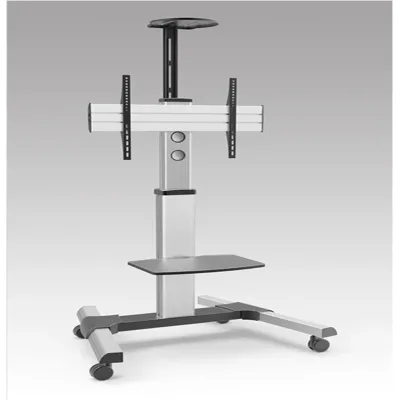
Explore 30 options for a TV Stand suitable for living rooms, hotels, and bedrooms. Buyers can compare adjustable angles, modern styles, and various materials like steel, glass, and wood to find the right fit.
Key considerations
Products List


$18.49 - $25.30
MOQ: 10 Pieces



Comprehensive Sourcing Guide
Strategic Sourcing Guide for TV Stands in the B2B Market
Procuring television stands for commercial or residential distribution requires a disciplined approach that balances aesthetic versatility with structural integrity. The global market for living room furniture, specifically TV stands, offers a wide spectrum of options ranging from minimalist modern designs to robust units suitable for hospitality environments. Buyers must navigate a complex landscape of materials, dimensions, and customization capabilities to ensure the final product meets specific project requirements. This guide outlines the critical factors for sourcing TV stands, focusing on verified product attributes, compliance standards, and supply chain logistics derived from current market data.
Material Composition and Structural Integrity
The foundation of any TV Stand lies in its material composition, which dictates durability, weight capacity, and aesthetic appeal. Market observations indicate a diverse range of materials, with steel and glass being prominent options for modern, high-end units. Steel construction offers superior load-bearing capabilities and resistance to wear, making it ideal for high-traffic commercial settings such as hotels or conference centers. Conversely, glass components are often utilized for their contemporary look, though they require careful handling during shipping and installation to prevent breakage.
Wood remains a dominant material in the sector, particularly for products targeting the home furniture market. Wooden TV stands are frequently marketed for their warmth and ability to blend with various interior design styles. Buyers should verify the specific grade of wood and the quality of the finish, as these factors influence longevity and resistance to humidity. The market data confirms that manufacturers offer products with materials ranging from pure steel to wooden frames, often combining these elements to achieve a specific design balance. When evaluating potential suppliers, procurement teams must request detailed material specifications to ensure the chosen product aligns with the intended usage environment, whether it is a private residence or a public venue.
Technical Specifications and Dimensional Variability
One of the most critical aspects of sourcing TV stands is matching the unit's dimensions to the screen sizes it will support. The market presents a wide array of recommended screen sizes, reflecting the diversity of television models available. Specifications indicate that suitable units are designed to accommodate screens ranging from 13 to 25 inches, 14 to 32 inches, and even larger formats extending up to 50 or 60 inches. This variability necessitates a precise understanding of the target customer's needs before placing an order.
Beyond screen compatibility, physical dimensions are paramount. Standardized product models often adhere to specific size constraints, such as 600x450x650mm or 600x450x630mm, which define the footprint and height of the unit. Some specifications also reference weight capacities, with certain models rated for up to 9kg, while others may have different load limits. Buyers must cross-reference these technical details with the actual weight of the televisions they intend to display. Additionally, the adjustable angle feature is a notable specification found in several models, allowing for ergonomic customization. This feature is particularly valuable in commercial settings where viewing angles may vary.
Design Aesthetics and Customization Options
The visual appeal of a TV Stand is often the primary driver for purchase decisions in the residential sector. The prevailing design style in the current market is modern, characterized by clean lines and functional simplicity. Color options are equally diverse, with black being a standard offering due to its versatility. However, many manufacturers provide the flexibility to follow customer needs regarding color, allowing for bespoke finishes that match specific interior themes.
Customization is a significant differentiator in the B2B furniture market. Data indicates that customization services are widely available, enabling buyers to tailor products to their brand identity or specific project requirements. This can include modifications to dimensions, materials, or finishes. Conversely, some models are listed as non-customized, suggesting a standardized approach for bulk orders where cost efficiency is prioritized over unique design elements. The ability to choose between customized and non-customized options allows procurement teams to optimize their strategy based on budget constraints and timeline requirements. Furthermore, the style of the product, whether intended for living rooms, dining rooms, or bedrooms, must align with the overall design language of the space.
Compliance, Certification, and Quality Standards
Ensuring that sourced TV stands meet safety and quality standards is essential for risk management. While specific certification names may vary by region, the presence of certificates is a key indicator of a supplier's commitment to quality. Buyers should verify that suppliers possess valid certifications relevant to the destination market, such as fire safety ratings or structural integrity tests. The market data confirms that certificates are available for certain product lines, serving as a baseline for quality assurance.
Product standards also play a crucial role in defining the quality of the unit. Some specifications reference high-quality standards, while others provide precise dimensional standards, such as 350x250mm or 1500, which may relate to specific testing protocols or component sizes. It is imperative for buyers to request detailed documentation regarding these standards to ensure compliance with local regulations. Additionally, the condition of the product is typically listed as "new," ensuring that buyers receive factory-fresh inventory. Quality control measures should be integrated into the procurement process to verify that the finished goods meet the agreed-upon specifications before shipment.
Supply Chain Logistics and Lead Times
Efficient supply chain management is vital for maintaining inventory levels and meeting project deadlines. The origin of TV stands is predominantly China, with specific manufacturing hubs identified in regions like Bazhou City, Hebei Province. This geographic concentration can offer competitive pricing but also requires careful logistics planning. Delivery times vary depending on the supplier and order volume, with typical lead times ranging from 15 to 35 days. Buyers must account for these variations when planning their procurement cycles to avoid stockouts.
Packaging is another critical logistical factor. Products are commonly packed in carton boxes, with variations such as colored cartons or export packing to ensure safe transit. The quantity per carton is often standardized, with some models containing 10 pieces per carton, while others are packed as 1 piece per carton. Gift box packaging is also available for retail-ready products, enhancing the unboxing experience for end consumers. Minimum Order Quantities (MOQ) are a significant consideration, with observed ranges from 1 to 1000 units. Specific models may require an MOQ of 200 pieces or 100 pieces per color, influencing the initial investment and inventory strategy.
Supplier Evaluation and Long-Term Procurement Strategy
Selecting the right supplier involves more than just comparing prices; it requires a comprehensive evaluation of the manufacturer's capabilities. The presence of a "Manufacturer" status in product listings suggests that the supplier has direct control over the production process, which can lead to better quality control and more flexible customization options. Buyers should prioritize suppliers who demonstrate transparency in their manufacturing processes and provide clear documentation regarding their standards and certifications.
Long-term procurement strategies should focus on building relationships with reliable suppliers who can consistently deliver high-quality products. The ability to scale orders up or down based on market demand is a valuable attribute. Buyers should also consider the after-sales support provided by the supplier, including warranty terms and responsiveness to quality issues. By maintaining a disciplined approach to supplier evaluation and focusing on verified product attributes, procurement teams can mitigate risks and ensure a steady supply of high-quality TV stands for their business needs.
Comparative Analysis of Product Attributes
To facilitate informed decision-making, the following table summarizes key product attributes observed in the market. This comparison highlights the variability in specifications, materials, and logistics that buyers must consider.
| Attribute | Option A | Option B | Option C |
|---|---|---|---|
| Material | Steel | Glass | Wooden |
| Style | Modern | Modern | Modern |
| Color | Black | Black or as Request | Follow Customer Need |
| Screen Size | 13~25 Inch | 14~32 Inch | 26~60 Inch |
| MOQ | 200 PCS | 100 PCS/Color | 1-1000 (General) |
| Delivery Time | 15-30 Days | 25-35 Days | Variable |
| Origin | China | Bazhou City, Hebei | Hebei |
| Customization | Available | Customized | Non-Customized |
| Usage | Living Room | Hotel, Living Room | Home Furniture |
| Packing | Gift Box | Colored Carton | Export Packing |
This table illustrates the diversity available in the market. Buyers should use this framework to identify products that align with their specific project requirements. For instance, a hotel chain might prioritize the "Hotel, Living Room" usage and "Customized" attributes, while a retail distributor might focus on the "Modern" style and "Gift Box" packaging for end-consumer appeal. By systematically evaluating these attributes, procurement teams can optimize their sourcing strategy to achieve the best balance of cost, quality, and functionality.
In conclusion, sourcing TV stands requires a meticulous approach that integrates technical specifications, material quality, and supply chain logistics. By adhering to the verified facts and market observations presented in this guide, buyers can make informed decisions that support their business objectives. The key to success lies in thorough due diligence, clear communication with suppliers, and a commitment to maintaining high standards throughout the procurement process.
FAQs
What materials are available for tv stands?
Available materials include steel, glass, and wood. Steel offers superior durability for commercial use, while wood provides warmth for residential settings. Glass options add a modern aesthetic but require careful handling during shipping.
Which screen sizes do these tv stands support?
Recommended screen sizes range from 13 to 60 inches. Specific models accommodate ranges like 13-25 inches, 14-32 inches, and up to 26-60 inches. Buyers must match the unit dimensions to their specific television model.
Can I customize the color and style of the TV Stand?
Customization is available for color and style in many models. Options include black finishes or colors following customer needs. Some products are non-customized, so verify the specific model requirements before placing an order.
What is the typical lead time for delivery?
Delivery times typically range from 15 to 35 days depending on the supplier. Specific models may require 15-30 days or 25-35 days. Buyers should account for these variations when planning their procurement cycles.
What is the minimum order quantity for these products?
Minimum order quantities vary by model, ranging from 1 to 1000 units. Specific listings show MOQs of 200 pieces or 100 pieces per color. Procurement teams must check the exact requirement for each product model.
How are the tv stands packaged for shipping?
Packaging options include carton boxes, colored cartons, and gift boxes. Some units are packed as 10 pieces per carton, while others are 1 piece per carton. Export packing is also available to ensure safe transit.
Where are these tv stands manufactured?
Products originate from China, with specific hubs in Bazhou City, Hebei Province. Some listings simply state Hebei as the origin. This geographic concentration often influences pricing and logistics planning for international buyers.
Are certifications available for these tv stands?
Certificates are available for certain product lines to ensure quality. Buyers should verify that suppliers possess valid certifications relevant to their destination market. This serves as a baseline for quality assurance and risk management.