Source Ultrasonic Ceramic Flow Transducer for Meters, Flowmeters, and Sensors
Find 30 Ultrasonic Ceramic Flow Transducer options for water meters, industrial flowmeters, and level sensors. Compare models like JT-HNQ and US0072-2 with frequencies from 15kHz to 2MHz, varying capacitance, and mounting types to match your application needs; compare the available evidence and request quotations based on your requirements.
Updated
Key considerations
Products List
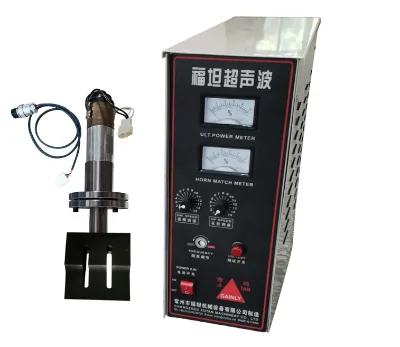


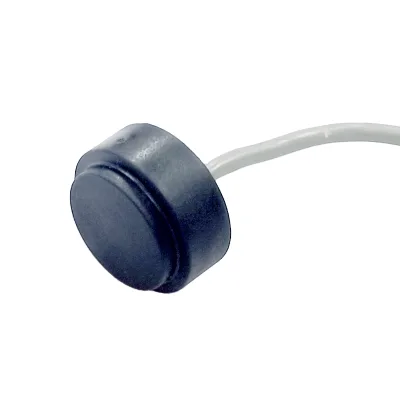
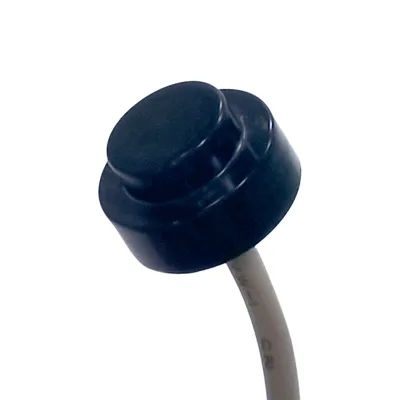
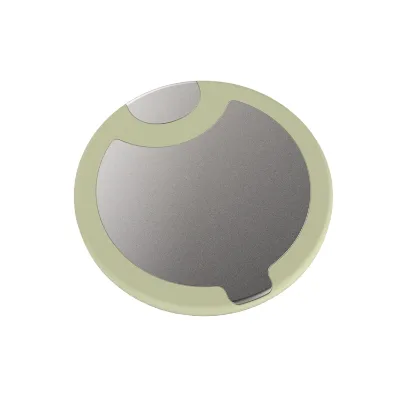
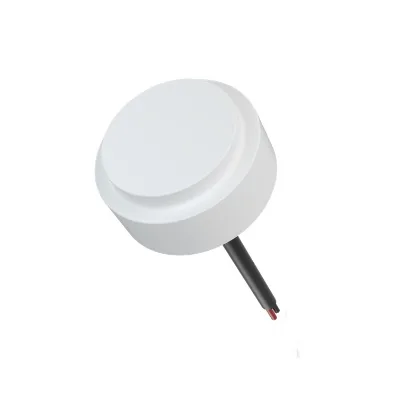
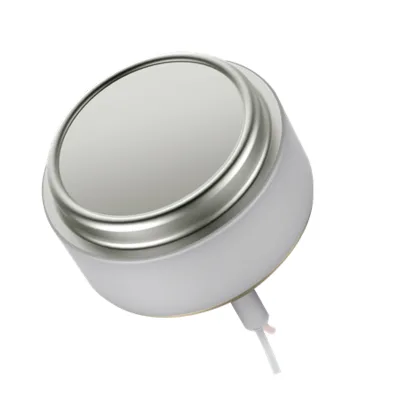
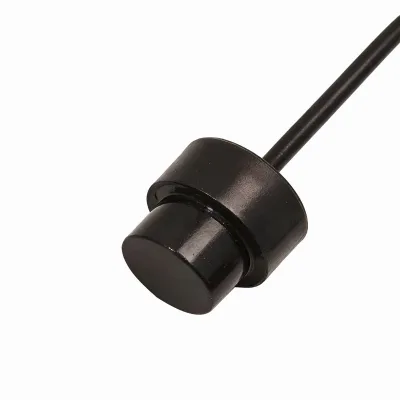


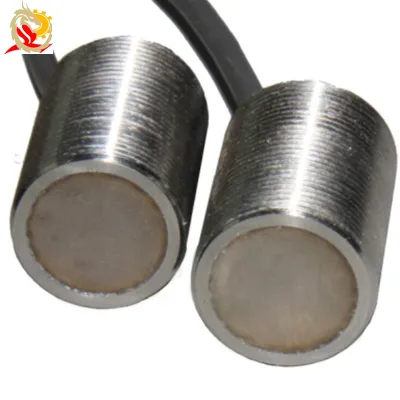
200KHz Stainless Steel Material Ultrasonic Transducer for Gas Flow meter Sensor
$38.00 - $50.00
MOQ: 1 pieces


Manufacturer Digital Type Ultrasonic Transducer Piezo Ceramic Flow/Water Meter
$2.00 - $2.20
MOQ: 1000 Pieces


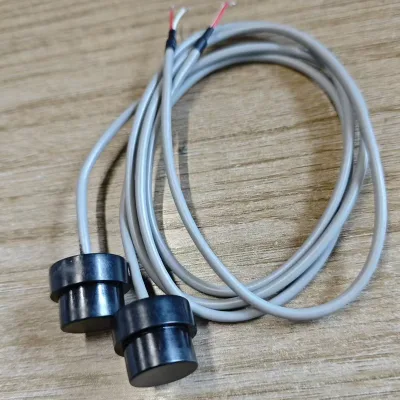
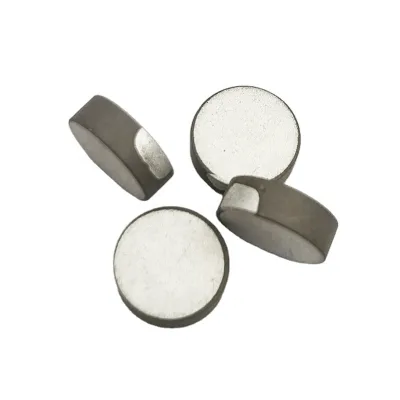
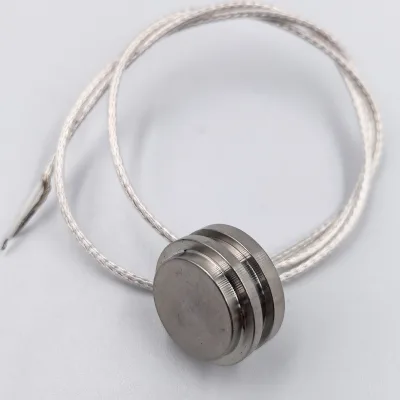
Comprehensive Sourcing Guide
Ultrasonic Ceramic Flow Transducer Sourcing Guide
Procuring ultrasonic ceramic flow transducers requires a disciplined approach to technical verification and supplier qualification, as these components serve as the critical interface between fluid dynamics and electronic signal processing. Buyers must recognize that while the core keyword suggests a specific material composition, the actual market listings reveal a diverse array of configurations, including piezoelectric ceramic variants and alternative transducer types. The observed product data indicates that manufacturers often bundle various ultrasonic spare parts under similar categorizations, ranging from high-frequency flow sensors to general-purpose ultrasonic components. This diversity necessitates a rigorous initial screening process to ensure that the selected transducer aligns precisely with the intended application, whether it involves water metering, industrial flow measurement, or specialized acoustic testing.
The sourcing landscape is characterized by significant variability in specifications, with observed listings displaying frequencies from 15Khz to 20Khz, as well as distinct 1 MHz and 2 MHz variants. This wide spectrum implies that buyers cannot rely on generic product titles alone; instead, they must demand detailed datasheets that confirm the resonant frequency, impedance, and capacitance values relevant to their specific system architecture. Furthermore, the presence of customization options in the market suggests that off-the-shelf solutions may not always meet unique engineering requirements. Consequently, early engagement with suppliers to clarify technical constraints is essential, ensuring that the final procurement decision is based on verified performance metrics rather than assumed compatibility, thereby mitigating the risk of integration failures in downstream applications.
Product Scope and Observed Listing Signals
The current market for ultrasonic flow transducers exhibits a broad scope, encompassing everything from standard spare parts to highly specialized sensors with distinct mounting and radiation modes. Observed listings highlight products with specific attributes such as air-conduction transmission, rubber-edge cones, and direct radiation types, indicating that the term "flow transducer" may sometimes be used loosely to describe broader ultrasonic component categories. Buyers should note that some items are explicitly described as ultrasonic water meter components, while others are labeled as general ultrasonic sensors or spare parts for ultrasonic machines. This ambiguity in product classification underscores the importance of scrutinizing the detailed description and model numbers, such as JT-HNQ or US0072-2, to distinguish between true flow measurement devices and auxiliary ultrasonic hardware.
In addition to functional descriptions, the observed data reveals significant variation in physical and packaging specifications, which can impact logistics and installation planning. Products are listed with varying single package sizes, such as 15X10X3 cm or 10X15X2 cm, and gross weights ranging from 0.100 kg to 20 kg, suggesting a mix of small electronic components and larger mechanical assemblies. The presence of features like 1 MHz or 2 MHz operation, along with specific housing materials like plastic, further diversifies the product scope. Buyers must carefully map these observed signals to their internal bill of materials, ensuring that the physical dimensions, weight, and operational frequency of the procured transducer are compatible with their existing infrastructure and handling capabilities.
Technical Specifications to Verify
Verifying the electrical and acoustic parameters of ultrasonic flow transducers is paramount to ensuring system reliability and measurement accuracy. Key specifications to confirm include the resonant frequency, which can vary significantly between 15Khz, 18Khz, 20Khz, 1 MHz, and 2 MHz depending on the specific model and application. Buyers must also verify the impedance values, as observed listings show ranges such as 450650 Ω for 1 MHz models and 2575 Ω for other variants, which directly affect the matching network design and power efficiency. Additionally, capacitance values, typically cited as 1130±20% pF or 600±20% pF, are critical for tuning the circuit and must be validated against the supplier’s latest batch data to prevent signal degradation or mismatched resonance conditions.
Beyond electrical characteristics, mechanical and environmental specifications play a crucial role in the longevity and performance of the transducer in real-world conditions. Installation diameter, such as 16.8mm, and mounting types, like inlaid configurations, must be precisely matched to the housing or pipe design to ensure a secure and leak-proof seal. Operating temperature ranges, observed between +0.1~+90℃ and storage temperatures from -25~+90℃, define the operational limits and must be cross-referenced with the intended environment to avoid thermal stress failures. Furthermore, maximum working pressure, noted as 2.5 MPa in some listings, is a vital safety parameter that must be confirmed to ensure the transducer can withstand the hydraulic loads of the specific flow system without structural compromise.
Compliance and Safety Documentation
Ensuring that ultrasonic flow transducers meet relevant regulatory and safety standards is a non-negotiable aspect of the procurement process. Buyers should request certification documents to verify compliance with international quality and safety benchmarks, such as ISO9001 for quality management systems, CE for European market conformity, and CCC for Chinese market requirements. These certifications provide assurance that the manufacturing processes adhere to established protocols, reducing the risk of defects and ensuring consistent product quality across batches. Additionally, compliance with environmental standards like ROHS is essential, particularly for products intended for use in regions with strict regulations on hazardous substances, ensuring that the transducer materials are safe for both manufacturing and end-use disposal.
Beyond formal certifications, buyers must also verify that the product documentation includes detailed technical datasheets and safety data sheets that outline the transducer’s operational limits and handling instructions. These documents should clearly specify the radiation mode, transmission type, and any potential electromagnetic interference considerations, which are critical for integrating the transducer into complex electronic systems. It is also important to confirm the warranty terms, although observed data indicates that warranty information may sometimes be unavailable, highlighting the need for robust quality assurance agreements. By prioritizing suppliers who provide comprehensive and verifiable compliance documentation, buyers can mitigate legal and operational risks associated with non-conforming products.
Cost Drivers and Commercial Terms
The cost structure of ultrasonic flow transducers is influenced by a variety of factors, including material composition, manufacturing complexity, and order volume. Observed price ranges in the market span from $0.31 to $1000, reflecting the diversity from simple spare parts to high-precision, specialized sensors. Buyers should analyze these prices in the context of the specified minimum order quantities (MOQ), which range from 1 to 5000 units, to determine the most cost-effective purchasing strategy. Higher MOQs may offer significant per-unit discounts, but they also increase inventory holding costs and financial risk, so buyers must balance volume discounts against their actual consumption rates and storage capabilities.
Lead times and packaging details are additional commercial terms that impact the total cost of ownership and supply chain efficiency. Observed lead times of 3-7 days suggest a relatively agile supply chain, but buyers should confirm whether these times apply to standard stock items or customized orders, as customization can extend production schedules. Packaging, typically described as standard export cartons or export standard packages, must be evaluated for its ability to protect the transducers during transit, especially given the varying gross weights and package sizes. Negotiating clear terms regarding shipping responsibilities, payment methods, and return policies is essential to avoid hidden costs and ensure a smooth procurement experience, particularly when dealing with international suppliers from regions like Ningbo or Guangdong.
Supplier Qualification and Quality Control
Selecting a reliable supplier for ultrasonic flow transducers requires a thorough evaluation of their manufacturing capabilities and quality control processes. Buyers should prioritize suppliers who demonstrate a clear understanding of ultrasonic wave theory and possess the technical expertise to support customization requests, as indicated by the availability of custom options in the market. Verifying the supplier’s production facilities, including their testing equipment for frequency, impedance, and capacitance, is crucial to ensuring that the products meet the specified technical parameters. Additionally, assessing the supplier’s track record in delivering consistent quality, particularly for high-volume orders, can provide insights into their operational stability and reliability.
Quality control measures should be explicitly defined in the procurement agreement, including requirements for incoming material inspections, in-process testing, and final product verification. Buyers should request sample units for rigorous testing before committing to large orders, using these samples to validate the transducer’s performance under actual operating conditions. It is also important to establish clear communication channels for addressing any quality issues or discrepancies, ensuring that the supplier is responsive and willing to collaborate on solutions. By investing time in supplier qualification and establishing robust quality control protocols, buyers can minimize the risk of receiving defective products and ensure long-term supply chain resilience.
Long-Term Procurement Checks
Establishing a framework for long-term procurement checks is essential for maintaining the quality and reliability of ultrasonic flow transducer supplies over time. Buyers should implement periodic audits of supplier performance, focusing on metrics such as on-time delivery, defect rates, and responsiveness to technical queries. Regularly reviewing the supplier’s certification status and compliance documentation is also critical, as regulatory requirements and industry standards may evolve, necessitating updates to the procurement specifications. By maintaining a proactive approach to supplier management, buyers can identify potential issues early and take corrective actions before they impact production or product quality.
Furthermore, buyers should continuously monitor market trends and technological advancements in ultrasonic flow transducer technology to ensure that their procurement strategies remain aligned with industry best practices. This includes staying informed about new materials, designs, or testing methods that could offer improved performance or cost savings. Engaging in ongoing dialogue with suppliers about future product developments and potential customization needs can also help buyers stay ahead of changing requirements. By fostering a collaborative relationship with suppliers and committing to continuous improvement, buyers can secure a stable and competitive supply of ultrasonic flow transducers that supports their long-term business objectives.
FAQs
What is the frequency range for these ultrasonic ceramic flow transducers?
The available frequency options include 20Khz, 18Khz, and 15Khz for general ultrasonic machine use. Additionally, specific models operate at 1MHz or 2MHz for flow measurement applications. These variations allow selection based on the required transmission mode and application precision.
Can I customize the Ultrasonic Ceramic Flow Transducer for my project?
Yes, customization is available for these ultrasonic spare parts. Buyers can request specific modifications to meet unique operational requirements. This flexibility ensures the transducer integrates effectively with existing ultrasonic water meters or flow measurement systems, supporting tailored industrial or commercial implementations.
What certifications do these ultrasonic transducers hold?
These products hold ISO9001, CCC, and CE certifications. These credentials verify compliance with international quality and safety standards. Such documentation supports procurement processes by ensuring the ultrasonic ceramic flow transducers meet regulatory requirements for export and installation in various global markets.
What is the lead time for ordering these ultrasonic transducers?
The standard lead time is 3-7 days. This rapid turnaround supports urgent procurement needs for ultrasonic spare parts. Buyers can plan their supply chain logistics accordingly, ensuring timely delivery of components like the JT-HNQ model or other specified ultrasonic flow transducers.
What is the MOQ for purchasing these ultrasonic ceramic flow transducers?
The minimum order quantity ranges from 1 to 5000 units. This flexible MOQ accommodates both small-scale testing and large-volume industrial deployments. Buyers can select quantities that align with their budget and operational scale without being forced into excessive initial purchases.
Where are these ultrasonic ceramic flow transducers manufactured?
The products originate from Ningbo and Guangdong, China. This geographic sourcing provides access to established manufacturing hubs for ultrasonic components. Buyers can leverage this location data to assess logistics costs and supply chain reliability when sourcing ultrasonic ceramic flow transducers for their projects.