Source Universal Fuel Tank Mounting Bracket for Auto, Industrial, Construction
Find 30 listings for the Universal Fuel Tank Mounting Bracket suitable for automotive, industrial, and construction applications. Compare specifications including material, pressure ratings, and customization options from verified suppliers; compare the available evidence and request quotations based on your requirements.
Updated
Key considerations
Products List


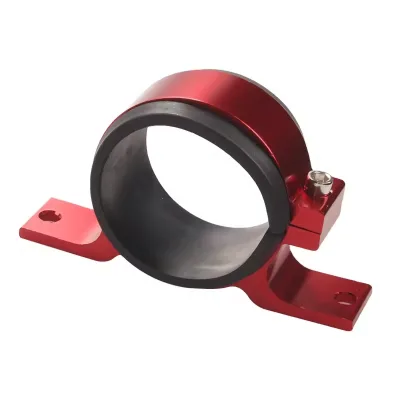
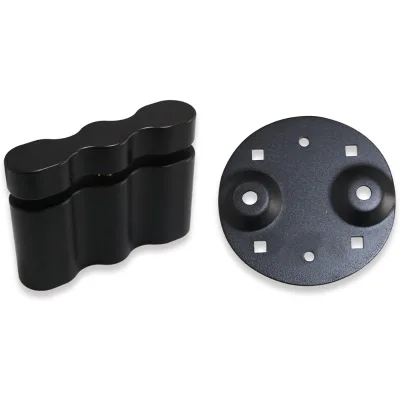
OEM Universal Fitting Pressure Vessel Quick Strap Expansion Tank Mounting Bracket
$2.65 - $3.00
MOQ: 10000 Pieces
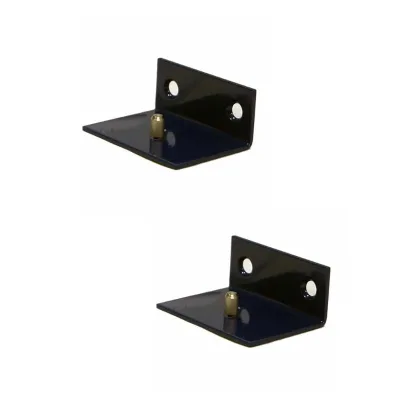


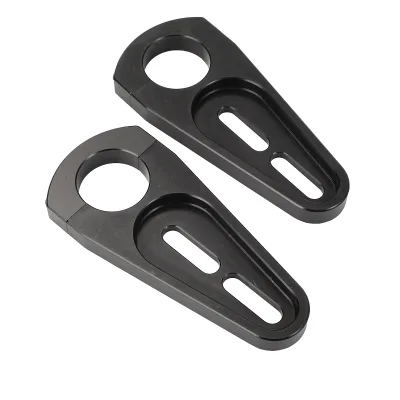
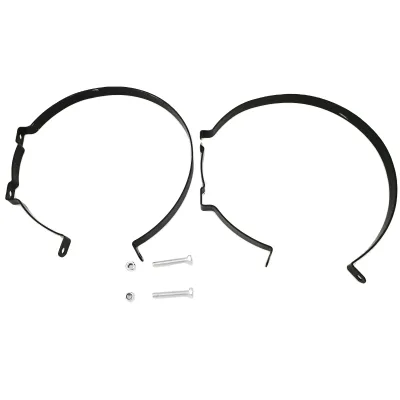
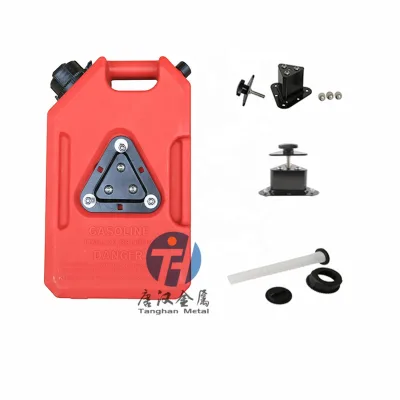


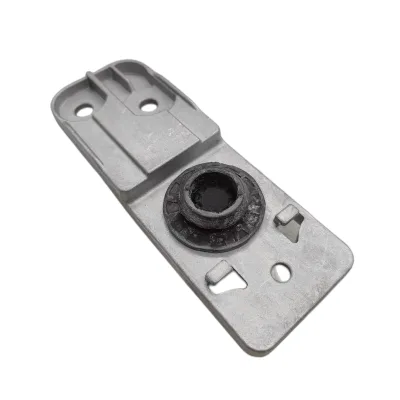
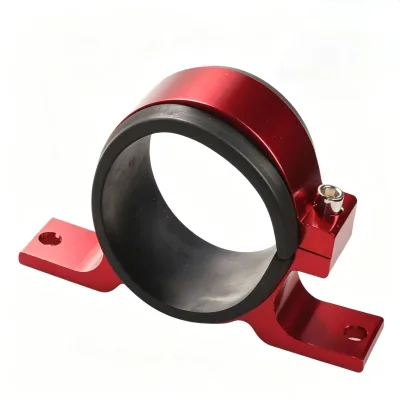
Shock Resistant Auto Fuel Tank Brackets for Vehicle Fuel Systems Zinc Casting
$0.90 - $10.00
MOQ: 1 Pieces
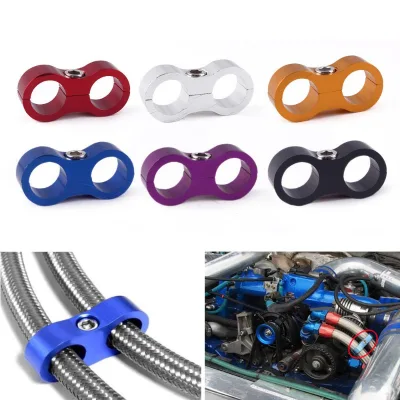
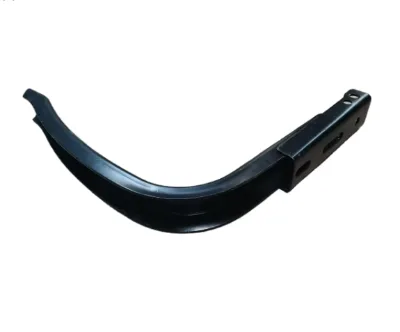
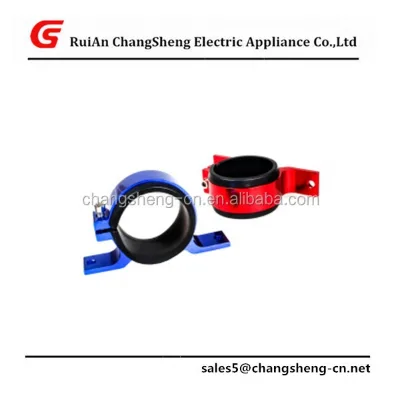
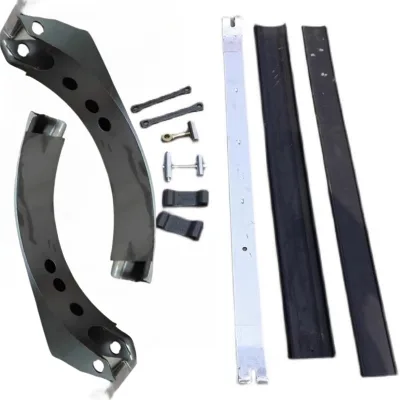
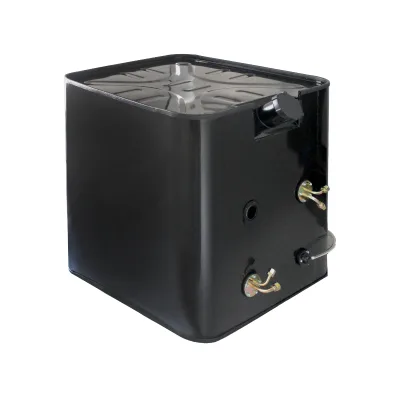
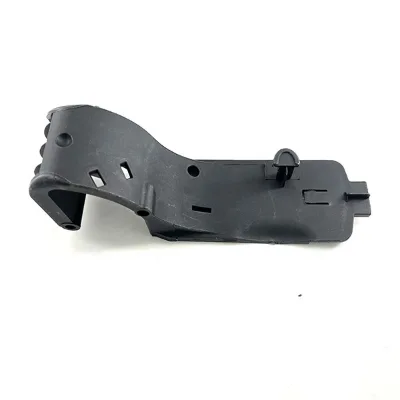

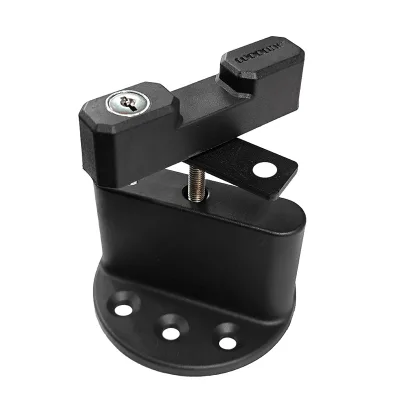
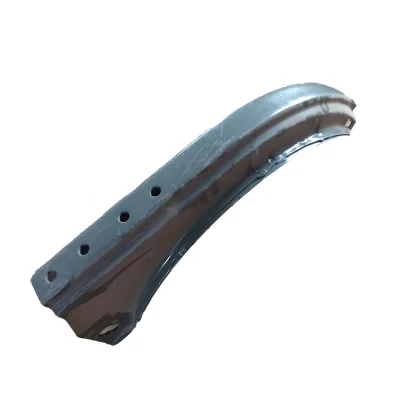
Comprehensive Sourcing Guide
Universal Fuel Tank Mounting Bracket Sourcing Guide
Sourcing a Universal Fuel Tank Mounting Bracket requires careful evaluation of material compatibility and structural integrity to ensure long-term vehicle safety. Buyers must prioritize components that offer robust corrosion resistance, as these brackets are often exposed to harsh environmental conditions and potential fluid leaks. The observed market data indicates a wide range of materials, including stainless steel, carbon steel, aluminum, and brass, each offering distinct advantages in weight, strength, and cost. Understanding these material properties is essential for selecting the right bracket for specific vehicle types, from heavy-duty trucks to compact passenger cars.
The customization options available in the current supply chain allow for tailored solutions that meet precise engineering requirements. Many suppliers offer OEM services, enabling buyers to source brackets that fit specific vehicle models such as Volkswagen, BMW, Toyota, and Ford, among others. This flexibility is crucial for aftermarket parts distributors and original equipment manufacturers who need to maintain compatibility across diverse vehicle platforms. By leveraging these customization capabilities, procurement teams can secure components that not only fit but also enhance the overall structural performance of the fuel system installation.
Product Scope and Observed Listing Signals
The current market for universal fuel tank mounting brackets displays significant variation in product specifications and packaging standards. Listings reveal that products are often packaged in wooden boxes or paper boxes, with single package sizes varying considerably. For instance, some items are listed with a single gross weight of just 0.010 kg, while others may weigh up to 0.24 kg, indicating differences in bracket size and material thickness. These variations suggest that buyers should carefully review the physical dimensions and weight specifications to ensure the selected bracket meets the load-bearing requirements of their specific application.
Price points and minimum order quantities (MOQs) also vary widely, with observed prices ranging from $0.15 to $200 and MOQs from 1 to 10,000 units. This broad range accommodates both small-scale repair shops and large-scale automotive manufacturers. The presence of adjustable types and compact structures further diversifies the product scope, allowing for versatile installation options. Buyers should note that some listings specify working pressures up to 35 BAR, which may be relevant for pressurized systems, although standard fuel tank brackets typically do not require such high-pressure ratings.
Technical Specifications to Verify
When evaluating technical specifications, buyers must verify the tolerance levels and structural design of the mounting brackets. Observed data indicates that tolerances can range from 0.01mm to 0.1mm, which is critical for ensuring a precise fit and secure attachment to the vehicle chassis. The structure of the bracket, whether it is a single-side bracket, triangle bracket, or other custom design, must align with the vehicle's mounting points. Additionally, the surface treatment options, such as anodizing, plating, powder coating, or polishing, play a vital role in protecting the bracket from corrosion and wear over time.
Material composition is another key technical factor that requires verification. Suppliers offer brackets made from stainless steel, carbon steel, aluminum, brass, copper, and titanium, each with different mechanical properties. Buyers should confirm the specific material grade and thickness to ensure adequate strength and durability. Furthermore, the drawing formats provided by suppliers, including 2D, 3D, CAD, DWG, STEP, and PDF, facilitate accurate engineering reviews and prototyping. Ensuring that the bracket's dimensions match the vehicle's specifications is essential for a successful installation.
Compliance and Safety Documentation
Compliance with international standards is a critical aspect of sourcing fuel tank mounting brackets. Many suppliers hold certifications such as ISO9001 and TS16949, which indicate adherence to quality management systems specific to the automotive industry. These certifications ensure that the manufacturing processes are consistent and reliable, reducing the risk of defects in the final product. Buyers should request copies of these certificates to verify the supplier's compliance status and ensure that the components meet the necessary safety and quality benchmarks.
In addition to quality certifications, buyers should verify that the brackets meet relevant safety standards for automotive applications. While specific safety standards may vary by region, the presence of CE certification in some listings suggests compliance with European safety requirements. It is important to ensure that the materials used in the brackets are compatible with fuel systems and do not degrade over time. Buyers should also confirm that the supplier provides a manufacturer guarantee, typically ranging from 12 months, to protect against potential defects or failures in the product.
Cost Drivers and Commercial Terms
Several factors influence the cost of universal fuel tank mounting brackets, including material selection, manufacturing complexity, and order volume. The use of premium materials like stainless steel or titanium can significantly increase the unit price compared to carbon steel or aluminum options. Additionally, custom designs that require CNC machining or specialized stamping processes may incur higher costs due to the increased labor and equipment time involved. Buyers should consider the total cost of ownership, including shipping and handling, when evaluating quotes from different suppliers.
Commercial terms such as MOQs and lead times also play a significant role in procurement planning. Suppliers may offer lower prices for larger order volumes, but buyers must balance this with their inventory management capabilities. The observed MOQ range of 1 to 10,000 units provides flexibility for both small and large buyers. It is advisable to negotiate clear terms regarding payment methods, shipping responsibilities, and return policies to mitigate financial risks. Understanding these commercial dynamics helps buyers secure favorable pricing and reliable supply chains.
Supplier Qualification and Quality Control
Supplier qualification is essential to ensure the reliability and consistency of the mounting brackets. Buyers should assess the supplier's production equipment, which may include CNC machining, stamping machines, and fastener and spring machines. These capabilities indicate the supplier's ability to produce high-quality components with precise tolerances. Additionally, verifying the supplier's quality control processes, such as 100% inspection, is crucial for identifying and eliminating defective products before they reach the customer.
The supplier's after-sales service and support are also important considerations. A responsive after-sales team can address any issues related to product quality or delivery promptly. Buyers should inquire about the supplier's experience in the automotive industry and their track record with similar clients. Requesting samples before placing a large order allows buyers to evaluate the product's quality firsthand. Establishing a strong relationship with a qualified supplier ensures a steady supply of high-quality mounting brackets for ongoing projects.
Long-Term Procurement Checks
Long-term procurement success depends on regular performance reviews and continuous improvement initiatives. Buyers should monitor the quality of delivered brackets over time, tracking any issues related to fit, finish, or durability. Establishing key performance indicators (KPIs) such as defect rates, on-time delivery, and customer satisfaction can help assess supplier performance objectively. Regular audits of the supplier's quality management systems ensure that they maintain high standards and comply with relevant regulations.
Supply chain resilience is another critical factor for long-term procurement. Buyers should diversify their supplier base to mitigate risks associated with single-source dependencies. Building relationships with multiple qualified suppliers provides flexibility in case of disruptions in production or logistics. Additionally, staying informed about industry trends and technological advancements allows buyers to adopt new materials or manufacturing processes that enhance product performance. By implementing these long-term checks, buyers can ensure a stable and efficient supply of universal fuel tank mounting brackets.
FAQs
Can this Universal Fuel Tank Mounting Bracket be customized?
Yes, customization is available for this Universal Fuel Tank Mounting Bracket. Buyers can provide 2D, 3D, CAD, DWG, STEP, PDF, or IGS drawing formats to specify unique requirements. The product supports OEM service, allowing for tailored solutions that fit specific vehicle or industrial applications while maintaining structural integrity.
What certifications does the Universal Fuel Tank Mounting Bracket hold?
The Universal Fuel Tank Mounting Bracket holds CE and ISO certifications, including ISO9001 and TS16949 standards. These certifications ensure compliance with international quality and safety regulations. The product is suitable for major car brands such as Volkswagen, Benz, BMW, and Toyota, verifying its reliability for automotive and industrial use cases.
What materials are used for the Universal Fuel Tank Mounting Bracket?
The Universal Fuel Tank Mounting Bracket is manufactured from various materials including stainless steel, carbon steel, aluminum, brass, copper, and titanium. The body material is primarily steel, with options for specific alloys based on drawing requirements. This variety allows for selection based on corrosion resistance, strength, and weight preferences for different environments.
What is the minimum order quantity for the Universal Fuel Tank Mounting Bracket?
The minimum order quantity for the Universal Fuel Tank Mounting Bracket ranges from 1 to 10,000 units. This flexible MOQ accommodates both small-scale prototyping and large-volume industrial procurement. Buyers can negotiate specific quantities based on their project needs, ensuring cost-effective sourcing for diverse business scales and inventory requirements.
Where is the Universal Fuel Tank Mounting Bracket manufactured?
The Universal Fuel Tank Mounting Bracket is manufactured in Guangdong, China. The production utilizes CNC machining, stamping machines, and fastener equipment to ensure precision. With a tolerance of 0.01mm to 0.1mm, the manufacturing process guarantees high-quality output suitable for demanding automotive and industrial mounting applications globally.
What surface treatments are available for the Universal Fuel Tank Mounting Bracket?
Available surface treatments for the Universal Fuel Tank Mounting Bracket include anodizing, plating, powder coating, heat treatment, oxide, polishing, and custom options. Specific finishes like polished, black, chrome, zinc, and passivated surfaces are offered. These treatments enhance durability and corrosion resistance, ensuring the bracket performs well in various environmental conditions.