Source Vanilla Whey Protein for sports nutrition, baking, and smoothies
Compare 30 listings for Vanilla Whey Protein from verified suppliers. Buyers can evaluate protein content, packaging options, and customization services for health food applications. Explore different grades, extraction types, and storage methods to find the best fit for your specific manufacturing needs and budget constraints.
Updated
Key considerations
Products List
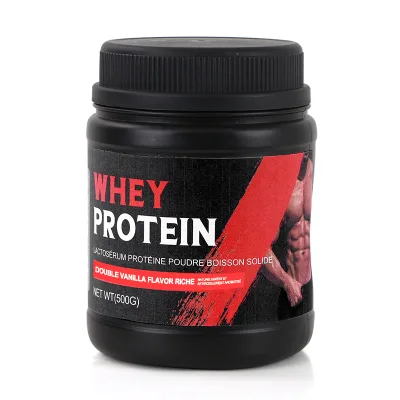

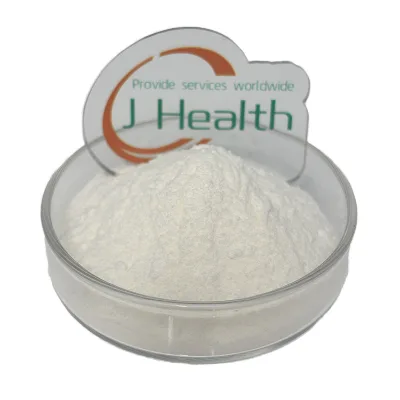


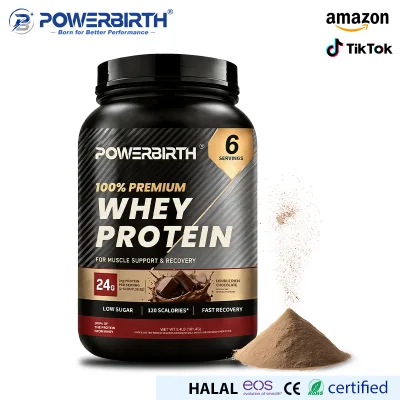


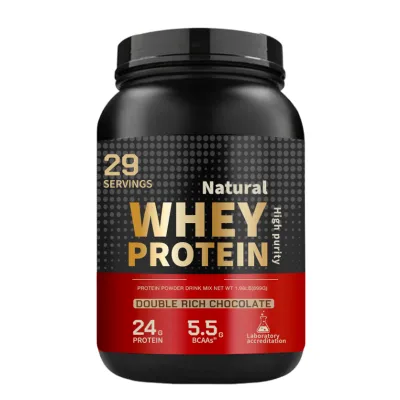


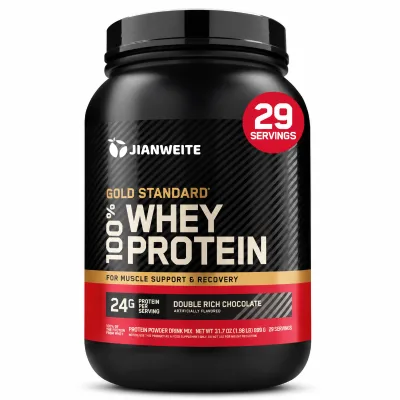
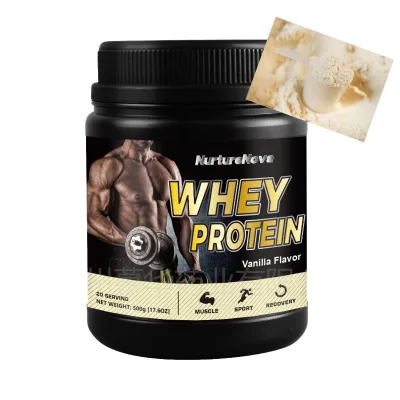
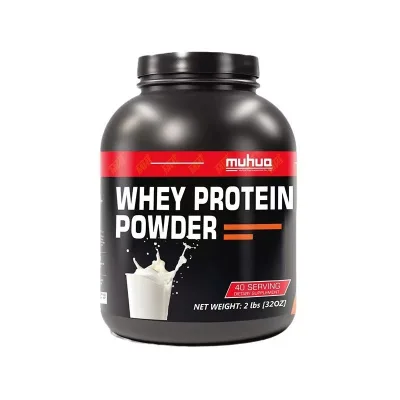
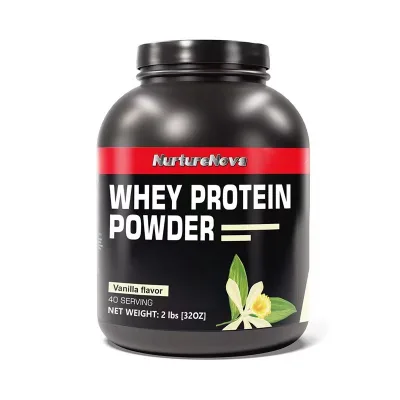
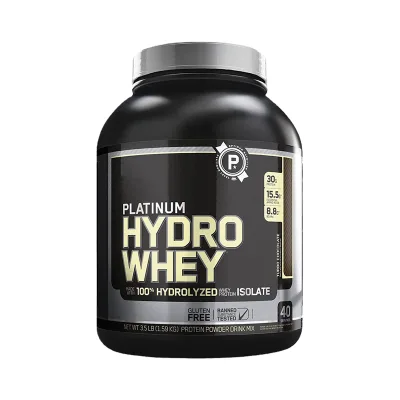
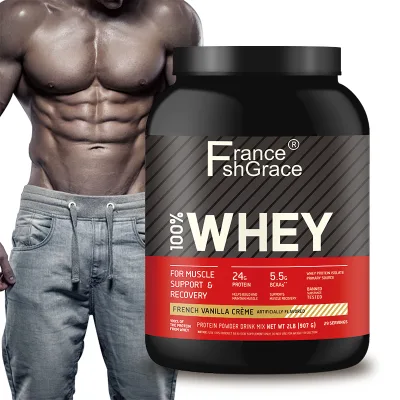
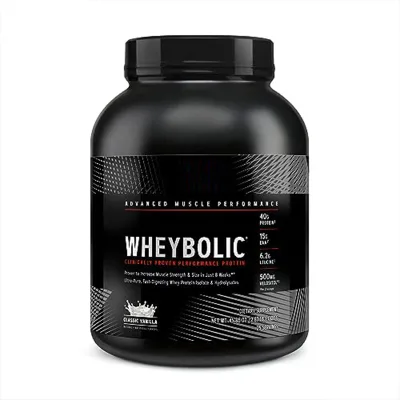
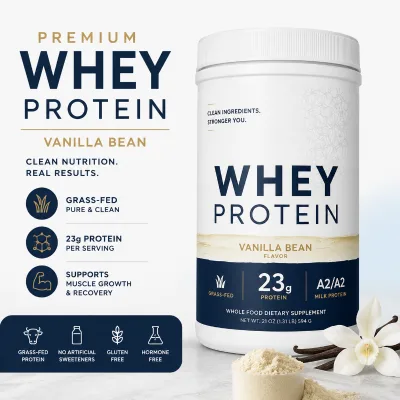
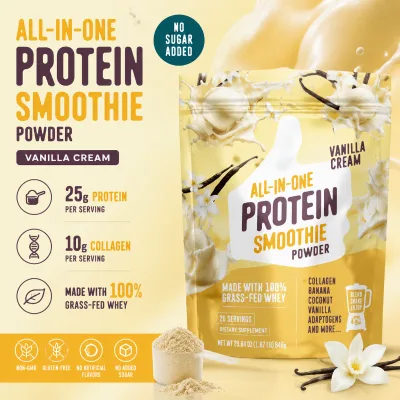
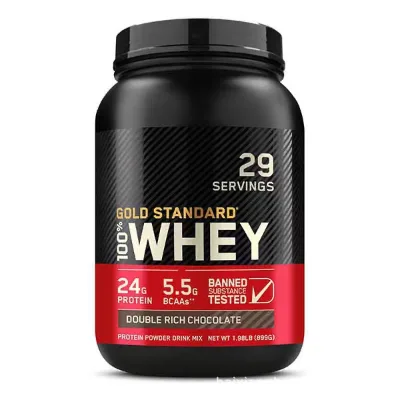
Comprehensive Sourcing Guide
Vanilla Whey Protein Sourcing Guide
Sourcing Vanilla Whey Protein requires careful attention to product specifications and supplier capabilities, particularly when dealing with ingredients that serve as foundational components for health foods and nutritional supplements. The market offers a variety of forms, ranging from standard powders to specialized isolates, each with distinct functional properties that influence end-product quality. Buyers must distinguish between general protein powders and those specifically formulated for memory and sleep improvement, as the target demographic and regulatory requirements differ significantly. Understanding these nuances is critical for aligning procurement strategies with specific formulation goals and ensuring that the final product meets the intended consumer needs without compromising safety or efficacy.
Procurement decisions are further complicated by the diversity of available packaging and storage requirements, which directly impact logistics and shelf-life management. Suppliers may offer products in various formats, including plastic drums, paper bags, or cartons, with weights ranging from small retail units to bulk industrial quantities. It is essential to verify the storage method, such as cool dry places or normal conditions, to prevent degradation of the vanilla flavor and protein integrity during transit and storage. Additionally, buyers should assess the customization options available, such as OEM/ODM services, to ensure that the supplier can accommodate specific branding or labeling requirements while maintaining consistent quality across large production runs.
Product Scope and Observed Listing Signals
The observed product landscape includes items explicitly labeled as whey protein powder, with some listings highlighting specific applications such as improving memory and sleep, which suggests a targeted functional benefit beyond basic nutrition. These products are generally intended for adult consumers and are not suitable for newborns, indicating a clear demographic boundary that must be respected in marketing and distribution channels. The appearance of these powders varies, with some described as milk white or dark purple fine powder, although vanilla variants typically align with the milk white description. Buyers should carefully review the product name and main ingredient details to confirm that the vanilla flavoring is integrated appropriately without introducing unwanted additives or allergens that could affect consumer acceptance.
Listing signals also reveal a wide range of model numbers and specifications, such as JHealth-Whey Protein Powder or generic food-grade designations, which reflect the heterogeneity of the supply base. Some products are derived from natural resources and utilize liquid-solid extraction methods, while others may involve artificial planting processes for associated ingredients like fruits used in flavoring. The shelf life is consistently noted as exceeding twelve months, with specific listings indicating twenty-four months or two years, providing buyers with ample time for inventory management. However, the presence of different packaging materials, including plastic and paper, necessitates a thorough evaluation of material compatibility to ensure that the Vanilla Whey Protein remains protected from moisture and contamination throughout its lifecycle.
Technical Specifications to Verify
Verifying the technical specifications of Vanilla Whey Protein is paramount to ensuring consistency in formulation and final product performance. Buyers should confirm the nutrient composition, particularly the protein content, and verify that the active substance content exceeds ninety percent where applicable, as this directly impacts the nutritional value and cost-effectiveness of the ingredient. The dosage form is typically powder, but the particle size and solubility characteristics can vary significantly between suppliers, affecting how easily the protein integrates into beverages or food matrices. It is crucial to request detailed technical data sheets that outline the physical properties, such as appearance and odor, to ensure they meet the sensory requirements of the final product, especially for vanilla-flavored items where aroma is a key quality indicator.
Additionally, the model number and product standard serve as critical identifiers for traceability and quality control, with some listings specifying food-grade or health food-grade classifications. Buyers must ensure that the supplier’s production standards align with their own quality benchmarks, particularly regarding the extraction type and purity levels. For instance, some products are labeled with a ninety-nine percent standard, which may refer to protein purity or overall composition, but this requires clarification to avoid misunderstandings. The single package size and gross weight information provided in listings can also help in planning logistics and storage, but buyers should verify these dimensions against actual supplier capabilities to prevent discrepancies in shipping and handling costs.
Compliance and Safety Documentation
Compliance and safety documentation form the backbone of a reliable Vanilla Whey Protein supply chain, ensuring that products meet regulatory requirements in target markets. Buyers must request certificates of analysis (COAs) that verify the absence of contaminants and confirm the accuracy of nutritional claims, such as protein content and vanilla flavoring integrity. Given that some products are intended for health food applications, it is essential to ensure that the supplier adheres to relevant food safety standards and that the manufacturing facility is certified for producing health-grade ingredients. The documentation should also include information on the cultivation method, particularly if any plant-based additives are used, to ensure that artificial planting practices do not introduce harmful residues or allergens into the final product.
Furthermore, buyers should verify the supplier’s ability to provide comprehensive traceability records, from raw material sourcing to final packaging, to facilitate quick responses in case of quality issues or recalls. The storage method and shelf life information provided in listings must be validated through stability testing data, ensuring that the Vanilla Whey Protein maintains its quality over the specified period. It is also important to confirm that the packaging material, whether plastic or paper, meets food-contact safety standards and provides adequate protection against moisture and oxygen, which can degrade the protein and alter the vanilla flavor. Clear communication with suppliers regarding these compliance requirements is essential to mitigate risks and ensure that the sourced ingredients are safe for consumer use.
Cost Drivers and Commercial Terms
Cost drivers for Vanilla Whey Protein include the purity level, packaging format, and customization requirements, all of which influence the final price and commercial terms. Buyers should be aware that products with higher protein content or specialized functional benefits, such as memory and sleep improvement, may command a premium price due to the additional processing and quality control involved. The MOQ, which can range from twenty-five kilograms to one thousand kilograms, also plays a significant role in pricing, with larger orders typically benefiting from economies of scale. Understanding these cost factors allows buyers to negotiate more effectively and align their procurement volumes with their production needs, avoiding unnecessary inventory costs or supply chain disruptions.
Commercial terms, including payment methods and lead times, are critical components of the sourcing strategy, with some suppliers requiring fifty percent advance payment and the balance against copy bills of lading. Buyers should carefully review these terms to ensure they align with their cash flow management and risk tolerance, while also considering the implications of different packaging options on shipping costs. The availability of OEM/ODM services may incur additional fees, but these can be justified if they enhance brand differentiation or meet specific market demands. By establishing clear commercial agreements and maintaining open communication with suppliers, buyers can secure favorable terms that support long-term procurement goals and ensure a stable supply of high-quality Vanilla Whey Protein.
Supplier Qualification and Quality Control
Supplier qualification is a critical step in ensuring the reliability and consistency of Vanilla Whey Protein supplies, requiring a thorough assessment of the supplier’s manufacturing capabilities and quality management systems. Buyers should verify that the supplier has a proven track record in producing food-grade or health food-grade ingredients, with a focus on facilities that adhere to strict hygiene and safety protocols. The ability to provide customization, such as private labeling or specific packaging formats, is also an important factor, as it indicates the supplier’s flexibility and commitment to meeting diverse customer needs. Conducting on-site audits or requesting third-party quality audits can provide valuable insights into the supplier’s operational practices and help identify potential risks before they impact the supply chain.
Quality control measures should be clearly defined and agreed upon with the supplier, including regular testing of incoming materials and finished products to ensure compliance with specified standards. Buyers should establish clear acceptance criteria for key parameters such as protein content, moisture level, and vanilla flavor intensity, and require that the supplier provide detailed test results for each batch. The use of standardized packaging materials, such as plastic drums or paper bags, should be verified to ensure they meet food-contact safety requirements and provide adequate protection during transit. By implementing robust quality control processes and maintaining close collaboration with suppliers, buyers can minimize the risk of quality issues and ensure that the Vanilla Whey Protein meets their exact specifications.
Long-Term Procurement Checks
Long-term procurement checks are essential for maintaining the integrity and reliability of the Vanilla Whey Protein supply chain, requiring ongoing monitoring and evaluation of supplier performance. Buyers should establish key performance indicators (KPIs) to track metrics such as on-time delivery, product quality, and responsiveness to issues, using this data to identify areas for improvement and address potential problems proactively. Regular reviews of supplier documentation, including COAs and compliance certificates, should be conducted to ensure that the supplier continues to meet regulatory requirements and maintains high standards of quality. By staying vigilant and proactive, buyers can mitigate risks and ensure a stable supply of Vanilla Whey Protein that supports their business objectives.
Additionally, buyers should periodically reassess their supplier base to identify opportunities for diversification and cost optimization, while also exploring new technologies or ingredients that may enhance product performance. Building strong relationships with suppliers through open communication and collaborative problem-solving can lead to mutual benefits, such as improved product quality and more favorable commercial terms. It is also important to stay informed about market trends and regulatory changes that may impact the Vanilla Whey Protein industry, allowing buyers to adapt their procurement strategies accordingly. By implementing a comprehensive long-term procurement strategy, buyers can secure a reliable and cost-effective supply of Vanilla Whey Protein that supports their growth and success in the market.
FAQs
What is the main ingredient in this Vanilla Whey Protein powder?
The main ingredient is whey protein powder, specifically identified as whey protein isolate in the product specifications. This natural resource provides a high concentration of protein, with active substance content exceeding 90%. It is designed as a health food application, offering a milk white powder appearance suitable for adult consumption and dietary supplementation needs.
Can adults use this Vanilla Whey Protein supplement safely?
Yes, this product is applicable for adults and is not suitable for newborns. It is formulated as a herbal extract type supplement with a protein nutrient composition. The dosage form is powder, allowing for flexible integration into daily routines. Users should store it in a cool, dry place to maintain its integrity over the 24-month shelf life.
What are the packaging and storage requirements for this product?
The product is available in various packaging options including plastic drums, bottles, and 20kg cartons. Storage methods recommend a cool, dry place or normal conditions to preserve quality. The packaging material ensures protection during transit, with single gross weights varying by package size. Customized labels are acceptable for OEM and ODM requests.
What is the minimum order quantity for bulk purchases?
The minimum order quantity varies by supplier, with observed values ranging from 25kg to 1000kg. Some listings indicate an MOQ of 25kg, while others require 1000kg for specific grades. Buyers should verify the exact MOQ with the manufacturer, as it depends on the specific product model and packaging configuration selected for the order.
Where is this Vanilla Whey Protein powder manufactured?
The product originates from Shaanxi, China, with the place of origin explicitly listed as China. The manufacturing process involves liquid-solid extraction to achieve the desired powder form. Suppliers are located in this region, offering both standard and customized production options for international buyers seeking reliable sourcing partners for health food ingredients.
Does this product offer customization for branding purposes?
Yes, customization is available for this Vanilla Whey Protein powder. Suppliers accept OEM and ODM requests, allowing for customized labels on the packaging. This service enables buyers to brand the product according to their specific market needs. The model number and specifications can be tailored to meet distinct commercial requirements while maintaining product quality.