Source Sugar Free Lemon Multivitamin Powder for Health, Beauty, and Energy
Find 30 verified suppliers for Sugar Free Lemon Multivitamin Powder. Compare customization options, packaging sizes, and certifications like GMP and ISO to source high-quality antioxidant and immunity-boosting vitamin blends for diverse applications; compare the available evidence and request quotations based on your requirements.
Updated
Key considerations
Products List


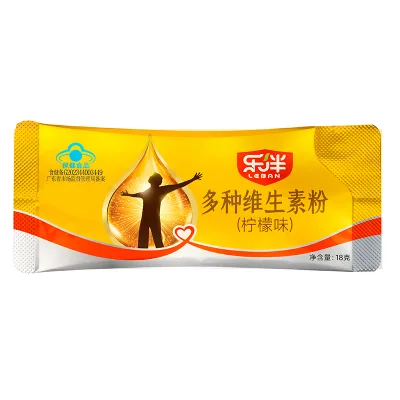


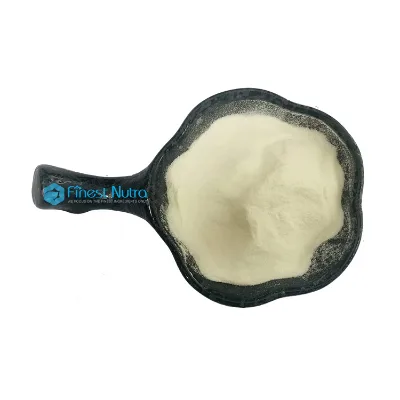


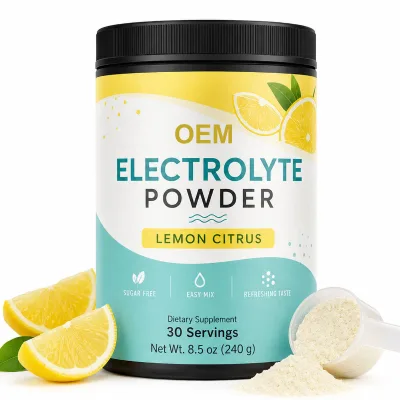


Yichao OEM Dietary Supplement Gummy Vitamins Sugar Free Multivitamin Gummy
$0.02 - $0.04
MOQ: 19999 Pieces


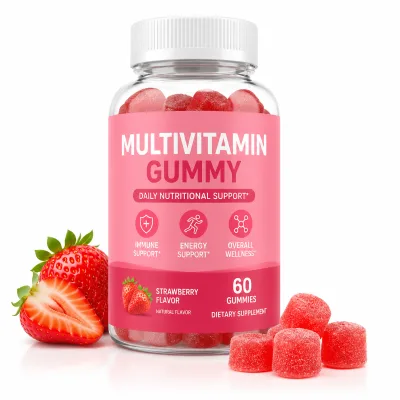

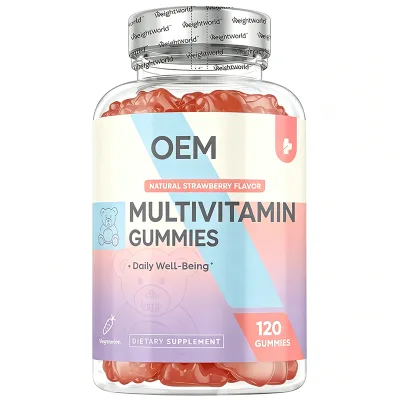


Comprehensive Sourcing Guide
Sugar Free Lemon Multivitamin Powder Sourcing Guide
Sourcing sugar-free lemon multivitamin powder requires careful evaluation of formulation integrity and supplier transparency. Buyers must prioritize vendors who clearly disclose ingredient profiles, particularly the absence of sucrose and the specific vitamin blend used. The observed market data indicates a diverse range of products, from pure chemical synthetic drugs to complex multivitamin blends. Procurement teams should verify whether the product is classified as a growth-promoting medicine or a general dietary supplement, as this distinction dictates regulatory compliance and end-use applicability.
The supply chain for these powders is heavily concentrated in China, with significant origins in Hebei, Guangdong, and Shaanxi provinces. This geographic concentration offers competitive pricing but necessitates rigorous due diligence on manufacturer credentials. Buyers should assess the manufacturer’s capacity to provide consistent quality across different batch sizes, ranging from small sample orders to large industrial drums. Understanding the specific storage requirements, such as protection from high temperatures or light, is critical for maintaining product efficacy during transit and warehousing.
Product Scope and Observed Listing Signals
The current market landscape for sugar-free lemon multivitamin powder reveals a wide spectrum of product types and specifications. Listings indicate the presence of both single-ingredient powders, such as Ascorbic Acid, and complex multivitamin formulations containing Vitamin C, B2, B1, B6, Pantothenic acid, and Niacinamide. The physical form is consistently reported as powder, with packaging options varying from small retail-sized bags of 10g to industrial drums of 25kg. This variability allows buyers to select packaging that aligns with their distribution model, whether for direct-to-consumer sales or bulk industrial processing.
Observed attributes highlight specific functional claims, including antioxidant properties, immunity enhancement, and skin health maintenance. Some products are explicitly marketed for beauty applications, while others focus on providing energy and general health support. The flavor profile is frequently described as fruity or lemon, catering to consumer preference for palatable supplements. Buyers must distinguish between products labeled as "The First Class" or "The Second Class" and those categorized under general vitamins, as these classifications may reflect different regulatory standards or quality tiers within the Chinese manufacturing ecosystem.
Technical Specifications to Verify
Technical verification begins with confirming the exact model number and physical specifications of the powder. Buyers should request detailed data sheets that specify the single package size, such as 27x14x5 cm for certain retail packs, and the single gross weight, which is often around 0.4 kg for smaller units. It is essential to verify the dosage form and ensure it matches the intended application, whether for human consumption or animal feed. The presence of customization options for size and formulation allows for tailored solutions, but buyers must confirm the minimum order quantities associated with these custom specifications.
Storage conditions are a critical technical parameter that directly impacts product stability. Suppliers frequently specify storage in cool, dry places, away from direct sunlight, and protection from extreme temperatures. Buyers must validate that the supplier’s logistics partners can maintain these conditions throughout the supply chain. Additionally, the shelf-life, typically observed at 24 months, should be clearly stated on the product label. Verifying the main ingredient list against the label is crucial to ensure no undeclared additives or allergens are present, especially for products marketed as sugar-free.
Compliance and Safety Documentation
Compliance documentation is paramount when sourcing multivitamin powders, given the strict regulations surrounding food and pharmaceutical products. Buyers should insist on comprehensive certification packages, including COA, GMP, ISO, HACCP, HALA, MUI-HALAL, AEO, and FSSC certifications. These documents provide evidence that the manufacturing facility adheres to international quality and safety standards. The presence of multiple certifications suggests a robust quality management system, but buyers must verify the validity and scope of each certificate to ensure they cover the specific product being purchased.
Regulatory classification also plays a significant role in compliance. Products may be categorized as chemical synthetic drugs, growth-promoting medicines, or general vitamins, each with different regulatory requirements. Buyers must ensure that the supplier provides the necessary documentation for the specific classification of the product. For instance, if the product is intended for human consumption, it must meet food safety standards, whereas products for animal use may require veterinary drug approvals. Clear labeling of the product name, brand, and manufacturer, such as Guangdong Xinle Foods Co., Ltd., is essential for traceability and regulatory audits.
Cost Drivers and Commercial Terms
Cost structures for multivitamin powders are influenced by several factors, including the complexity of the formulation, packaging requirements, and order volume. The observed price range of 0.02 to 35 USD per unit reflects significant variation based on product type and quantity. Buyers should analyze the cost per gram or kilogram to compare value across different suppliers. Higher prices may correlate with premium certifications, specialized packaging, or complex ingredient blends, while lower prices might indicate basic formulations or larger bulk orders.
Commercial terms, particularly the minimum order quantity (MOQ), vary widely from 1 unit to 60,000 units. This flexibility allows buyers to start with small test orders before committing to larger volumes. However, buyers must consider the total landed cost, including shipping, insurance, and potential tariffs. The availability of customization options may also impact pricing, as tailored formulations or packaging sizes often require additional setup costs. Negotiating favorable payment terms and lead times is essential to manage cash flow and ensure timely delivery, especially for large-scale procurement projects.
Supplier Qualification and Quality Control
Supplier qualification involves a thorough assessment of the manufacturer’s capabilities and quality control processes. Buyers should verify the manufacturer’s location, such as Guangdong, Hebei, or Shaanxi, and assess their production capacity and history. Requesting samples for independent testing is a critical step to verify product quality, including potency, purity, and absence of contaminants. Buyers should also evaluate the supplier’s responsiveness and ability to provide technical support, as this indicates their commitment to customer satisfaction and long-term partnership.
Quality control measures should be integrated into the procurement process, including regular audits and inspections. Buyers should inquire about the supplier’s testing protocols, including in-process controls and final product testing. The availability of detailed product specifications, such as model numbers and packaging details, is a positive indicator of a professional supplier. Additionally, buyers should assess the supplier’s ability to handle repeated medication requirements or specific pharmacodynamic factors, ensuring the product meets the intended use case. Establishing a clear communication channel for quality issues is essential for resolving problems promptly.
Long-Term Procurement Checks
Long-term procurement success depends on continuous monitoring of supplier performance and market trends. Buyers should establish key performance indicators (KPIs) to track delivery times, product quality, and customer satisfaction. Regular reviews of supplier certifications and compliance status are necessary to ensure ongoing adherence to regulatory requirements. Buyers should also stay informed about changes in ingredient sourcing and manufacturing practices, as these can impact product quality and availability. Building a diversified supplier base can mitigate risks associated with single-source dependencies.
Strategic planning for future procurement should include evaluating new product innovations and market demands. Buyers should engage in regular dialogue with suppliers to discuss potential improvements in formulation, packaging, or pricing. Monitoring competitor activities and consumer preferences can help identify opportunities for product differentiation. Additionally, buyers should consider the environmental and social impact of their procurement decisions, seeking suppliers who demonstrate sustainability practices. By maintaining a proactive approach to supplier management, buyers can ensure a stable and reliable supply of sugar-free lemon multivitamin powder.
FAQs
What is the shelf life of the multivitamin powder?
The shelf life is 24 months when stored correctly. You must keep the product in a cool and dry place, avoiding direct sunlight to maintain potency. This storage method ensures the antioxidant properties and vitamin integrity remain stable throughout the entire period, preventing degradation from heat or light exposure.
Can the packaging be customized for bulk orders?
Yes, customization is available for various packaging needs. Options include 10g, 20g, 50g, 100g, 1kg, and 5kg units, as well as 25kg drums. This flexibility allows buyers to select the most suitable format for their distribution channels, ensuring efficient handling and storage while meeting specific client requirements.
Which certifications are provided for the multivitamin powder?
The product comes with comprehensive certifications including COA, GMP, ISO, HACCP, HALA, MUI-HALAL, AEO, and FSSC. These credentials verify quality and safety standards, ensuring compliance with international regulations. Buyers can rely on these documented standards to facilitate smooth import processes and meet strict regulatory requirements in their target markets.
What are the main ingredients in this powder?
The main ingredients include Vitamin C, B2, B1, B6, Pantothenic acid, and Niacinamide. These components work together to provide antioxidant effects and maintain healthy skin and mucous membranes. The formulation is designed to enhance immunity and provide energy, making it suitable for various health and wellness applications across different demographics.
Where is the multivitamin powder manufactured?
The product originates from multiple locations in China, including Hebei, Guangdong, and Shaanxi provinces. This widespread manufacturing base supports diverse supply chain needs. Buyers can select suppliers based on specific regional advantages, logistical convenience, or specialized production capabilities available in these key industrial hubs within the country.
What is the minimum order quantity for this product?
The minimum order quantity ranges from 1 to 60,000 units depending on the supplier and packaging configuration. This wide range accommodates both small trial orders and large-scale industrial purchases. Buyers can negotiate specific MOQs based on their volume requirements, ensuring flexibility for startups or established enterprises seeking consistent supply.