Source Gluten-Free Hydrogen Water Capsules for Immunity, Energy, and Antioxidant
Find 30 verified listings for gluten-free hydrogen water capsules designed to improve immunity, provide energy, and offer antioxidant support. Compare specifications, MOQs, and OEM services from manufacturers in Guangdong, China; compare the available evidence and request quotations based on your requirements.
Updated
Key considerations
Products List
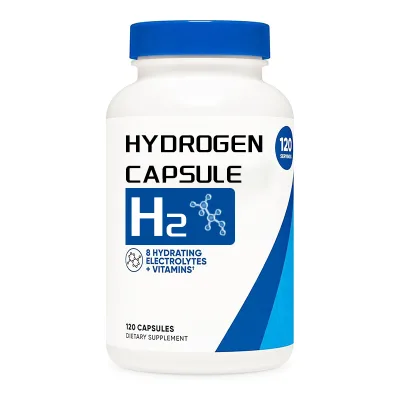
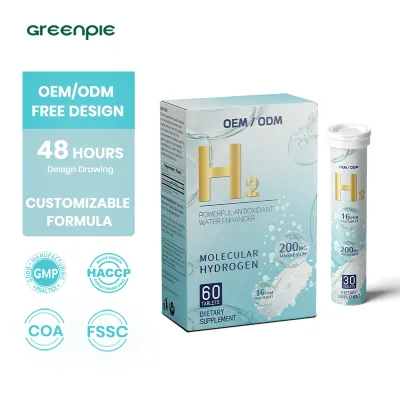
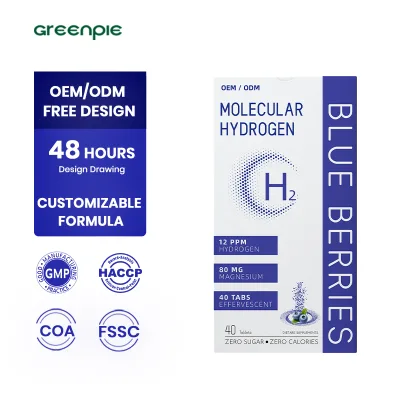
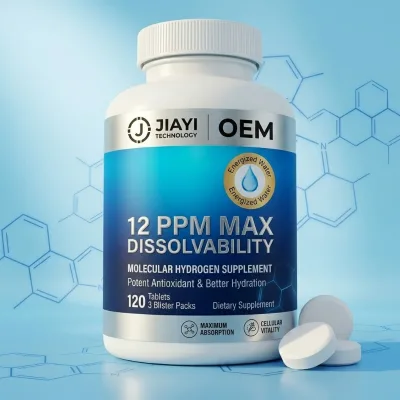
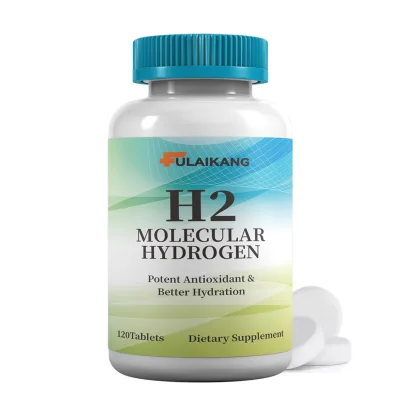
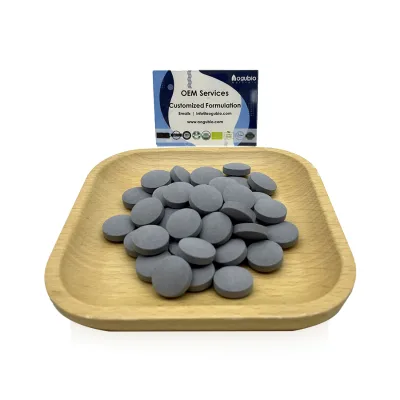
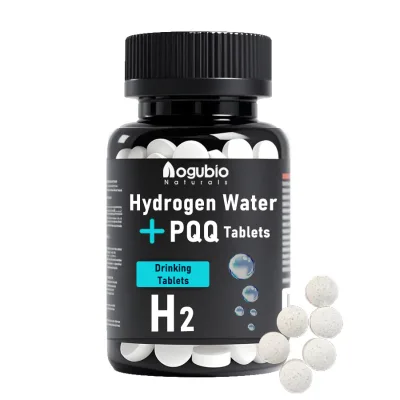
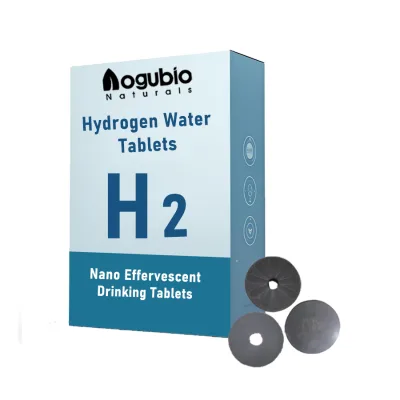
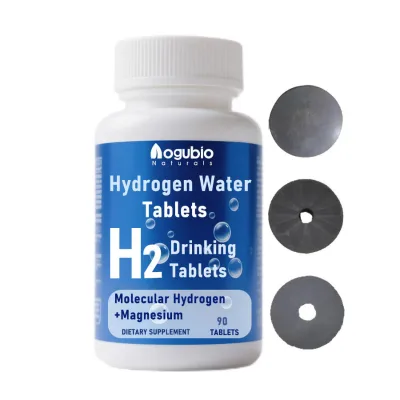
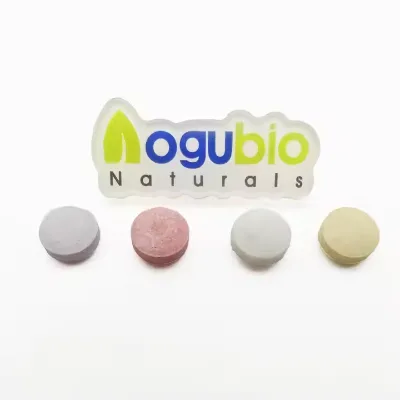
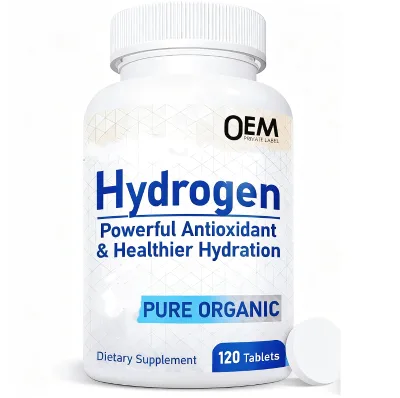
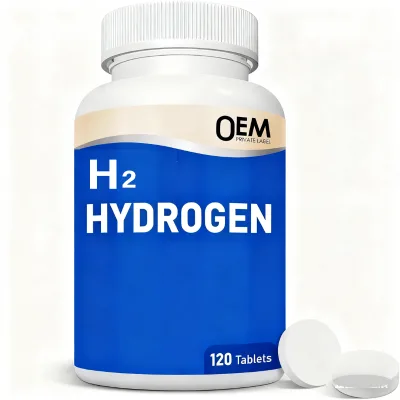
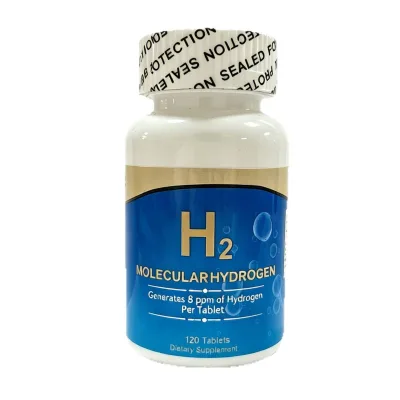
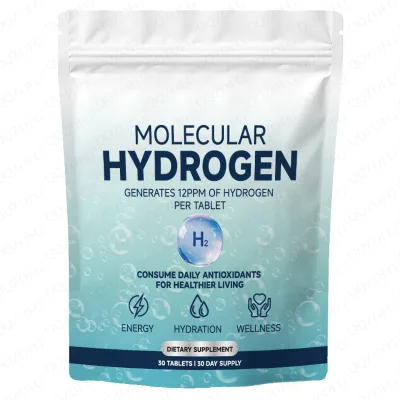
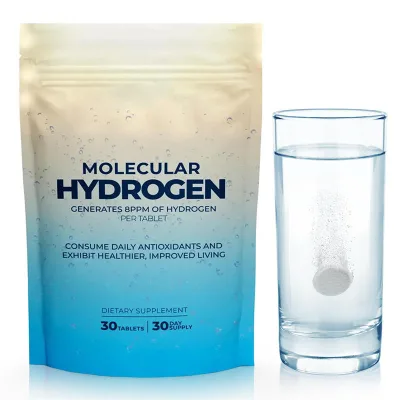


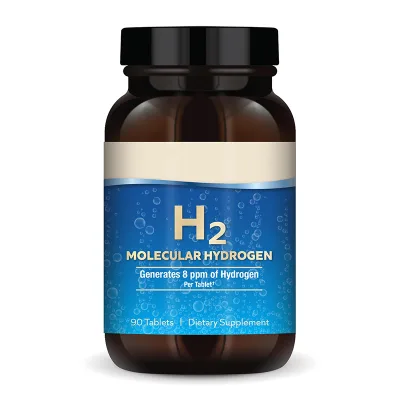
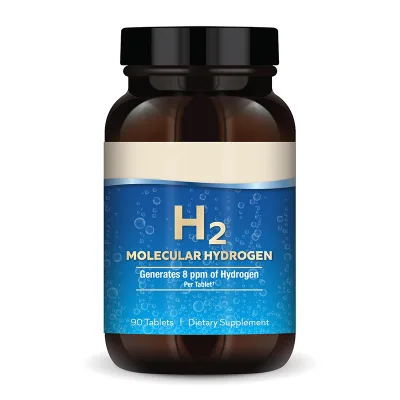
Fast Dissolving Hydrogen Tablets for Enhanced Brain Function and Vitality
$0.01 - $0.06
MOQ: 100000 capsules
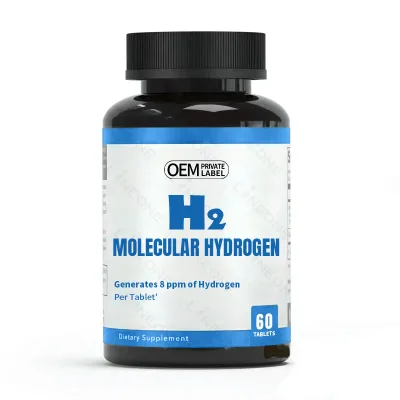
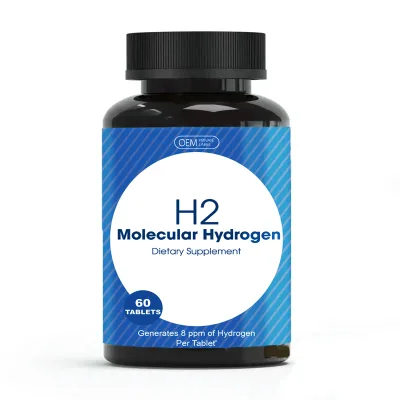
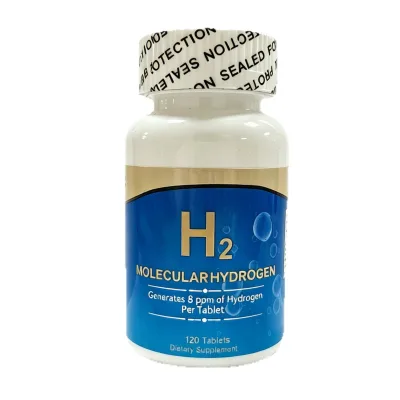
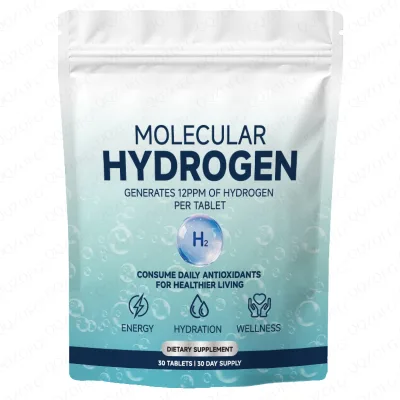




Comprehensive Sourcing Guide
Gluten-Free Hydrogen Water Capsules Sourcing Guide
Procuring gluten-free hydrogen water capsules requires a nuanced understanding of both the supplement format and the specific chemical delivery mechanisms involved. Buyers must distinguish between traditional oral capsules containing elemental hydrogen sources and effervescent tablets designed to release hydrogen upon contact with water. The market offers distinct product forms, including hard gelatin or vegetarian capsules and soluble tablets, each serving different consumer preferences and logistical needs. Understanding these physical distinctions is critical for aligning supplier capabilities with your brand’s positioning and target demographic requirements.
The core value proposition for these products often centers on antioxidant support and energy management, appealing to health-conscious adults seeking natural dietary supplements. However, the term "hydrogen water capsules" can be ambiguous, sometimes referring to magnesium-based compounds that generate hydrogen gas in the stomach rather than pre-loaded hydrogen gas. Sourcing teams must clarify whether the product is a direct hydrogen supplement or a precursor compound, as this affects regulatory classification, storage requirements, and consumer education strategies. Clear definition prevents misalignment between marketing claims and actual product functionality.
Product Scope and Observed Listing Signals
Market listings for gluten-free hydrogen supplements reveal a diverse range of product attributes, primarily originating from manufacturing hubs in Guangdong, China. Common observations include products labeled as "Hydrogen Capsules" or "Hydrogen Water Tablets," with main ingredients often citing hydrogen elemental magnesium silicon based compounds or sodium bicarbonate mixed with magnesium and citric acid. These formulations are typically marketed with benefits such as improving immunity, providing energy, and offering antioxidant support, targeting adult consumers who prioritize natural and gluten-free dietary options.
Packaging and physical specifications vary significantly across suppliers, with single gross weights ranging from 0.200 kg to 0.500 kg per unit or package. Storage instructions consistently emphasize keeping products in cold, dry places to maintain stability, with shelf lives generally noted as 24 months. Buyers should note that while some products are explicitly labeled as gluten-free, others may only specify natural ingredients without explicit gluten certification. Verifying the specific dietary specialty claims on a per-supplier basis is essential to ensure compliance with strict gluten-free branding standards.
Technical Specifications to Verify
Technical verification must begin with the dosage form and main ingredient composition, as these define the product’s efficacy and regulatory pathway. For capsule-based products, confirm whether the shell is gelatin or plant-based, and verify that the internal fill contains the stated hydrogen-generating compounds, such as magnesium or silicon-based elements. For tablet forms, assess the dissolution rate and flavor profile, as fruity flavors are common in effervescent types. The model numbers and single package sizes, such as 20x20x20 cm or 30x35x25 cm, indicate varying logistical footprints that impact shipping costs and warehouse storage efficiency.
Applicability and contraindications are critical technical parameters that must be explicitly documented. Most observed products specify applicability to adults, men, women, and sometimes children, while explicitly excluding pregnant women, newborns, and infants. Buyers must ensure that the supplier’s technical data sheets accurately reflect these restrictions to mitigate liability risks. Additionally, verify the additive content, such as dextrose or OEM-specific blends, as these can affect the final product’s nutritional profile and suitability for specific dietary restrictions beyond gluten-free requirements.
Compliance and Safety Documentation
Compliance documentation for hydrogen supplements must address both food safety standards and specific dietary claims. Since many products are marketed as gluten-free, buyers should request evidence of gluten testing results to confirm the absence of cross-contamination, even if the ingredient list appears clean. The "Natural" dietary specialty claim also requires substantiation, ensuring that no synthetic additives violate the natural labeling standards of the target market. Suppliers should provide certificates of analysis (COA) that verify the purity of magnesium, citric acid, and other core ingredients against heavy metal and microbial limits.
Safety documentation must also cover the specific contraindications listed, such as the exclusion of pregnant women and newborns. Buyers need to verify that the supplier’s labeling guidelines comply with local regulations regarding health claims, such as "improving immunity" or "antioxidant support," which may be restricted in certain jurisdictions. Additionally, confirm that the storage method instructions, such as keeping the product in a cold and dry place, are clearly communicated on the packaging to ensure product stability throughout the supply chain. Proper documentation prevents regulatory penalties and protects brand reputation.
Cost Drivers and Commercial Terms
Cost structures for hydrogen supplements are influenced by raw material volatility, particularly for magnesium and specialized hydrogen-generating compounds. The minimum order quantity (MOQ) typically ranges from 500 bottles to 100,000 units, allowing for flexibility but impacting unit economics. Buyers should analyze how MOQ tiers affect pricing, as larger volumes often secure better rates but increase inventory holding costs. The service model, which frequently includes OEM, ODM, and private label options, adds value but may involve higher setup fees or minimums for custom formulations and packaging designs.
Commercial terms also encompass sample availability and lead times, which are crucial for product validation and supply chain planning. Most suppliers support sample requests, enabling buyers to test product quality, dissolution rates, and packaging integrity before committing to large orders. However, lead times can vary based on customization complexity and production capacity. Buyers should negotiate clear terms for sample costs and refundability upon bulk order placement. Understanding these commercial dynamics helps in forecasting total landed costs and managing cash flow effectively.
Supplier Qualification and Quality Control
Supplier qualification requires a rigorous assessment of manufacturing capabilities and quality management systems. Buyers should verify that the supplier has experience in producing gluten-free and natural supplements, with dedicated production lines to prevent cross-contamination. Quality control processes must include incoming material inspection, in-process monitoring, and final product testing for potency, dissolution, and microbial safety. Suppliers offering OEM/ODM services should demonstrate robust R&D capabilities to support custom formulations and packaging innovations.
On-site audits or third-party inspections are recommended to validate the supplier’s adherence to Good Manufacturing Practices (GMP). Buyers should review the supplier’s traceability systems, ensuring that raw materials can be traced back to their sources. Additionally, assess the supplier’s ability to provide consistent product quality across batches, particularly for critical attributes like shelf life and storage stability. A qualified supplier will have documented procedures for handling deviations and continuous improvement initiatives, ensuring long-term reliability and product consistency.
Long-Term Procurement Checks
Long-term procurement success depends on continuous monitoring of product performance and market feedback. Buyers should establish a feedback loop with end-users to track efficacy, taste, and any adverse reactions, particularly regarding the specified contraindications. Regular re-evaluation of supplier performance is necessary to ensure consistent quality, on-time delivery, and compliance with evolving regulatory standards. Suppliers must be held accountable for maintaining the integrity of gluten-free and natural claims throughout the product lifecycle.
Strategic partnerships with suppliers who offer flexible OEM/ODM services can provide a competitive advantage by enabling rapid product iteration and customization. Buyers should explore opportunities for co-developing new formulations or packaging solutions that address emerging consumer trends. Additionally, maintaining a diversified supplier base can mitigate risks associated with supply chain disruptions. Regular audits and performance reviews ensure that the procurement strategy remains aligned with business goals and consumer expectations, fostering sustainable growth in the gluten-free hydrogen supplement market.
FAQs
What are the main ingredients in these gluten-free hydrogen capsules?
The main ingredients include hydrogen elemental magnesium and silicon based compounds. These capsules are formulated to be natural and gluten-free, suitable for adults seeking immunity improvement. The product is designed to support health through specific elemental components without unnecessary additives.
Can I request custom packaging for these hydrogen water capsules?
Yes, the supplier offers OEM ODM private label service with bottle packing customization. Buyers can tailor the packaging to their brand needs while maintaining the required storage conditions. This service supports distinct branding strategies for distributors and retailers in the global market.
What is the minimum order quantity for these hydrogen capsules?
The minimum order quantity is 500 bottles for this specific product line. This MOQ allows for flexible sourcing for small to medium businesses. Buyers should verify if other models have different thresholds, as some listings indicate ranges from 100 to 100,000 units depending on the variant.
How should these hydrogen capsules be stored to maintain quality?
Store the capsules in a dry and cool place to preserve efficacy. The shelf life is 24 months when kept under these conditions. Proper storage ensures the hydrogen elemental magnesium and silicon based ingredients remain stable and effective for the intended health benefits throughout the product's lifespan.
Are these hydrogen capsules suitable for children or pregnant women?
No, these capsules are not applicable for pregnant women, newborns, or children. They are specifically formulated for adults only. This restriction ensures safety for vulnerable populations. Buyers should clearly communicate this limitation to end consumers to prevent misuse and ensure appropriate usage among the target adult demographic.
What is the single gross weight of the hydrogen capsule package?
The single gross weight is 0.200 kg for the capsule variant. This weight helps in calculating shipping costs and logistics planning. Buyers can use this data to estimate freight expenses accurately. The packaging size is 20x20x20 cm, facilitating efficient storage and handling during transit.