Source Vegan Glucosamine Chondroitin Gummy for Joint Health
Find 30 Vegan Glucosamine Chondroitin Gummy options from China. Compare OEM/ODM capabilities, certifications like GMP and HACCP, and customization for joint health support. Explore pectin-based formulas, various flavors, and bulk packaging for adult dietary needs; compare the available evidence and request quotations based on your requirements.
Updated
Key considerations
Products List
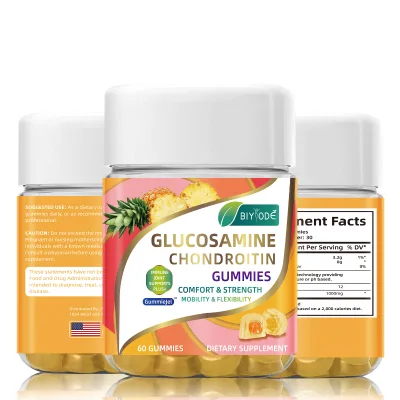


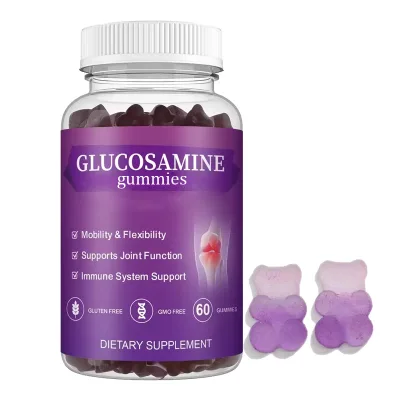
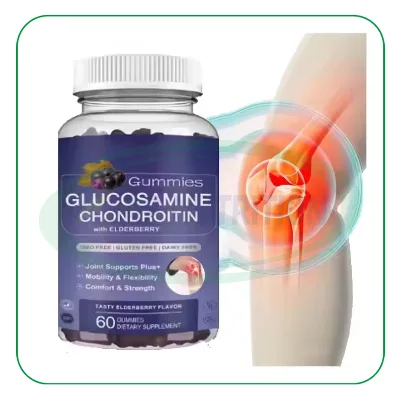
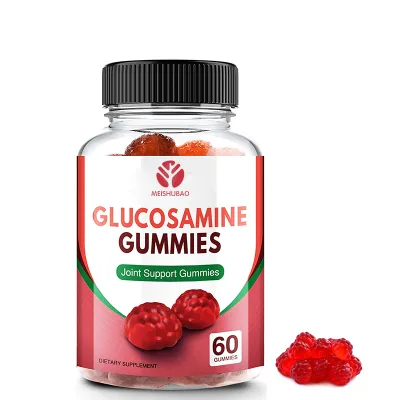
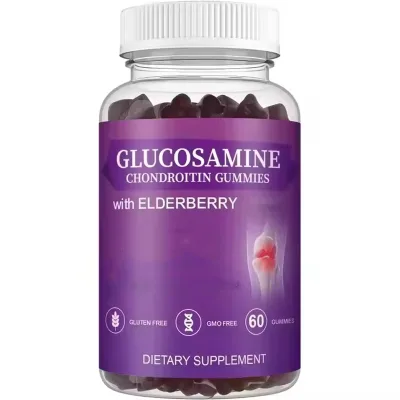
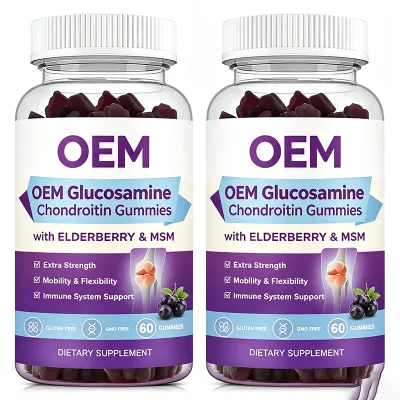
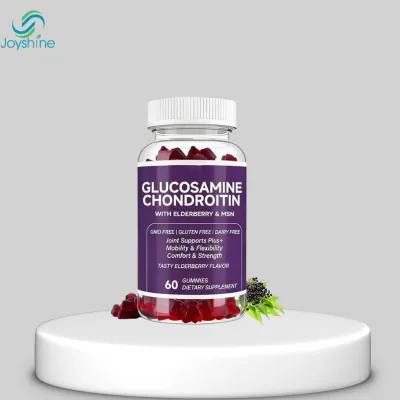
OEM Adults' Glucosamine Chondroitin Gummies,Natural Joint Support & Immune Support
$1.134 - $3.1955
MOQ: 500 Minimum


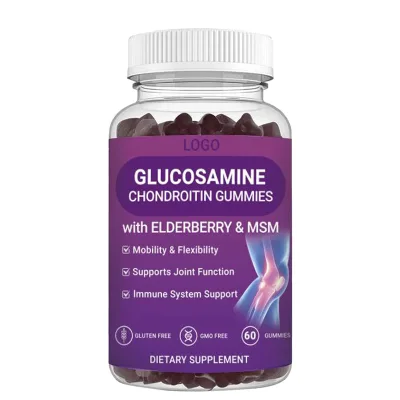
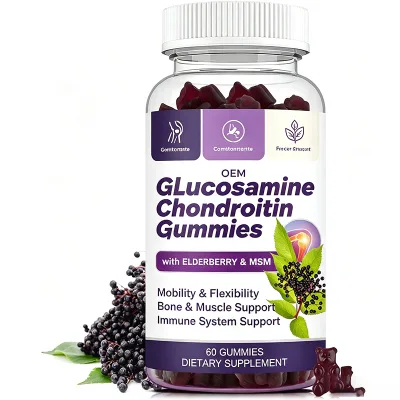


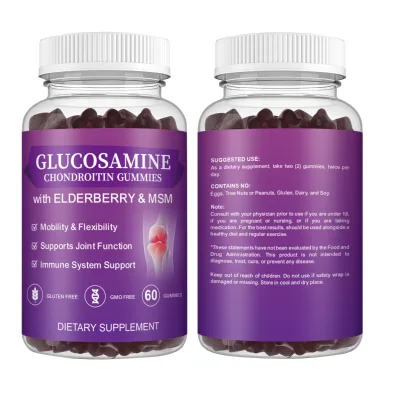
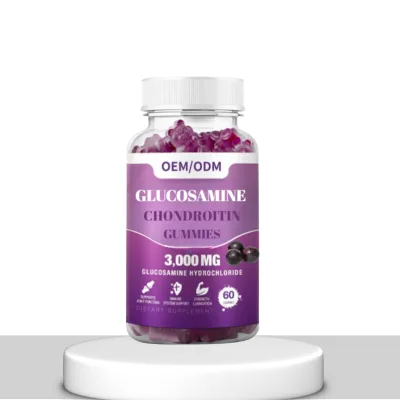
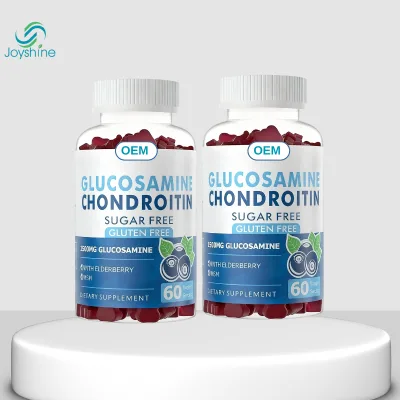
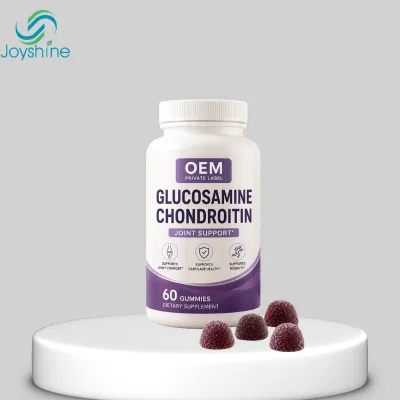
Comprehensive Sourcing Guide
Vegan Glucosamine Chondroitin Gummy Sourcing Guide
Sourcing vegan glucosamine chondroitin gummies requires careful navigation of ingredient sourcing and formulation constraints, as traditional gummies often rely on gelatin. Buyers must distinguish between products using pectin or other plant-based gelling agents versus those using gelatin, which is animal-derived. The supplied data indicates that material options include both gelatin and pectin, meaning the "vegan" claim is not universal across all listings. Procurement teams must explicitly verify the gelling agent in the formula to ensure compliance with vegan standards. This distinction is critical for brands targeting plant-based consumer segments, as mislabeling can lead to significant regulatory and reputational risks.
Furthermore, the core active ingredients, primarily glucosamine and chondroitin, are often sourced from shellfish or synthesized, which may conflict with strict vegan definitions depending on the brand’s ethical stance. Buyers should scrutinize the source of glucosamine to ensure it aligns with vegan certifications, such as whether it is derived from fungal fermentation rather than crustacean shells. The observed product attributes highlight features like low-salt and low-fat profiles, which are valuable selling points but do not inherently guarantee vegan status. Therefore, the initial screening process must prioritize ingredient transparency and third-party vegan certification verification before proceeding to sample evaluation or bulk ordering.
Product Scope and Observed Listing Signals
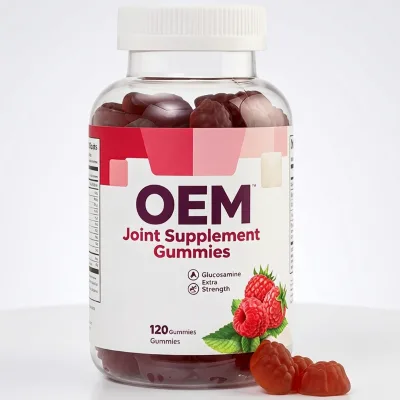
The current market landscape for glucosamine gummies shows a wide variance in target demographics and formulation specifics. Listings indicate applicability to men, women, and adults, with some products specifically targeting children, which suggests a broad scope of potential use cases. The observed dosage form is consistently gummy, with flavors ranging from pineapple to blueberry, strawberry, and orange, often customizable. Buyers should note that while some products are labeled as sugar-free or pectin-based, others may contain sugar or gelatin. The presence of "sugar-free" and "pectin" attributes in specific models suggests a growing segment of health-conscious vegan options, but this is not a universal feature across all suppliers.
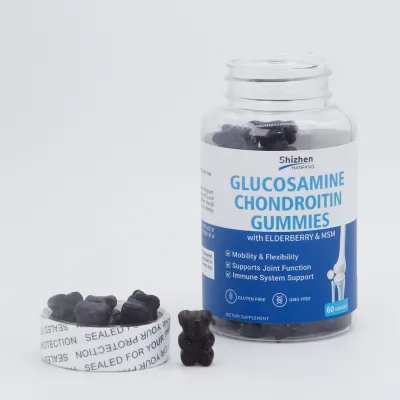
Additionally, the packaging and presentation vary significantly, with options including bottles, sachets, bulk bags, and custom shapes like bears or drops. The single package size and gross weight data provide logistical insights, with weights around 0.800 kg per unit, which impacts shipping costs and storage requirements. Buyers must carefully review the "Not Applicable People" sections, which often exclude pregnant women and newborns, to ensure the product fits their intended consumer profile. The availability of OEM and ODM services allows for extensive customization, including logo printing, label design, and formula adjustments, which is crucial for private label brands seeking unique market positioning.
Technical Specifications to Verify
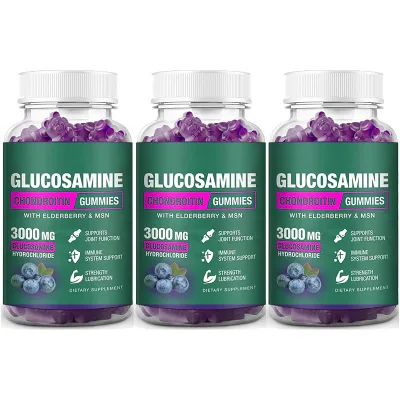
Technical verification begins with confirming the gelling agent and active ingredient concentration. Buyers must explicitly request the ingredient list to confirm the absence of gelatin and the presence of pectin or other vegan-compatible gelling agents. The supplied data mentions "Ve\Glucosamine" and "Glucosamine Chondroitin MSM" as active ingredients, but the exact dosage per gummy is not always standardized in public listings. It is essential to verify the milligram strength of glucosamine and chondroitin per serving to ensure efficacy claims are supported by the formulation. Additionally, the coating process, such as oil coating, should be evaluated for its impact on shelf life and texture, ensuring it does not introduce non-vegan additives like beeswax or carnauba wax from non-vegan sources.
Storage conditions and shelf-life stability are also critical technical parameters. The observed shelf-life is typically 24 months, stored in cool, dry, and shaded places, which is standard for gummy supplements but requires strict supply chain adherence. Buyers should verify the stability of the active ingredients under these conditions, particularly for pectin-based gummies which may have different moisture sensitivity compared to gelatin-based ones. The model numbers, such as "ASRN-glucosamine gummies" or "Pectin Sugar-Free Glucosamine Gummy," serve as unique identifiers for technical datasheets. Procurement teams should request batch-specific test reports to confirm that the actual product matches the declared specifications, including pH levels and viscosity, which affect the final product quality.
Compliance and Safety Documentation
Compliance documentation is paramount for importing and selling dietary supplements in various jurisdictions. The observed certifications include GMP, HACCP, ISO, COA, and Halal, which indicate a baseline level of manufacturing quality and safety. However, buyers must verify if these certifications extend to vegan-specific requirements, as Halal does not automatically imply vegan. It is crucial to obtain a Certificate of Analysis (COA) for each batch to confirm the absence of heavy metals, pesticides, and microbial contaminants. The COA should also verify the potency of glucosamine and chondroitin, ensuring they meet the labeled claims within acceptable tolerance ranges.
Furthermore, regulatory compliance varies by region, with different requirements for labeling and health claims. Buyers should ensure that the supplier can provide documentation that meets the specific regulations of the target market, such as FDA guidelines in the US or EFSA regulations in Europe. The "Product Type" is listed as "Food," which may have different regulatory pathways compared to "Dietary Supplements" in some countries. It is advisable to consult with local regulatory experts to determine the correct classification and labeling requirements. Additionally, verifying the supplier’s adherence to Good Manufacturing Practices (GMP) is essential to ensure consistent product quality and safety, reducing the risk of recalls or compliance violations.
Cost Drivers and Commercial Terms
Cost structures for vegan glucosamine gummies are influenced by several factors, including the source of raw materials, formulation complexity, and order volume. The observed MOQ ranges from 10 to 50,000 units, offering flexibility for both small startups and large enterprises. Higher MOQs typically result in lower per-unit costs, but buyers must balance this with storage capacity and cash flow constraints. The customization options, such as custom flavors, shapes, and formulas, can add to the production cost due to setup fees and specialized ingredient sourcing. Buyers should request detailed quotations that break down costs for raw materials, manufacturing, packaging, and logistics to identify potential savings opportunities.
Commercial terms also play a significant role in the total cost of ownership. Payment terms, lead times, and shipping methods should be negotiated to align with the buyer’s operational needs. The observed lead times and production capacities vary among suppliers, so it is important to confirm the supplier’s ability to meet demand peaks. Additionally, buyers should consider the cost of quality control and testing, which may be included in the unit price or charged separately. Transparent communication regarding any additional fees for customization, sample production, or expedited shipping is essential to avoid unexpected costs. Establishing a clear understanding of these commercial terms helps in building a sustainable and profitable supply chain.
Supplier Qualification and Quality Control
Supplier qualification involves a thorough assessment of the manufacturer’s capabilities, reputation, and quality management systems. Buyers should verify the supplier’s production facilities, including their adherence to GMP and other relevant standards. The observed certifications like ISO and HACCP are good indicators, but on-site audits or third-party audits provide deeper insights into operational practices. It is also important to assess the supplier’s R&D capabilities, especially for custom formulations, to ensure they can innovate and adapt to market trends. The ability to provide OEM and ODM services suggests a level of flexibility and expertise that is valuable for private label brands.
Quality control processes should be rigorously evaluated to ensure consistent product quality. Buyers should request information on the supplier’s incoming material inspection, in-process control, and final product testing procedures. The availability of COAs and batch-specific test reports is a positive sign, but buyers should also verify the supplier’s corrective action processes for non-conforming products. Establishing a clear communication channel for quality issues and feedback is essential for long-term partnership success. Additionally, considering the supplier’s track record and customer references can provide valuable insights into their reliability and service quality. A robust quality control system minimizes the risk of product defects and ensures customer satisfaction.
Long-Term Procurement Checks
Long-term procurement success depends on continuous monitoring and relationship management with suppliers. Buyers should establish regular review meetings to discuss performance metrics, such as on-time delivery, product quality, and responsiveness to issues. Tracking key performance indicators (KPIs) helps in identifying areas for improvement and ensuring that the supplier meets contractual obligations. It is also important to stay updated on regulatory changes and market trends that may impact the product, such as new labeling requirements or shifts in consumer preferences towards specific ingredients. Proactive communication with suppliers can help in anticipating and mitigating potential risks.
Furthermore, diversifying the supplier base can reduce dependency on a single source and enhance supply chain resilience. Buyers should consider qualifying alternative suppliers for critical components or formulations to ensure continuity of supply. Regularly reviewing and updating the supplier qualification criteria ensures that the supply chain remains compliant with evolving standards and best practices. Building a collaborative partnership with suppliers, rather than a purely transactional relationship, can lead to better innovation, cost savings, and mutual growth. By maintaining a strategic approach to procurement, buyers can secure a reliable supply of high-quality vegan glucosamine chondroitin gummies that meet their business objectives and customer expectations.
FAQs
What are the main ingredients in these gummies?
The primary active ingredients are glucosamine and chondroitin, which support joint health. Some formulations also include MSM for additional support. The base material can be gelatin or pectin, allowing for vegan options. These components work together to maintain cartilage integrity and mobility in adults.
Can I customize the flavor and shape of the gummies?
Yes, customization is available for both flavor and shape. You can choose from pineapple, blueberry, strawberry, or orange flavors. Shapes include drops, bears, orange segments, or hearts. This flexibility allows brands to create unique products that appeal to specific consumer preferences and market trends effectively.
What certifications do the manufacturers hold?
Manufacturers typically hold GMP, HACCP, ISO, and Halal certifications. These ensure strict quality control and safety standards during production. A Certificate of Analysis (COA) is also provided to verify product composition. These credentials are essential for meeting regulatory requirements in various international markets for dietary supplements.
What is the recommended dosage for adults?
The standard dosage is two gummies per day for adults. This regimen supports joint health maintenance and mobility. The product is suitable for both men and women. It is not recommended for pregnant women or newborns. Consistent daily intake is suggested to achieve optimal health benefits over time.
How should the gummies be stored to maintain freshness?
Store the gummies in a cool, dry, and shaded place. Proper storage preserves the texture and potency of the active ingredients. The shelf life is twenty-four months from the production date. Avoid exposure to direct sunlight or high humidity to prevent degradation of the gelatin or pectin base.
Is OEM and ODM service available for bulk orders?
Yes, OEM and ODM services are fully supported. Manufacturers offer custom logo printing, label design, and formula adjustments. This allows brands to create private label products tailored to their identity. Sample support is also available to test quality before committing to large-scale production runs for global distribution.