Source Organic Apple Cider Vinegar Gummies for health, food, and supplements
Compare 30 listings for Organic Apple Cider Vinegar Gummies from verified suppliers. Explore options with varying flavors, certifications, and packaging to find the best fit for your health care or food production needs; compare the available evidence and request quotations based on your requirements.
Updated
Key considerations
Products List
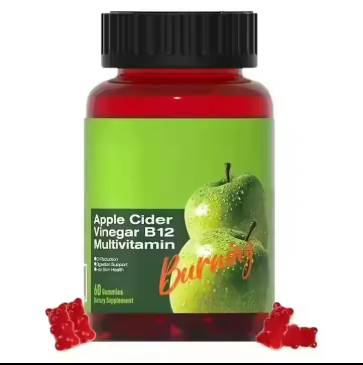
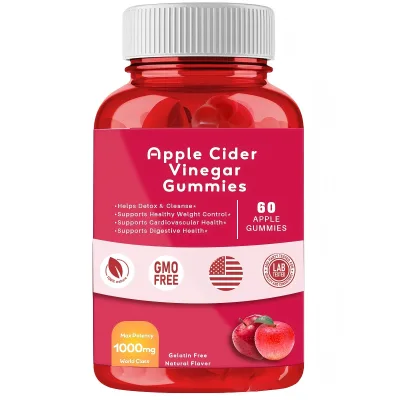
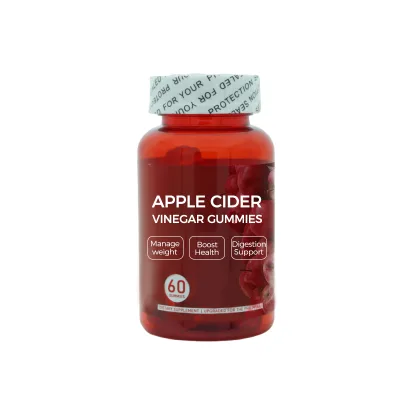


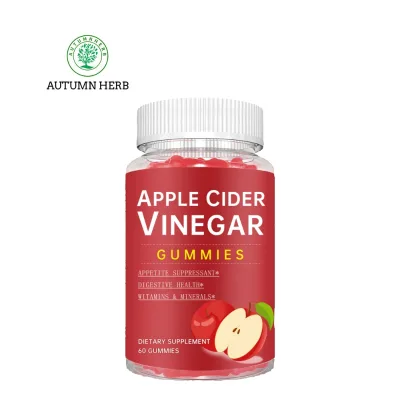
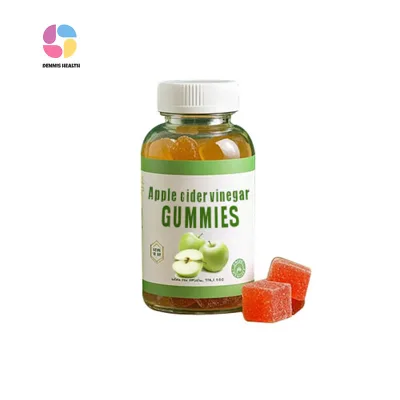
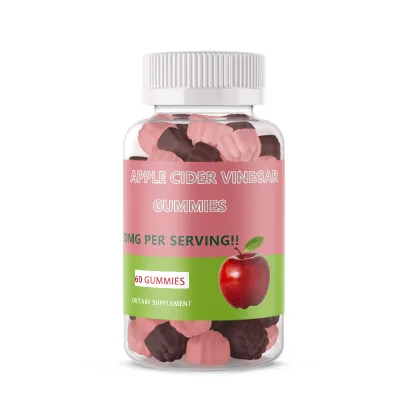
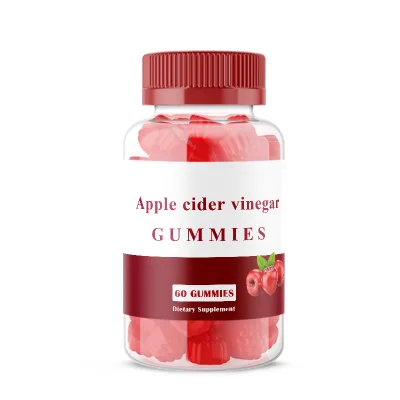

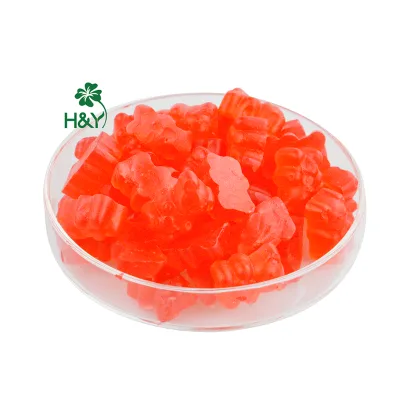
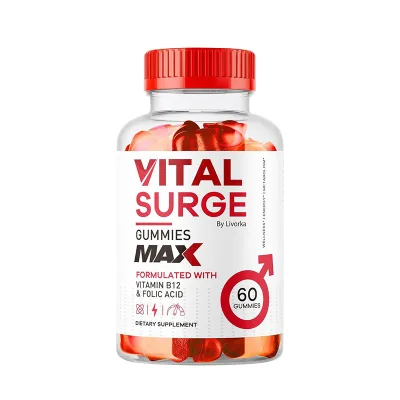
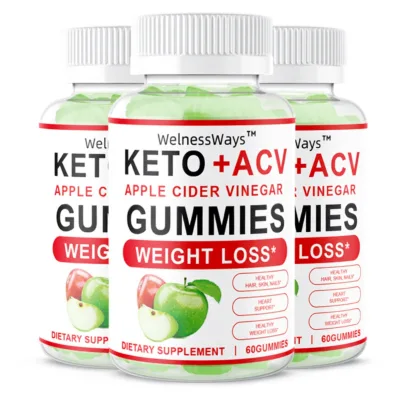
Apple Cider Vinegar Keto Gummies Supplement Vitamins Apple Cider Vinegar Gummies
$1.23 - $3.20
MOQ: 100 Minimum


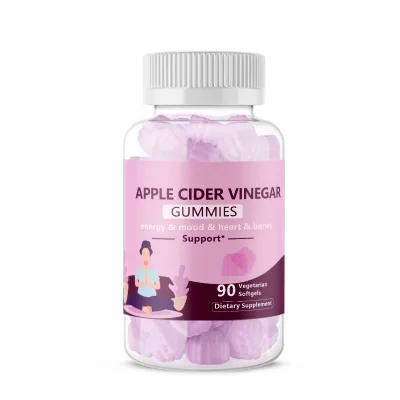
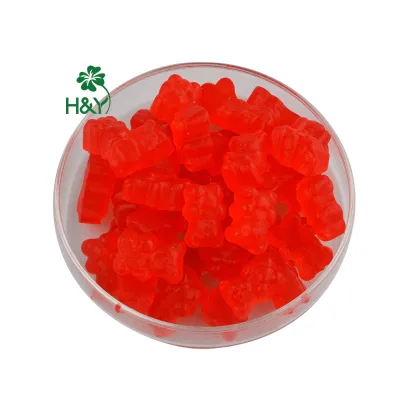
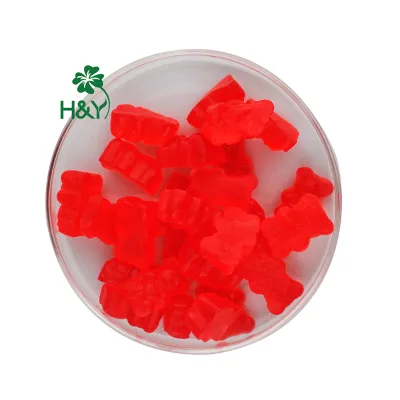
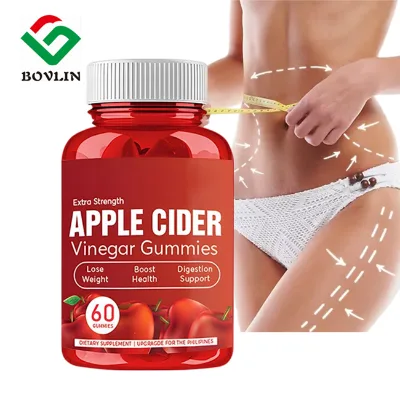
Private Label Apple Cider Vinegar Gummies Vegan Apple Cider Vinegar Gummies Weight Loss
$7.00 - $18.00
MOQ: 100 Minimum


Comprehensive Sourcing Guide
Organic Apple Cider Vinegar Gummies Sourcing Guide
Sourcing Organic Apple Cider Vinegar Gummies requires a nuanced understanding of the intersection between traditional herbal extraction methods and modern confectionery manufacturing. Buyers must navigate a market where products are often labeled as health protection items, leveraging the natural resource profile of apple cider vinegar. The observed product landscape indicates a strong presence of manufacturers in China, particularly in regions like Shaanxi, which serve as primary hubs for these specialized dietary supplements. Understanding the origin and cultivation methods, such as artificial planting, is critical for verifying the authenticity of the "organic" claim and ensuring the supply chain meets specific quality expectations.
Procurement teams should recognize that these gummies are frequently positioned within the broader category of herbal extracts and health care products. The active substances, primarily apple cider vinegar, are often encapsulated or formulated into gummy bases with varying concentrations, typically ranging from 0% to 30% active content. This variability necessitates precise specification alignment during the initial inquiry phase. Buyers must distinguish between standard food-grade applications and those intended for specialized health care products, as the regulatory and quality control requirements differ significantly between these two classifications, impacting both sourcing strategy and final product compliance.
Product Scope and Observed Listing Signals
The current market listings reveal a diverse array of product formats, including gummies, capsules, and various packaging types such as plastic containers, drums, and vacuum-packed bags. Observed specifications indicate a wide range of single package sizes and gross weights, suggesting that manufacturers offer flexible packaging solutions to accommodate different distribution channels. The presence of both "Food" and "Health care products" as primary applications highlights the dual nature of these items, requiring buyers to carefully define their end-use to ensure the selected supplier can meet the appropriate regulatory standards for their specific market segment.
Brand names such as "Autumn herb" and "DNS" appear in the observed data, alongside model numbers like "DS-Apple Cider Vinegar Gummies," indicating a mix of private label and branded offerings. The availability of customization services and OEM/ODM support suggests that many suppliers are equipped to handle bespoke formulations and packaging designs. However, the inconsistency in listed attributes, such as varying shelf life claims from 12 months to 2 years, underscores the need for buyers to verify specific product details rather than relying on general listing descriptions. This variability is a key signal that direct communication with suppliers is essential to confirm exact product characteristics.
Technical Specifications to Verify
Buyers must rigorously verify the form and extraction type of the apple cider vinegar gummies to ensure they align with their product development goals. The observed data includes references to gummies, capsules, and solvent extraction methods, indicating that suppliers may offer different production techniques. It is crucial to confirm whether the active ingredient is derived from whole plant extraction or specific solvent-based processes, as this impacts the purity and potency of the final product. Additionally, the nutrient composition, particularly the vitamin content, should be explicitly defined to meet nutritional labeling requirements in the target market.
Packaging specifications vary significantly across listings, with options ranging from individual bottles to bulk drums and bags. Buyers should verify the single gross weight and package dimensions to calculate accurate freight costs and storage requirements. The observed model number "DS-Apple Cider Vinegar Gummies" and specifications like "60g/jar" provide a baseline, but these must be cross-referenced with the supplier's current production capabilities. Furthermore, the storage method, typically described as a cool and dry place, must be confirmed to ensure the product maintains its integrity during transit and storage, preventing degradation of the active substances.
Compliance and Safety Documentation
Certification status is a critical factor in sourcing apple cider vinegar gummies, with observed listings mentioning kosher, Halal, and ISO certifications. Buyers must verify the validity and scope of these certifications, ensuring they cover the specific manufacturing facilities and product lines being sourced. The presence of food-grade grade classifications indicates a baseline level of safety, but additional certifications may be required depending on the target market's regulatory environment. It is essential to request current certification documents and verify their authenticity with the issuing bodies to mitigate compliance risks.
The cultivation method, noted as artificial planting in some listings, should be scrutinized to ensure it meets organic standards if that is a key procurement requirement. Buyers should also verify the extraction type and any associated safety data sheets to understand the chemical profile of the product. The absence of specific test results in the observed data highlights the need for buyers to request third-party lab reports for heavy metals, pesticides, and microbial contamination. Establishing clear compliance requirements upfront helps in selecting suppliers who can provide the necessary documentation to support market entry and regulatory approval.
Cost Drivers and Commercial Terms
Pricing for apple cider vinegar gummies varies widely, with observed ranges from $0.5 to $18 per unit, reflecting differences in formulation, packaging, and order volume. Buyers should analyze these price points in the context of the minimum order quantity (MOQ), which ranges from 1 kg to 500 units. Understanding the cost structure helps in negotiating favorable terms, especially for larger orders where economies of scale may apply. It is important to clarify whether the quoted price includes packaging materials, customization services, and any associated certification fees, as these can significantly impact the total landed cost.
Commercial terms such as sample availability and OEM/ODM support are common in the observed listings, offering buyers the opportunity to evaluate product quality before committing to large orders. The availability of samples allows for thorough testing and validation, reducing the risk of sourcing substandard products. Buyers should also inquire about lead times and production capacity to ensure the supplier can meet their delivery schedules. Clear communication regarding payment terms, shipping responsibilities, and return policies is essential to establish a transparent and mutually beneficial commercial relationship with the supplier.
Supplier Qualification and Quality Control
Supplier qualification involves assessing the manufacturing capabilities and quality control systems of potential partners. Buyers should verify the supplier's experience in producing apple cider vinegar gummies and their ability to maintain consistent product quality across batches. The observed data indicates a focus on health protection and natural resources, suggesting that suppliers may have specialized expertise in herbal extracts. It is important to request information about their production facilities, including cleanliness standards and equipment used for extraction and packaging, to ensure they meet the buyer's quality expectations.
Quality control measures should be explicitly defined in the procurement agreement, including protocols for raw material inspection, in-process testing, and final product verification. Buyers should inquire about the supplier's approach to handling deviations and their process for continuous improvement. The availability of customization services suggests that suppliers are flexible, but this flexibility must be balanced with strict quality control to prevent inconsistencies. Establishing a robust quality assurance framework helps in maintaining product integrity and building trust with end consumers, ensuring that the sourced gummies meet all specified requirements.
Long-Term Procurement Checks
Long-term procurement success depends on establishing ongoing performance metrics and regular supplier audits. Buyers should monitor key performance indicators such as on-time delivery, product quality consistency, and responsiveness to issues. Regular audits of the supplier's facilities and quality control processes help in identifying potential risks and ensuring continued compliance with agreed-upon standards. The dynamic nature of the market, with varying product specifications and certifications, requires buyers to stay informed about regulatory changes and adjust their sourcing strategies accordingly.
Building a strong relationship with suppliers through open communication and collaborative problem-solving can lead to better pricing, priority production, and access to new product innovations. Buyers should also consider diversifying their supplier base to mitigate risks associated with single-source dependencies. Regularly reviewing and updating procurement policies ensures that they remain aligned with the company's strategic goals and market demands. By maintaining a proactive approach to supplier management, buyers can secure a reliable supply of high-quality apple cider vinegar gummies and support their long-term business growth.
FAQs
What certifications do the apple cider vinegar gummies have?
The products hold kosher, Halal, and ISO certifications. These credentials ensure compliance with international food safety standards. Buyers can verify these documents to meet regulatory requirements in their target markets. The certifications support global distribution and build consumer trust in the health protection benefits of the gummies.
Can I request custom packaging for these gummies?
Customization is available for both product formulation and packaging. Buyers can choose from plastic containers, drums, or vacuum-packed options. The OEM and ODM services are welcomed to meet specific branding needs. This flexibility allows businesses to tailor the 60g/jar or bulk formats to their unique market strategies.
What is the minimum order quantity for these gummies?
The minimum order quantity varies by product type. Some items require a minimum of three bottles, while others start at one kilogram. This range accommodates both small trial orders and larger bulk purchases. Buyers should check specific product listings to confirm the exact MOQ applicable to their chosen specification and packaging format.
How should these apple cider vinegar gummies be stored?
Store the gummies in a cool and dry place to maintain quality. The normal storage method ensures the product remains stable for up to two years. Proper storage preserves the vitamin nutrient composition and active substance content. Avoid exposure to direct sunlight or humidity to prevent degradation of the herbal extract ingredients.
Where are these apple cider vinegar gummies manufactured?
These gummies are manufactured in Shaanxi, China. The production utilizes artificial planting methods for natural resources. The facility adheres to food-grade standards for all herbal extracts. Buyers can rely on this origin for consistent quality and supply chain transparency. The location supports efficient logistics for international shipping and distribution.
What is the shelf life of these gummies?
The shelf life ranges from 18 months to two years depending on the specific product. This duration ensures freshness and potency of the apple cider vinegar main ingredient. The packaging materials, such as plastic containers, help extend stability. Buyers can plan inventory management effectively with these long-term storage capabilities for health care products.