Vitamin Gummies Suppliers and Manufacturers
Source Vitamin Gummies from 31 verified suppliers in China. Compare OEM/ODM capabilities, certifications like GMP and ISO, lead times, and MOQs. Contact suppliers directly to request quotes and samples for your specific formulation needs; review the available evidence before requesting comparable quotations from suitable candidates.
Updated
Suppliers List

Miteyo(Shenzhen)BiotechnologyCo.,Ltd.
- Verified by SGS
- Trading Company
- China Guangdong
- Lead time15 days
- Avg. response≤ 3h
Main productsNutrition, Hesupplementrbal, Sports Nutrition, Gummies, Capsules, Tablets, Powder, Softgels, Drops
Main marketsDomestic

Henan Tangbainian Health Management Co., Ltd.
- Verified by SGS
- Combined
- China Henan
- Lead time15 days
- Avg. response≤ 3h
Main productsHealth Food Candy Gummy Tablet Candy Softgel
Main marketsDomestic

Health Supplement Vegan Vitamin C Gummy Candy Collagen Vitamin C Gummies
$2.20 - $2.60
MOQ: 500 Pieces


Xi'an Gawen Biotechnology Co., Ltd.
- Verified by SGS Group
- Trading Company
- Lead time0 days
- Avg. response≤ 2h
Main productsHealthcare Supplements, Gummies, Capsules, Powder, Drops & Oral Dissolving Film
Main marketsNorth America(40%), Southeast Asia(20%), Western Europe(15%)
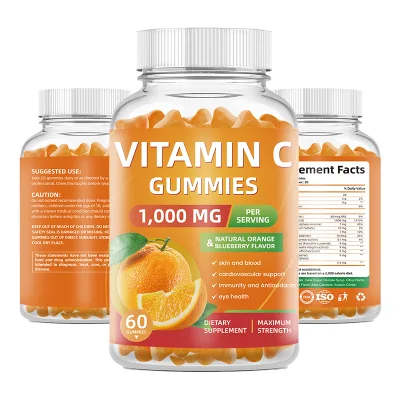
Adult Vitamins Gummies Oranges Hair Growth Gumming Energy Gummy Candy Dosage
$2.90 - $5.50
MOQ: 20 pieces
Henan Shizhen Hanfang Pharmaceutical Technology Co., Ltd.
- Verified by SGS Group
- Manufacturer, Trading Company
- Lead time30 days
- Avg. response≤ 2h
Main productsElectrolyte Powder, Mushroom Coffee Powder, Capsules, Gummies, Ice Cream Powder
Main marketsDomestic Market(87%), Western Europe(8%), Africa(5%)
Guangzhou Kangmeihui Biological Technology Co., Ltd.
- Verified by Intertek
- Trading Company
- Lead time25 days
- Avg. response≤ 3h
Main productsPowder, Drink, Gummies, Capsules, Tablets
Main marketsAfrica(45%), North America(15%), Western Europe(12%)
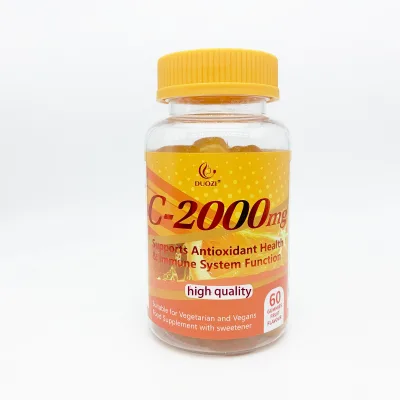
OEM Vitamin C 2000mg Vitamin c Candy Gummy Bear Vitamin Supplement Gummies
$1.8725 - $3.1188
MOQ: 5 pieces

Xi'an Haoze Biotechnology Co., Ltd.
- Verified by BV
- Manufacturer/Factory
- China Shaanxi
- Lead time15 days
- Avg. response≤ 8h
Main productsNmn, Pharmaceutical Intermediates, Melatonin, Lidocaine, Coenzyme Q10, L-Carnitine, Plant Extract, Alpha Arbutin, Resveratrol, Quercetin
Main marketsSouth America,Eastern Europe,Mid East,North America,Southeast Asia,Eastern Asia,Oceania,Western Europe,Africa

Vitamins Gummies for Adult with Vitamin C B12 Omega 3 Multivitamins Gummies
$2.00 - $3.50
MOQ: 100 pieces


Factory Supply High Protency Vitaminc Immune Support Gummies Vitaminc Gummies
$3.20 - $4.70
MOQ: 500 bottle
Xi'an Eco Biotech Factory Co., Ltd.
- Verified by Intertek
- Manufacturer, Trading Company
- Lead time10 days
- Avg. response≤ 2h
Main productsSoftgels, Drops, Healthcare Products, Gummies, Solid Drink
Main marketsNorth America(30%), Southeast Asia(20%), South America(10%)

- Verified by SGS
- Manufacturer/Factory
- China Shandong
- Lead time0 days
- Avg. response≤ 3h
Main productsTablet Supplement, Hard Capsule, Time Released Capsule, Softgel Capsule, Superfood / Drink / Drop, Gummy / Probiotics, Herbal & Plant Extract, Fruit & Vegetable Powder, Empty Capsule, Premix Solutions / API
Main marketsSouth America,Eastern Europe,Mid East,North America,Southeast Asia,Eastern Asia,Oceania,Western Europe,Africa


Vitamin Supplements Vegetarian Multivitamins a C E B6 B12 Multivitamin Gummy Candy
$7.00 - $20.00
MOQ: 1000 kg
Come Health Biotechnology Co., Ltd.
- Verified by Intertek
- Manufacturer, Trading Company
- Shaan Xi, China
- Lead time15 days
- Avg. response≤ 3h
Main productsGummy, Capsule, Tea, Powdered Beverage Mix, Pigment
Main marketsNorth America(30%), Oceania(20%), Northern Europe(20%)

Shaanxi Haibo Biological Technology Co., Ltd
- Verified by CTI
- Trading Company
- China Shaanxi
- Lead time15 days
- Avg. response≤ 5h
Main productsPharmaceutical, Dietarysupplement, Food
Main marketsSouth America,Africa,Others(foreignTradeCapacity.exportBusinessCapacityMarketOther),Southeast Asia/ Mideast,East Asia(Japan/ South Korea),Domestic,Europe,Australia,North America

Safevit Nutrition Technology (guangzhou)Co., Ltd.
- Verified by SGS
- Combined
- China Guangdong
- Lead time15 days
- Avg. response≤ 6h
Main productsVitamin Premix, Micronutrient Premix, Nutritional Ingredients, Vitamin B Nutrients, Energy Drink Nutrients, Complex Nutrient, Lactic Acid Bacteria Solid Beverage
Main marketsSoutheast Asia/ Mideast,Domestic

Shandong Shiyi Trading Co., Ltd.
- Verified by CTI
- Trading Company
- China Shandong
- Lead time15 days
- Avg. response≤ 17h
Main productsHealth and Care, Cosmetics
Main marketsAfrica,Europe,North America


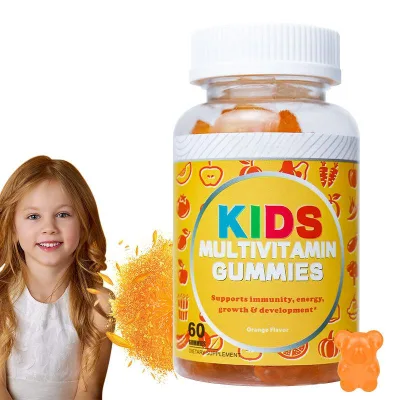
OEM. New Children's Multivitamin Gummies for Kids Vitamin Soft Candy. Health Supplements
$2.00 - $3.50
MOQ: 500 Pieces

Dunkang Biotechnology Co., Ltd.
- Verified by SGS
- Manufacturer/Factory
- China Guangdong
- Lead time23 days
- Avg. response≤ 5h
Main productsCapsules, Gummies, Softgel, Powder, Drink, Jelly, Weight Loss, Probiotic, Tablets
Main marketsSouth America,Eastern Europe,Mid East,North America,Southeast Asia,Eastern Asia,Oceania,Western Europe,Africa
Guangzhou Ludingji Pharmaceutical Co., Ltd.
- Verified by TüVRheinland
- Trading Company
- Lead time0 days
- Avg. response≤ 4h
Main productsGummies, Capsules, Sofgel, Collagen Powder, Drop
Main marketsNorth America(15%), Western Europe(15%), Eastern Europe(10%)

Guangzhou Ludingji Medical Technology Co., Ltd.
- Manufacturer
- Guangdong, China
- Lead time20 days
- Avg. response≤ 5h
Main productsGummy,Drops,Vitamins,Capsules,Powder
Main marketsNorth America(50.00%), Eastern Asia(5.00%), Mid East(5.00%), South Asia(5.00%), Africa(5.00%), Southeast Asia(5.00%), Southern Europe(5.00%), South America(5.00%), Northern Europe(3.00%), Domestic Market(3.00%), Oceania(3.00%), Central America(2.00%), Western Europe(2.00%), Eastern Europe(2.00%)
Mandu Pharmaceutical (Zhengzhou) Co., Ltd.
- Verified by TüVRheinland
- Trading Company
- Henan, China
- Lead time15 days
- Avg. response≤ 2h
Main productsGummies, Capsules, Powder, Solid Drink, Tablets
Henan Baihuikang Biotechnology Co., Ltd.
- Verified by SGS Group
- Manufacturer, Trading Company
- Lead time0 days
- Avg. response≤ 3h
Main productsHealth Food
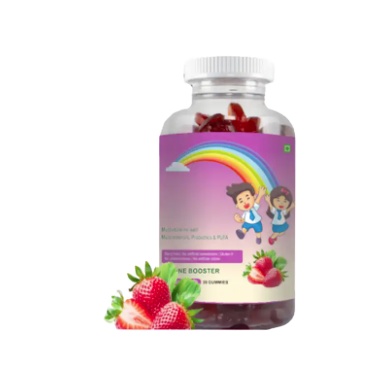
OEM Health Food Supplement Vegan 60 Gummies Multi Vitamin Kids Multivitamin Gummies Bulk
$2.00 - $3.50
MOQ: 300000
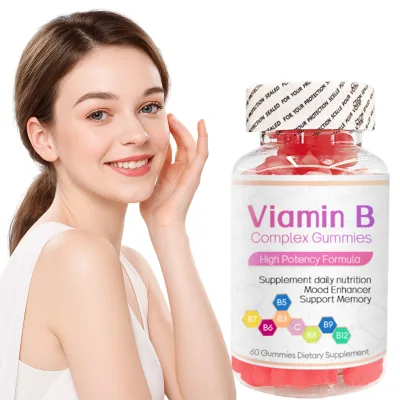
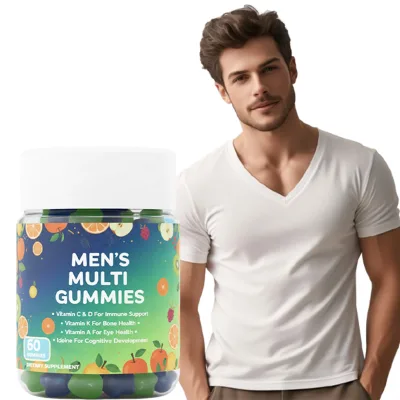
Organics Men's Gummy Vitamins Vegan Daily Multivitamins for Men Energy Metabolism Immune Support
$1.8515 - $2.2934
MOQ: 50 pieces

Shandong Shoucheng Biotechnology Co., Ltd
- Verified by TUVRHEINLAND
- Manufacturer/Factory
- China Shandong
- Lead time15 days
- Avg. response≤ 2h
Main productsChondroitin Sulfate, Glucosamine, Msm, Hyaluronic Acid, Dietary Supplement Tablets OEM, Dietary Supplement Capsule OEM, Dietary Supplement Softgel OEM, Dietary Supplement Gummies OEM
Main marketsSouth America,Eastern Europe,Mid East,North America,Southeast Asia,Eastern Asia,Oceania,Western Europe,Africa

LIFE EXPLORATION TECHNOLOGIES LIMITED
- Manufacturer, Trading Company
- Hong Kong S.A.R.
- Lead time25 days
- Avg. response≤ 3h
Main productsGummy Candy,Effervescent Tablets,Slim Plum,Jelly Stick,Oral Liquid Drink
Main marketsSoutheast Asia(30.00%), North America(20.00%), Oceania(9.00%), Western Europe(5.00%), Southern Europe(5.00%), Mid East(5.00%), Eastern Europe(5.00%), Domestic Market(5.00%), South America(5.00%), South Asia(4.00%), Central America(2.00%), Eastern Asia(2.00%), Northern Europe(2.00%), Africa(1.00%)

Shenzhen Lifegarden Nutrition Co., Ltd.
- Trading Company
- Guangdong, China
- Lead time12 days
- Avg. response≤ 2h
Main productsDietary Supplement, Gummies, Tablets, Capsules, Powder
Main marketsNorth America(30.00%), Western Europe(28.00%), Southeast Asia(20.00%), Oceania(15.00%), Eastern Asia(3.00%), Southern Europe(1.00%), Northern Europe(1.00%), Mid East(1.00%)

Jiangsu Handian Biotechnology Co., Ltd.
- Verified by BV
- Combined
- China Jiangsu
- Lead time23 days
- Avg. response≤ 18h
Main productsEffervescent Tablet, Vitamin Gummy, Chewable Tablet, Powder Supplement, Softgel&Capsule, Pet Supplement, Sports Nutrition, Collagen Supplement, Whey Protein, Weight Loss
Main marketsSouth America,Africa,Southeast Asia/ Mideast,Europe,Australia,North America


Chewable Kids Multivitamin Gummies Essential Vitamins Kids Health Daily Supplement
$1.22 - $1.45
MOQ: 5000 Bottle
Jiangmen Xinchuangli Food Co., Ltd.
- Verified by TüVRheinland
- Manufacturer, Trading Company
- Lead time30 days
- Avg. response≤ 3h
Main productsSoft Candy, Tablets Candy, Powders Candy, Drops, Capsules
Main marketsNorth America(60%), South America(15%), Southeast Asia(10%)
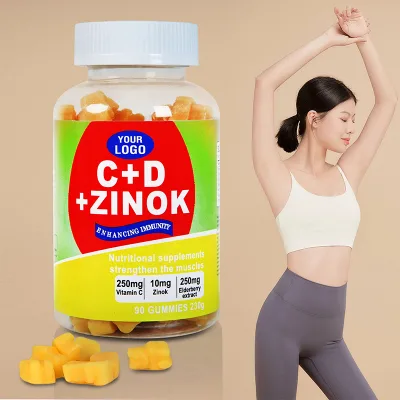
$2.5736 - $3.1907
MOQ: 500 pieces
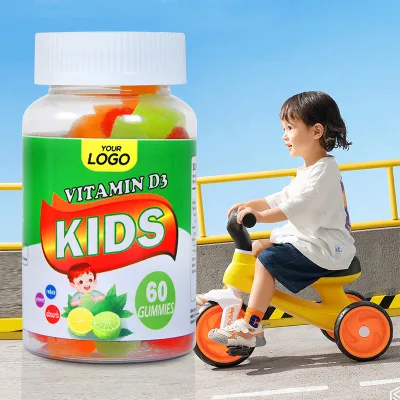
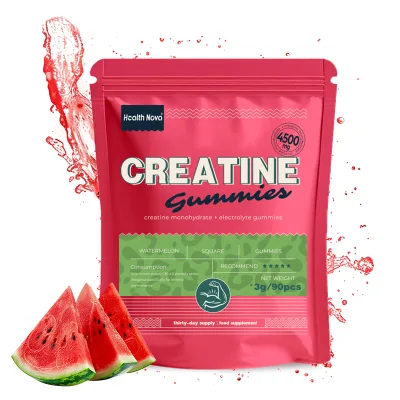
Factory's Best-selling Functional Vitamin Gummies - Customizable Flavored Vitamin Soft Candy
$2.50 - $3.10
MOQ: 500 pieces

$1.7392 - $2.9331
MOQ: 500 pieces
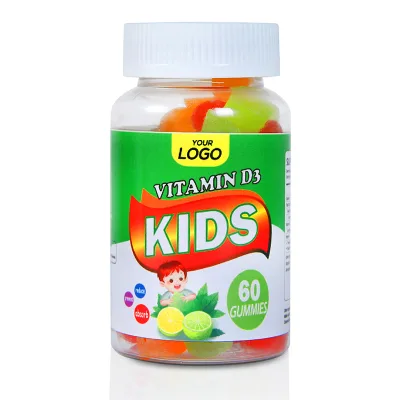

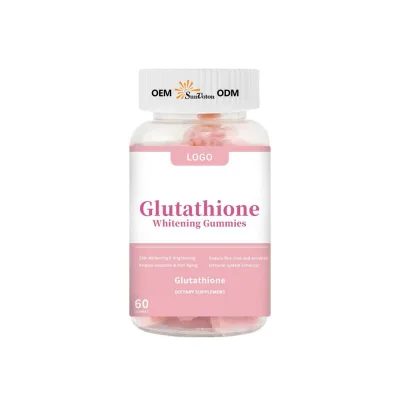
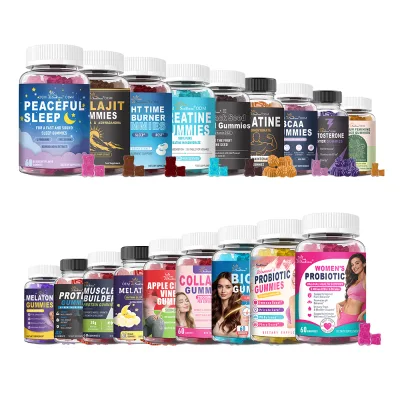
Beijing Sunvoton International Trade Co., Ltd.
- Verified by TüVRheinland
- Trading Company
- Lead time15 days
- Avg. response≤ 1h
Main productsCapsules, Powder, Tablet, Tea, Gummies
Main marketsNorth America(25%), South America(20%), Oceania(10%)
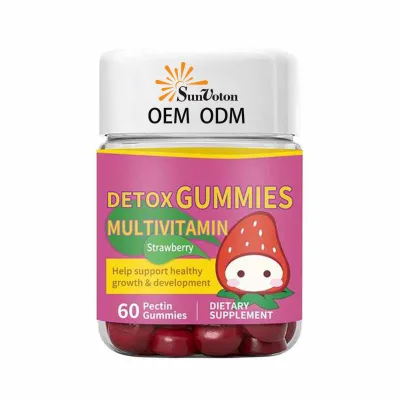
$1.80 - $3.50
MOQ: 50 units
Jianweite (Zhengzhou) Pharmaceutical Technology Co., Ltd.
- Verified by TüVRheinland
- Trading Company
- Lead time20 days
- Avg. response≤ 2h
Main productsGummies, Softgels And Capsules, Drops, Powder, Tablets
Main marketsNorth America(40%), Eastern Europe(10%), Western Europe(10%)
Bozhou Jiadan Health Technology Co., Ltd.
- Manufacturer, Trading Company
- Anhui, China
- Lead time0 days
- Avg. response≤ 5h
Main productsHealthy Gummies,Dietary supplement,Healthy Capsule,Tablet candy,Coffee
Main marketsSouth Asia(21.00%), Central America(12.00%), Mid East(12.00%), Southeast Asia(11.00%), North America(10.00%), Domestic Market(7.00%), Eastern Asia(6.00%), Northern Europe(6.00%), Africa(5.00%), South America(5.00%), Southern Europe(2.00%), Oceania(1.00%), Eastern Europe(1.00%), Western Europe(1.00%)
Zhengzhou Zhongsheng Enterprise Marketing Planning Co., Ltd.
- Trading Company
- Henan, China
- Lead time0 days
- Avg. response≤ 1h
Main productsHealthcare Supplements,Vitamins,Mushroom/Enzyme,Food & Beverage Beverages Tea Slimming Tea
Main marketsNorth America(35.00%), Southern Europe(25.00%), Eastern Asia(15.00%), Mid East(15.00%), Africa(10.00%)
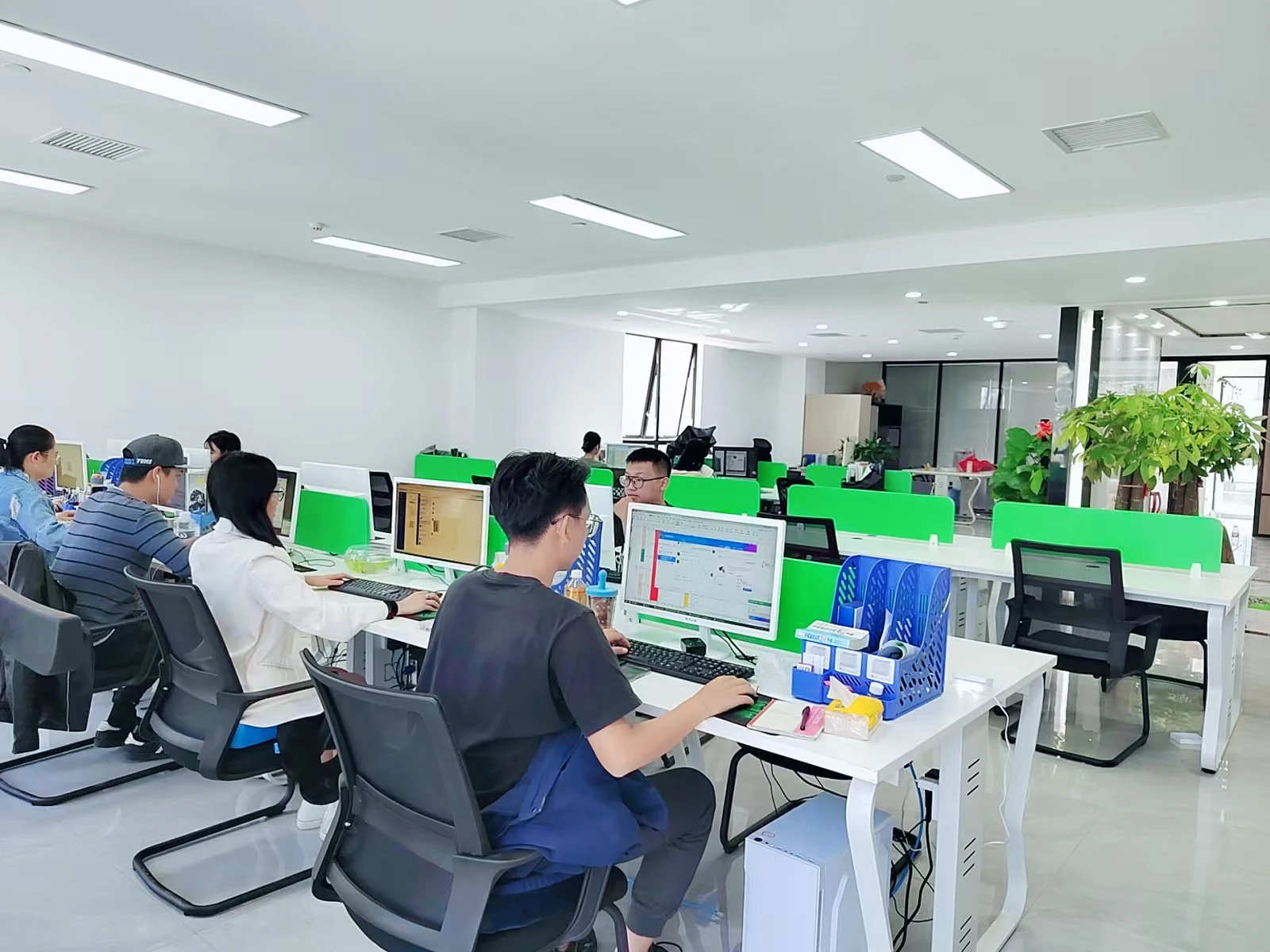
Guangxi Taisilai Technology Co., Ltd.
- Trading Company
- Guangxi, China
- Lead time6 days
- Avg. response≤ 2h
Main productshealth food,health products,dietary supplements
Main marketsSouth America(30.00%), North America(20.00%), Africa(10.00%), Eastern Europe(8.00%), South Asia(5.00%), Oceania(5.00%), Southeast Asia(5.00%), Domestic Market(3.00%), Central America(3.00%), Southern Europe(3.00%), Eastern Asia(3.00%), Northern Europe(2.00%), Western Europe(2.00%), Mid East(1.00%)
$4.0461 - $23.8601
MOQ: 10 pieces
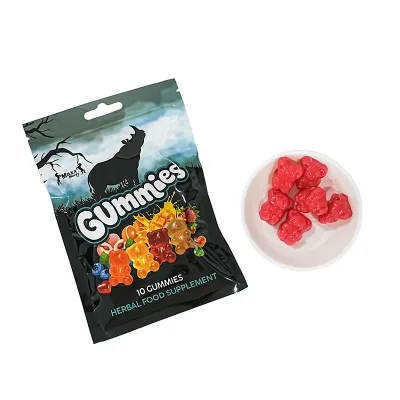
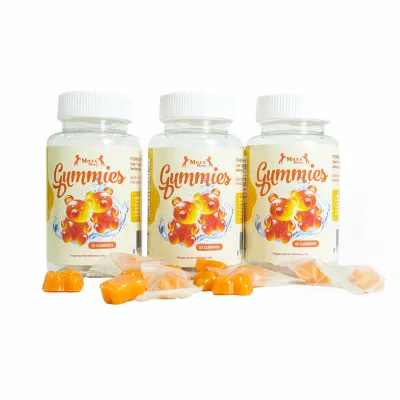
OEM Own Brand Factory Wholesale Male Gummy Candy Performance Enhancement Cognitive Support Vitamins
$3.6941 - $24.6256
MOQ: 2 pieces
Guangdong Changcheng Pharmaceutical Biotechnology Co., Ltd.
- Verified by SGS Group
- Manufacturer, Trading Company
- Lead time10 days
- Avg. response≤ 5h
Main productsTablet, Drops, Capsules, Resin & Gel, Soft Candy
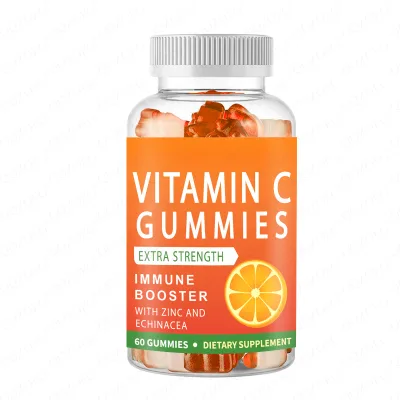
$1.892 - $2.2066
MOQ: 500 pieces
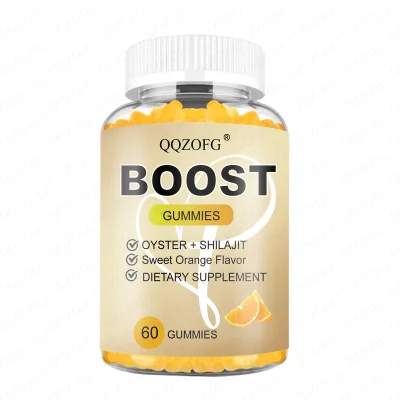
Factory Private Label OEM Booster Energy Gummy Vitamins Candy Supplement for Adults Health
$1.50 - $1.80
MOQ: 1000 pieces
U Life (Zhengzhou) International E-Commerce Co., Ltd.
- Verified by Intertek
- Trading Company
- Lead time7 days
- Avg. response≤ 2h
Main productsElectrolyte Powder, Creatine Gummies, Collagen Gummies, Protein Powder, Vitamin Tablets
Main marketsNorth America(40%), Western Europe(15%), Africa(15%)
Guangzhou Meiyuan Health Medicine Technology Co., Ltd.
- Verified by TüVRheinland
- Manufacturer, Trading Company
- Lead time10 days
- Avg. response≤ 2h
Main productsCollagen Power, Drink, Gummies, Capsules, Tablets
Main marketsAfrica(30%), Western Europe(30%), North America(20%)
Zhengzhou Kunjing Trading Co., Ltd.
- Verified by Intertek
- Trading Company
- Lead time0 days
- Avg. response≤ 1h
Main productsGummy, Tablets, Pre-packed Food
Main marketsNorth America(40%), Western Europe(30%), Southeast Asia(20%)
$1.43 - $1.87
MOQ: 1000 units
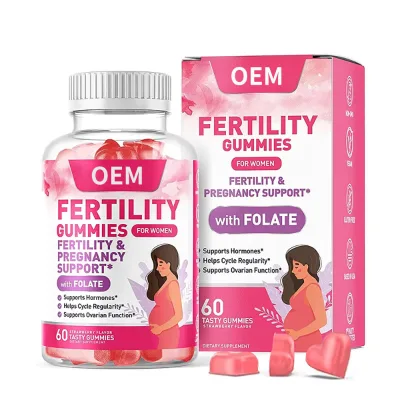
Prenatal Vitamin Gummy Supplement Inositol Vitamin B6 Folic Acid Supports Healthy Pregnancy
$2.10 - $3.20
MOQ: 500 units


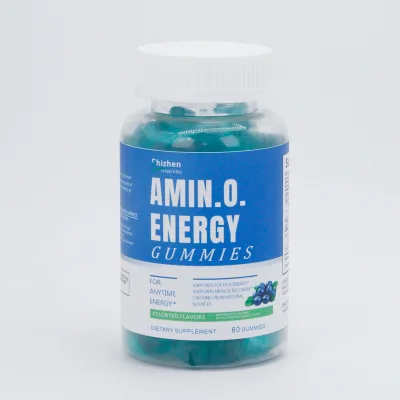
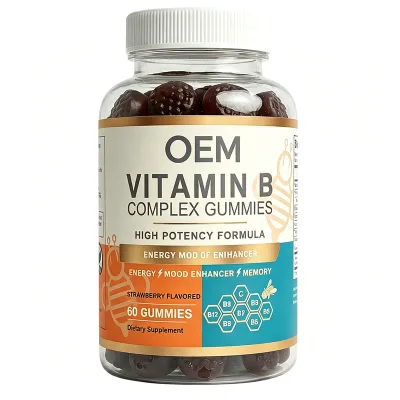
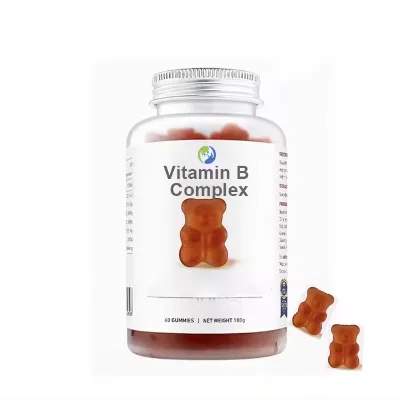




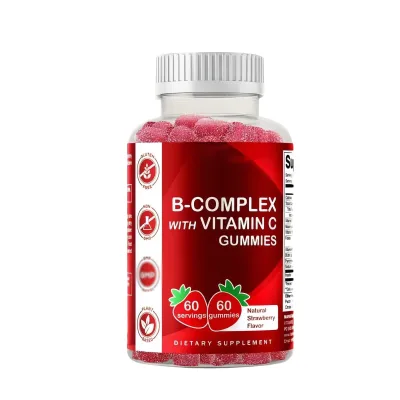
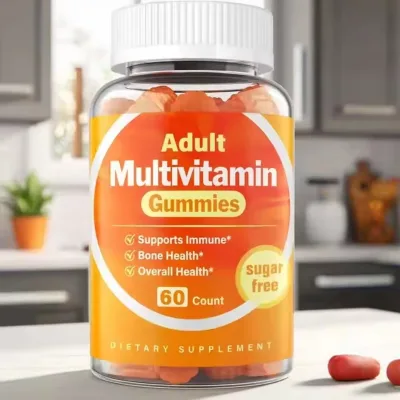
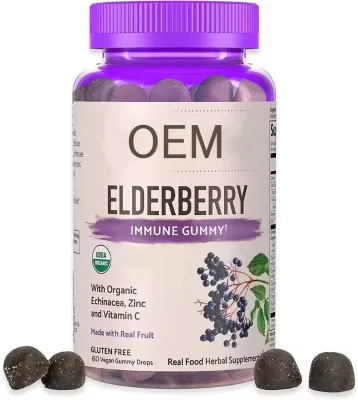
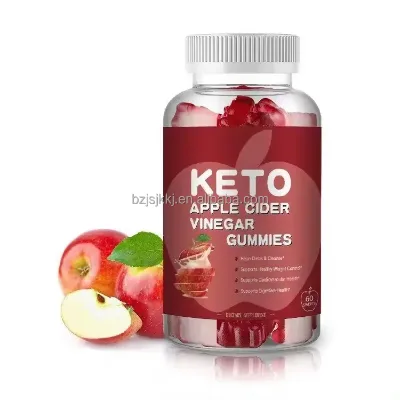
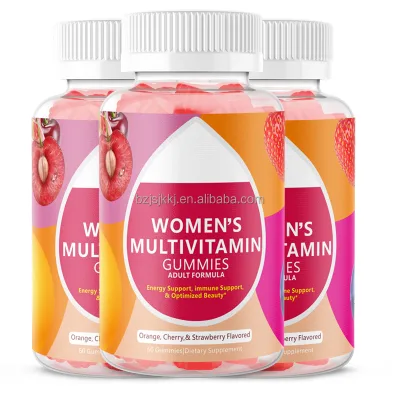
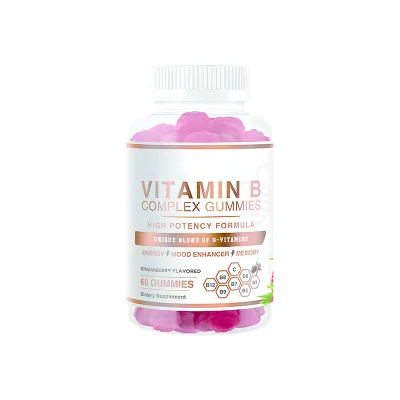
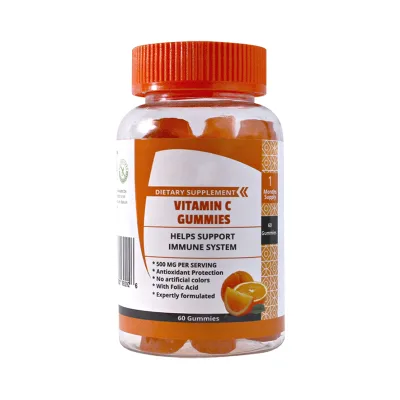
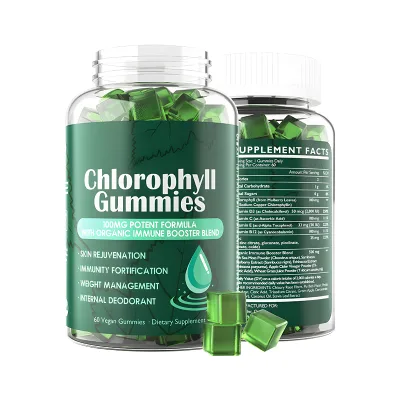
Comprehensive Sourcing Guide
Vitamin Gummies Supplier Concentration and Factory Types
When evaluating Vitamin Gummies suppliers, the first structural question is where they sit in the production chain. Search results on B2B platforms typically surface two distinct company types: manufacturers that run their own gummy lines with in-house formulation, and trading companies that consolidate output from several factories. Supplier results for this category show examples of both, including trading companies based in China's Guangdong province and combined manufacturer-trader operations located in Henan. A combined company type usually signals a factory that also resells related products, which can be convenient for mixed orders but requires extra scrutiny on which items are actually produced in-house.
To identify real manufacturing clusters without relying on assumptions, filter supplier results by location and count how many verified suppliers appear per province or city. A dense cluster in one region usually indicates mature supply of gelatin or pectin raw materials, flavor houses, and packaging converters nearby, which shortens development cycles. Many suppliers in this category list broad main-product ranges covering gummies, capsules, tablets, powders, softgels, and drops alongside sports nutrition and herbal supplements; a supplier focused only on gummies may offer deeper dosing expertise, while a multi-dosage-form supplier can consolidate a wider supplement portfolio. Decide early whether you need a single-category specialist or a multi-form partner, then shortlist accordingly before comparing commercial terms or certifications.
How to Verify Vitamin Gummies Suppliers
Verification should begin with the platform-displayed credentials and end with documents you request directly. Some suppliers in this category display third-party verification such as SGS, which is a useful first filter but not a guarantee of gummy-specific competence. Check the certification claims listed on individual products: several listings in this category cite KOSHER, HACCP, GMP, and ISO, and one listing references Halal and ISO2000 alongside COA availability. Ask each shortlisted supplier for the actual certificate numbers and issuing bodies matching those claims, then confirm them with the issuing organization where possible, because certificate text on a product page is not proof of a valid, current audit.
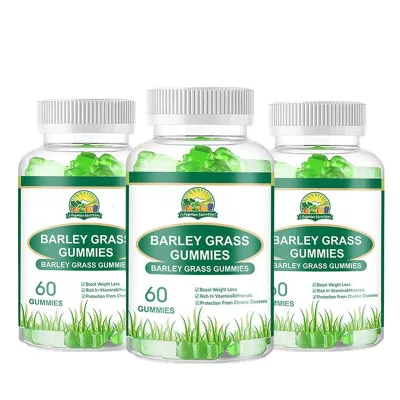
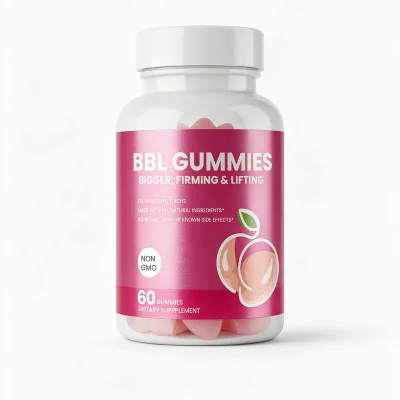
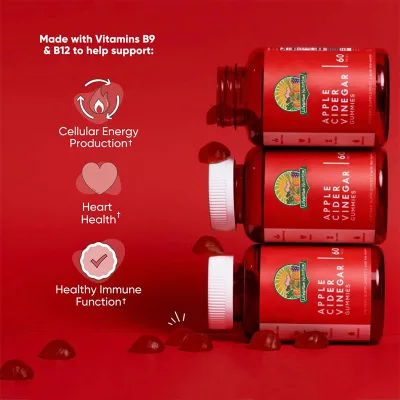
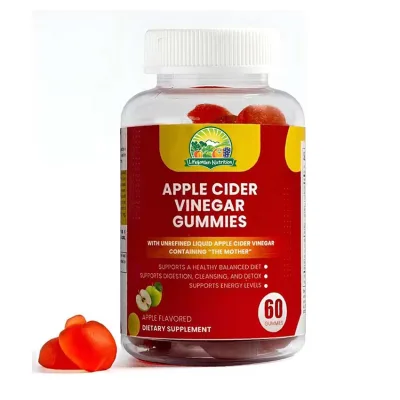
Next, verify production capability against the claims in the listings. Several Vitamin Gummies products here state that customization is available and that OEM and ODM private label services are offered, including logo printing and custom colors or flavors. Request evidence that the factory can deliver what it advertises: a recent third-party lab report for a comparable gummy, photographs or a live video walkthrough of the gummy deposition and coating lines, and business license details matching the company name in the listing. One supplier result shows a response time under three hours, which suggests responsiveness, but test it yourself with technical questions about pectin versus gelatin stability or vitamin C degradation. A supplier that answers formulation and compliance questions quickly and precisely is far safer than one that only responds to price inquiries.
What to Compare Across Vitamin Gummies Suppliers
Build a comparison sheet using the attributes actually displayed in supplier results, since not every supplier shows every field. Useful dimensions include company type (trading versus combined versus manufacturer), location, main products, verification status, response time, lead time, and research capacity such as ODM or OEM support. One supplier result in this category displays a fifteen-day lead time and ODM/OEM capacity, while others show response times around 2.7 to 2.8 hours. Treat these as self-reported data points to validate, not as guarantees, and note which suppliers leave fields blank, because missing disclosure often predicts slower document supply later.
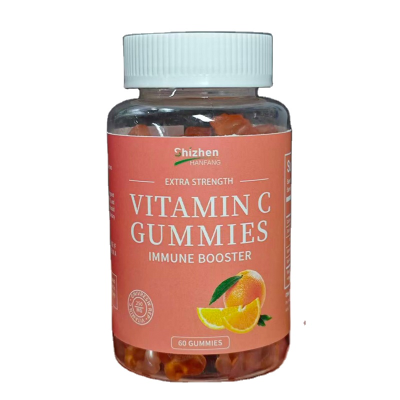
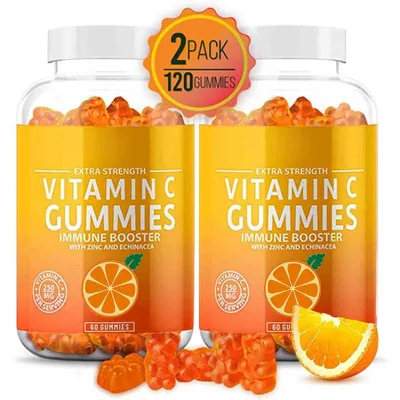
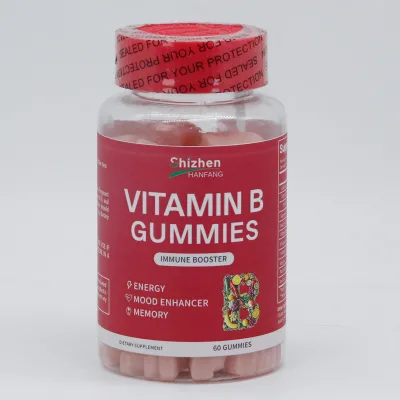
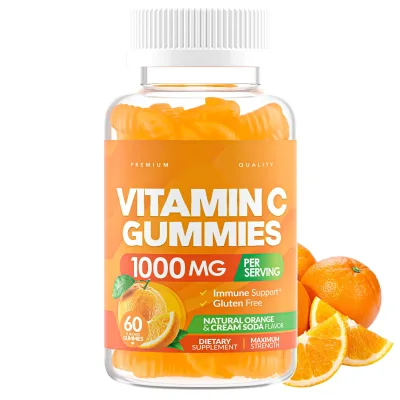
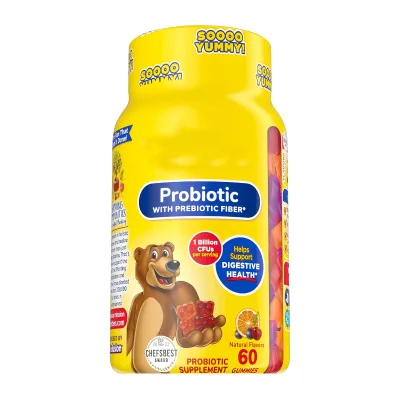
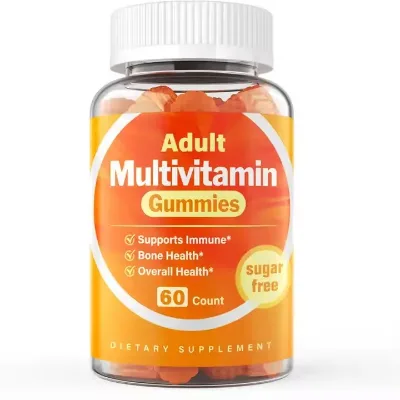
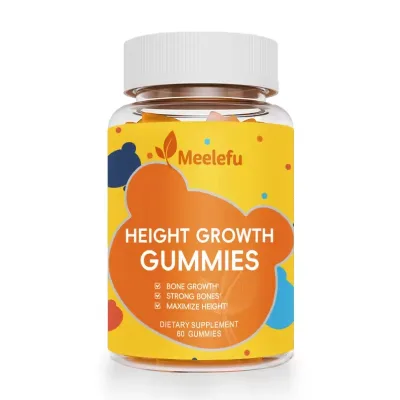
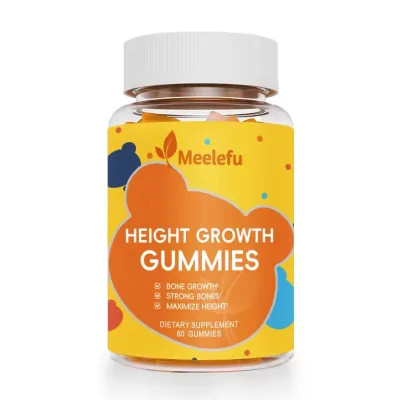
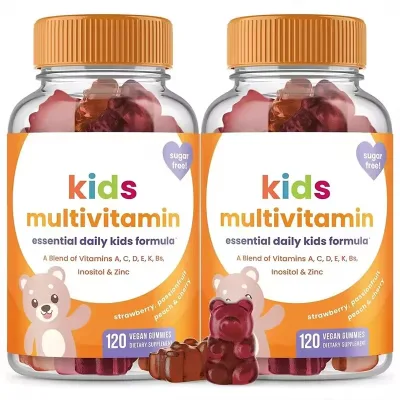
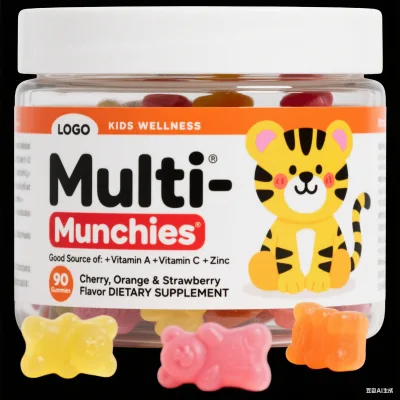
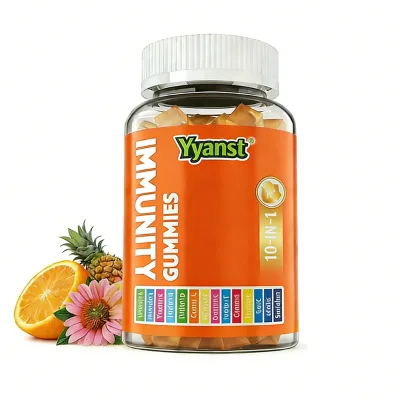
Product-level comparison matters as much as company-level comparison. Listings in this category show MOQs ranging from as low as 10 and 20 units to 100 and 500 pieces, and unit prices spanning roughly 1.65 to 4.00 USD depending on the product and specification, so align quoted MOQ with your launch volume rather than assuming industry-wide minimums. Compare product specifications such as packaging format (bottles of 60 gummies appear in several listings), shelf life (24 months appears in one listing), dosage form, storage requirements, and applicable age groups. Also compare whether the supplier supports private label branding, logo printing, and custom packaging, and whether sample policies allow you to test flavor, texture, and stability before committing to a production run. Rank suppliers on the full set of fields rather than price alone.
Common Vitamin Gummies Sourcing Risks
The most frequent risk in this category is a certificate mismatch. Listings commonly cite GMP, HACCP, ISO, KOSHER, or Halal on the product page, but these may be expired, scoped to a different facility, or simply transcribed incorrectly. Another recurring issue is inconsistent listing data: one result in this category contains garbled attribute fields, which suggests listings are partially auto-generated and may not reflect real specifications. Never rely on listing text for dose, ingredients, or allergen information; require a signed specification sheet and a certificate of analysis for the actual batch you will purchase.
Formulation and stability risks are specific to gummies. Vitamins such as C degrade faster in gummy matrices than in tablets, so ask how the supplier validates shelf life claims; one listing states a 24-month shelf life and another a two-year shelf life, and you should ask for the stability study behind those numbers. Confirm whether the gummy base is gelatin or pectin, since this affects vegan positioning, melting behavior in transit, and label claims. Also check age-group suitability: several listings target children or teens, and one explicitly excludes newborns, so verify that formulations and packaging safety match your market's regulations for the intended age. Finally, beware of overly low MOQs paired with unverifiable claims; genuine manufacturers usually have practical minimums, and implausibly small minimums can indicate a reseller with no production control.
Vitamin Gummies Regional Sourcing and Logistics
Regional context shapes both cost and compliance. Supplier results in this category place suppliers in China's Guangdong and Henan provinces, and Guangdong in particular appears repeatedly as a base for supplement trading companies and gummy product listings. A coastal province location generally simplifies container loading and port access for export shipments, while inland provinces may offer different cost structures; verify freight implications with each supplier rather than assuming one region is always cheaper. When a supplier's location is not displayed, ask for the actual production address, because the registered office and the factory are frequently in different cities.
Logistics planning for gummies differs from other supplements because of temperature sensitivity. Several listings specify storage in cool, dry, moisture-proof conditions, and gummies can soften, stick, or bloom in hot containers. For ocean freight, discuss peak-season heat exposure, desiccant use, and whether packaging is barrier-protected; one listing cites plastic bottles and another foil bags or drums, which behave differently in transit. Confirm the supplier's standard packaging configuration, such as the 60-gummies-per-bottle format shown in multiple listings, and whether cartons are export-grade. Ask about production scheduling around holidays, since lead times of around fifteen days can extend during festival periods. Finally, clarify Incoterms and who arranges freight forwarders, and request sample shipments through the same channel you will use for production so you can observe how the gummies arrive.
Vitamin Gummies Commercial Terms and Order Planning
Commercial terms should be negotiated against the data points visible in listings rather than platform defaults. In this category, displayed MOQs vary widely, from 10 and 20 pieces on some listings to 100 and 500 pieces on others, and quoted unit prices range from about 1.65 to 4.00 USD. Use these figures as negotiation anchors: ask a supplier with a 500-piece MOQ whether a first trial order can run smaller, and ask suppliers with very low MOQs how unit pricing scales at production volumes. Confirm what the displayed price includes, since gummy pricing typically varies with weight per gummy, count per bottle, flavor complexity, and printing or custom packaging.
Order planning should sequence carefully around verification and sampling. Place a sample order before any production commitment, testing taste, texture, color stability, and packaging quality against the specification sheet. For private label projects, confirm artwork lead times, mold or deposition-plate costs if shapes are custom, and who owns the formulation if ODM development is involved. Agree on payment structure that protects you, ideally escrow or staged payments tied to inspection, and never pay the full balance before goods pass a pre-shipment check. Set a reordering framework early: confirm whether the quoted lead time of roughly fifteen days holds for repeat orders, whether the supplier will hold your formula and packaging inventory, and how price adjustments are handled when raw material costs move.
word count check: S1 ~232+... roughly 230×6 ≈ 1390. Good.
FAQs
What certifications do vitamin gummy suppliers hold?
Suppliers typically hold KOSHER, HACCP, GMP, and ISO certifications to ensure product safety and quality standards. These credentials verify that manufacturing processes meet international regulatory requirements for dietary supplements. Buyers should request valid certificates to confirm compliance before placing large orders.
What is the minimum order quantity for private label gummies?
Minimum order quantities vary significantly by supplier, ranging from 10 to 500 pieces. Some manufacturers accept low MOQs of 10 units for testing, while others require 500 pieces for custom branding. Buyers should verify specific MOQs based on their packaging and customization needs.
How long does production take for custom Vitamin Gummies?
Standard lead times are approximately 15 days for production and shipping. This duration allows for formulation, manufacturing, and quality control processes. Buyers should confirm exact timelines with suppliers, as rush orders or complex customizations may extend the delivery schedule beyond the standard period.
What is the price range for bulk vitamin gummy orders?
Prices generally range from $1.65 to $4.00 per unit depending on ingredients and volume. Lower costs apply to basic formulations, while specialized blends like collagen or DHA may cost more. Buyers should request detailed quotes to understand pricing based on specific product requirements and quantities.
Where are vitamin gummy manufacturers primarily located?
Most manufacturers are located in China, specifically in Guangdong and Henan provinces. These regions offer robust supply chains for nutritional supplements and gummy production. Buyers can source from trading companies or combined suppliers in these areas to access a wide variety of products and services.
Do suppliers offer OEM and ODM services for gummies?
Yes, many suppliers provide both OEM and ODM services for custom Vitamin Gummies. This allows buyers to create unique formulations or use existing recipes with private labeling. Customization options include flavor, shape, and ingredient composition to meet specific market demands and brand identities.