Source Women Probiotic Capsules for Digestion for gut health, immunity, and wellness
Find 30 verified options for Women Probiotic Capsules for Digestion to compare specifications like potency, dosage, and certifications. Buyers can evaluate manufacturers offering GMP, ISO, and HACCP standards for bulk sourcing needs; compare the available evidence and request quotations based on your requirements.
Updated
Key considerations
Products List
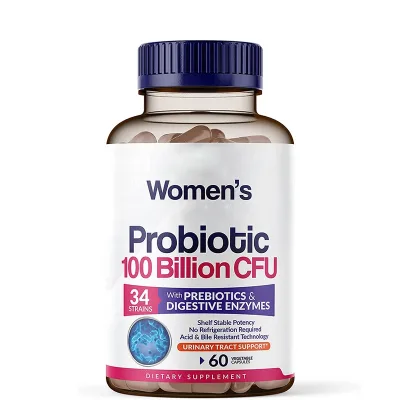
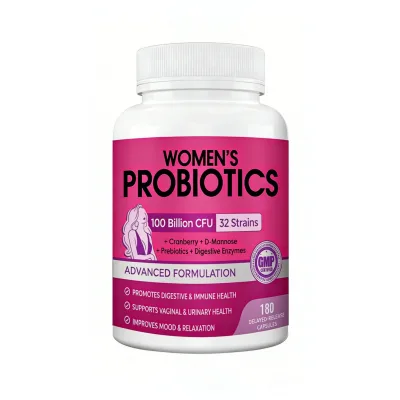


Probiotic Capsules with Lactobacillus Bifidobacterium for Adults Women Children
$0.05 - $1.50
MOQ: 300000 Pieces

OEM/ODM Probiotic Supplements for Women Private Label Female Care Capsules
$0.036 - $0.053
MOQ: 300000 Pieces


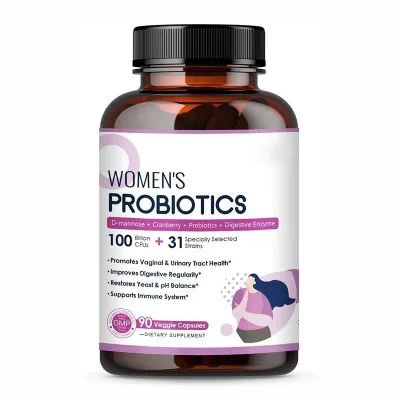


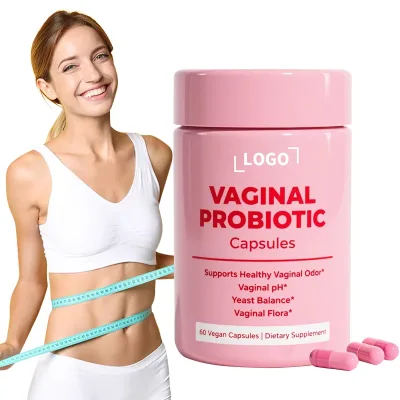


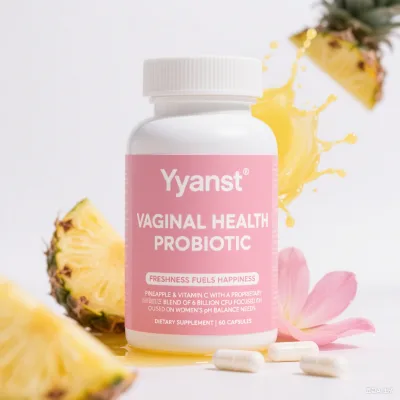
Wholesale Healthy Levels Probiotics Women Capsules Promote Healthy Probiotics Women Capsules
$2.1481 - $3.2723
MOQ: 1000 Minimum
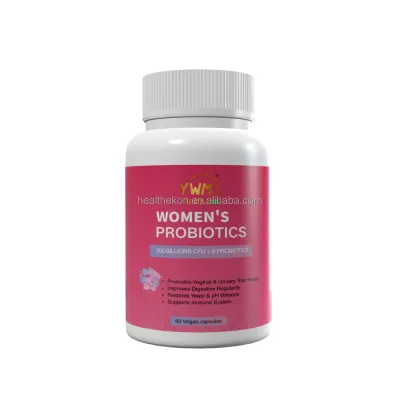
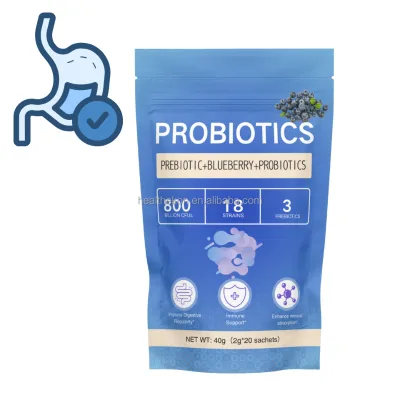
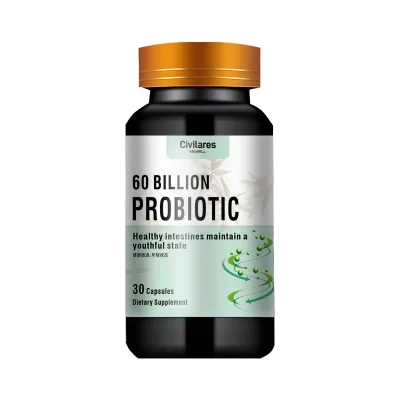
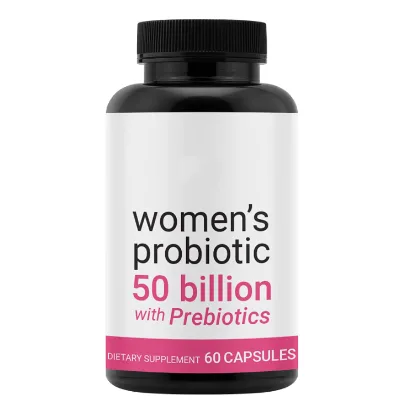
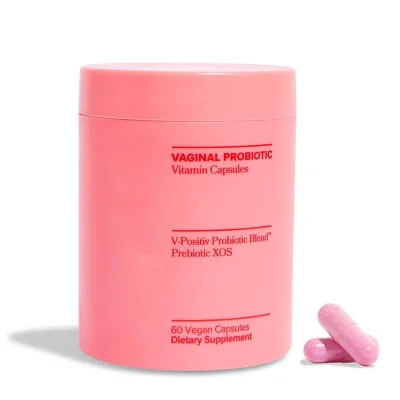


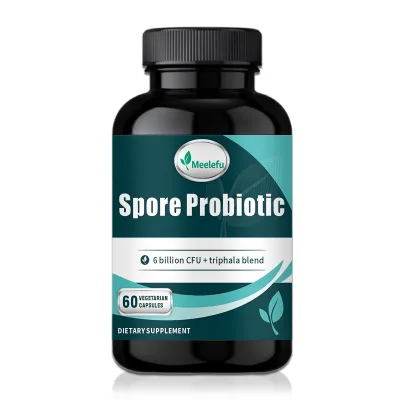
OEM Customized Private Label Vaginal Probiotics Capsules for Women pH Balance
$2.00 - $3.00
MOQ: 100 Pieces


Comprehensive Sourcing Guide
Women Probiotic Capsules for Digestion Sourcing Guide
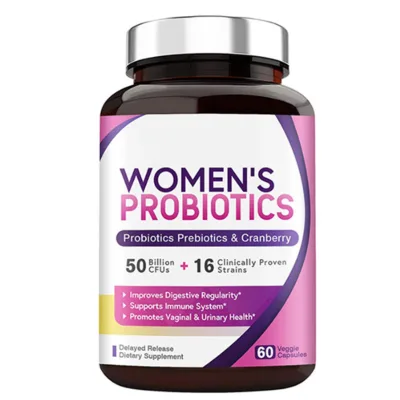
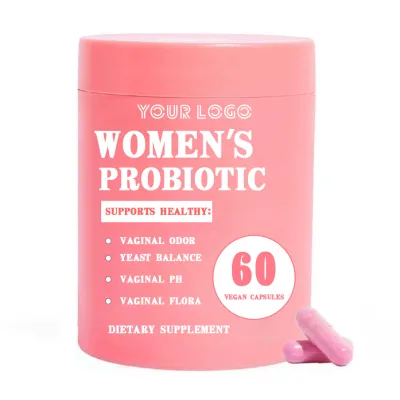
Sourcing women-specific probiotic capsules for digestive health requires careful alignment of biological needs with manufacturing capabilities. The observed market signals indicate a strong focus on adult female demographics, with products explicitly targeting digestive health support and immune system enhancement. Buyers must recognize that while general applicability includes both men and women, the specific formulation for women often emphasizes gut flora balance to address unique physiological challenges. The primary active ingredient identified in listings is probiotics, delivered in a capsule dosage form, which suggests a preference for stable, easy-to-administer delivery systems over powders or liquids.
Procurement teams should note the variability in product specifications across suppliers, ranging from 60 to 180 capsules per bottle. This variation impacts inventory management and consumer usage cycles, requiring buyers to define their target market’s consumption habits accurately. The effectiveness claims are consistently tied to promoting digestion and supporting overall health through a healthy diet, rather than treating acute medical conditions. Consequently, marketing materials must be crafted to reflect these supportive benefits without making unauthorized therapeutic claims, ensuring compliance with regional advertising standards for dietary supplements.
Product Scope and Observed Listing Signals
The current supply landscape features a diverse array of probiotic capsules, with observed price points ranging from $0.04 to $350 per unit. This wide spectrum reflects differences in strain potency, certification levels, and packaging complexity. Minimum order quantities (MOQs) vary significantly, from as low as one unit for sampling up to 300,000 units for large-scale private label contracts. Buyers must evaluate whether their volume requirements align with the supplier’s production capacity and pricing tiers. The presence of OEM and private label options indicates a mature manufacturing ecosystem capable of custom branding, which is essential for retailers seeking to establish distinct product identities in the competitive women’s health market.
Key product attributes observed include a standard dose of two capsules per serving, with bottle capacities typically set at 60 capsules. Some listings offer larger 180-capsule formats, catering to long-term subscription models or bulk purchasers. The main ingredients are primarily probiotic extracts, with potency levels noted as high as 20 billion CFU/g in certain specialized offerings. Flavor profiles are generally described as original, suggesting a focus on neutral taste to avoid consumer aversion. Storage requirements vary, with some products needing cool, dry places while others specify frozen or cold storage, highlighting the critical need for cold-chain logistics in certain segments of the supply chain.
Technical Specifications to Verify
Technical verification begins with confirming the model numbers and physical dimensions of the packaging. Observed specifications include model numbers such as 10-13 and odm, alongside single package sizes of 5x5x15 cm and 5x5x12 cm. These dimensions directly influence shipping costs and warehouse storage efficiency. Buyers must verify the single gross weight, which ranges from 0.3 kg to 1.0 kg depending on the bottle capacity and material density. Accurate weight data is crucial for calculating landed costs and ensuring compliance with carrier weight restrictions. Additionally, the dosage form is consistently identified as capsules, but buyers should confirm the shell material, such as vegetarian or gelatin, to align with vegan dietary preferences explicitly mentioned in some product attributes.
Shelf life and storage stability are critical technical parameters that vary across suppliers. While some products list a shelf life of 24 months, others specify greater than 12 months, requiring precise inventory turnover strategies. Storage methods range from cool and dry places to temperatures under 25°C in dry places, with some specialized formulations requiring frozen storage. Buyers must ensure their distribution network can maintain these specific environmental conditions to preserve probiotic viability. The potency of 20 billion CFU/g is a key performance indicator that must be validated through batch-specific testing, as live culture counts can degrade if storage protocols are not strictly followed throughout the supply chain.
Compliance and Safety Documentation
Regulatory compliance is paramount when sourcing probiotic supplements, particularly for the women’s health segment. Suppliers in the observed listings hold various certifications, including GMP, HACCP, QS, ISO, cGMP, Halal, and Health Canada approval. Buyers must verify which specific certifications are valid and applicable to their target markets, as regulatory requirements differ significantly between regions like North America, Europe, and Asia. The presence of a Certificate of Analysis (CoA) and a Technical Data Sheet (TDS) on request indicates a level of transparency, but buyers should insist on receiving these documents for every production batch to ensure consistency and safety.
Safety exclusions are clearly defined in the product attributes, with newborns, children, and pregnant women explicitly listed as not applicable people for certain formulations. This restriction necessitates clear labeling and marketing to prevent misuse by vulnerable populations. The dietary specialty is noted as vegan, which appeals to a growing segment of health-conscious consumers but requires strict verification of ingredient sourcing to avoid cross-contamination with animal-derived products. Buyers should also confirm that the manufacturing facilities adhere to strict hygiene standards, as probiotics are live organisms that can be susceptible to contamination if production environments are not rigorously controlled.
Cost Drivers and Commercial Terms
Cost structures for probiotic capsules are influenced by several factors, including the potency of the strains, the complexity of the encapsulation process, and the level of customization required. The observed MOQ range of 1 to 300,000 units allows for flexibility, but higher volumes typically yield better unit prices. Buyers should negotiate based on their projected annual requirements, leveraging volume commitments to secure favorable pricing tiers. The availability of customization options, such as private labeling and specific packaging designs, may incur additional setup fees, which should be factored into the total cost of ownership.
Commercial terms also encompass lead times and payment structures, which are not explicitly detailed in the observed data but are critical for supply chain planning. Buyers must establish clear agreements on production schedules to avoid stockouts, especially for seasonal demand peaks. The selling unit is typically a single item, but bulk packaging options may be available for wholesale distribution. It is essential to clarify who bears the responsibility for shipping and insurance, as well as the procedures for handling defective batches or quality disputes. Transparent communication regarding these terms helps mitigate financial risks and ensures a smooth procurement process.
Supplier Qualification and Quality Control
Supplier qualification involves a thorough assessment of manufacturing capabilities and quality management systems. Buyers should prioritize suppliers with proven experience in producing probiotic supplements, particularly those with certifications like ISO and HACCP. Site audits are recommended to verify the cleanliness of production facilities and the integrity of the cold-chain storage if required. The place of origin for many suppliers is Guangdong or Henan in China, regions known for their robust manufacturing infrastructure. However, buyers must conduct due diligence to ensure that these facilities meet international quality standards and have a track record of reliable delivery.
Quality control protocols must be rigorously defined and enforced. Buyers should require batch-specific testing for potency, microbial contamination, and dissolution rates. The availability of a Certificate of Analysis (CoA) for each batch is a minimum requirement, but buyers may also request third-party testing results for additional assurance. Regular quality audits and performance reviews should be conducted to monitor supplier consistency. Establishing a clear communication channel for addressing quality issues promptly is essential for maintaining product integrity and protecting brand reputation in the competitive women’s health market.
Long-Term Procurement Checks
Long-term procurement success depends on continuous monitoring of market trends and regulatory changes. Buyers should stay informed about emerging probiotic strains and formulations that offer enhanced digestive health benefits for women. Regularly reviewing supplier performance metrics, such as on-time delivery rates and defect percentages, helps identify potential issues before they escalate. Building strong relationships with suppliers can lead to better pricing, priority production slots, and access to new product innovations. Additionally, diversifying the supplier base can mitigate risks associated with supply chain disruptions or geopolitical factors.
Sustainability and ethical sourcing are increasingly important considerations for modern consumers. Buyers should evaluate suppliers’ practices regarding ingredient sourcing, packaging materials, and waste management. Vegan certifications and eco-friendly packaging options can enhance brand appeal and align with consumer values. Regularly updating product specifications and marketing materials to reflect current scientific understanding and regulatory requirements ensures that the brand remains relevant and compliant. By maintaining a proactive approach to procurement, buyers can secure a competitive advantage in the growing women’s probiotic market.
FAQs
What are the main ingredients in these probiotic capsules?
The main ingredient is probiotics, often combined with other extracts to support digestive health. These capsules are formulated as dietary supplements to promote digestion and immune support. They are designed for adult men and women, excluding pregnant women and newborns. The product type includes vitamins and probiotics, ensuring a balanced approach to gut health and overall wellness for daily consumption.
How should these probiotic capsules be stored?
Storage methods vary by specific product batch, with options including cool and dry places, cold storage, or frozen conditions. Some specifications require temperatures under 25 degrees Celsius in a dry place. Always check the label for the precise storage method to maintain potency. Proper storage ensures the shelf life of 24 months or more is preserved, keeping the 20 billion CFU/G potency stable until consumption.
What is the recommended dosage for these capsules?
The standard dose is two capsules per serving. This dosage is consistent across many listings, with each bottle typically containing 60 capsules. Some larger specifications offer 180 capsules per bottle. Users should take two capsules to support digestion and immune health. This regimen is suitable for adults, providing a convenient way to incorporate probiotics into a healthy diet without complex preparation.
Which certifications do these manufacturers hold?
Manufacturers often hold GMP, HACCP, QS, ISO, cGMP, and Halal certifications. Some also provide Health Canada approval. These certifications ensure quality and safety standards are met. The products are available as private label or OEM options. Buyers can request a Certificate of Analysis and Technical Data Sheet. These credentials verify the manufacturing process and product integrity for global sourcing needs.
Can these capsules be customized for private labeling?
Yes, customization is available for private label and OEM branding. Manufacturers offer flexible specifications, including different capsule counts and packaging sizes. The single package size is typically around 5x5x12 cm or 5x5x15 cm. Buyers can select from various flavors, such as original, and ensure vegan dietary suitability. This flexibility supports distinct brand identities while maintaining high-quality probiotic content.
What is the typical MOQ for these products?
The observed MOQ range is 1 to 300,000 units. This wide range accommodates both small trial orders and large bulk purchases. Suppliers offer flexible packaging, such as 500 mg capsules or powder in bulk. The low minimum order quantity allows new buyers to test the market. Higher volumes may unlock better pricing tiers. This flexibility supports diverse business models from startups to established brands.