Source Skin Brightening Marine Collagen Peptides for Beauty
Find 30 verified suppliers of Skin Brightening Marine Collagen Peptides for cosmetic formulations, dietary supplements, and private label branding. Compare OEM/ODM options, certifications like HACCP and ISO, and packaging specs to streamline your sourcing process; compare the available evidence and request quotations based on your requirements.
Updated
Key considerations
Products List

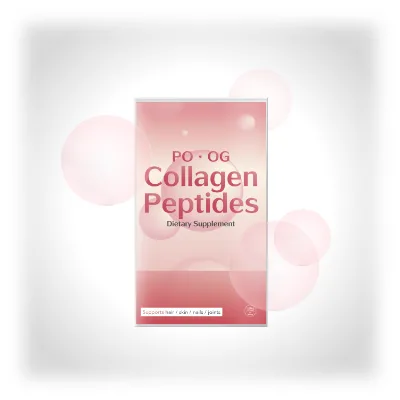


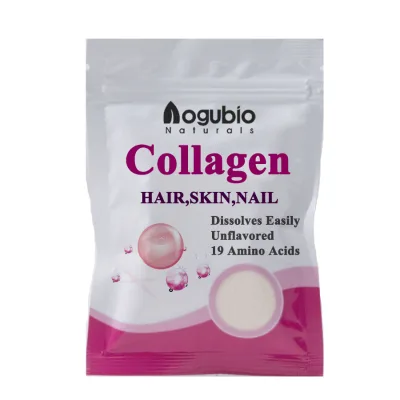
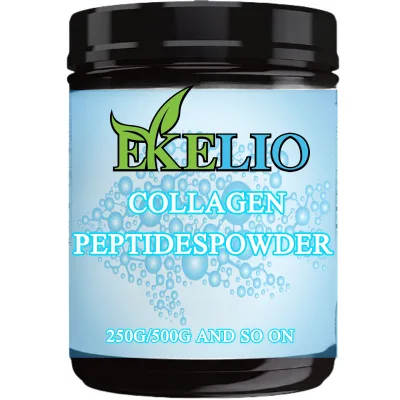
Cosmetic Grade Fish Collagen Peptides Powder Marine Collagen Peptides Powder
$13.6106 - $18.8451
MOQ: 1 kilograms


Skin Hydration Boost with Marine Collagen Peptides Skin Whitening Powder
$0.10 - $0.15
MOQ: 100000 Bags

Water Soluble Fish Marine Collagen Low Price Fish Collagen Peptide Powder
$13.00 - $20.00
MOQ: 1 Minimum





Natural Collagen Boost for Youthful Appearance Collagen Peptides Capsules
$2.20 - $2.90
MOQ: 10 bottle


High Potency Collagen Formula for Skin Hydration Collagen Peptides Capsules
$2.20 - $2.90
MOQ: 10 bottle

Triple Strength Collagen Support for Tissue Repair Collagen Peptides Capsules
$2.20 - $2.90
MOQ: 10 bottle

Comprehensive Sourcing Guide
Skin Brightening Marine Collagen Peptides Sourcing Guide
Procuring Skin Brightening Marine Collagen Peptides requires a disciplined approach to verifying raw material origins and processing methods. Buyers must distinguish between wild-sourced fish skin and other marine extracts to ensure consistency in peptide profiles. The observed market data indicates a strong preference for products derived from fish skin, which are often marketed for their superior bioavailability and lack of fishy odor. Sourcing teams should prioritize suppliers who explicitly state their cultivation method as wild, as this often correlates with higher purity standards and fewer contaminants compared to farmed alternatives.
Commercial listings frequently highlight private label and OEM capabilities, allowing brands to customize flavors and packaging while maintaining a consistent core ingredient. The typical dosage form is a powder, often packaged in individual sachets for convenience and portion control. Buyers should verify that the supplier offers flexible packaging options, such as vacuum-packed plastic containers or plain sachets with white label name tags, to meet specific retail or B2B distribution needs. Understanding these packaging nuances is critical for maintaining product integrity during shipping and storage.
Product Scope and Observed Listing Signals
The current market landscape for marine collagen peptides shows a wide range of product specifications, with observed unit prices varying significantly based on quantity and customization levels. Listings indicate a price range from $0.10 to $54.00 per piece, reflecting differences in MOQs that span from 1 to 100,000 units. This variance suggests that small-batch buyers can access samples or low-volume orders, while large-scale distributors benefit from economies of scale. Procurement teams must carefully evaluate the total landed cost, including shipping and tariffs, rather than focusing solely on the unit price displayed on supplier platforms.
Product attributes observed in listings emphasize benefits such as anti-aging, brightening, and whitening, alongside support for smooth hair and strong nails. The primary ingredients typically include collagen, glutathione, vitamin C, and fruit or vegetable extracts, creating a comprehensive beauty supplement profile. Buyers should note that while many products claim to be 100% natural and food-grade, these are observations from specific listings and not universal guarantees. It is essential to request batch-specific certificates of analysis to confirm that the actual product matches the advertised ingredient profile and quality claims.
Technical Specifications to Verify
Technical verification of marine collagen peptides begins with confirming the molecular weight and physical properties of the powder. Observed specifications indicate a molecular weight of less than 1000 daltons, which is crucial for optimal absorption and bioavailability in the human body. Buyers should also verify the pH level, which typically ranges from 5.0 to 7.5, ensuring the product is stable and suitable for consumption. Additionally, the color should be white, and the smell should be free of fishy odors, indicating effective processing and purification techniques that remove impurities and volatile compounds.
Packaging and storage requirements are equally important for maintaining product efficacy. Standard specifications often include 6g per sachet, with 30 sachets per box, resulting in a single gross weight of approximately 0.500 kg. The shelf life is generally 24 months, provided the product is stored in a cool, dry, and moisture-proof environment. Buyers must ensure that the supplier’s packaging details, such as vacuum packing or plastic containers, align with these storage conditions to prevent degradation. Verifying the single package size, often around 6.5x8.5x15 cm, helps in planning logistics and warehouse space efficiently.
Compliance and Safety Documentation
Compliance with international food safety standards is non-negotiable when sourcing marine collagen peptides. Suppliers should provide valid certifications such as HACCP, ISO22000, GMP, and ISO, which demonstrate adherence to rigorous quality management systems. Additional certifications like HALAL, KOSHER, TUV, and RHEILAND may be required depending on the target market and consumer demographics. Buyers must verify the authenticity of these certificates and ensure they are current, as expired or invalid documentation can lead to regulatory issues and product recalls in importing countries.
Quality assurance processes should include batch-specific testing to confirm purity and safety. The observed data indicates that every batch undergoes testing, which is a positive indicator of supplier diligence. Buyers should request detailed test reports that cover heavy metals, microbial contamination, and peptide concentration. Furthermore, it is important to verify that the product is suitable for the intended demographic, noting that while it is generally suitable for adults, elderly, and children, it may not be applicable for pregnant women. Clear labeling and compliance with local labeling regulations are essential to avoid legal complications.
Cost Drivers and Commercial Terms
Several factors influence the final cost of marine collagen peptides, including the raw material source, processing complexity, and customization requirements. Wild-sourced fish skin and patented extracts often command higher prices due to their perceived quality and scarcity. Customization options, such as private labeling, specific flavors, and unique packaging designs, also add to the overall cost. Buyers should negotiate clearly defined commercial terms that specify who bears the responsibility for shipping, insurance, and customs duties, as these can significantly impact the total procurement budget.
Minimum order quantities (MOQs) vary widely, ranging from single units for sampling to 100,000 units for bulk production. Understanding the MOQ structure is crucial for cash flow management and inventory planning. Buyers should explore tiered pricing models that offer discounts for larger volumes, while also considering the feasibility of drop shipping services if they operate in a low-inventory model. It is advisable to clarify the lead times for both standard and customized orders to ensure timely delivery and avoid stockouts. Transparent communication about payment terms and refund policies for defective goods is also essential for a smooth procurement process.
Supplier Qualification and Quality Control
Supplier qualification involves a thorough assessment of their manufacturing capabilities, quality control systems, and track record. Buyers should verify that the supplier has a dedicated quality control team that conducts tests on every batch, ensuring consistency and safety. It is also important to check if the supplier offers OEM, ODM, and OBM services, as this indicates flexibility and experience in working with diverse client needs. Suppliers with a strong reputation for export quality and food-grade standards are preferable, as they are more likely to meet international regulatory requirements.
Quality control should extend beyond the final product to include raw material sourcing and processing steps. Buyers should inquire about the supplier’s procedures for verifying the wild-sourced nature of the fish skin and the effectiveness of their extraction methods. Regular audits, either on-site or virtual, can provide valuable insights into the supplier’s operational practices and commitment to quality. Establishing a clear communication channel for addressing quality issues and requesting samples before large orders can help mitigate risks. Building a long-term relationship with a reliable supplier ensures consistent product quality and supply chain stability.
Long-Term Procurement Checks
Long-term procurement success depends on continuous monitoring of supplier performance and market trends. Buyers should regularly review supplier certifications and quality reports to ensure ongoing compliance with regulatory standards. It is also important to stay updated on changes in consumer preferences, such as the demand for specific flavors or packaging formats, and adjust procurement strategies accordingly. Maintaining a diversified supplier base can help mitigate risks associated with supply chain disruptions and price volatility.
Feedback from end-users and sales teams should be incorporated into procurement decisions to ensure the product meets market expectations. Buyers should establish key performance indicators (KPIs) for supplier evaluation, such as on-time delivery rates, product defect rates, and responsiveness to inquiries. Regularly revisiting commercial terms and negotiating better pricing or service levels based on performance can lead to cost savings and improved efficiency. By maintaining a proactive approach to supplier management, buyers can ensure a steady supply of high-quality marine collagen peptides that support their brand’s growth and reputation.
FAQs
What certifications do the marine collagen peptides hold?
The product holds HACCP, ISO22000, HALAL, TUV, RHEILAND, KOSHER, GMP, and ISO certifications. These credentials ensure the collagen powder meets international food safety and quality standards for export markets and private label manufacturing requirements.
How is the collagen powder packaged for bulk orders?
Each sachet contains 6 grams of powder and is vacuum packed in a plastic container. A standard box holds 1000 plain sachets with white label name tags, ensuring the product remains moisture-proof during storage and shipping.
Can I customize the flavor and packaging for this product?
Yes, customization is available for flavors and packaging details. The product supports OEM, ODM, and private label services, allowing buyers to tailor the white label name tag and sachet specifications to their specific brand requirements.
What is the minimum order quantity for this collagen powder?
The minimum order quantity ranges from 1 to 100,000 pieces depending on the supplier configuration. Buyers can source single items or bulk quantities, with the product available in 30 sachets per box or 1000 sachets per box.
Where is the origin of this marine collagen peptide powder?
The place of origin is Taiwan, China. The raw material is sourced from wild fish skin, and the product is manufactured to export quality standards with a shelf life of 24 months when stored in a cool, dry place.
What are the main ingredients in this skin brightening powder?
The main ingredients include collagen, glutathione, vitamin C, fruits, and vegetables. This formulation is designed to provide anti-aging, brightening, and whitening benefits while supporting smooth hair and strong nails for adult consumers.