Source Vintage Crocheted Cotton Suspenders for Daily Wear
Find 30 Vintage Crocheted Cotton Suspenders from Chinese manufacturers. Compare options featuring polyester, nylon, and alloy or plastic buckles. Customize colors, logos, and sizes for daily life usage with OEM services available; compare the available evidence and request quotations based on your requirements.
Updated
Key considerations
Products List

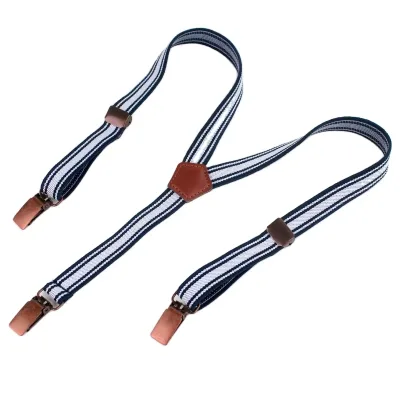
Factory Price Keep Shirt Tucked in Comfortably Garter Straps Sock Suspenders
$3.50 - $4.50
MOQ: 500 piece


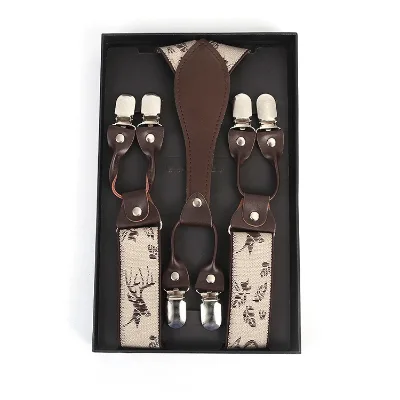
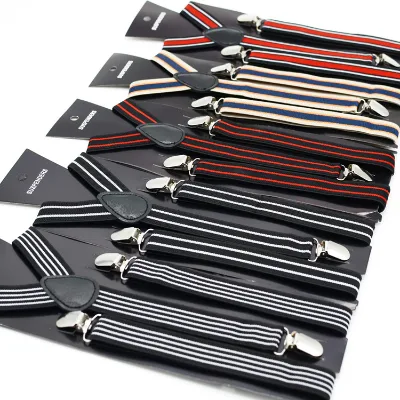

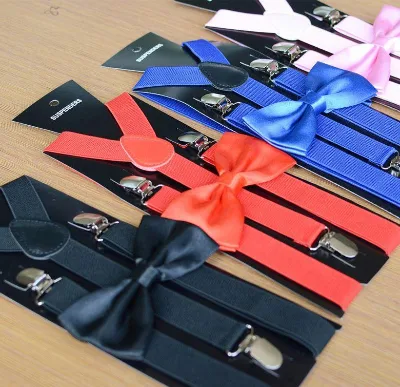
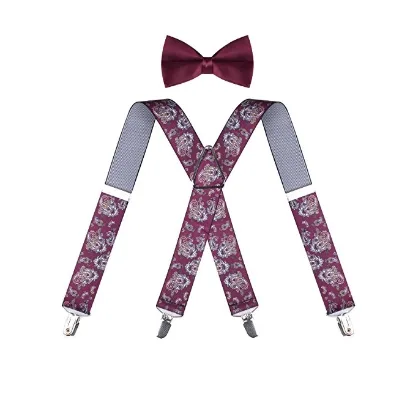
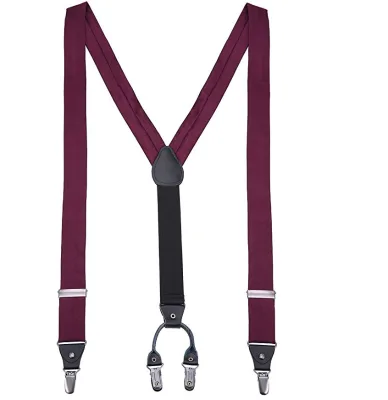
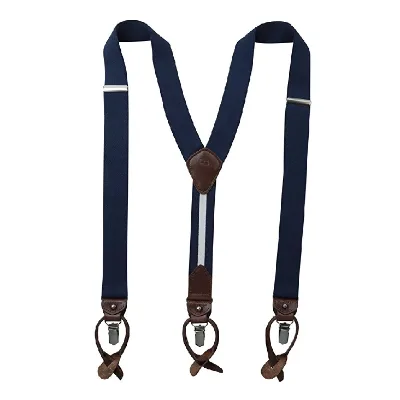
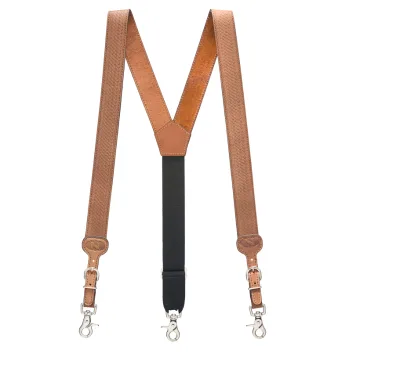
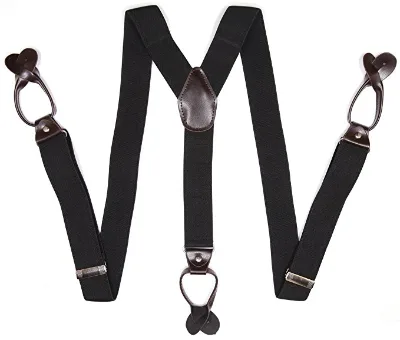
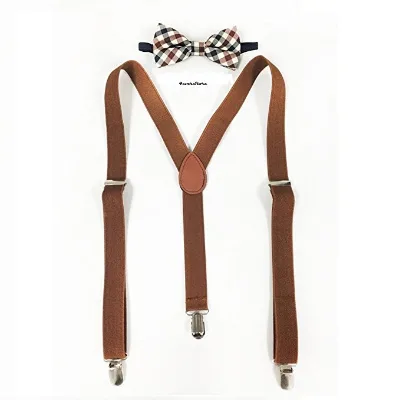
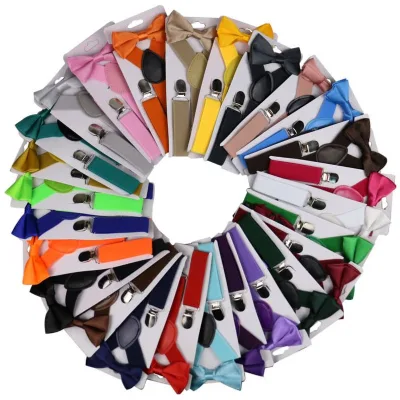
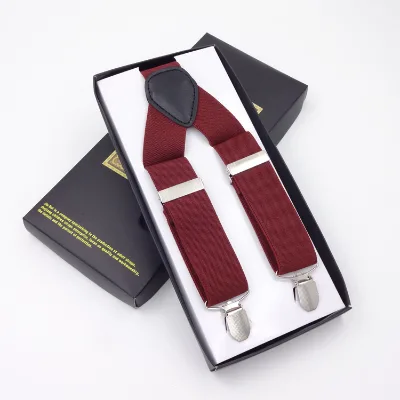
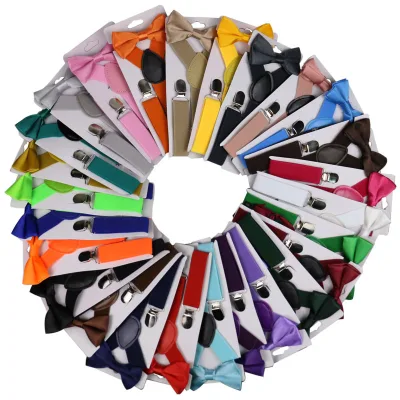
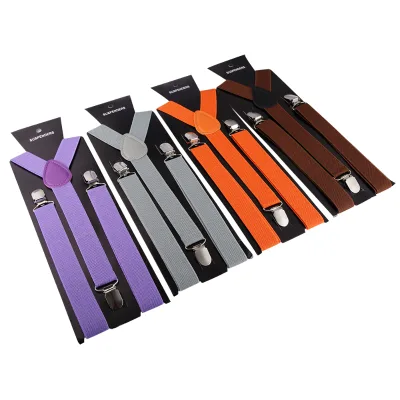
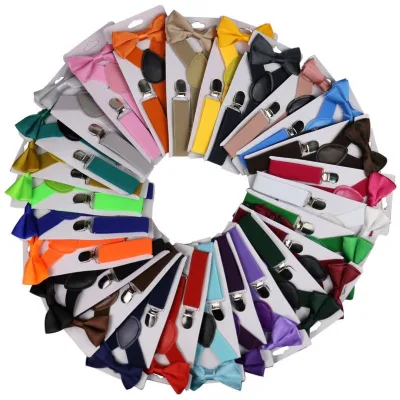
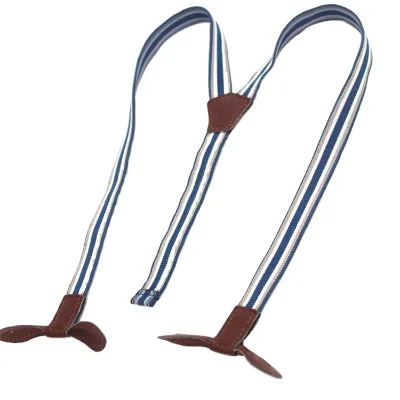
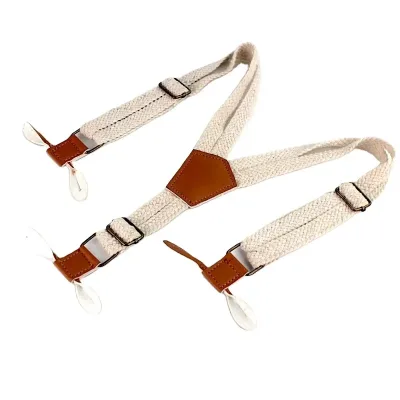
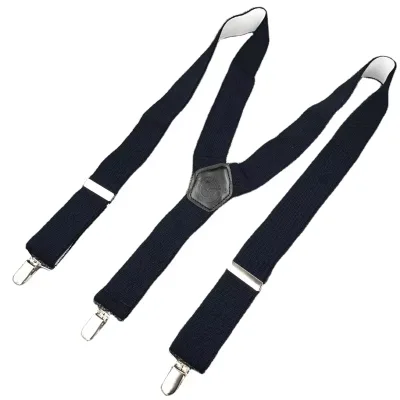
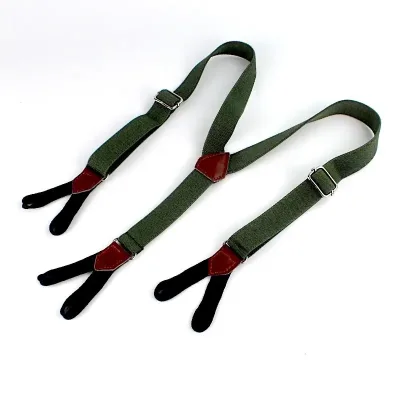
Custom Design 2.2cm PU Button Suspender with Customer Braided Strap Non Clip Knitting Braces
$0.7689 - $0.8198
MOQ: 2000 pieces


Comprehensive Sourcing Guide
Vintage Crocheted Cotton Suspenders Sourcing Guide
Sourcing vintage-style suspenders requires careful attention to material composition and aesthetic authenticity, as the market often blends traditional craftsmanship with modern manufacturing techniques. Buyers must distinguish between genuine antique pieces and contemporary reproductions that mimic historical designs using synthetic or blended fibers. The visual appeal of these items relies heavily on texture, color depth, and the integrity of the crochet or knit patterns, which can vary significantly between suppliers. Understanding the specific construction methods, such as hand-crocheted versus machine-made, is essential for maintaining brand integrity and meeting customer expectations for quality and durability.
Procurement teams should also consider the functional aspects of vintage-inspired designs, ensuring that the aesthetic does not compromise the structural integrity required for daily wear. While the visual style may evoke a bygone era, the hardware and attachment points must meet modern safety and usability standards. This balance between nostalgic design and contemporary functionality is critical for successful product placement in both fashion-forward and heritage-focused retail segments. Buyers need to evaluate how well the supplier can replicate the desired look while ensuring the product performs reliably under regular use conditions.
Product Scope and Observed Listing Signals
The current market for suspenders includes a wide range of materials, with polyester and nylon being common choices for durability and cost-efficiency. Observed listings indicate that buckle materials vary significantly, including alloy, steel, and plastic options, which directly impacts the product's weight, appearance, and price point. Buyers should note that while some products are marketed with specific vintage aesthetics, the underlying materials may be modern synthetics designed to mimic the look of natural fibers like cotton or wool. This distinction is crucial for accurate product labeling and managing customer expectations regarding material feel and maintenance requirements.
Customization is a prevalent feature in the current supplier landscape, with many manufacturers offering tailored solutions for color, logo, and packaging. Products are often available in customized colors and can feature bespoke logos, allowing brands to create unique offerings that stand out in a crowded market. The observed minimum order quantities (MOQs) typically range from 300 to 500 pieces, reflecting the flexibility of modern manufacturing processes to accommodate smaller batch sizes. This flexibility enables buyers to test new designs with lower risk, although it is important to verify if customization incurs additional setup fees or affects lead times.
Technical Specifications to Verify
When evaluating technical specifications, buyers must pay close attention to the dimensions and sizing options provided by suppliers. Standard lengths observed in the market include 110cm, 80cm+30cm, and 85cm*2+25cm, with some products offering custom sizing to accommodate different body types and style preferences. The width of the suspenders also varies, with options such as 25mm, 35mm, and 50mm being available, allowing for different aesthetic and functional outcomes. It is essential to confirm the exact dimensions and adjustability features, such as the presence or absence of springs, to ensure the product meets the specific requirements of the target demographic.
Packaging and origin details are also critical technical considerations that can impact logistics and product presentation. Products are typically packed in polybags or cartons, with quantities ranging from 20 pieces per polybag to 120 pieces per carton, facilitating efficient shipping and storage. The origin of manufacture, often cited as Xiamen or Zhejiang in China, can provide insights into the supply chain dynamics and potential lead times. Buyers should verify the specific model numbers and standard codes associated with each product to ensure consistency and traceability throughout the procurement process, especially when dealing with multiple suppliers or large orders.
Compliance and Safety Documentation
Compliance with safety standards is paramount, particularly regarding the materials used in the construction of suspenders. Buyers should verify that all components, including buckles, clips, and fabric, meet relevant safety regulations for consumer goods, such as restrictions on harmful substances like lead or phthalates. While specific certification statuses may not be explicitly stated in all listings, it is the buyer's responsibility to request and review test reports from accredited laboratories to ensure compliance with international standards. This due diligence helps mitigate legal risks and ensures that the products are safe for end-users, particularly in markets with stringent regulatory requirements.
Documentation should also cover the ethical and environmental aspects of production, although these may not be explicitly detailed in initial product descriptions. Buyers should inquire about the supplier's practices regarding labor conditions and environmental impact, as these factors are increasingly important to consumers and retailers. Requesting information on the sourcing of raw materials and the manufacturing processes can provide valuable insights into the overall sustainability profile of the product. This proactive approach to compliance not only protects the brand from potential liabilities but also enhances its reputation among socially conscious consumers.
Cost Drivers and Commercial Terms
Several factors influence the cost of vintage-style suspenders, including material selection, customization complexity, and order volume. The choice between polyester, nylon, or blended materials, along with the type of buckle used, directly affects the unit price. Customization options, such as specific colors, logos, and packaging, may incur additional charges, particularly for smaller order quantities. Buyers should negotiate clearly on these variables to understand the total cost structure and avoid unexpected expenses that could erode profit margins. Understanding these cost drivers allows for more accurate budgeting and pricing strategies for the final retail product.
Commercial terms, including minimum order quantities (MOQs) and sampling times, play a significant role in the procurement process. Observed MOQs range from 300 to 500 pieces, with sampling times typically taking 10 to 20 days. These terms can impact inventory management and time-to-market, so buyers should align their procurement plans with supplier capabilities. It is also important to clarify payment terms, shipping responsibilities, and return policies to ensure a smooth transaction. Clear communication regarding these commercial terms helps establish a strong foundation for a long-term partnership with the supplier.
Supplier Qualification and Quality Control
Qualifying suppliers involves assessing their manufacturing capabilities, quality control processes, and track record in producing similar products. Buyers should request samples to evaluate the quality of materials, stitching, and hardware, ensuring that the product meets the desired aesthetic and functional standards. It is also important to verify the supplier's ability to handle customization requests consistently, as this can impact the overall quality of the final product. Conducting factory audits or requesting third-party inspection reports can provide additional assurance of the supplier's reliability and commitment to quality.
Quality control measures should be established early in the procurement process to prevent defects and ensure consistency across production batches. Buyers should define clear quality standards and inspection criteria, including acceptable levels of defects in materials, stitching, and hardware. Regular communication with the supplier regarding quality expectations and any issues that arise during production is essential for maintaining high standards. Implementing a robust quality control plan helps minimize the risk of receiving substandard products and ensures that the final goods meet the brand's reputation for quality.
Long-Term Procurement Checks
Long-term procurement success depends on continuous monitoring of supplier performance and market trends. Buyers should regularly review supplier metrics, such as on-time delivery rates, product quality, and responsiveness to issues, to ensure that the partnership remains beneficial. Staying informed about changes in material costs, regulatory requirements, and consumer preferences is also crucial for adapting procurement strategies to maintain competitiveness. Building a diversified supplier base can help mitigate risks associated with single-source dependencies and provide flexibility in responding to market fluctuations.
Developing a strategic relationship with suppliers can lead to better pricing, priority production, and collaborative innovation. Buyers should engage in open dialogue with suppliers to discuss future product developments, potential improvements, and shared goals. This collaborative approach can foster loyalty and encourage suppliers to invest in the relationship, resulting in a more resilient and efficient supply chain. By focusing on long-term partnership rather than transactional interactions, buyers can secure a competitive advantage and drive sustainable growth for their business.
FAQs
What materials are used for the suspenders?
The suspenders are primarily made from polyester, with buckles constructed from alloy, steel, or plastic depending on the specific model. Some variations also incorporate nylon or a blend of polyester and elastodiene with metal components. These material choices ensure durability and flexibility for daily life usage across different styles.
Can I customize the color and logo on the product?
Yes, customization is available for both color and logo. Buyers can request customized colors from a wide range of options, including specific stripe patterns or solid shades. Additionally, customer logos can be applied to the suspenders, allowing for personalized branding while maintaining the classic or vintage style elements.
What is the minimum order quantity for these items?
The minimum order quantity typically starts at 300 pieces for some models and 500 pieces for others. Specific requirements may vary based on the product model and customization level. Buyers should verify the exact MOQ for their selected model, as values range from 1 to 5000 pieces depending on the supplier configuration.
How long does it take to receive a sample?
Sampling time generally ranges from 10 to 14 working days for standard requests. Some specific models may require up to 20 days to prepare the sample. This timeframe allows for the creation of customized colors and logos before the sample is shipped to the buyer for quality verification.
Where are these suspenders manufactured?
The products originate from manufacturing locations in China, specifically Xiamen and Zhejiang. These regions are known for producing textile accessories with various specifications. Buyers can expect the goods to be packed in polybags and cartons before shipping from these established production centers.
What sizes and specifications are available for the suspenders?
Available specifications include lengths such as 110cm, 80cm plus 30cm, and 85cm plus 25cm. Widths can be 25mm, 35mm, or 50mm, with some models offering custom sizes like 3.5 by 120cm. The standard packing is 20 pieces per polybag and 120 pieces per carton for efficient logistics.