Source Water Resistant Knitted Textile Fabric for Shoes, Bags, and Garments
Compare 30 listings of Water Resistant Knitted Textile Fabric from verified Chinese manufacturers. Buyers can evaluate flame retardant properties, tear strength, and customization options for industrial and garment applications; compare the available evidence and request quotations based on your requirements.
Updated
Key considerations
Products List


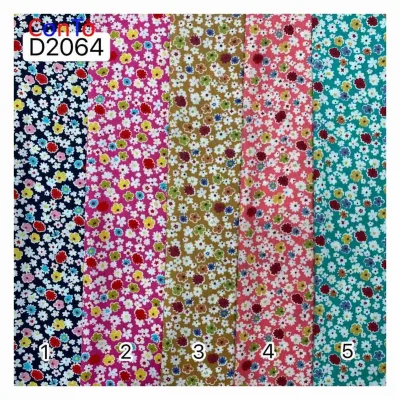
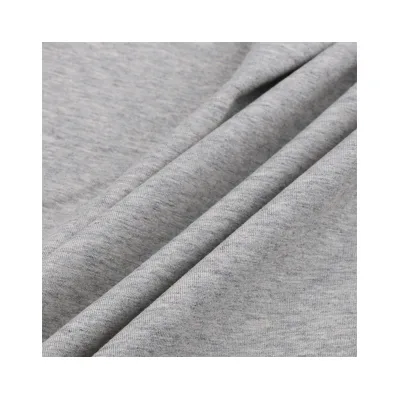
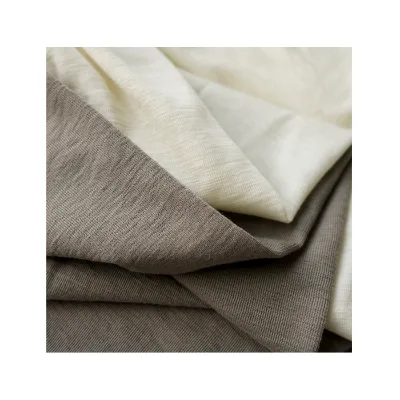
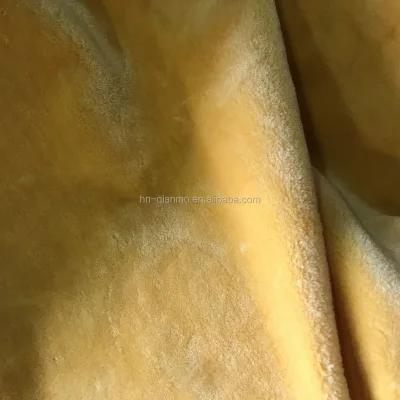


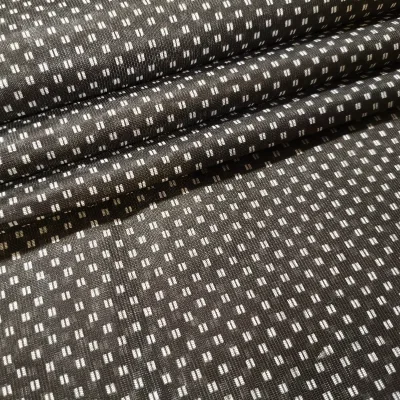
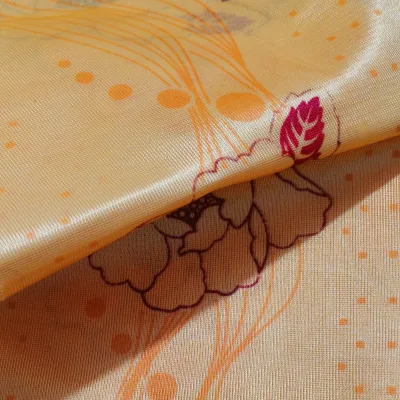
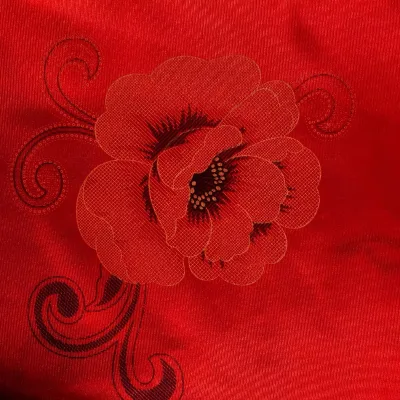
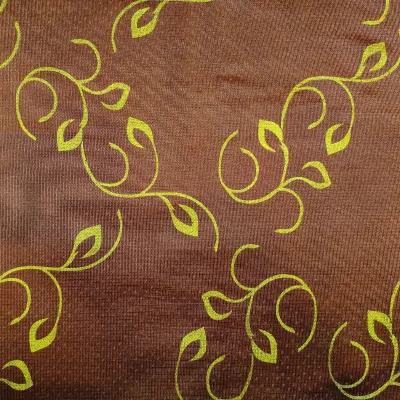
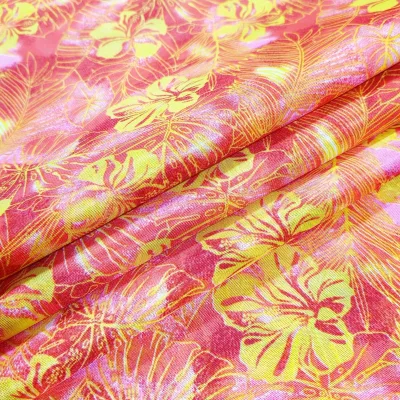
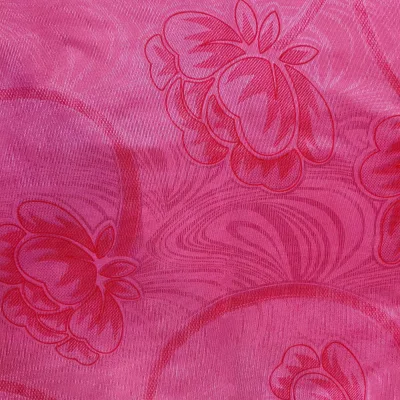


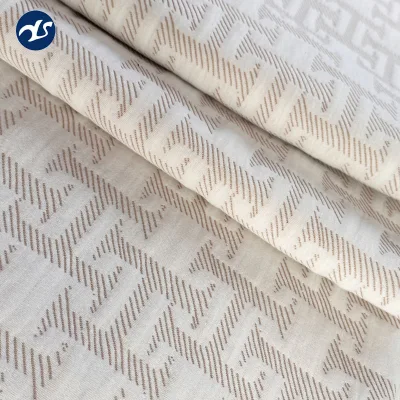
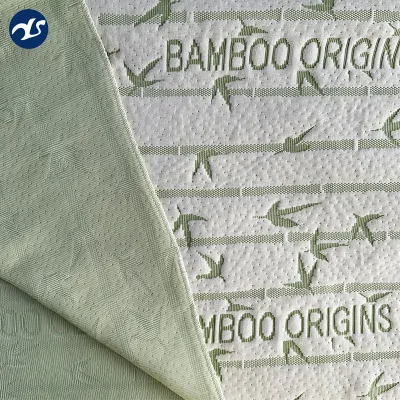


Comprehensive Sourcing Guide
Water Resistant Knitted Textile Fabric Sourcing Guide
Procuring water-resistant knitted textiles requires a nuanced understanding of material science and supply chain dynamics, particularly when balancing breathability with protective performance. Buyers must distinguish between inherently water-resistant fibers and those treated with chemical coatings, as this distinction dictates long-term durability and maintenance requirements. The observed market data indicates a diverse range of offerings, from 100% cotton blends to modacrylic-cotton mixes, each presenting unique handling characteristics. Understanding these material bases is the first step in defining technical requirements that align with end-use environments, ensuring that the selected fabric meets both functional needs and regulatory standards.
Commercial availability signals suggest a wide variance in minimum order quantities and pricing structures, reflecting the custom nature of many knitted textile orders. Suppliers often cater to specific industry verticals, including security, industrial, and medical sectors, which necessitates precise specification alignment before engagement. Buyers should recognize that "water-resistant" is not a standardized term in all contexts and may refer to varying degrees of hydrophobicity depending on the manufacturer's testing protocols. Consequently, establishing clear performance benchmarks early in the sourcing process helps mitigate risks associated with mismatched expectations and ensures that the final product delivers the intended protective qualities in real-world applications.
Product Scope and Observed Listing Signals
The current market landscape for knitted textiles reveals a broad spectrum of product types, including twill weaves and plain knits, with customization options extending to pattern, color, and yarn count. Observed listings highlight fabrics designed for diverse applications such as footwear, security gear, hospital textiles, and automotive interiors, indicating that water resistance is often one feature among many, including flame retardancy and thermal stability. Buyers should note that some products are explicitly labeled as eco-friendly or azo-free, which may influence procurement decisions for brands with strict sustainability mandates. The presence of customized length and width specifications suggests that off-the-shelf solutions may be limited, requiring closer collaboration with suppliers to achieve exact dimensional requirements.
Supply chain indicators show that many manufacturers operate on a make-to-order basis, accepting custom designs and offering factory-direct services. This model allows for greater flexibility in meeting specific technical needs but introduces variability in lead times, which have been observed to range from fifteen to twenty days. The geographic origin of many suppliers is noted as China, with specific production hubs like Hubei and Wujiang mentioned, providing insight into potential logistics and shipping considerations. Buyers must verify whether the observed price ranges and minimum order quantities apply to their specific customization requests, as these commercial terms can fluctuate significantly based on fabric complexity and volume commitments.
Technical Specifications to Verify
When evaluating water-resistant knitted fabrics, tear strength and weight are critical technical parameters that directly impact durability and suitability for heavy-duty applications. Observed data indicates tear strength values ranging from greater than 400 newtons to greater than or equal to 20 newtons, highlighting the importance of specifying minimum thresholds based on the intended stress loads. Fabric weight, such as the observed 7oz specification, also plays a role in determining the balance between protection and comfort, particularly for garments or accessories that require mobility. Buyers should request detailed tensile and tear test reports to confirm that the fabric can withstand the mechanical demands of its end use without compromising the water-resistant integrity of the material.
Color fastness and dimensional stability are additional technical attributes that require rigorous verification, especially for products subjected to frequent washing or exposure to environmental elements. The observed color fastness rating of 3-4 suggests a moderate level of resistance to fading, which may be sufficient for certain industrial uses but potentially inadequate for high-visibility safety gear. Buyers must also assess the fabric's breathability and thermal stability, as these properties influence user comfort and safety in extreme conditions. Confirming the knitting technique, whether weft knitting or machine knitting, is essential, as it affects the fabric's elasticity, recovery, and overall structural integrity under wet conditions.
Compliance and Safety Documentation
Regulatory compliance is a paramount concern when sourcing water-resistant textiles, particularly for applications in security, firefighting, and industrial environments. Observed certifications include UL, Oeko-Tex Standard CE, and AZO-FREE status, which provide assurance regarding chemical safety and environmental impact. Additionally, standards such as EN11611, EN11612, and NFPA2112 are frequently cited, indicating that many suppliers cater to markets with stringent flame resistance and protective clothing requirements. Buyers must verify that the specific product variant they are purchasing holds the relevant certifications for their target market, as compliance with one standard does not automatically imply compliance with others.
Documentation should also include detailed test reports that validate the water-resistant claims, as marketing terms can sometimes be ambiguous. Buyers should request evidence of testing methods used to determine water repellency, such as hydrostatic head tests or spray rating assessments, to ensure consistency with industry benchmarks. It is crucial to confirm that the fabric's water-resistant properties are inherent or treated in a way that withstands the recommended number of wash cycles, as specified by the supplier. Clear communication regarding compliance requirements early in the sourcing process helps prevent costly delays and ensures that the final product meets all legal and safety obligations.
Cost Drivers and Commercial Terms
Pricing for knitted textiles is influenced by a variety of factors, including material composition, customization complexity, and order volume. Observed price ranges vary significantly, reflecting the diversity of products from basic cotton blends to specialized modacrylic-cotton mixes with inherent flame retardant properties. Buyers should anticipate that higher levels of customization, such as specific yarn counts or unique patterns, may incur additional costs due to the setup and production adjustments required. Understanding these cost drivers allows for more accurate budgeting and helps in negotiating favorable terms with suppliers who may offer discounts for larger volumes or long-term partnerships.
Minimum order quantities (MOQs) and lead times are key commercial terms that impact procurement planning and inventory management. Observed MOQs range from 10 to 4500 units, offering flexibility for small-batch prototyping as well as large-scale production runs. Lead times, typically observed between fifteen and twenty days, should be factored into production schedules to account for potential delays in material sourcing or production bottlenecks. Buyers should also clarify packaging requirements, such as polybag and non-woven bag combinations, to ensure that the fabric arrives in optimal condition and is ready for immediate use in manufacturing processes.
Supplier Qualification and Quality Control
Supplier qualification is a critical step in ensuring the reliability and consistency of water-resistant knitted textile supplies. Buyers should verify the supplier's manufacturing capabilities, including their experience with specific knitting techniques and their ability to meet custom design requirements. Factory audits and on-site inspections can provide valuable insights into production processes, quality control measures, and overall operational efficiency. Additionally, checking for relevant business certifications, such as BSCI, can offer assurance regarding ethical labor practices and social responsibility, which are increasingly important to global brands and consumers.
Quality control protocols should be established to monitor fabric performance throughout the production process. Buyers should request pre-production samples and conduct thorough testing to verify that the fabric meets all specified technical and compliance requirements. Establishing clear acceptance criteria for defects, such as inconsistencies in weave, color variations, or failures in water resistance tests, helps maintain high standards. Regular communication with the supplier regarding quality issues and continuous improvement initiatives fosters a collaborative relationship that can lead to better product outcomes and reduced risk of supply chain disruptions.
Long-Term Procurement Checks
Sustaining a successful procurement relationship requires ongoing monitoring of supplier performance and market trends. Buyers should regularly review supplier delivery times, quality consistency, and responsiveness to issues to ensure that they continue to meet evolving business needs. Tracking changes in material costs and availability can help anticipate price fluctuations and adjust procurement strategies accordingly. Additionally, staying informed about emerging technologies and standards in water-resistant textiles allows buyers to proactively adapt their sourcing practices to maintain a competitive edge and ensure product relevance in the market.
Continuous improvement initiatives should be encouraged through regular feedback loops and joint problem-solving sessions with suppliers. By sharing performance data and discussing potential enhancements, buyers and suppliers can work together to optimize product quality and efficiency. This collaborative approach not only strengthens the partnership but also drives innovation and value creation throughout the supply chain. Ultimately, a proactive and disciplined approach to long-term procurement checks ensures that the sourcing of water-resistant knitted textiles remains aligned with strategic business objectives and customer expectations.
FAQs
What certifications are available for this knitted fabric?
The fabric holds UL, Oeko-Tex Standard CE, and AZO-FREE certifications. It also meets En11611, En11612, and Nfpa2112 standards for flame resistance. These credentials ensure compliance with international safety and environmental requirements for industrial and protective applications.
Can the fabric be customized for specific designs?
Yes, customization is available for patterns, colors, and yarn counts. Buyers can request specific designs, and the factory accepts custom orders. The material supports tailored specifications to meet unique project requirements while maintaining its core functional properties.
What is the typical delivery time for orders?
The standard delivery time is 15-20 days. This lead time applies to most customized orders. Buyers should account for this duration when planning production schedules. The factory operates on a make-to-order basis to ensure quality control.
What materials are used in this textile fabric?
The fabric is primarily made from 100% Cotton or Modacrylic/Cotton blends. Some variants use polyester. These materials provide thermal stability, breathability, and eco-friendly characteristics suitable for protective gear, garments, and industrial applications requiring durability and comfort.
What is the minimum order quantity for this product?
The minimum order quantity ranges from 10 to 4500 units depending on the specific product variant. Buyers can select quantities that fit their project scale. The flexible MOQ allows for both small trial orders and large bulk purchases.
Where is this fabric manufactured and shipped from?
The fabric originates from China, specifically from locations in Hubei and Wujiang. The factory is located in these regions and ships globally. Buyers can expect standard packing with plastic bags and non-woven bags for protection during transit.